W Abu Dhabi – Yas Island: Distinct luxury in the Middle East.
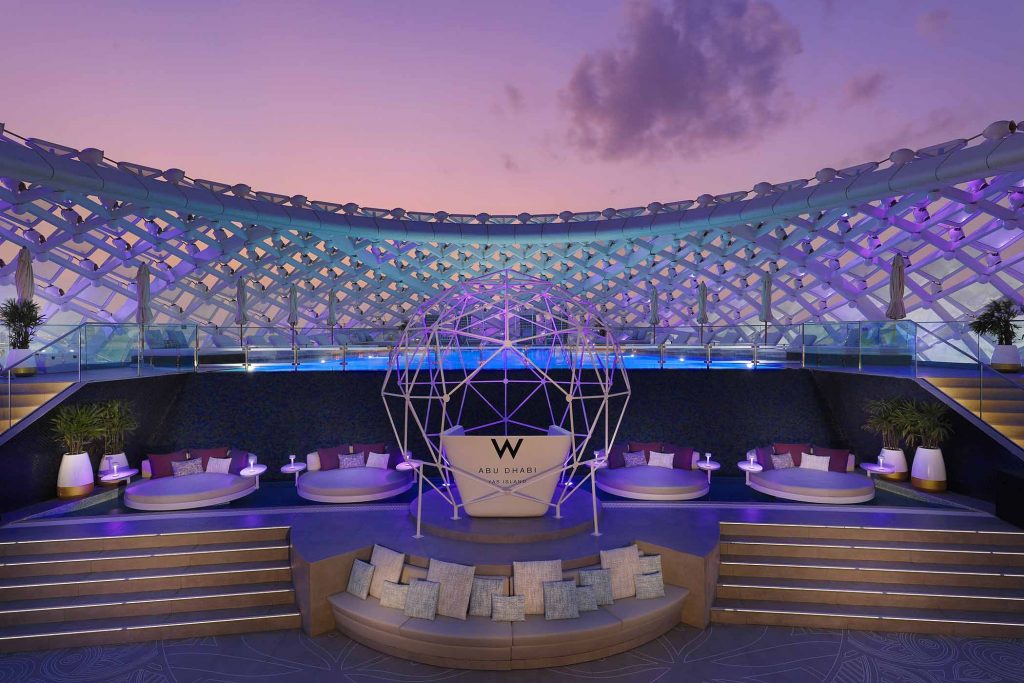
 Abu Dhabi WET Deck, central DJ space and VIP daybeds
W Abu Dhabi WET Deck, central DJ Space and VIP daybeds

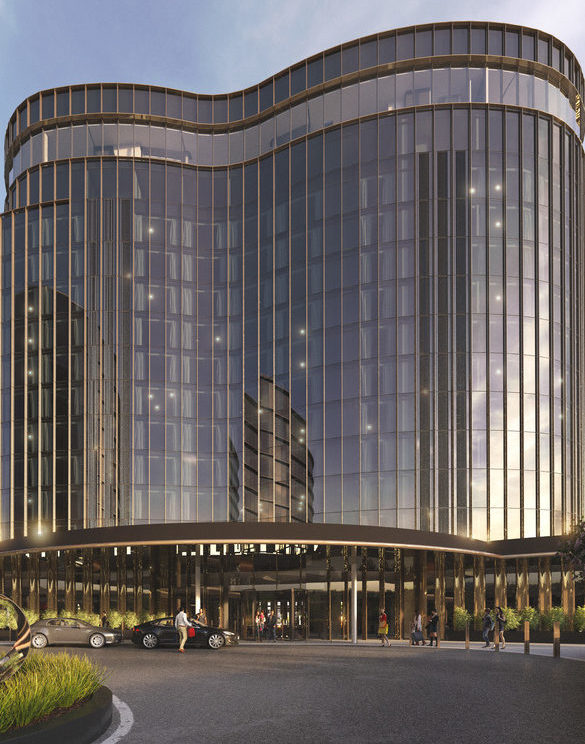
W Abu Dhabi – Yas Island is the largest W Hotel in the world, and the second W Hotel by dwp in the Middle East, following the recent completion of the W Dubai – The Palm. Overlooking the spectacular F1 race track and Yas Marina, the hotel is a sweeping, futuristic form housing 499 guest rooms and suites. Since its completion a decade ago, it has become an icon of the city – but was in need of a refresh in time for the 2019 Abu Dhabi Grand Prix to reflect the development of the W brand by Marriott.

Global architecture and design house dwp | design worldwide partnership has crafted a new identity for the luxury hotel through a complete refurbishment of public areas, including the entrance and lobby, a new F&B concept, the W Lounge and Living Room and the WET Deck. Working to a tight deadline and with the hotel fully operational throughout the refurbishment, dwp transformed the traditional idea of luxury with a bold and witty play on the culture, traditions and stereotypes of the region. 

Not everything is as it appears

The refurbishment of W Abu Dhabi responds to the location, and is driven by a curated design approach based on research and creative interpretation, bringing to life the idea of the “W Insider”. As the team explored the historical, physical and social context of Abu Dhabi, the UAE capital was revealed as a place of fascinating juxtapositions and contrasts. As a vibrant, modern city rich in ancient cultural traditions, it challenges preconceived notions and stereotypes of the Middle East.

Based on these findings, a multi-layered concept was developed around the theme of “Mirage”. Inspiration was drawn from the diverse elements that form Abu Dhabi today, from centuries-old Bedouin customs and the natural attributes of the country itself, to the modern face of the city and the riches it is known for. As a result, the refurbishment imbues the hotel with a strong sense of place that celebrates Abu Dhabi and delivers a truly memorable W experience.

A 24K bold entrance

The “24K bold” entrance to W Abu Dhabi is marked by the iconic W logo, realised in polished gold with a dark stone inlay that recalls the inky blackness of crude oil. 
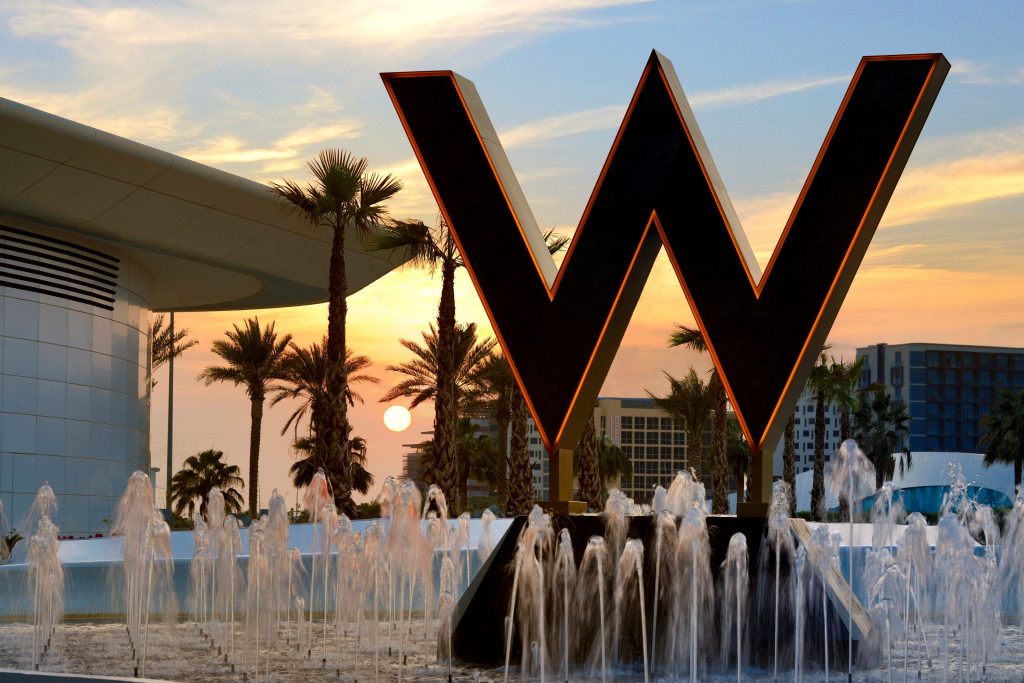
W Abu Dhabi iconic "24K bold" W entrance
Iconic “24K Bold” W Entrance

This playful approach is continued in the lobby, with a number of humorous features that draw on the extensive research into the region. One wall is literally pinched with dozens of timber pegs in reference to the nose pegs traditionally worn by pearl divers in the region, while the “oil drop” reception desk takes inspiration from the country’s shifting economy pre and post oil. A dramatic curtain is formed of 2,000 pieces of jewelry that were collected from the UAE and stained, and the retail space is inspired by the interior of an oil barrel, with a resin floor reminiscent of an oil slick. 
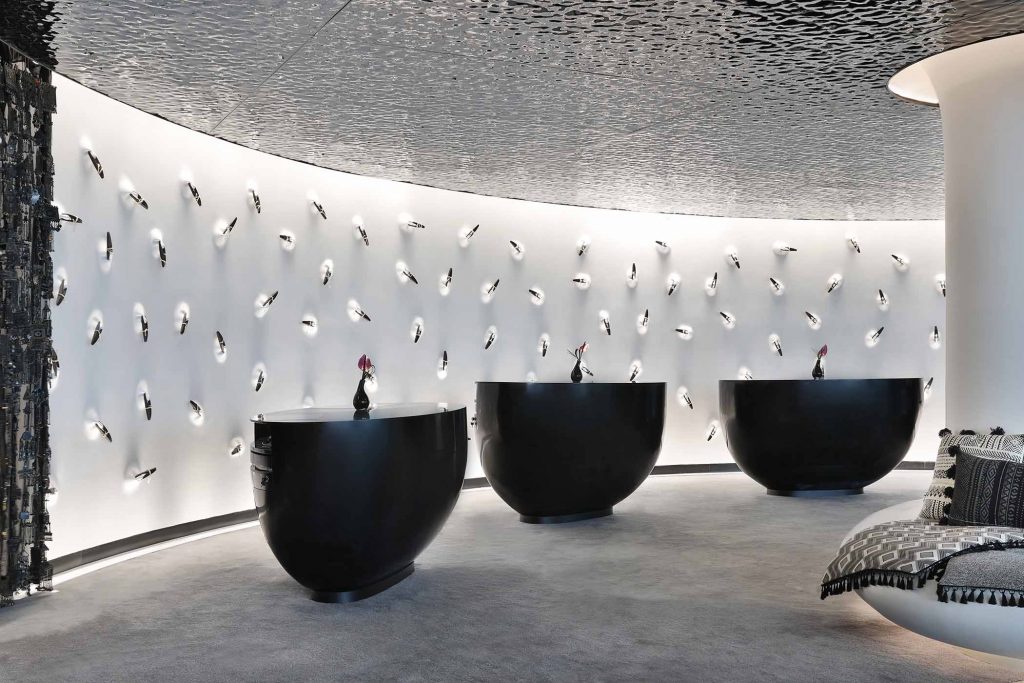
W Abu Dhabi oil drop welcome desks, jewel curtain and peg detailing
Oil Drop Welcome Desks, Jewel Curtain and Peg Detailing

Roastery is a casual cafe with a bar that takes design cues from the foot bridges of the city, and furniture that represents the graphic framework of oil rigs. The monochromatic colour palette references the contrasting colours of the kandoora (the traditional white male dress) and the abaya (the black female dress). 
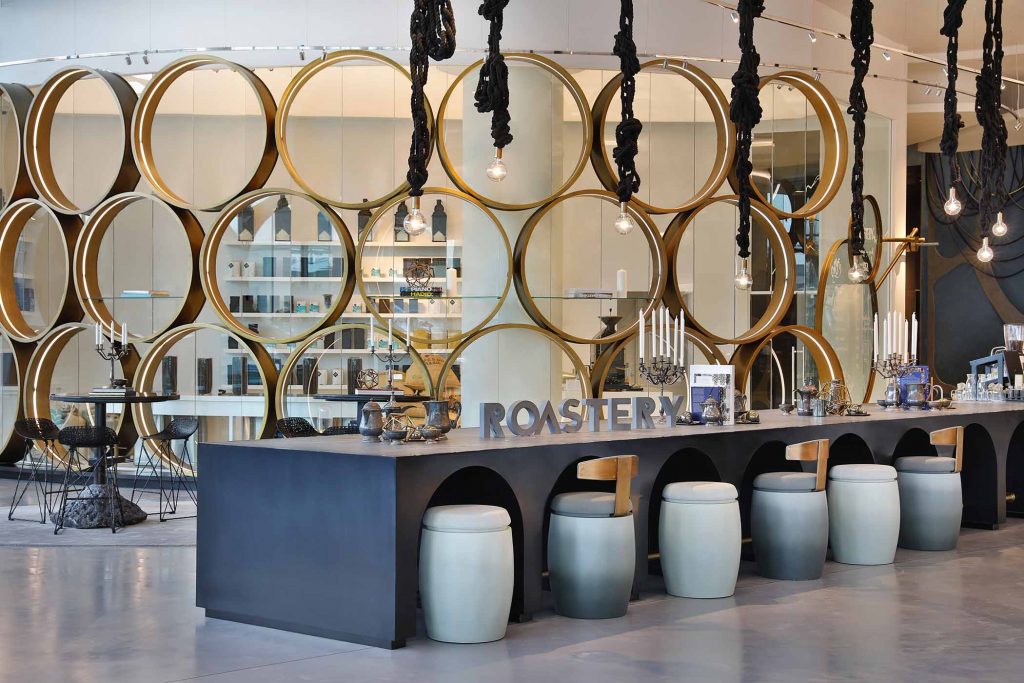
Lobby Roastery Cafe

A floral phenomenon

The Living Room is a signature space found in all W Hotels, offering a place between the lobby and dining areas for guests to mingle throughout the day and evening. The design team came up with a “superbloom” concept, inspired by tales of a rare desert botanical phenomenon in which unusually high rainfall causes a sudden bloom of native flora. 

The lush, jewel-toned colours of the Living Room take inspiration from this imagined tapestry of wildflowers in the desert, and a striking lighting installation takes its form from flowers in full bloom. Bespoke, hand-tufted rugs of dappled greens cover the floor, featuring an abstracted pattern informed by the UAE national flower, Tribulus Omanense.
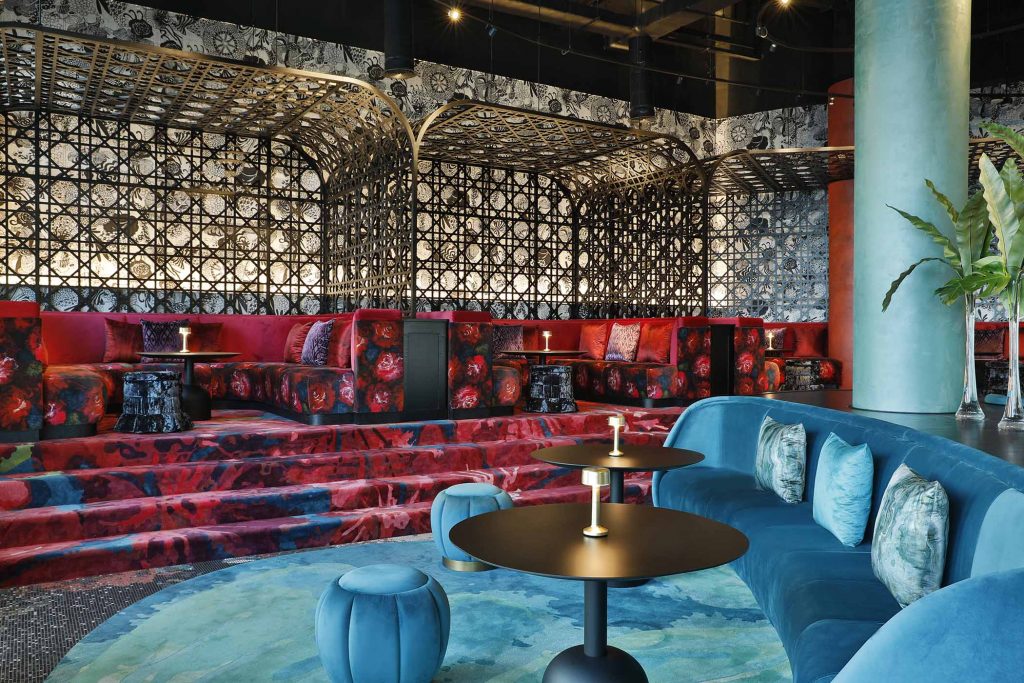
W Abu Dhabi - Yas Island Superbloom Living Room
Superbloom W Living Room

A new way to dine

Garage represents a new signature “All Specialty Dining” concept for W, inspired by the booming popularity of street food with Millennial diners. As guests stroll through each of the six distinct eateries housed in the one destination, the fit-outs evoke a connection to the country from which the cuisine comes.

At dumpling eatery Steam Table, diners can sit in a giant wok immersed within the tossed rice, and the temple-like structure is an ode to the Forbidden City; Tap Wall bar takes inspiration from the gridded city planning of Abu Dhabi; in Nikkei House, the precision of Japanese design collides with a Peruvian flair for colour and texture; and steakhouse Meat Vault plays on the idea of steak as a precious commodity, with a fit-out that recalls a bank, complete with a playful surveillance camera lighting feature and a CCTV wall. 
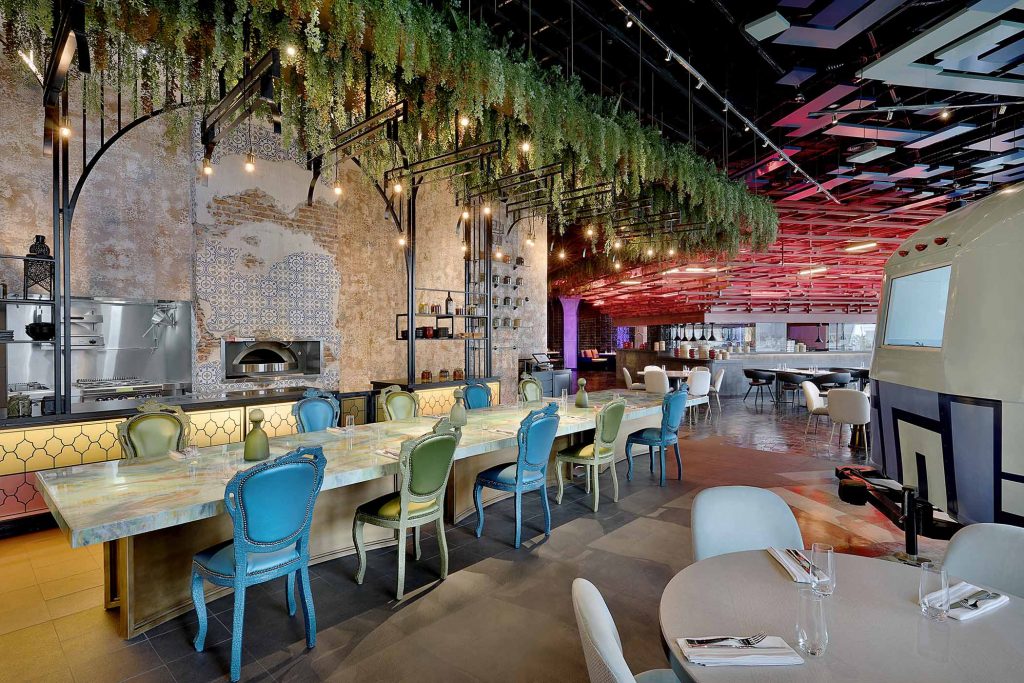
W Abu Dhabi - Yas Island Food Garage All Speciality Dining
W GARAGE

Pool play

As part of the refurbishment, the existing rooftop bar was transformed into WET Deck, a poolside bar with a DJ space at its heart and VIP daybeds. As in the lobby and Living Room , the design makes use of clever details to convey insightful narratives about the region, such as the dichroic glass fins to the front of the bar that take inspiration from the iridescent colours created when oil meets water, or the henna-style artwork across the floor.
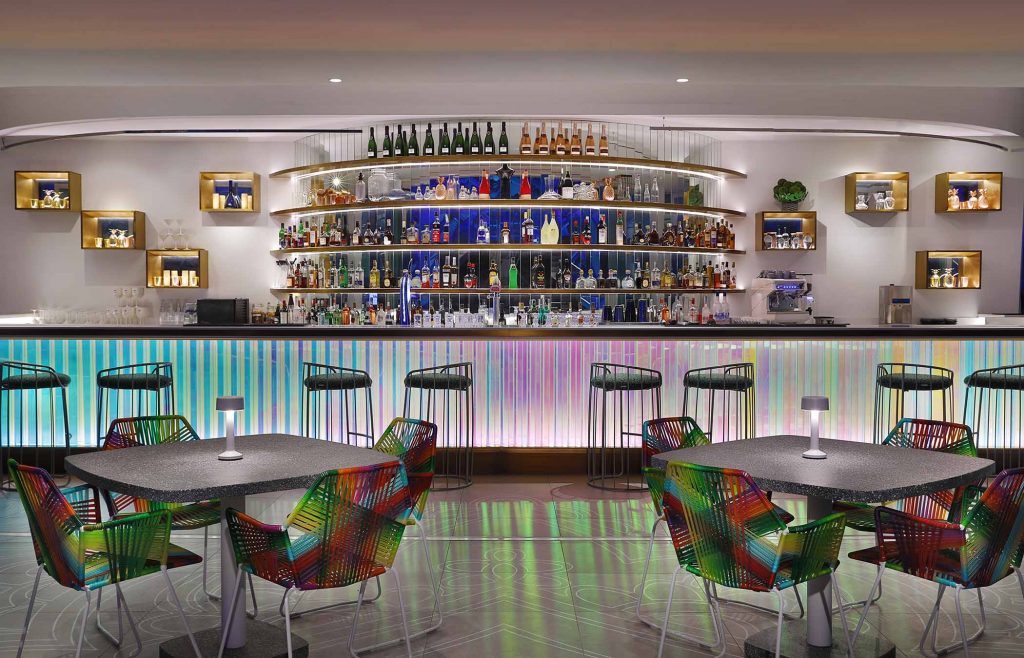
W WET Deck Bar by dwp
WET Deck Pool Bar

Project significance

The completion of the W Abu Dhabi – Yas Island represents the continued growth of dwp on the global stage. As dwp’s Global Head of Hospitality, says;

W Hotels are a distinctive and discerning luxury brand, and dwp was thrilled to have the opportunity to work on our second W project, as it is something that few other design firms in the world have achieved. This refurbishment – along with the recent completion of interiors for Hotel Chadstone, MGallery by Sofitel in Melbourne, Australia – represents the growth of dwp on the global stage and we look forward to bringing that skill and inventiveness to future projects in the Middle East region and beyond.

For further information on dwp hospitality design, please contact scott.w@dwp.com or take a look at our hospitality portfolio on our website.

Tags: Abu dhabi, Agile workspace, Archi, Architect, Architecture, Artist, Asia, Bangkok, Bar, BIM, Blog, Boutique, Business, Civic, Construction, Content, Creativity, Culture, Design, Designer, Digital, Digital technology, Digital transformation, Digitisation, Drink, Dubai, Education, Experience, F&B, Food, Future, Health, Hicap, Ho chi minh, Hospitality, Hotel, Hotel design, Information, Innovation, Interior, Interior design, Interior designer, Interview, Knowledge, Lebua, Lifestyle, Luxury, Luxury design, Luxury interior, Marriott, Profile, Residential, Restaurant, Saigon, Sky, Studio, Success, Sustainibility, Tech, Technology, Thailand, Trends, Video, Vietnam, W hotel, Women
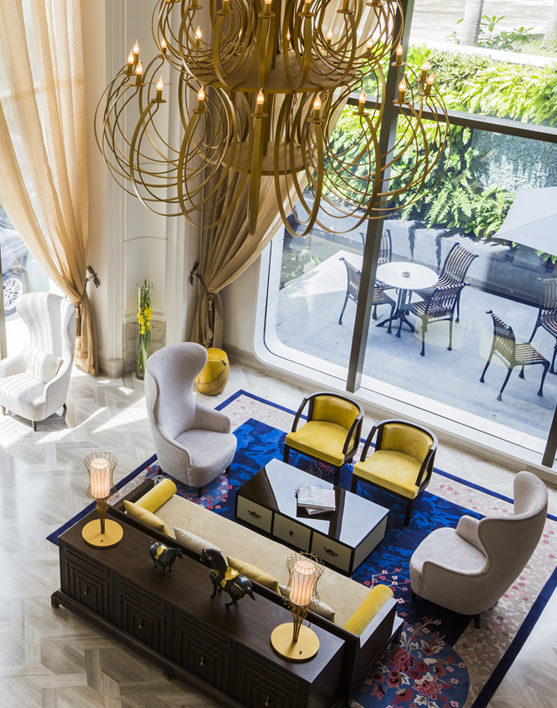

What is the importance of design in luxury hospitality?

Chatrium yangon hoteldwp talks to Savitri Ramyarupa, MD of Chatrium Group to find out more about the success of the Chatrium brand and the role of design.

Savitri Ramyarupa is a scion of the Sophonpanich family; renowned pioneers of Thailand’s finance industry. Think: ‘Bangkok Bank’. These days however their portfolio has diversified into luxury residences and hotelkeeping. We talk to her about how it all began; and what were the key factors in building a successful five star brand.

“It all started by chance” Savitri says. “Our family business first diversified into serviced residences. Then we noticed increasing growth in the tourism and travel industry, so we adjusted our vision, and began to concentrate on the hotel business as well. We named it Chatrium after my father Chatri, who is an icon in Thailand.”  

Design is the entry point to the hospitality experience”, Savitri says: “Like a beautiful meal; the presentation must whet the appetite. It must appeal to the senses. Chatrium designs are focused on unique and local experiences with charm.  dwp has been our design partner for more than 10 years in residential, office, hotel, restaurants, meeting rooms and fitness center design. They are very reliable, professional and flexible… And being flexible is very important because people’s experience of luxury has changed. It used to be simply about big expensive brand names. Now, I believe, ideas of luxury are as varied as our guests. Simple things can be luxurious: fast and easy bookings, easy check in and checkout, remembering guests names. Even genuine friendliness is a luxury in the modern world. But tangible things are still luxurious too. Rooms designed with deep thought and care. Attention to detail, high quality furnishings and aesthetics are very important.”

“We are in the people business: people serving people. We need to understand our customers and it is our intention to deliver remarkable experience to our guests every time they stay.”

Luxurious design starts as a concept. The guests and the positioning of the property must be priority as the design process unfolds. In the case of the Chatrium brand it is very important that it works for both for travellers as well as the local community.  Savitri adds: “All Chatrium Group’s designs must fulfill the brand’s promise of: “A remarkable experience” and dwp is our partner in designing that.”

For more information, please contact media@dwp.com or have a look at the hospitality section of our website.

Tags: Abu dhabi, Agile workspace, Archi, Architect, Architecture, Artist, Asia, Bangkok, Bar, BIM, Blog, Boutique, Business, Civic, Construction, Content, Creativity, Culture, Design, Designer, Digital, Digital technology, Digital transformation, Digitisation, Drink, Dubai, Education, Experience, F&B, Food, Future, Health, Hicap, Ho chi minh, Hospitality, Hotel, Hotel design, Information, Innovation, Interior, Interior design, Interior designer, Interview, Knowledge, Lebua, Lifestyle, Luxury, Luxury design, Luxury interior, Marriott, Profile, Residential, Restaurant, Saigon, Sky, Studio, Success, Sustainibility, Tech, Technology, Thailand, Trends, Video, Vietnam, W hotel, Women

What is the key to designing remarkable spaces?

dwp talks to Savitri Ramyarupa, MD of Chatrium Hotels and Residences about the importance of finding a long term design partner that creates spaces that guests long to return to.

The relationship between Chatrium group and dwp architecture and design began 10 years ago with the conversion of Oakwood Narathiwas into the Chatrium Residence Sathon. Savitri says: “Since then, we have partnered with dwp on many luxury projects ranging from residences to hotel rooms and offices.”

Chatrium hotels and residences are renowned for bringing a strong sense of place to their luxury properties. And for this to work successfully, it is the responsibility of design partners to fuse the beauty and charm of each and every location without compromising the core brand. Savitri says: “At all our hotels and residences throughout our brand portfolio at Chatrium, and our lifestyle collection Maitria, guests are invited to ‘feel the remarkable’. To indulge in a culture of local hospitality, crafted comfort and luxurious space… and dwp is our chosen design partner to articulate that.”

Over time Chatrium Group has grown and so has dwp. “They stay ahead of the trends in the hospitality and residential industry and bring new ideas to the table. Like us, they value authenticity and experience. Their designs implement our desire to be both distinct and accommodating of international travelers and the local community alike. Simple, innovative, and functional. Chatrium Group values the same things. Sustainable designs are also important to us, dwp and our guests. Eco-friendly practices are becoming the norm, so we also focus on renewable energy resources,” Savitri says.

“Finally, from my perspective, important elements of design are also in the details. How materials are used so that guests can have an experience of luxury and comfort that they can feel and touch.”

In order for any project to be successful, there needs to be understanding, communication and flexibility throughout the life of the project and beyond. Cohesive luxury design paired with seamless service is what makes guest experiences so remarkable that they want to come back.

For more information please contact media@dwp.com or have a look at the hospitality section of our website. 

Tags: Abu dhabi, Agile workspace, Archi, Architect, Architecture, Artist, Asia, Bangkok, Bar, BIM, Blog, Boutique, Business, Civic, Construction, Content, Creativity, Culture, Design, Designer, Digital, Digital technology, Digital transformation, Digitisation, Drink, Dubai, Education, Experience, F&B, Food, Future, Health, Hicap, Ho chi minh, Hospitality, Hotel, Hotel design, Information, Innovation, Interior, Interior design, Interior designer, Interview, Knowledge, Lebua, Lifestyle, Luxury, Luxury design, Luxury interior, Marriott, Profile, Residential, Restaurant, Saigon, Sky, Studio, Success, Sustainibility, Tech, Technology, Thailand, Trends, Video, Vietnam, W hotel, Women
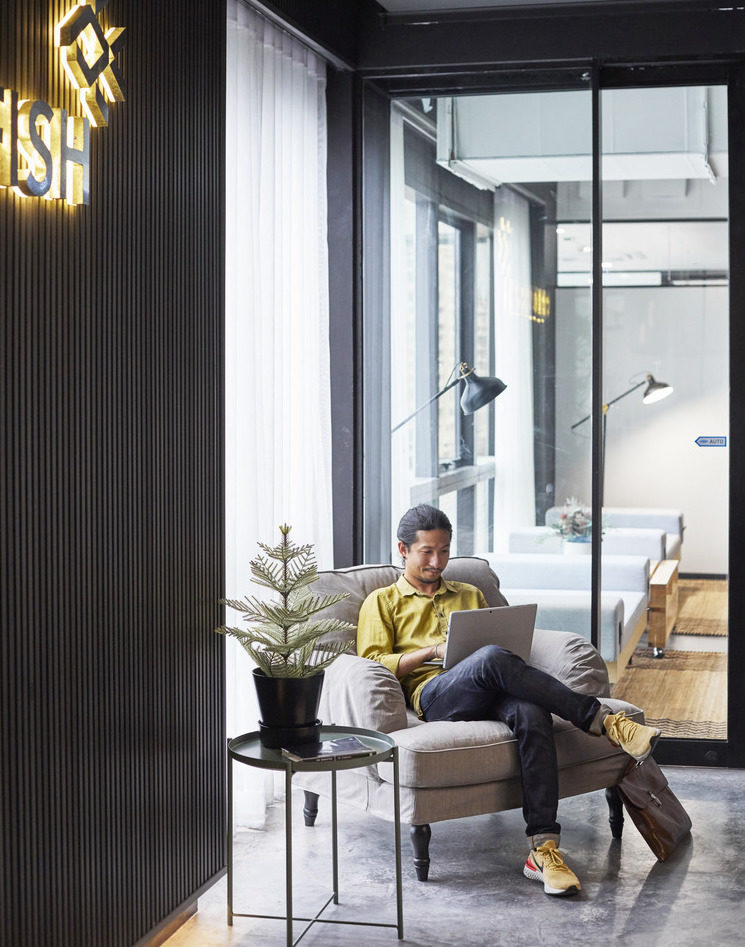
dwp|signature launches

https://youtu.be/lCUt-K-JrX0

Sorry you couldn’t make it to our launch event for dwp|signature last week. Here is a message from our Group CEO Brenton Mauriello to explain what you missed.  

dwp|signature collection is a unique collaboration with internationally acclaimed design masters that take design customisation to the next level, making the best even better. These collaborations celebrate the company’s entrepreneurial and creative spirit, allowing dwp’s award-winning design to become highly personalised creative expression.

To find out more about dwp|signature, please contact thailand@dwp.com.

Tags: Abu dhabi, Agile workspace, Archi, Architect, Architecture, Artist, Asia, Bangkok, Bar, BIM, Blog, Boutique, Business, Civic, Construction, Content, Creativity, Culture, Design, Designer, Digital, Digital technology, Digital transformation, Digitisation, Drink, Dubai, Education, Experience, F&B, Food, Future, Health, Hicap, Ho chi minh, Hospitality, Hotel, Hotel design, Information, Innovation, Interior, Interior design, Interior designer, Interview, Knowledge, Lebua, Lifestyle, Luxury, Luxury design, Luxury interior, Marriott, Profile, Residential, Restaurant, Saigon, Sky, Studio, Success, Sustainibility, Tech, Technology, Thailand, Trends, Video, Vietnam, W hotel, Women
Thank you for attending our dwp|signature event

https://youtu.be/tdIUxaVxB8Q

Thank you to all those who attended our launch event for dwp|signature last week.

dwp|signature collection is a unique collaboration with internationally acclaimed design masters that take design customisation to the next level, making the best even better.

These collaborations celebrate the company’s entrepreneurial and creative spirit, allowing dwp’s award-winning design to become highly personalised creative expression.

dwp|signature collections are for clients with specific requirements and extraordinary taste.  

Please contact thailand@dwp.com for more information.

Tags: Abu dhabi, Agile workspace, Archi, Architect, Architecture, Artist, Asia, Bangkok, Bar, BIM, Blog, Boutique, Business, Civic, Construction, Content, Creativity, Culture, Design, Designer, Digital, Digital technology, Digital transformation, Digitisation, Drink, Dubai, Education, Experience, F&B, Food, Future, Health, Hicap, Ho chi minh, Hospitality, Hotel, Hotel design, Information, Innovation, Interior, Interior design, Interior designer, Interview, Knowledge, Lebua, Lifestyle, Luxury, Luxury design, Luxury interior, Marriott, Profile, Residential, Restaurant, Saigon, Sky, Studio, Success, Sustainibility, Tech, Technology, Thailand, Trends, Video, Vietnam, W hotel, Women

BIM and the art of paperless design

In the history of architectural milestones there are a number of notable moments. Ziggurats in Mesopotamia was the first. Settling down from our hunter-gatherer wanderings, humanity began to farm. Presumably with bellies full of lamb shawarma and more time to muse by the fire, we also started to build. And so, with a mix of passion and mud based mortar, the history of architecture began. Aeons passed. There was Imhotep the original Egyptian architect. Ancient Greeks then chipped away at marble and strict rules of proportion. The Romans, on a roll of engineering genius revolutionised European architecture with arches, domes, vaults and concrete. In a narrative nutshell the rest, as they say, is history… 

https://www.youtube.com/watch?v=PFCOUrLsJyo

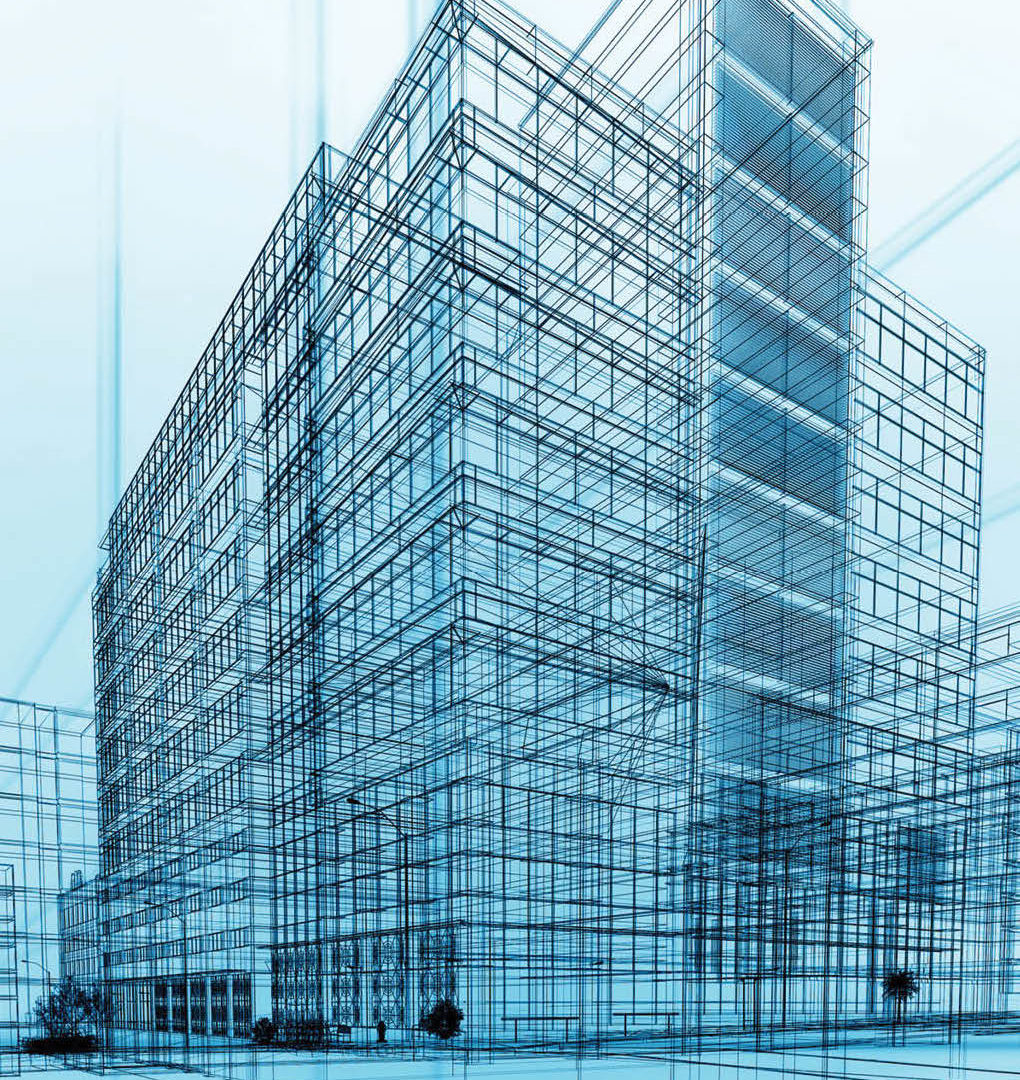
Fast forward to the modern day. It is exciting to be a part of another architectural revolution in the form of Building Information Modelling.

Affectionately known as BIM. Initiated, inspired and powered, not only by Imhotep, but by the whole of the Internet, the Cloud and the social-media-mindset of information and content sharing. As a communication tool BIM is a (very) high-tech stick drawing in the sand: a way to share information for the construction of a building. The difference from a sketch – and it’s a big one –  is that BIM is a database that allows everyone – from architects to engineers, builders, owners, suppliers, interior designers and landscape designers – onto the same stretch of sand (as it were). It is a tool that allows all the players to understand exactly the same thing from their own perspective.

Takrit Jirawudomchai, dwp’s Associate Director of Architecture and BIM says: “The way of thinking about design has not changed. The pen-and-paper approach to design has not changed either. It starts with an idea in your head. The question is how do we tell the design story to different audiences from different disciplines. When you draw for the client, for example, the contractor will not understand and vise versa. So BIM is a tool that transfers all the information to a central place that everyone can see and understand.”

A digital model shows on a computer, in perspective, how the final house will be. From the foundations, to the plumbing, electrics and final finishes. The contractors know exactly how to build that house and the owner knows how it will look. Even with all our sophistication the basic needs of humanity for shelter, our aspirations for beauty and safe shared spaces, have not changed since the Ziggurats. But simply put, BIM is the tool for a technological age that replaces thousands upon thousands of drawings and saves vast amounts of time and money. The Mesopotamians would be proud.

For more information on BIM and our other services, please contact the bimteam@dwp.com

Tags: Abu dhabi, Agile workspace, Archi, Architect, Architecture, Artist, Asia, Bangkok, Bar, BIM, Blog, Boutique, Business, Civic, Construction, Content, Creativity, Culture, Design, Designer, Digital, Digital technology, Digital transformation, Digitisation, Drink, Dubai, Education, Experience, F&B, Food, Future, Health, Hicap, Ho chi minh, Hospitality, Hotel, Hotel design, Information, Innovation, Interior, Interior design, Interior designer, Interview, Knowledge, Lebua, Lifestyle, Luxury, Luxury design, Luxury interior, Marriott, Profile, Residential, Restaurant, Saigon, Sky, Studio, Success, Sustainibility, Tech, Technology, Thailand, Trends, Video, Vietnam, W hotel, Women
Designer destinations

Research indicates that today’s inbound traveler to Thailand and South East Asia, with wallets of every size, are more independent, more hungry and more ready than ever before for a true taste of local culture. SLOW travel is at the forefront of the insta-generations travel expectations: local experiences, local people and local food. The hospitality industry needs to adapt it’s offering, and it starts with design.

Cultural changes in the expectations of hospitality began to emerge out of Europe, the U.S. and Australasia about a decade ago. These changes were driven by the way we communicate and access information: instant messaging, with a world of answered questions, was suddenly at our fingertips. People no longer read travel books to find out ‘where are the top 10 places to stay within my budget’.

The hospitality industry is, in general, slow to change and at first the ‘old guard’ was resistant. But soon maverick brands began to realize that people wanted something different. Who would have believed that the idea of having a hotel lobby feel like a nightclub, like W Hotel, would be anything other than a flash in the pan? But actually; it was revolutionary.

So changes in design were led by demographic changes. The needs and demands of the guests. Hoteliers began to see the opportunity to create something people would want more and more of: Lifestyle Hotels. Defined by The Boutique and Lifestyle Lodging as: “Small, intimate and modern – and throw in advantages only a chain can offer, like loyalty perks, consistency and economies of scale. As a result, lifestyle hotels are generally more affordable and accessible than boutiques – and soon to be ubiquitous.”

Design supports for lifestyle brands are much more expressive, much more distinct and much more singularly focused. The industry has changed. Young people, for example, want to come to Bangkok to party and have fun. Moxy Hotel by Marriott absolutely hits the mark with their 18 – 28 year old demographic. Partying is accepted and anticipated. And this feeds into the expectation of some travelers. And that’s where good marketing and brand awareness comes in… do not pass go for someone who does not want a party hotel!

This design approach applies equally to the hotel restaurants. These days not many people think when travelling: ‘Let’s avoid the local food’. So hotels have had to become more realistic about what the market is demanding.

Lifestyle Hotels are meeting changing Food and Beverage (F&B) demands in two major ways. Kirk Ellis, Lifestyle Portfolio Director of dwp says: “Some hotels are choosing to go smaller and less with their F&B offering. These hoteliers are expecting their guests to eat out. We design them a cool, fun place for their guests to stay. It has a lower price point. They have almost no F&B outlets because young travelers, with their phones, can find the hottest place to eat and drink at the touch of a button. They certainly don’t want to eat in a hotel. This in turn reduces construction and operating costs. So design has evolved through that shift because the internet generation, with information at their fingertips, can access what they really want.”

The point is that hospitality is usually an industry that tags behind the leading edge of trends. But these changes also give hoteliers the opportunity to save on operating costs, staff costs and at the same time align with guest’s expectation and enhance their experience. The differentiation in design is, as hoteliers are prepared to take more risk in their boutique and lifestyle brands, the design is becoming much more fun.

For information on our hospitality services, please contact kirk.e@dwp.com

Tags: Abu dhabi, Agile workspace, Archi, Architect, Architecture, Artist, Asia, Bangkok, Bar, BIM, Blog, Boutique, Business, Civic, Construction, Content, Creativity, Culture, Design, Designer, Digital, Digital technology, Digital transformation, Digitisation, Drink, Dubai, Education, Experience, F&B, Food, Future, Health, Hicap, Ho chi minh, Hospitality, Hotel, Hotel design, Information, Innovation, Interior, Interior design, Interior designer, Interview, Knowledge, Lebua, Lifestyle, Luxury, Luxury design, Luxury interior, Marriott, Profile, Residential, Restaurant, Saigon, Sky, Studio, Success, Sustainibility, Tech, Technology, Thailand, Trends, Video, Vietnam, W hotel, Women
Subscribe newsletter
  • We’ll email you dwp’s Insights every two months.