Total Design, Revisited: An Enduring Legacy for a Complex World
When Florence Knoll introduced the idea of Total Design in the mid-20th century, she was not proposing a style but a philosophy — one that rejected fragmentation and insisted that architecture, interiors, furniture, textiles, and planning be conceived as a single, coherent whole. More than seventy years later, as designers navigate hybrid work models, sustainability imperatives, and increasingly complex user expectations, Total Design feels not historic, but urgent.
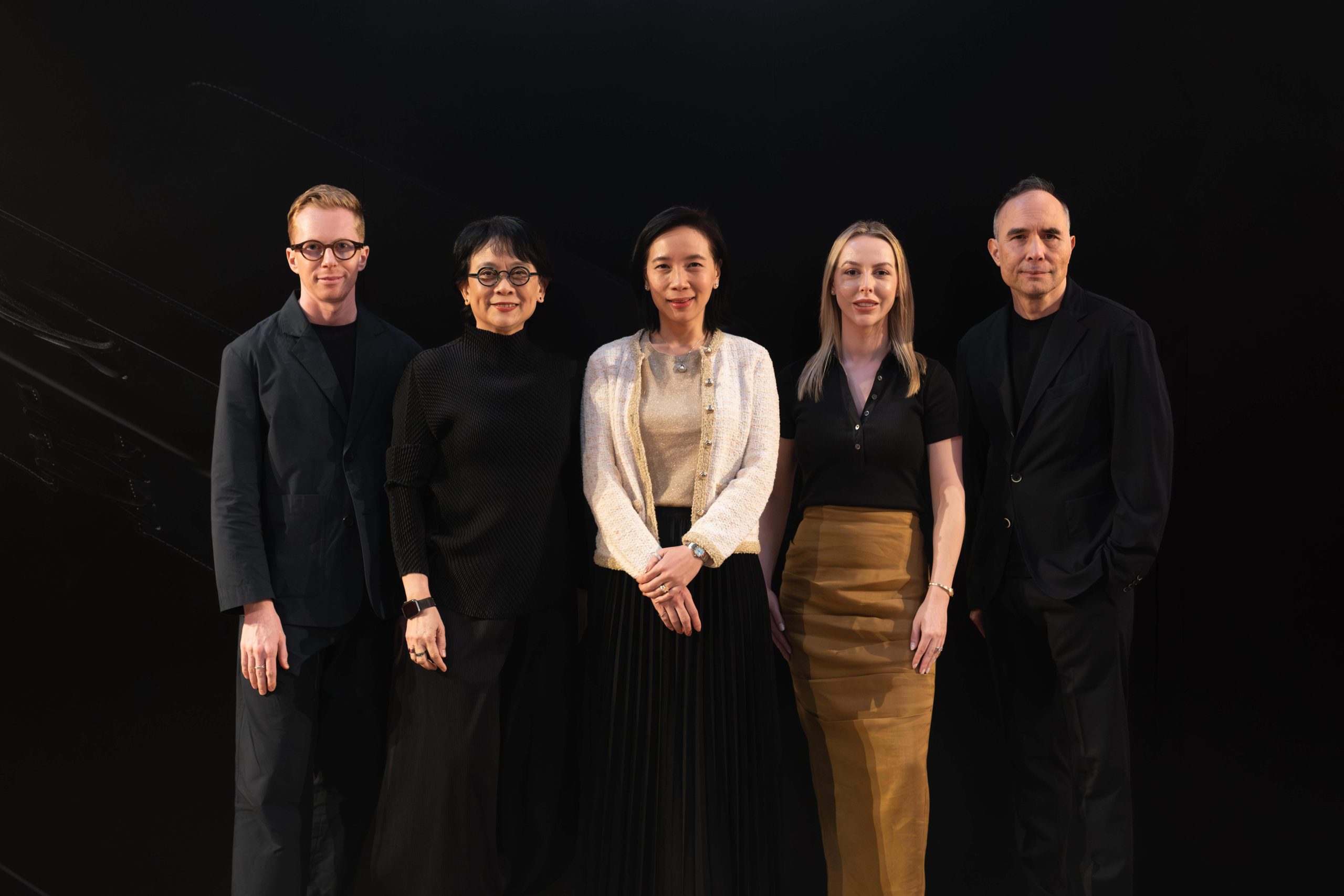
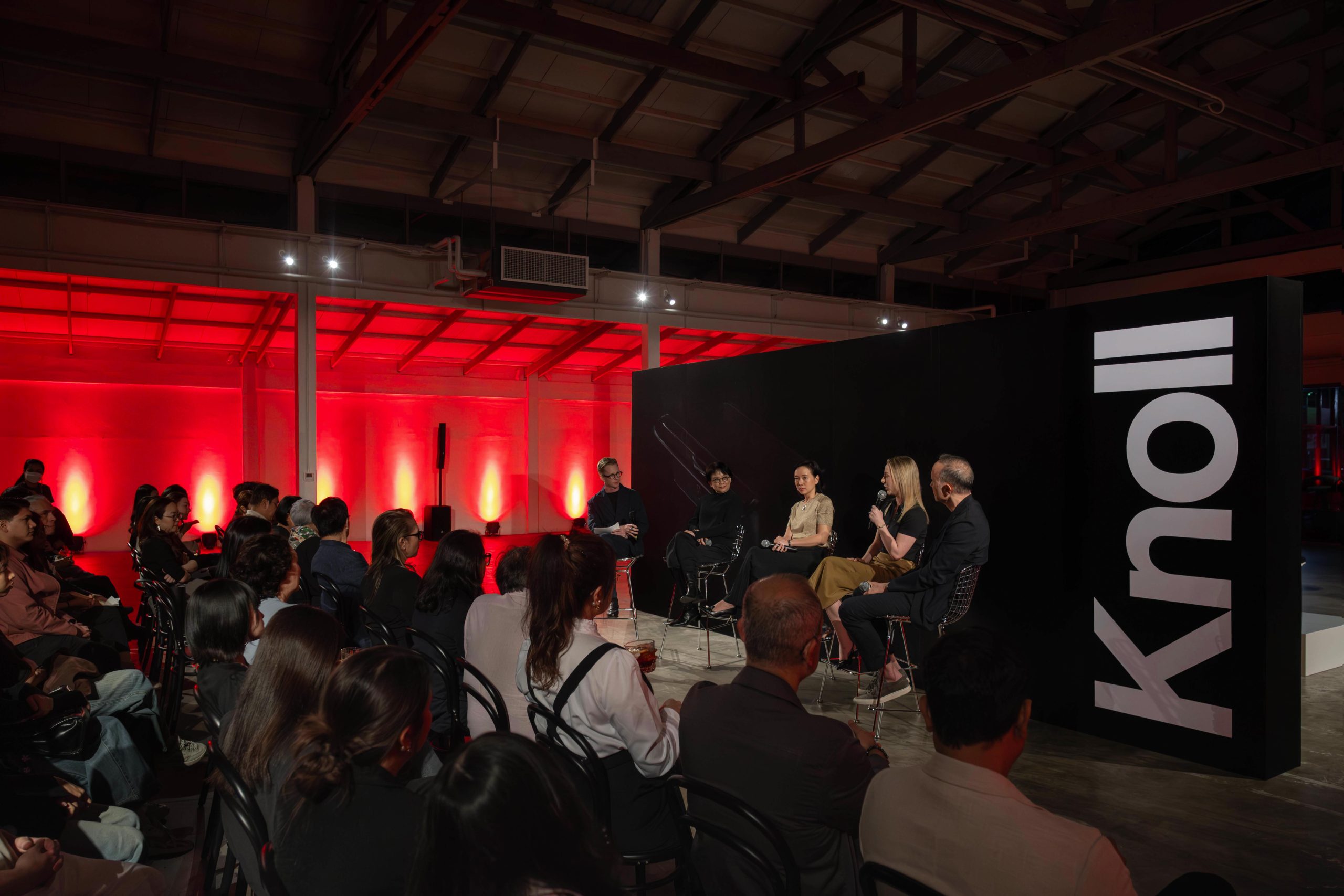
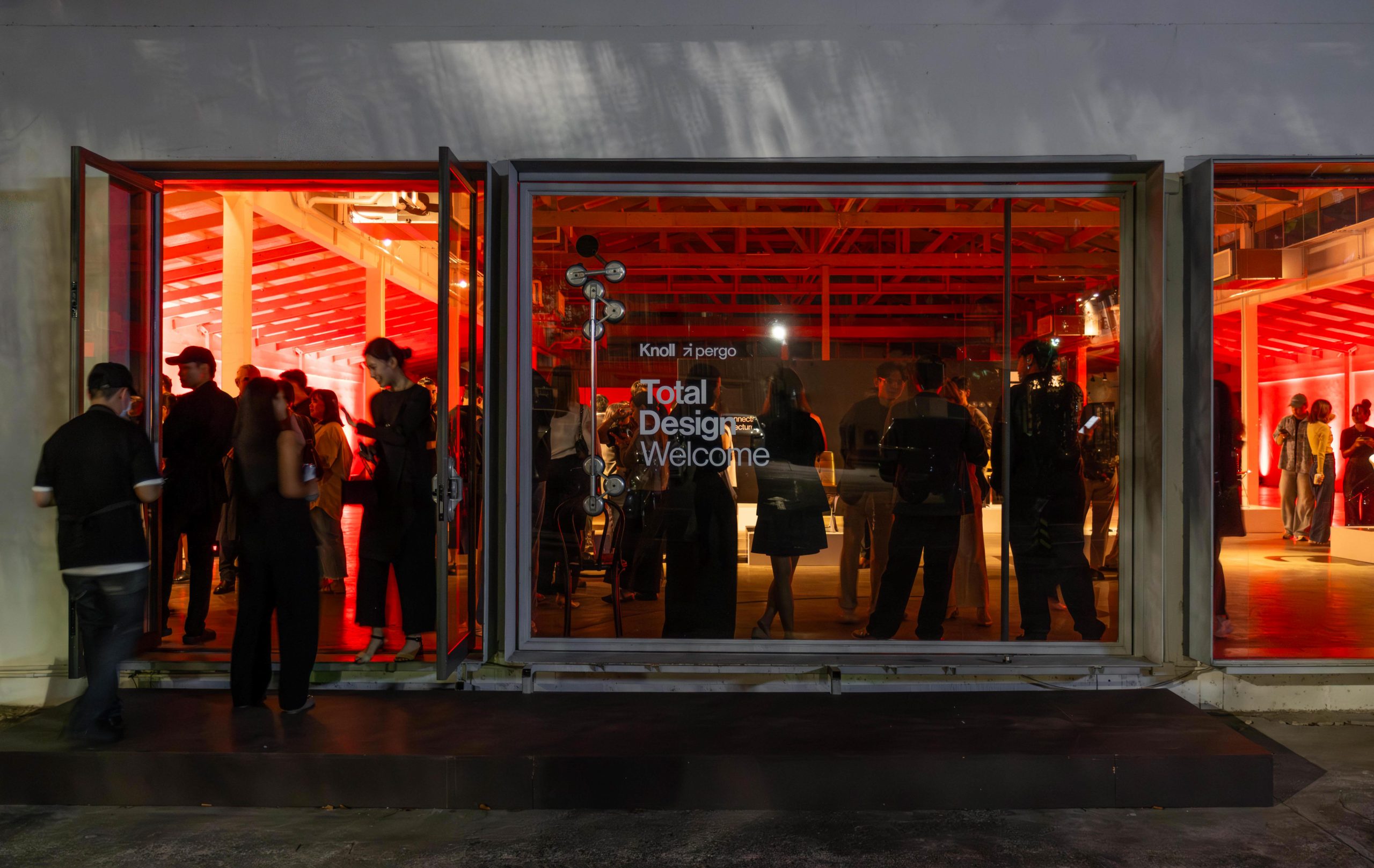
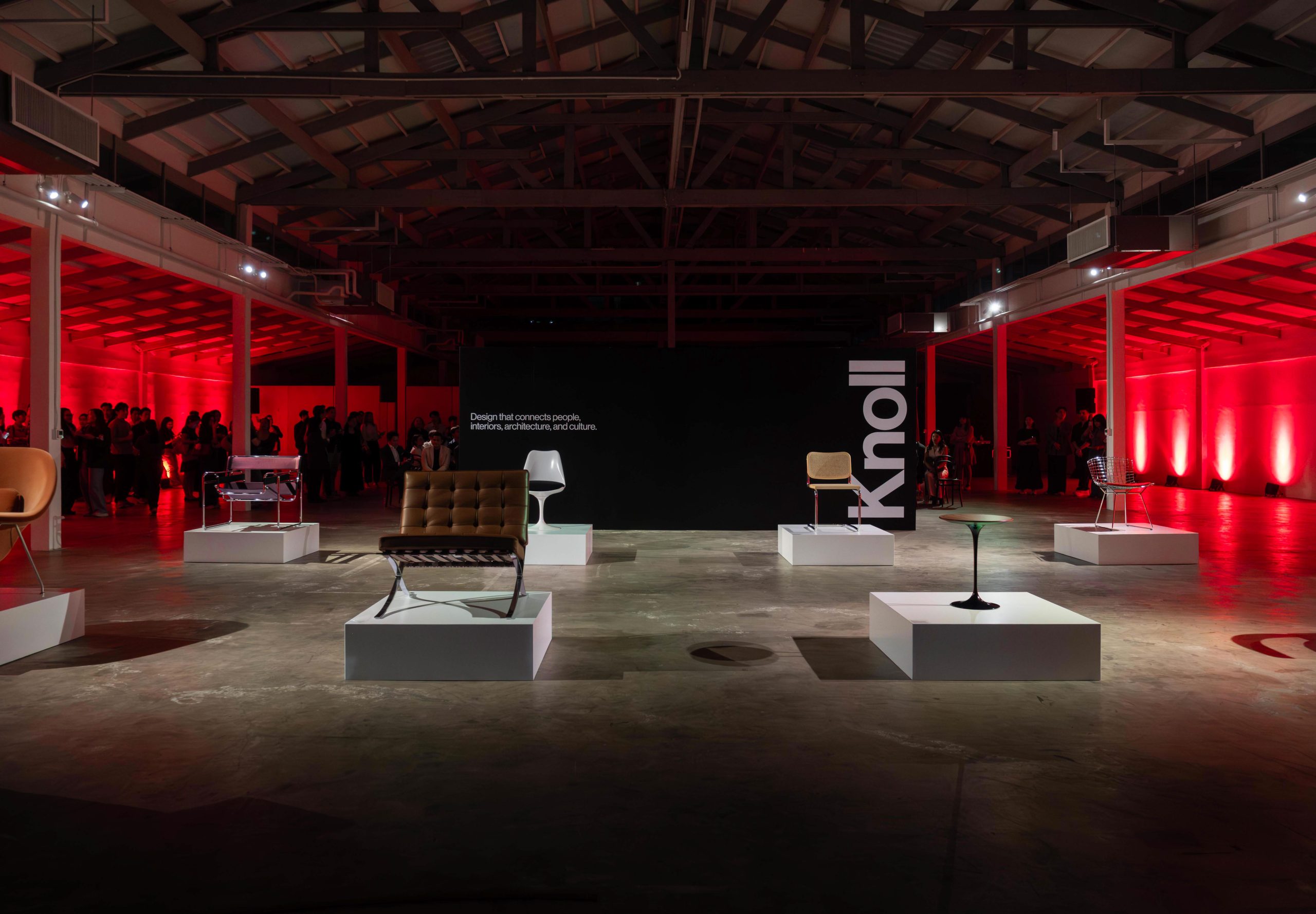
This idea anchored a recent panel hosted by Knoll in Bangkok, where designers and industry leaders gathered to revisit Total Design not as legacy, but as living practice. Now part of the MillerKnoll collective, Knoll remains uniquely positioned at the intersection of history and relevance — a brand that shaped modern interiors and continues to influence their evolution.
Florence Knoll and the Integrated Whole
Founded in New York in 1938, Knoll’s defining shift came in 1943 when Florence Knoll joined the firm. With an architectural education grounded in modernist rigor and systems thinking, she fundamentally reframed interior design.
Through the Knoll Planning Unit, she introduced what became known as Total Design — treating architecture, furniture, textiles, graphics, and spatial planning as inseparable parts of one system. Her “paste-ups” were not decorative collages but analytical tools that resolved form, function, and experience simultaneously.
The result was a decisive move away from decoration toward performance. Design became a service to the person inhabiting the space — and a strategic asset for organisations navigating growth and change.
Total Design Is Not a Look — It Is a Mindset
One of the most persistent misconceptions about Total Design is that it describes a visual language. In reality, it is a way of thinking — prioritising coherence over spectacle and clarity over trend.
Reflecting on Florence Knoll’s relevance today, Khun Sarinrath Kamolratanapiboon, Thailand CEO of dwp | design worldwide partnership, described Total Design as foundational:
“Florence Knoll was not just a historical figure — she was the original architect of the integrated mindset. Her belief that the building, the interior flow, and the chair you sit in are part of one continuous conversation still defines meaningful design today.”
As the built environment grows more layered and interdisciplinary, that mindset feels increasingly essential.
From Objects to Ecosystems
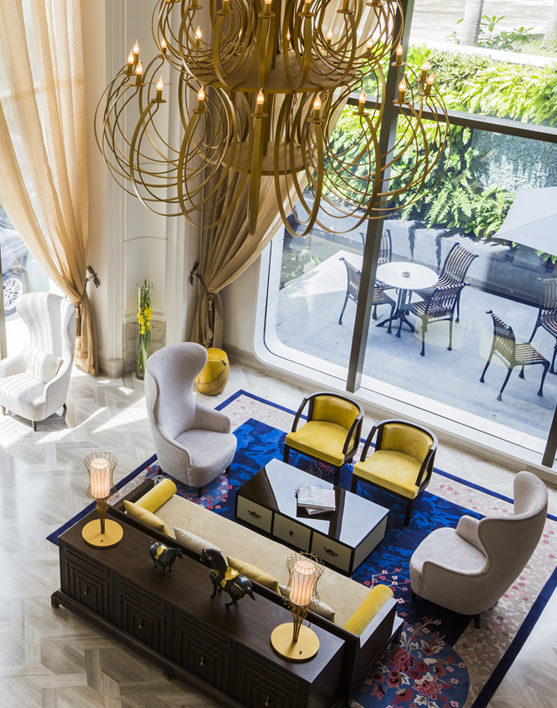
Total Design has evolved alongside the spaces it serves. Early applications focused on physical cohesion — furniture, finishes, and layout working in harmony. As organisations matured, it became a tool for spatial identity across workplace and hospitality environments.
Today, design operates at the scale of ecosystems. A space’s success is measured not only by how it looks, but by how it performs — acoustically, digitally, socially, and environmentally. Lighting, air quality, technology, and adaptability are now integral to experience rather than secondary considerations.
By conceiving environments as systems rather than collections of parts, Total Design offers a framework for navigating this complexity.
Bridging Vision and Reality
A recurring theme during the panel was the perceived tension between design ambition and commercial reality — a divide Total Design helps dissolve.
“We don’t see commercial realities and design vision as opposing forces,” Sarinrath noted. “Total Design becomes the bridge between them.”
Designing flexibility into architecture allows spaces to evolve without costly reconfiguration, while integrated planning reduces the friction that often arises when disciplines operate in silos.
“Total Design isn’t about being expensive,” she added. “It’s about being efficient. When architecture, furniture, textiles, and technology are designed as one organism, the entire system works better.”
Designing for the Hybrid Era
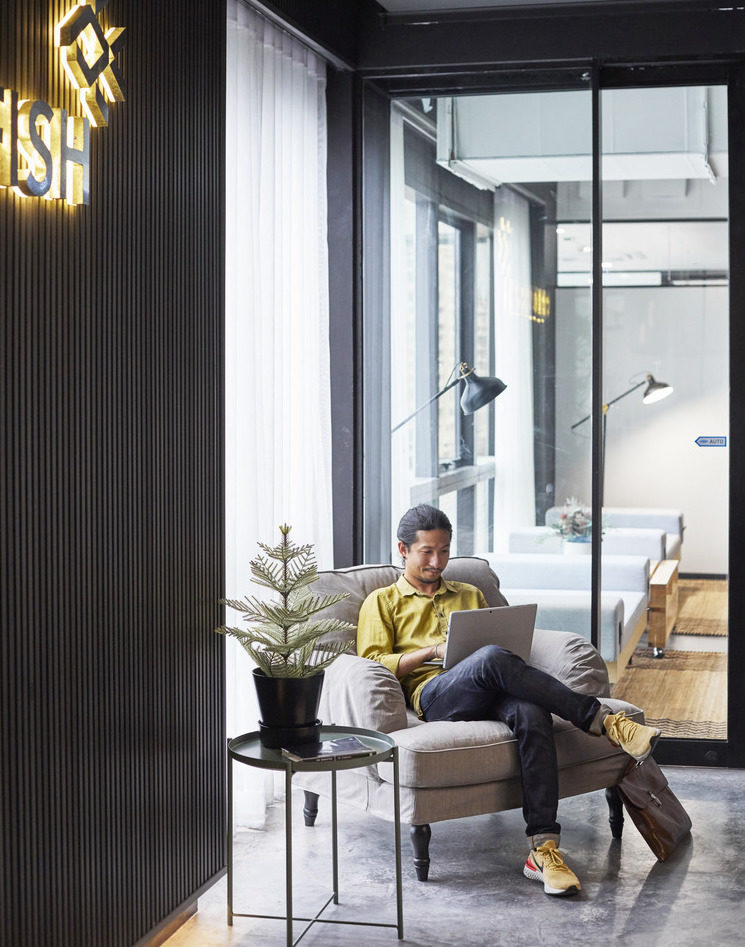
If Florence Knoll reshaped the post-war office, today’s designers face an equally transformative shift: hybrid, activity-based environments. Work is no longer tied to a single desk or location; spaces must support focus, collaboration, retreat, and social exchange — often simultaneously.
Here, Total Design proves remarkably contemporary.
“Design is ultimately a service to the person inhabiting the space,” Sarinrath reflected. “When architecture, furniture, and technology work as one, we don’t just build spaces — we create experiences.”
Rather than layering solutions onto fixed layouts, integrated design allows collaboration zones and focus areas to emerge naturally from the architecture itself.
Intelligence, Sustainability, and Longevity
While Florence Knoll relied on paste-ups, today’s designers extend Total Design through BIM, AI-assisted modelling, and digital twins — tools that simulate performance across time, cost, and use.
Yet technology alone does not define contemporary Total Design. Sustainability reframes it as a long-term responsibility.
“Timelessness is the ultimate sustainability strategy,” Sarinrath observed. “A space that doesn’t need to be demolished every five years because it feels dated is the greenest building possible.”
By prioritising longevity, adaptability, and material honesty, sustainability shifts from add-on to foundation.
Icons and Responsibility
Within a Total Design framework, iconic furniture is valued not for recognition but for contribution.
“An icon is a responsible choice only when it is the best tool for the job,” Sarinrath explained. “If a piece doesn’t contribute to the total experience, it doesn’t belong.”
This perspective treats design classics as high-performance instruments rather than symbolic gestures — reinforcing the importance of intentional placement.
Global Thinking, Local Intelligence
As design becomes increasingly global, Total Design offers a way to balance consistency with cultural specificity — aligning principles while allowing materials and craftsmanship to shape expression.
Reflecting on Florence Knoll’s legacy in Thailand, Sarinrath suggested she would challenge designers to move beyond surface references:
“She would push us to use local materials not as accents, but as structure — to take Thai craftsmanship and apply it with precision and discipline.”
Here, Total Design becomes a bridge between global modernism and local identity.
An Enduring Framework
As the panel concluded, one idea resonated clearly: Total Design is not a historical chapter, but a continuing conversation.
“Total Design is not about control,” Sarinrath concluded. “It’s about clarity — creating a system where every part belongs to the whole.”
From Florence Knoll’s Planning Unit to today’s intelligent environments, Total Design remains a powerful framework for relevance. In a world defined by complexity, it offers something increasingly rare: coherence.

Tags: Abu dhabi, Agile workspace, Archi, Architect, Architecture, Artist, Asia, Bangkok, Bar, BIM, Blog, Boutique, Business, Civic, Construction, Content, Creativity, Culture, Design, Designer, Digital, Digital technology, Digital transformation, Digitisation, Drink, Dubai, Education, Experience, F&B, Food, Future, Health, Hicap, Ho chi minh, Hospitality, Hotel, Hotel design, Information, Innovation, Interior, Interior design, Interior designer, Interview, Knowledge, Lebua, Lifestyle, Luxury, Luxury design, Luxury interior, Marriott, Profile, Residential, Restaurant, Saigon, Sky, Studio, Success, Sustainibility, Tech, Technology, Thailand, Trends, Video, Vietnam, W hotel, Women