Three decades of promised transformation. One genuine shift.
by Scott Whittaker, Group Creative Director, dwp
The architecture industry has a pattern. A new technology arrives, accompanied by claims that everything will change. Then everything stays largely the same.
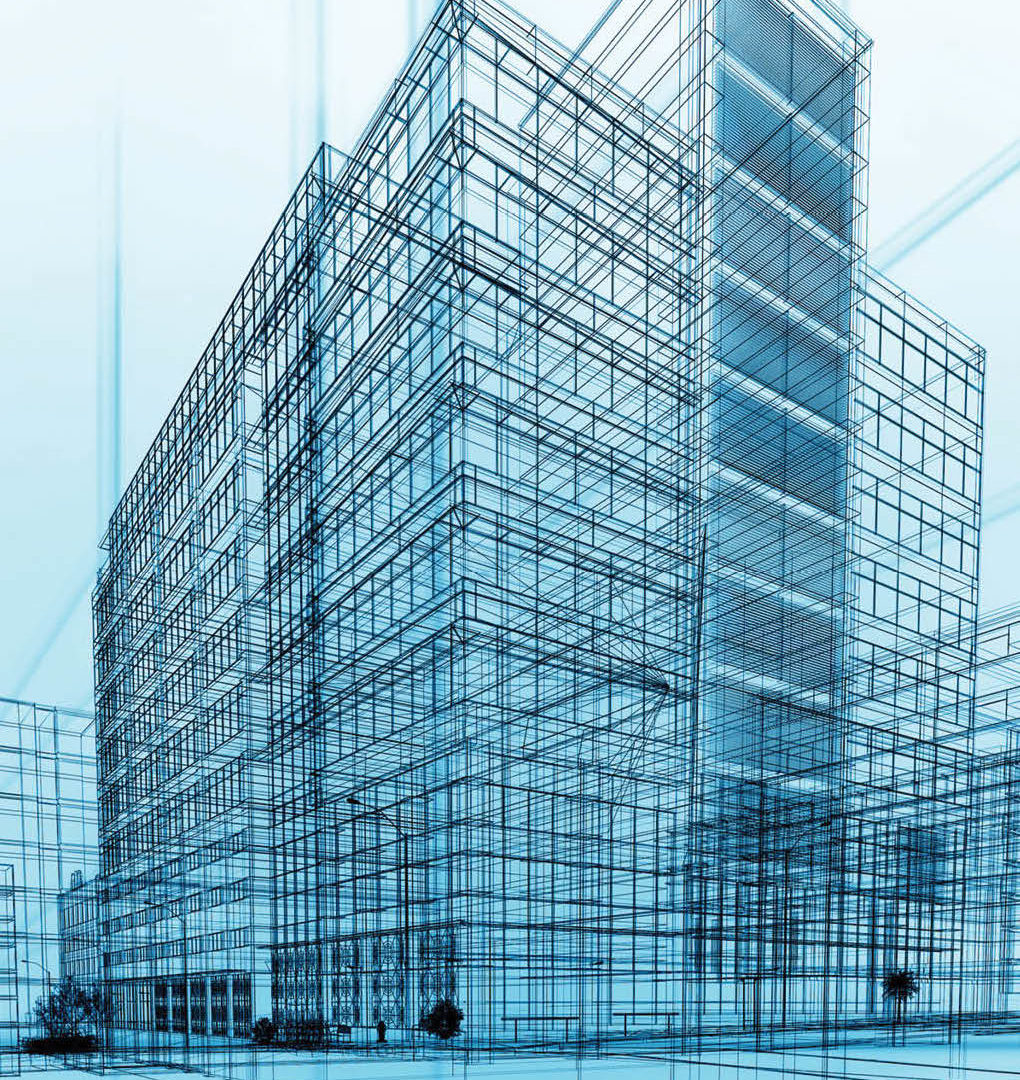
CAD replaced the drawing board in the 1980s and 1990s. The promise was liberation from the mechanical constraints of hand drafting. What actually happened was that the same design thinking migrated onto screens. Lines were drawn faster; buildings were not designed differently.
BIM followed in the 2000s. Building Information Modelling offered a genuinely new paradigm — a single coordinated model containing geometry, materials, systems, and scheduling. The coordination improved. The clash detection improved. The quality of architecture did not improve at the same rate as the quality of the documentation. BIM became, for most practices, an extraordinarily sophisticated production tool.
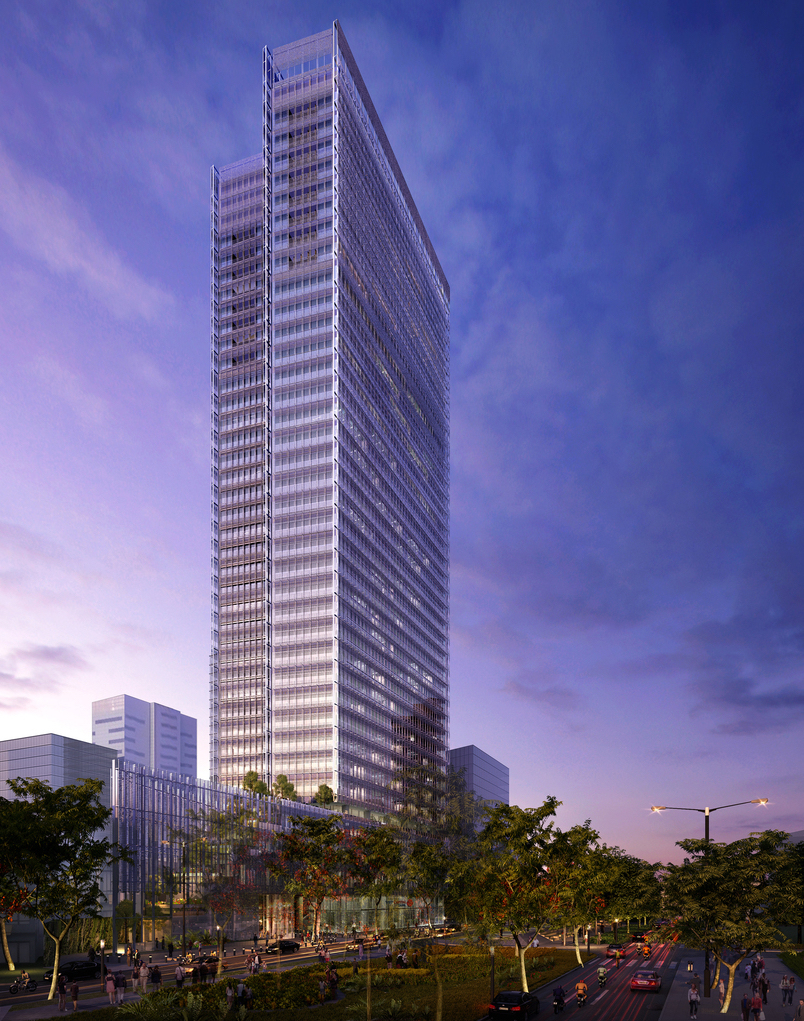
Rendering technology underwent its own revolution. Real-time visualisation, path tracing, virtual reality walkthroughs. Clients could see buildings before they were built with photographic accuracy. But a rendered image of a mediocre building is still a mediocre building.
Each of these tools changed the means of production. None changed the means of thinking.
This is where artificial intelligence diverges from the pattern. For the first time, the technology operates at the conceptual level. Large language models and generative systems do not merely execute instructions — they engage with design problems. They iterate. They propose alternatives. They surface relationships between programme, precedent, and performance that a human designer might take weeks to identify.
This is not to suggest that AI designs buildings. It does not. Design remains an act of judgement — of weighing competing demands, reading cultural context, making spatial decisions that machines cannot evaluate. But AI can hold more variables in play simultaneously than any individual or team. It can test a hundred configurations while a designer tests five. It can retrieve relevant precedent from three decades of project archives in the time it takes to open a folder.
The distinction matters. Previous technology waves automated the downstream activities of design — drawing, modelling, rendering. AI augments the upstream activities — briefing, analysis, concept development, option generation. It works where the decisions have the greatest impact on the final outcome.
This is why the conversation has shifted from whether AI will affect design practice to how quickly firms will integrate it. The firms that treat AI as another software upgrade — something to be adopted when it becomes unavoidable — will find themselves competing against practices where intelligent systems are embedded in the design process from the first client conversation.
The infrastructure for this integration does not build itself. It requires investment in platforms, in data architecture, in training, and in the organisational change that allows designers to work alongside intelligent tools rather than merely using them. It requires clarity about what the technology does well and where human judgement remains irreplaceable.
At dwp, this work has been underway for eighteen months. The platform is called dwp.intelligence, and the subsequent posts in this series will explain what it does, how it works, and what it means for the projects we deliver.
But first, the essential point: this moment is different because the technology has finally reached the part of the process that matters most.
If you’d like to discuss what AI-native design practice means for your next project, I welcome the conversation. Reach me at scott.w@dwp.com
Tags: Abu dhabi, Agile workspace, Archi, Architect, Architecture, Artist, Asia, Bangkok, Bar, BIM, Blog, Boutique, Business, Civic, Construction, Content, Creativity, Culture, Design, Designer, Digital, Digital technology, Digital transformation, Digitisation, Drink, Dubai, Education, Experience, F&B, Food, Future, Health, Hicap, Ho chi minh, Hospitality, Hotel, Hotel design, Information, Innovation, Interior, Interior design, Interior designer, Interview, Knowledge, Lebua, Lifestyle, Luxury, Luxury design, Luxury interior, Marriott, Profile, Residential, Restaurant, Saigon, Sky, Studio, Success, Sustainibility, Tech, Technology, Thailand, Trends, Video, Vietnam, W hotel, Women