The Studio Floor Has Changed
What AI-assisted design workflows look like in practice.
Scott Whittaker, Group Creative Director, dwp
The conversation about AI in architecture tends toward the abstract. Capability expansion. Paradigm shifts. Intelligent systems. What often goes unaddressed is the practical question: what does a Monday morning in a design studio actually look like when AI is embedded in the process?
At dwp, the answer varies by studio and by project type, but certain patterns have emerged over the past year.
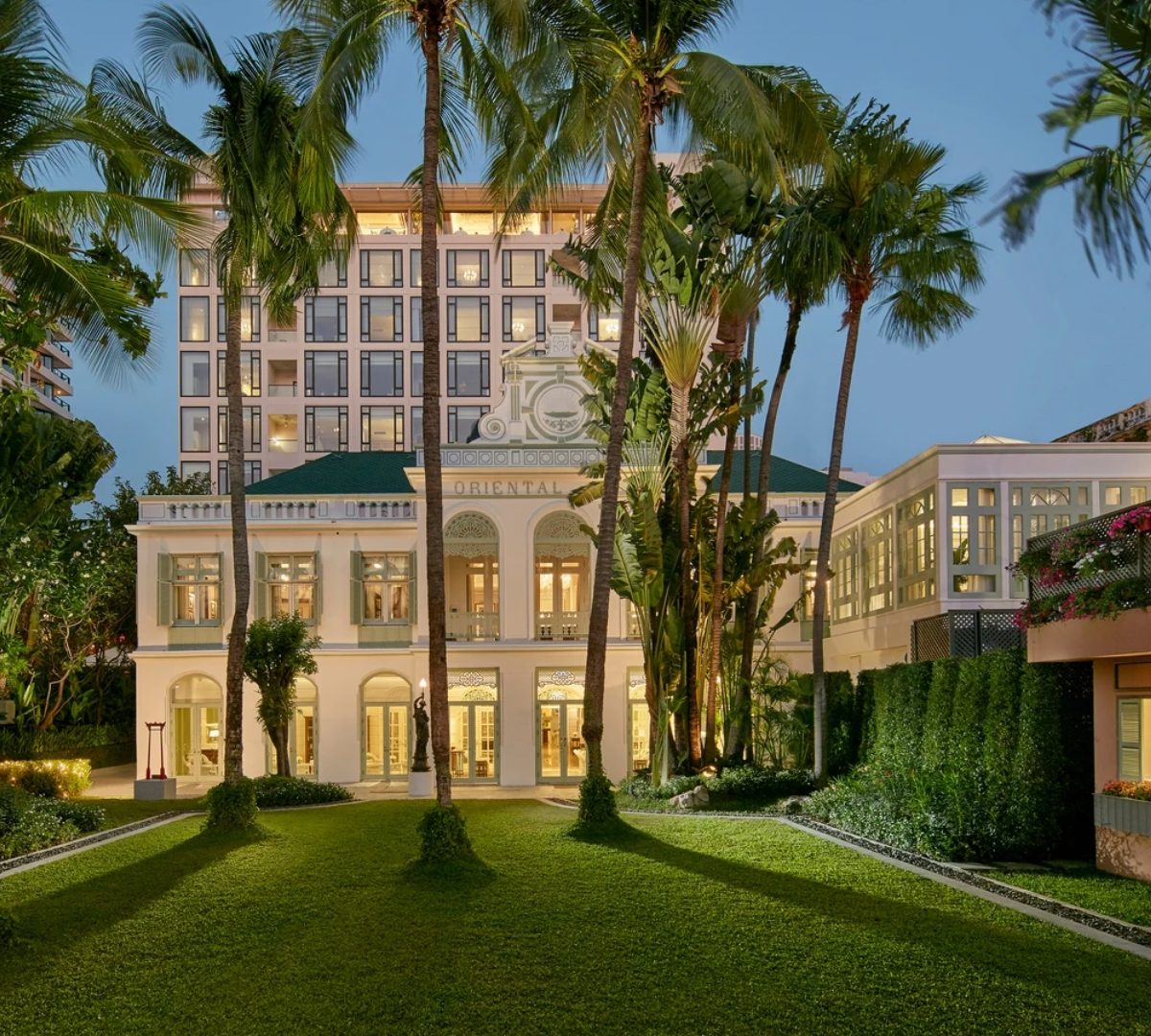
The most immediate change is in concept development. A hospitality design team in Bangkok, working on a resort brief, no longer begins with a blank page and a set of precedent images pinned to a board. The team begins with a structured brief that has already been analysed by the dwp.intelligence platform — cross-referenced against comparable projects, flagged for potential conflicts between programme elements, and populated with spatial benchmarks drawn from the practice’s project archive.
The designer still drives the concept. But the starting point is informed rather than instinctive. The difference is analogous to a journalist who begins with a well-researched brief versus one who begins with a hunch. Both may produce good work. One begins with better material.
The second change is in iteration speed. Design is inherently iterative — a cycle of proposing, testing, refining, and proposing again. AI compresses this cycle. Options that would have taken a week of studio time to develop, present, and evaluate can now be explored in a day. This does not mean the design is complete in a day. It means the designer reaches the point of informed decision-making faster, with more options evaluated and more data to support their judgement.
The third change is in cross-studio collaboration. dwp operates across ten studios spanning Asia, the Middle East, and Europe. Previously, sharing knowledge between studios was largely informal — a conversation in a corridor, a reference sent by email. The intelligence layer makes institutional knowledge available to every designer in every studio simultaneously. A workplace design team in Dubai can draw on insights from a healthcare project in Manila without knowing to ask for them. The system surfaces relevance.
The fourth change is in client interaction. Early-stage design conversations have traditionally relied on plans, sections, and rendered images — static representations of three-dimensional spaces. AI-assisted tools now allow clients to engage with spatial proposals in more intuitive ways at the concept stage, before significant design investment has been committed.
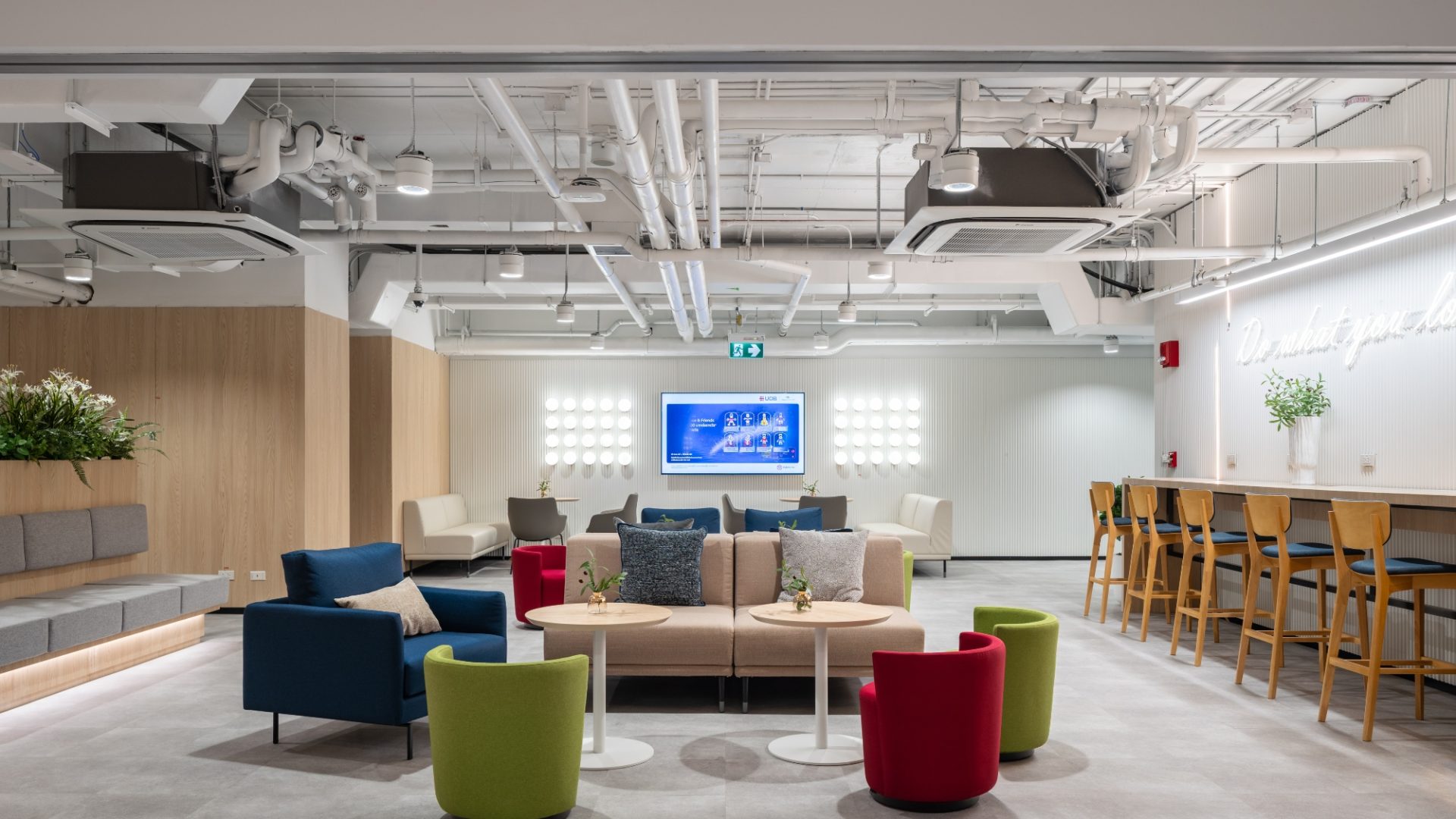
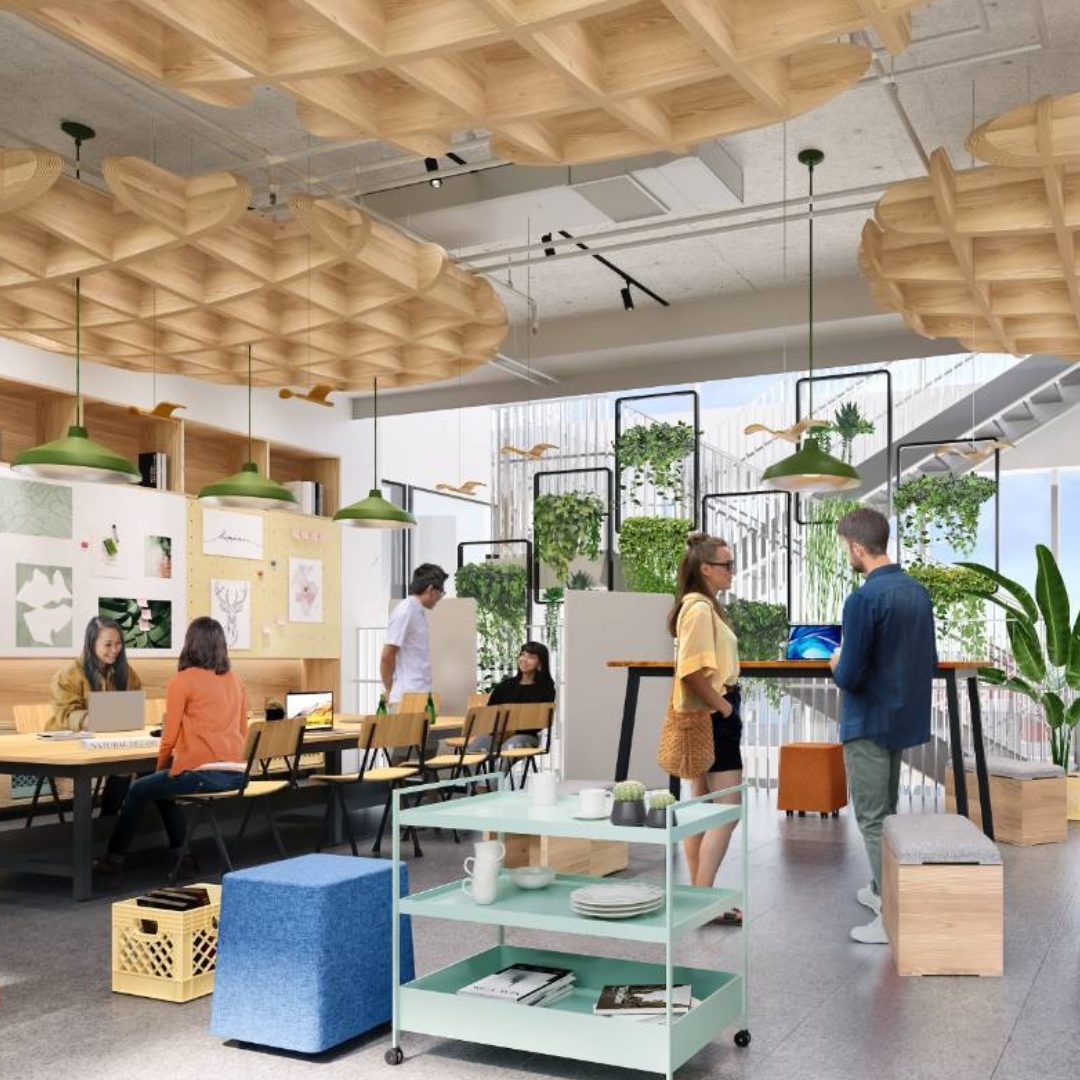
None of this has replaced the core activities of design. Architects still sketch. Designers still build physical models. Teams still gather around tables to discuss what is and is not working. The studio remains a place where ideas are tested through conversation, critique, and the accumulated experience of the people in the room.
What has changed is the quality of the material those conversations draw upon. The decisions are better informed. The options are more thoroughly explored. The institutional knowledge is more accessible.
The daily reality is less dramatic than the headlines suggest. It is not a revolution on the studio floor. It is an elevation of the baseline — a higher starting point for every project, every brief, every design conversation.
Interested in seeing AI-assisted design workflows first-hand? Our studios are open to clients and collaborators. Contact us at dwp.com or reach me directly at scott.w@dwp.com
Tags: Abu dhabi, Agile workspace, Archi, Architect, Architecture, Artist, Asia, Bangkok, Bar, BIM, Blog, Boutique, Business, Civic, Construction, Content, Creativity, Culture, Design, Designer, Digital, Digital technology, Digital transformation, Digitisation, Drink, Dubai, Education, Experience, F&B, Food, Future, Health, Hicap, Ho chi minh, Hospitality, Hotel, Hotel design, Information, Innovation, Interior, Interior design, Interior designer, Interview, Knowledge, Lebua, Lifestyle, Luxury, Luxury design, Luxury interior, Marriott, Profile, Residential, Restaurant, Saigon, Sky, Studio, Success, Sustainibility, Tech, Technology, Thailand, Trends, Video, Vietnam, W hotel, Women