The Hospitality Mind
Why every building now thinks like a hotel and what it means for the people who design them.
There is a moment that occurs in the best hotels, a pause before arrival that guests rarely notice but always feel. The doorman has been watching. The temperature in the lobby has been set. The scent is considered, the light is warm but not soft, and every surface within sight has been chosen to signal one thing: you are expected here. This is not hospitality in the colloquial sense. It is spatial choreography. And over the past decade, it has quietly become the operating standard for every serious building on earth.
“The most powerful spaces today are not those that impress at first glance, but those that anticipate before they are even understood. That is the shift, from reaction to intuition in design,” says Scott Whittaker.
The migration of five-star operating logic into workplaces, residences and retail is one of the defining spatial shifts of our time. It is not about luxury. It is not about hotels becoming offices or offices becoming hotels. It is about something more structural: the adoption of a particular discipline; anticipatory, curated, emotionally considered, as the baseline expectation for any environment that intends to hold people’s attention.
Anticipation, curation and emotional calibration have become the default design language. Not across the hospitality sector, across every sector.
The great convergence
For most of the twentieth century, building typologies operated in isolation. Hotels catered. Offices produced. Retail sold. Residences sheltered. Each sector maintained its own vocabulary, its own logic of use. The categories were distinct enough that a student of architecture could identify a building’s programme from its façade, its plan, its section. Function was legible.
What dissolved those boundaries was not a single design movement but a series of pressures arriving at once: the experience economy, the competition for talent, the algorithmic disruption of retail, and the post-pandemic renegotiation of what any environment owes the people inside it. Each sector, confronting its own existential question, arrived at the same answer. The answer was hospitality.
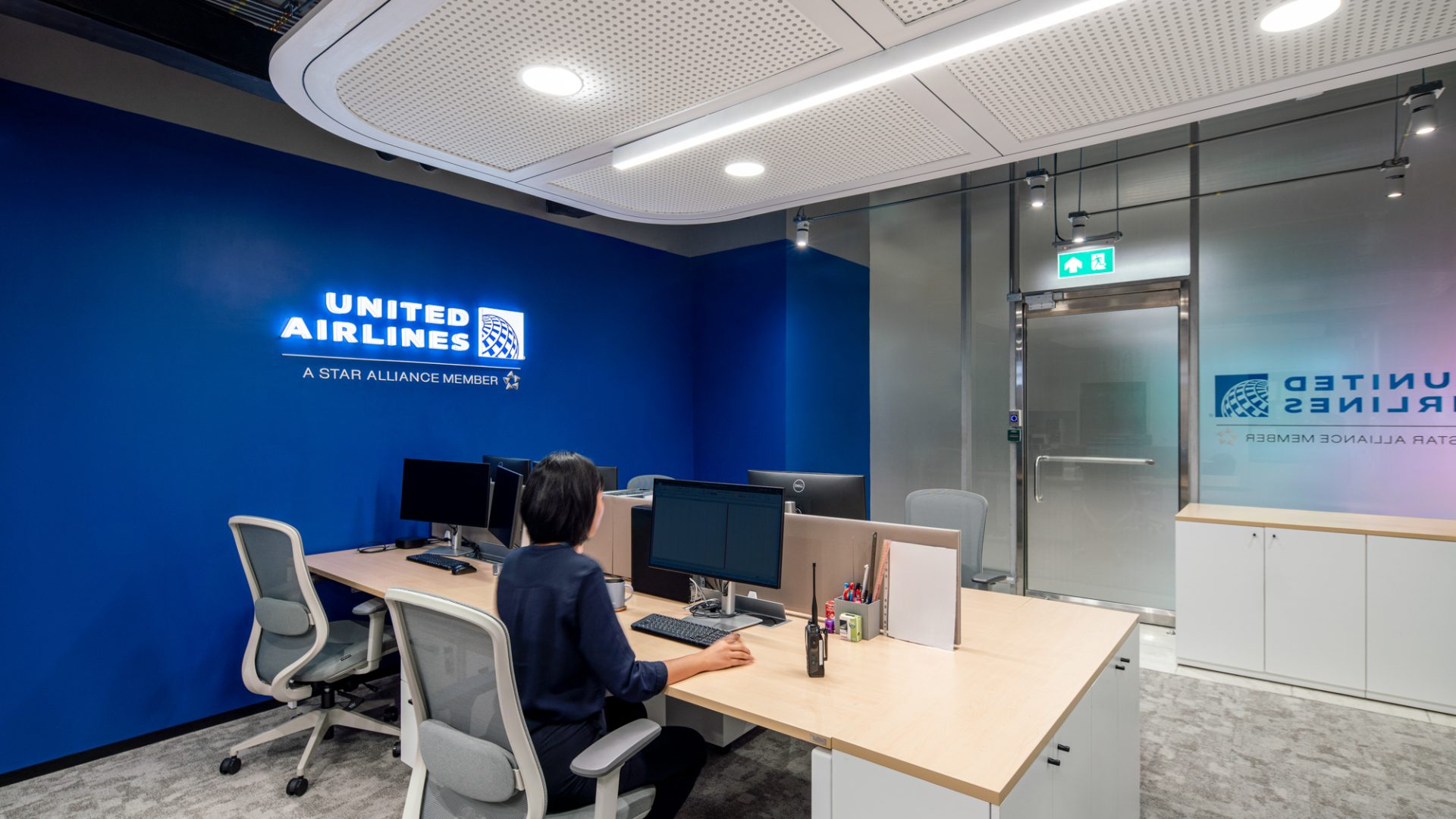
The workplace asked: why would anyone commute for a lesser experience than they have at home? The response was to design for arrival, for membership, for service. The residence asked: what separates a premium apartment from a commodity one? The response was amenity, programming and the managed sense of being looked after. Retail asked: why come here when everything is available online? The response was sensation, chance encounter, the theatre of the physical; all things the hotel lobby has practised for a century.
The operating principle: every building that competes for human attention must now answer the question the hotelier has always answered; what is the feeling we are producing, and how does every decision in this environment serve it?
Three pillars of the hospitality mind
The hospitality mind is not a style. It cannot be applied with a material palette or delivered by installing a coffee bar. It is a discipline built on three interlocking commitments, embedded at the earliest stage of design and maintained through every operational decision that follows.
Anticipation is the first. The well-run hotel does not wait for guests to express a need. It identifies the need and removes the friction before the guest is aware of it. In spatial terms, this means designing for the journey before the arrival: the approach, the threshold, the moment of orientation. It means understanding that the first thirty seconds inside any environment sets the register for everything after it. Workplace design teams now use the language of guest journey mapping. Residential developers commission experience architects alongside interior designers. Retailers plan for mood states, not just footfall.
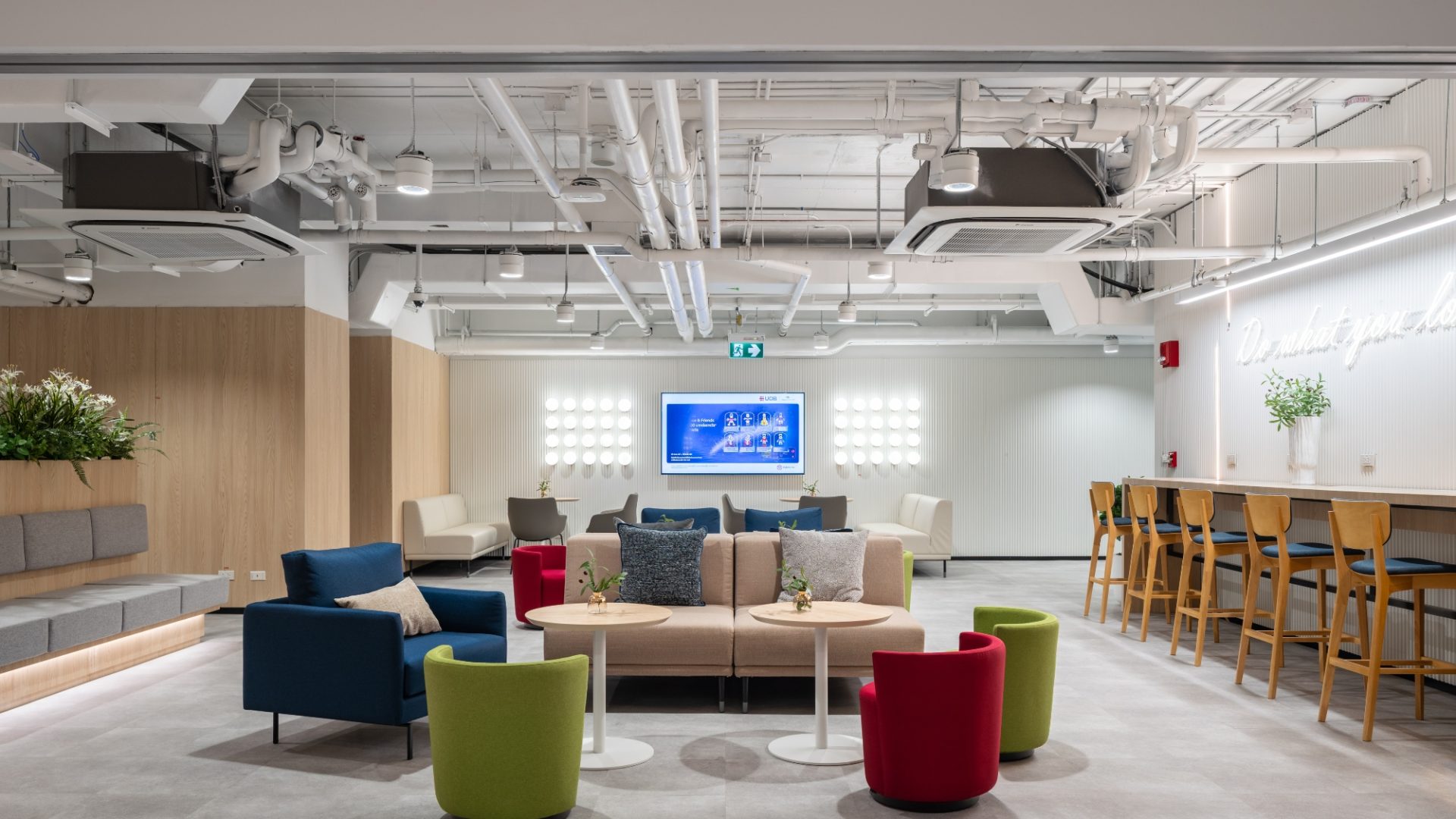
Curation is the second. Hospitality environments do not accumulate, they edit. Every element present has survived a deliberate selection. The art on the wall, the sound in the lobby, the weight of the napkin: each is there because it advances a singular sense of place. This logic has moved firmly into the workplace, where generic environments have given way to spaces with a declared identity, a personality, a position. The strongest residential projects now curate their landscaping, their programming, their food and beverage with the discipline of a considered hotel. The retail flagships that endure are those that operate as galleries as much as shops.
Emotional calibration is the third, and the most exacting. The hospitality mind recognises that people move through a building in different states, and that the environment must respond accordingly. The lobby activates. The bar decelerates. The corridor between meeting rooms provides a moment of decompression. In the hotel, this sequencing is integral to the architecture. In the sectors that have absorbed hospitality thinking, it is being introduced deliberately and it is changing how designers think about sequence, threshold and the emotional arc of occupation.
Sector by sector
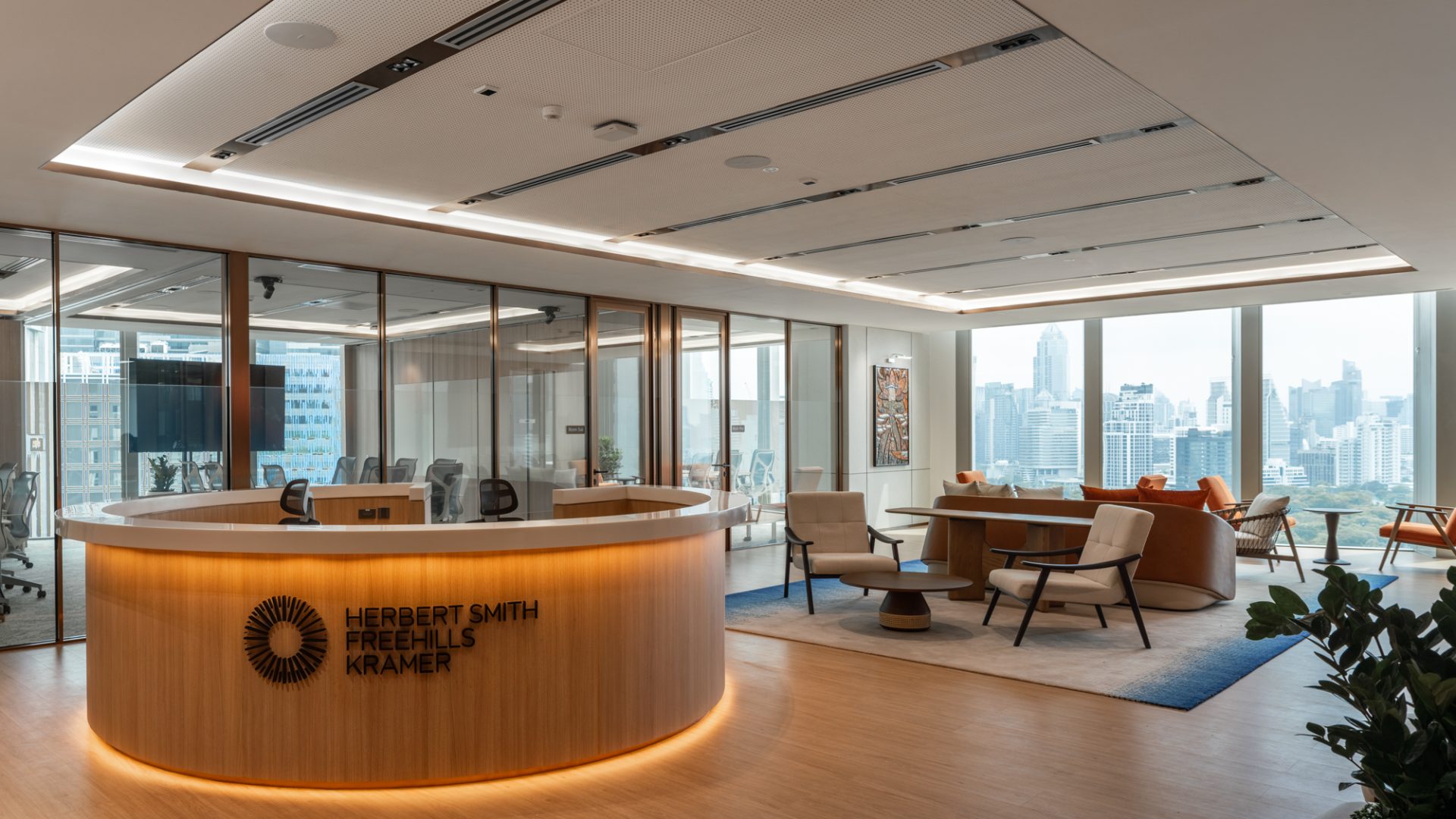
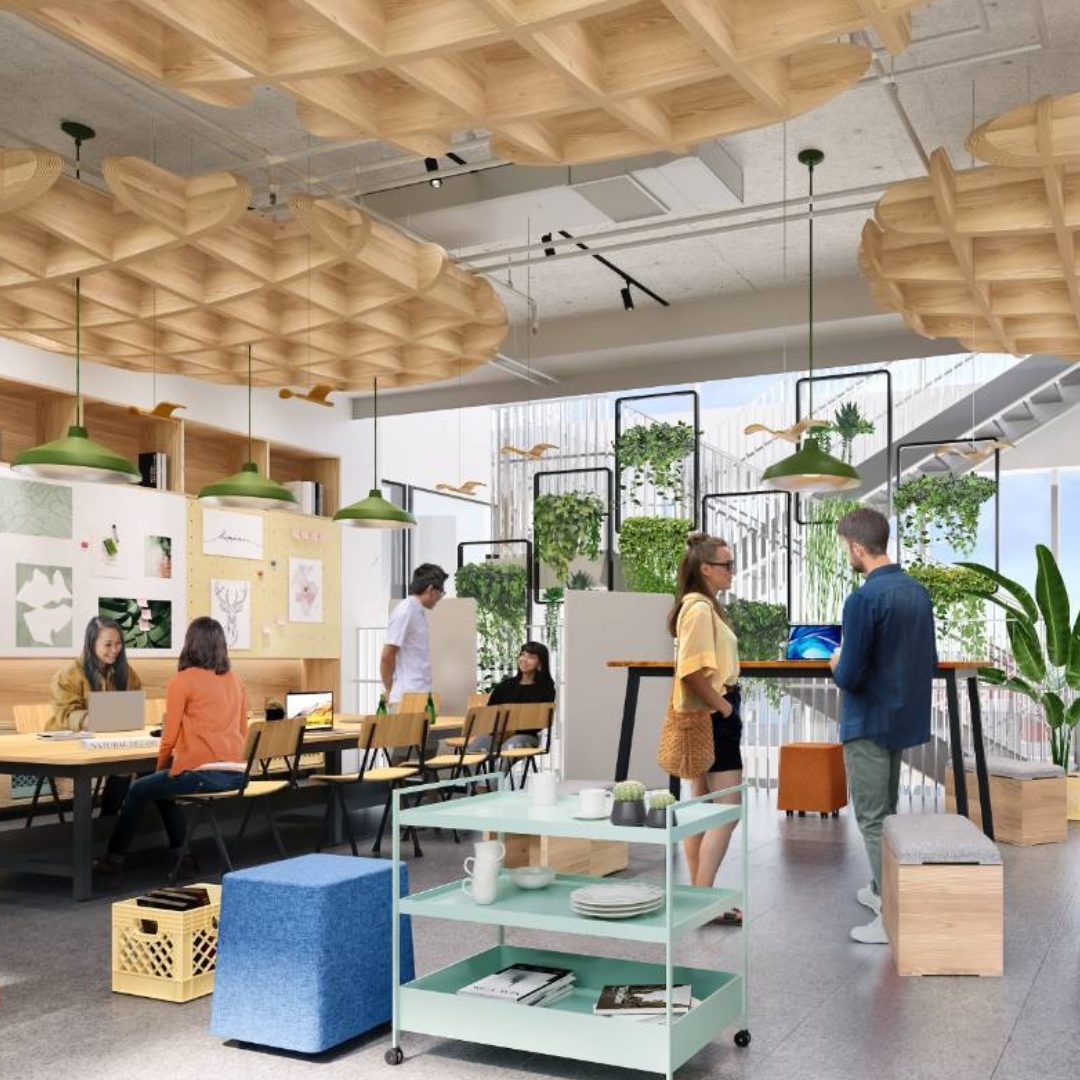
Workplace — From productivity machine to membership club The office now competes with the home. Its response has been to adopt the hotel’s language of arrival, belonging and curated sociality, designing not for output but for the desire to be present.
Residential — From shelter to managed experience Premium living has imported the hospitality model wholesale: concierge services, programmed amenities, branded common spaces. The home is repositioned as a lifestyle product, not accommodation.
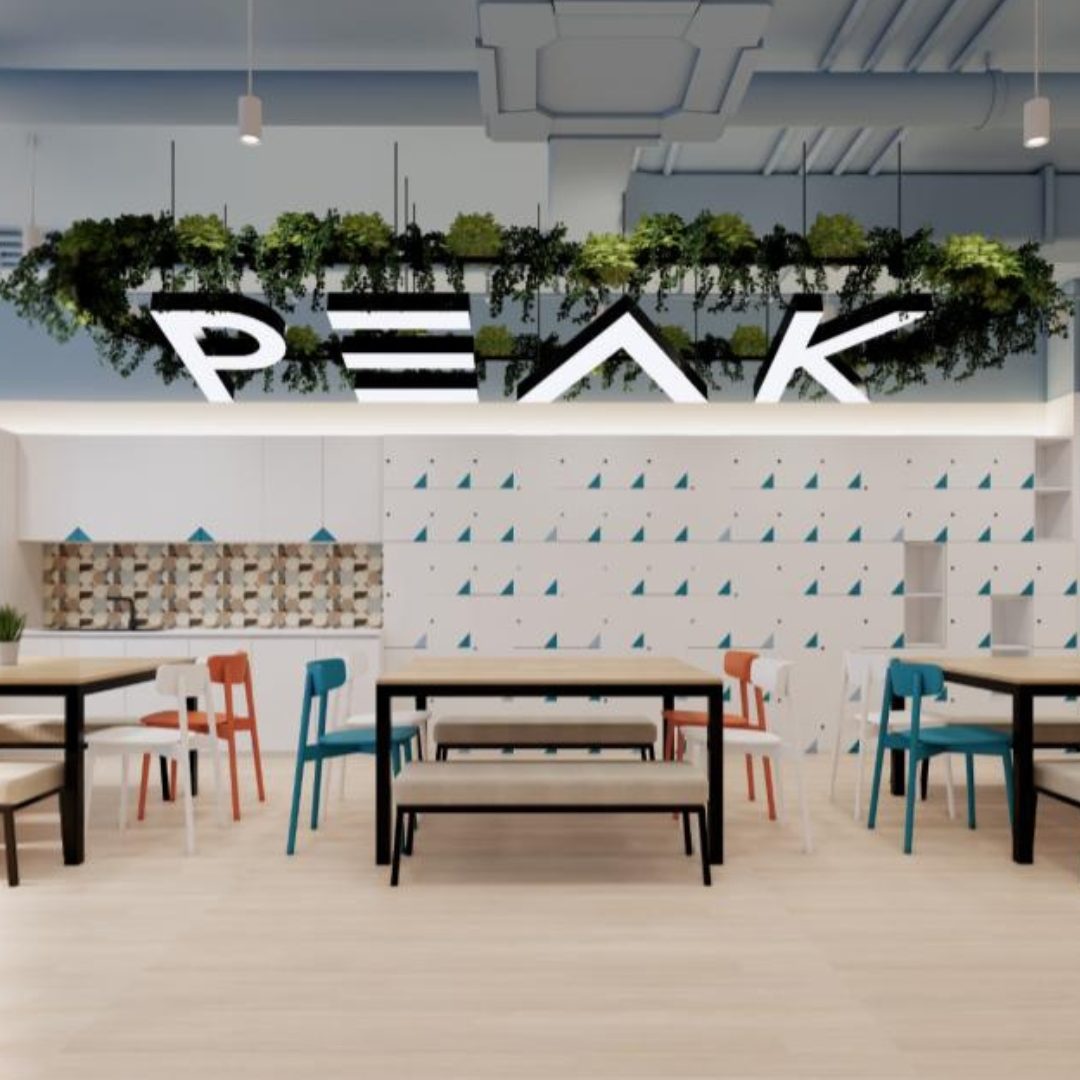
Retail — From transaction to theatre The physical store survives only as a destination worth choosing. Its operating logic is experiential; part showroom, part gallery, part hospitality venue, where the visit itself is the offer.
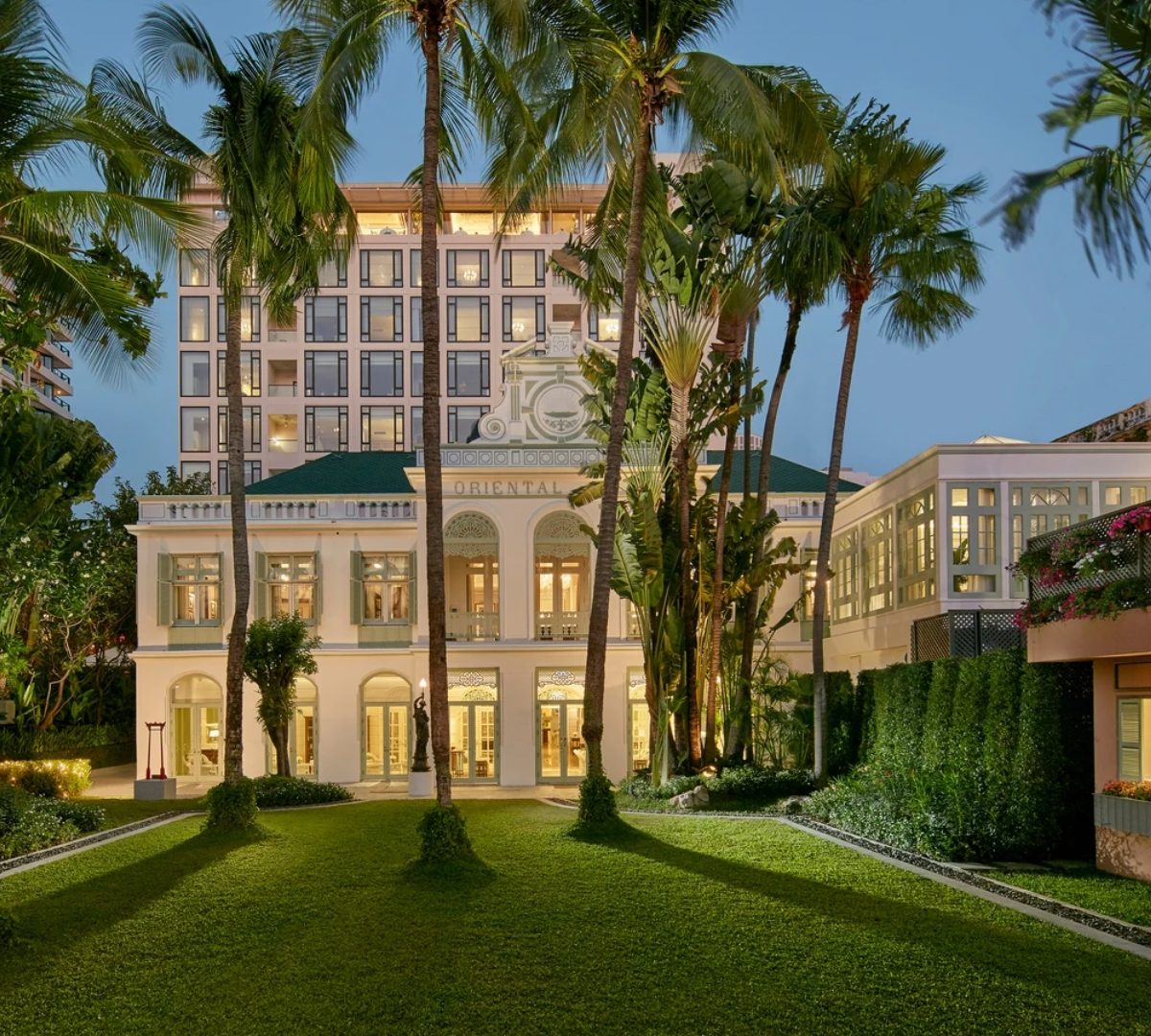
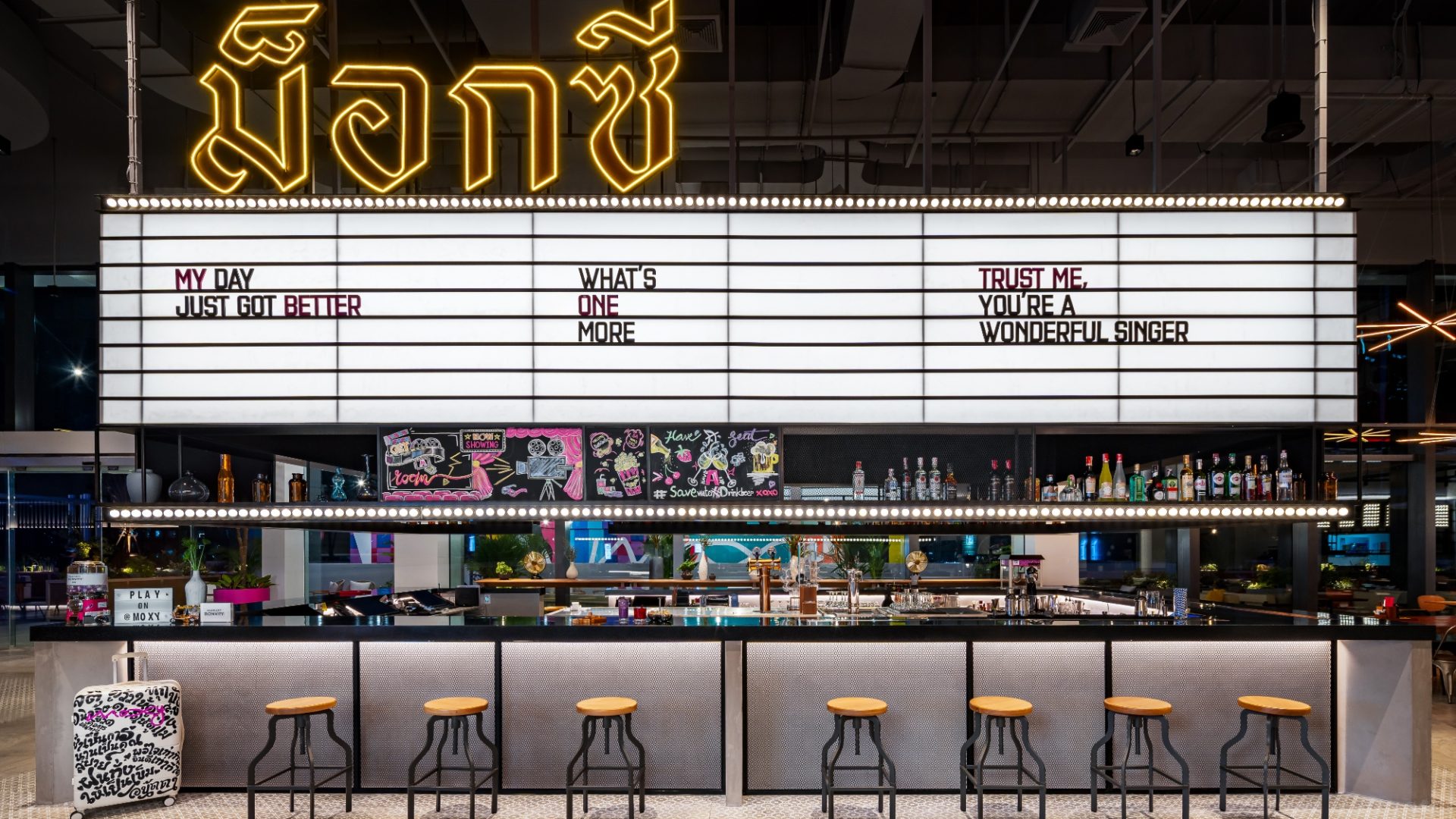
Hospitality — The original, now reinventing itself again. Having exported its model across sectors, hospitality faces pressure to exceed its own standards, integrating locally embedded culture with the operational consistency guests now expect everywhere.
What this demands of designers
The hospitality mind imposes a discipline that many design practices have not yet fully absorbed. It requires working upstream, into strategy, into brand definition, into a client’s operating model, before a single line is drawn. It requires asking not just how a space will look, but how it will feel at eight in the morning, at noon, at six in the evening. It requires accepting that the material and the service are inseparable.
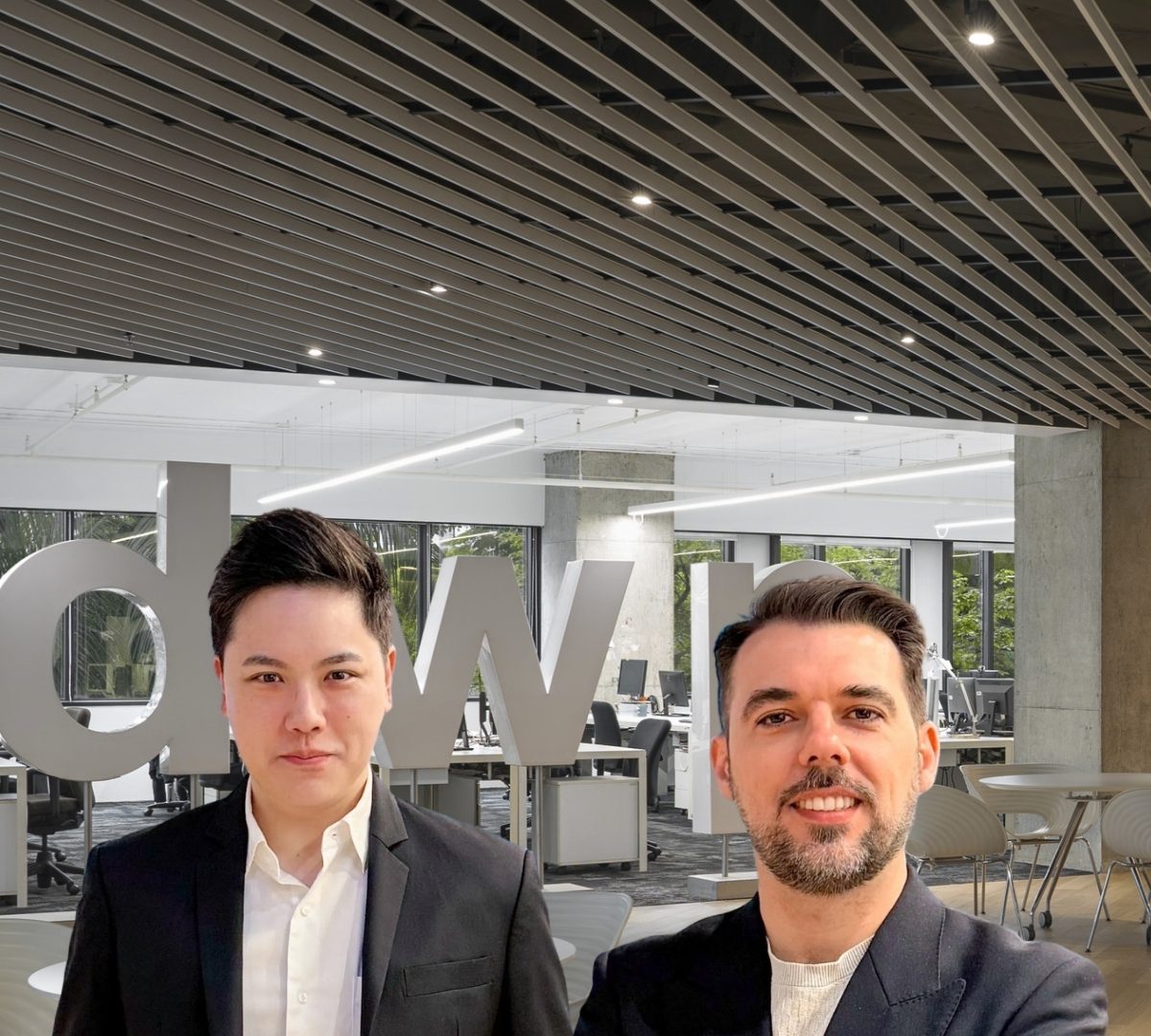
For a practice like dwp., which works across workplace, hospitality, residential and retail simultaneously, this convergence is not a theoretical observation. It is the daily reality of the studio. Clients arrive from different sectors but increasingly present the same brief: we want our people (or our residents, or our customers) to feel that this environment was designed for them. They want anticipation. They want curation. They want the calibration that makes a space feel less like a building and more like a host.
“The role of the designer has expanded beyond space-making into experience-making. We are no longer shaping environments alone, we are shaping behaviours, expectations, and ultimately, how people feel over time,” adds Scott Whittaker.
The designer who understands only aesthetics, who can specify materials and arrange volumes, is no longer sufficient for this work. The hospitality mind demands spatial literacy and service literacy in equal measure. Every design decision is also an operational decision, and the distance between the two is where the experience is either made or lost.
This is, in the end, an expansion of what design means. The hospitality sector has always understood it. Every other sector is now learning it. And the practices positioned to lead are those that hold both; the discipline of craft and the intelligence of service, at the same time.
The distance between the design decision and the operational decision is where the experience is either made or lost.
The hotel has always been architecture’s most demanding brief. It insists on beauty and function and feeling simultaneously, across twenty-four hours, across years of continuous use. It tolerates no gap between the promise of the rendering and the reality of the stay. In asking every building to meet that standard, the world has not lowered the expectation. It has raised everyone else’s.
The hospitality mind is not where design is heading. It is where design has arrived.
Tags: Abu dhabi, Agile workspace, Archi, Architect, Architecture, Artist, Asia, Bangkok, Bar, BIM, Blog, Boutique, Business, Civic, Construction, Content, Creativity, Culture, Design, Designer, Digital, Digital technology, Digital transformation, Digitisation, Drink, Dubai, Education, Experience, F&B, Food, Future, Health, Hicap, Ho chi minh, Hospitality, Hotel, Hotel design, Information, Innovation, Interior, Interior design, Interior designer, Interview, Knowledge, Lebua, Lifestyle, Luxury, Luxury design, Luxury interior, Marriott, Profile, Residential, Restaurant, Saigon, Sky, Studio, Success, Sustainibility, Tech, Technology, Thailand, Trends, Video, Vietnam, W hotel, Women