The Future Workplace, UAE
Across the UAE—and increasingly in Saudi Arabia—the workplace has emerged as one of the most strategic instruments of organisational performance. Far from the global narrative of the “death of the office,” the Gulf region is experiencing unprecedented demand for high-quality, experience-led workplace environments. Prime office vacancy in Dubai has fallen to near zero, while Grade A occupancy in Riyadh has reached record levels. This scarcity reflects a deeper shift: the workplace is no longer a cost to be minimised, but a platform for transformation, talent retention, and long-term value creation.
At dwp, a rapidly growing pipeline of workplace projects across the UAE and KSA reflects this reality. Clients are seeking more than efficiency—they are looking for environments that embody culture, wellbeing, sustainability, and adaptability. Our award-winning workplace experience positions us to respond to this shift with clarity and confidence.
From Cost Centre to Transformation Asset
Research into workplace trends across the UAE and KSA describes the current moment as a “Transformation Economy,” where physical environments are expected to actively contribute to professional growth, engagement, and organisational resilience.
This shift is closely tied to national agendas such as UAE Energy Strategy 2050 and Saudi Vision 2030, both of which place human capital, innovation, and sustainability at the centre of economic development.
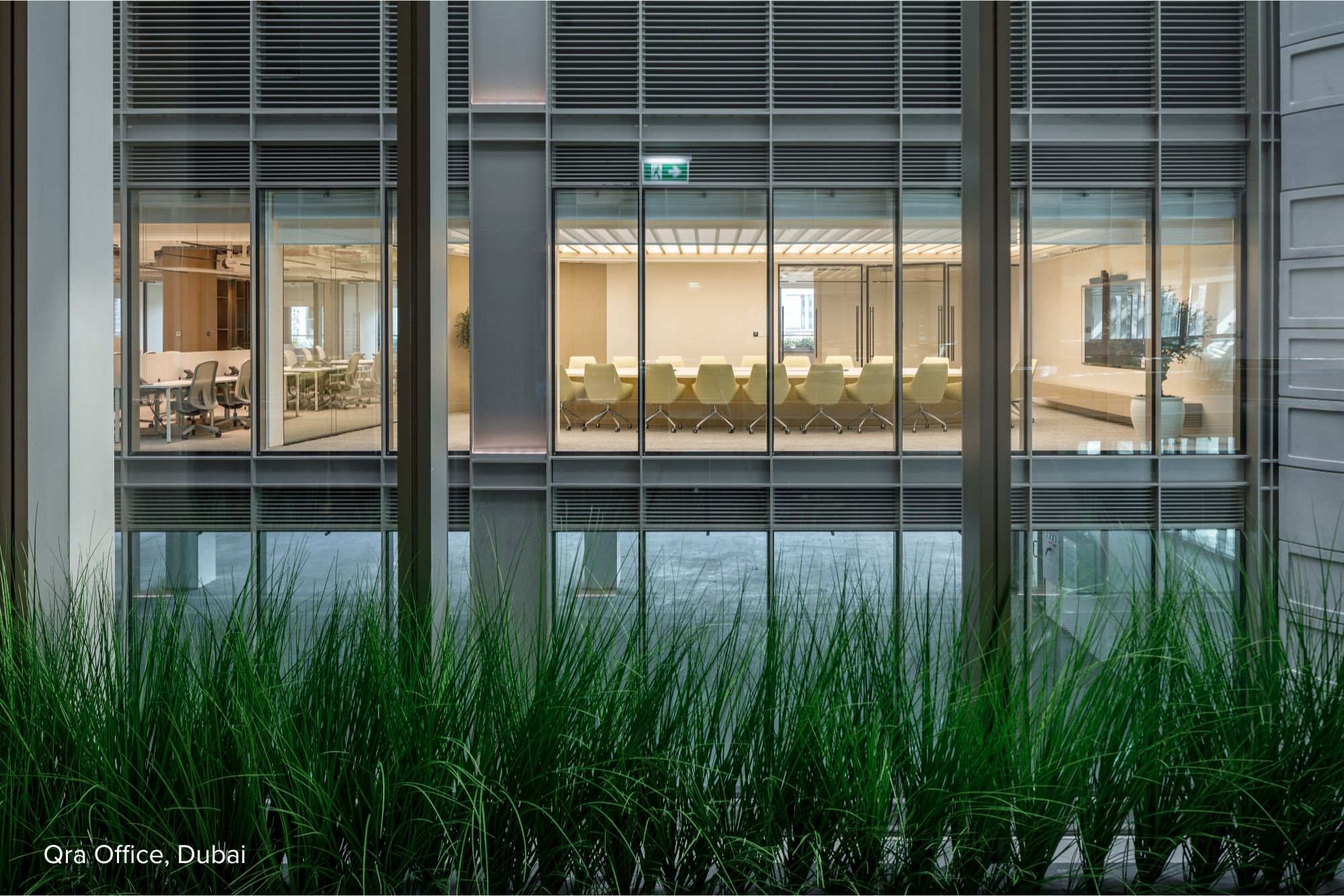
Recent workplace projects delivered by dwp in Dubai illustrate this evolution clearly. Rather than a conventional office fit-out, these environments are conceived as holistic ecosystems—spaces that support collaboration, reflection, and performance while reinforcing a client’s global identity within a distinctly regional context.
Hospitality Thinking and the Arrival Experience
One of the most pronounced trends shaping workplaces in the region is the influence of hospitality design. The research identifies the “street-to-seat” arrival sequence as a critical factor in employee perception and engagement, noting the psychological impact of first impressions on overall workplace satisfaction.
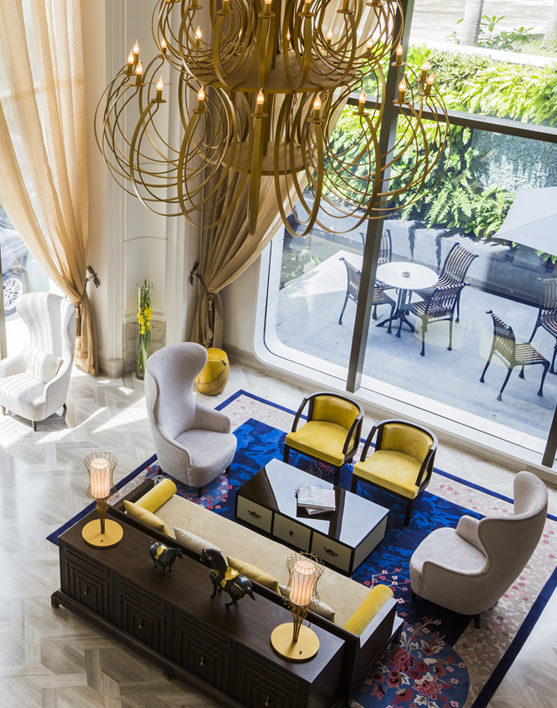
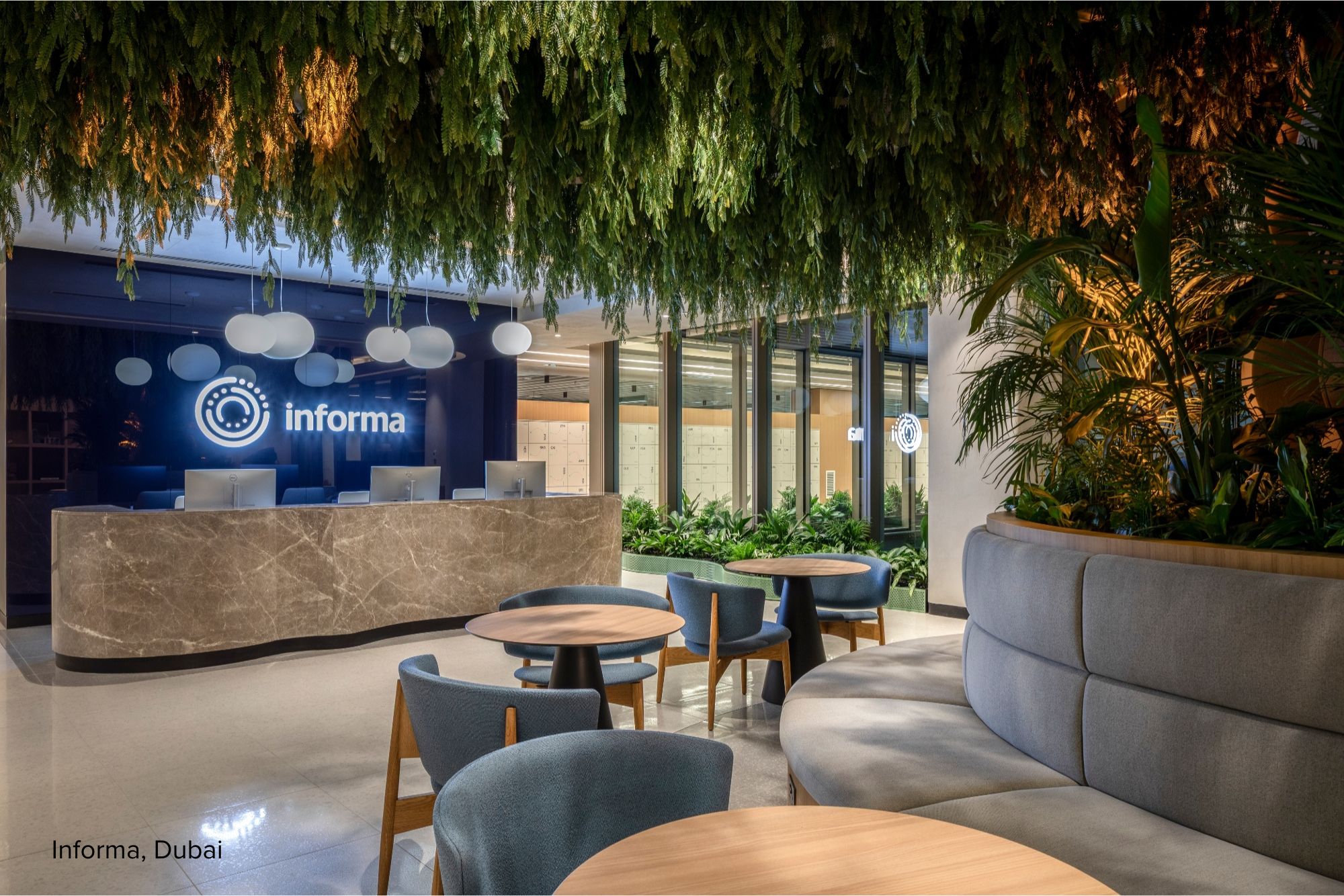
This approach is evident in recent Dubai workplaces designed by dwp, where the reception experience is treated as a curated journey rather than a transactional threshold. Arrival spaces are layered with natural materials, controlled lighting, sound, and subtle sensory cues to create a sense of calm and orientation. In one flagship Dubai office, the reception draws inspiration from native landscapes, integrating sculptural elements, programmed lighting, and ambient sound to create an immersive yet understated introduction to the workplace.
Cultural Context and Contemporary Heritage
Unlike many global markets, workplace design in the UAE and KSA places strong emphasis on cultural interpretation rather than abstraction. The research highlights a growing movement toward “Contemporary Heritage,” where traditional spatial typologies—such as the Majlis—are reimagined for modern corporate life.
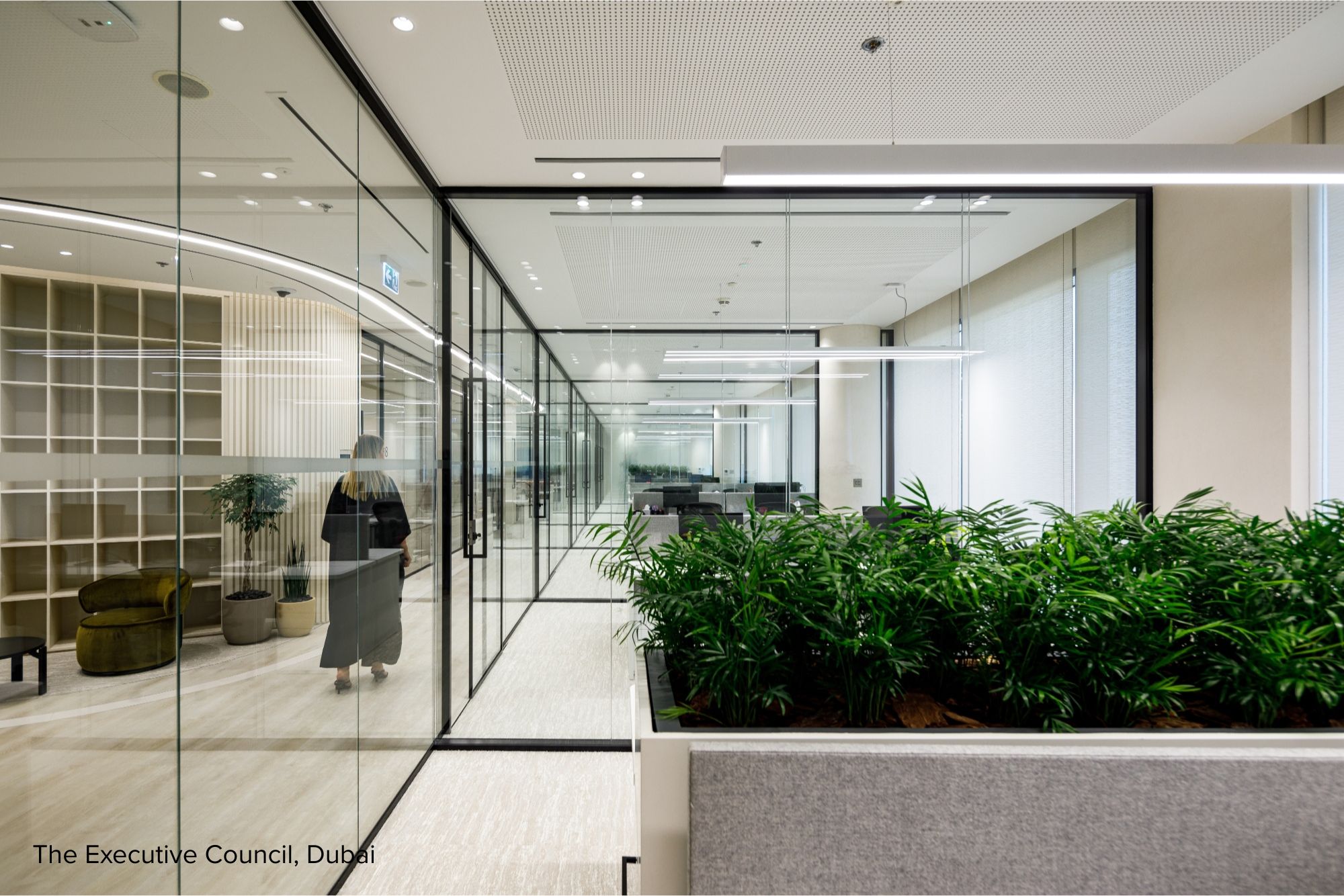
Within dwp-designed workplaces in Dubai, this is reflected through non-hierarchical collaboration zones that prioritise dialogue, inclusivity, and shared purpose. Material palettes grounded in stone, timber, and natural finishes create a sense of regional authenticity, while contemporary detailing ensures alignment with global corporate standards. These spaces move beyond symbolism, functioning as active social and collaborative anchors within the workplace.
Wellbeing, Biophilia, and Neuro-Inclusive Design
Wellbeing has become a baseline expectation rather than an added amenity. The research points to a rise in neuro-inclusive design across the region—workplaces that accommodate different cognitive styles, sensory sensitivities, and modes of working.
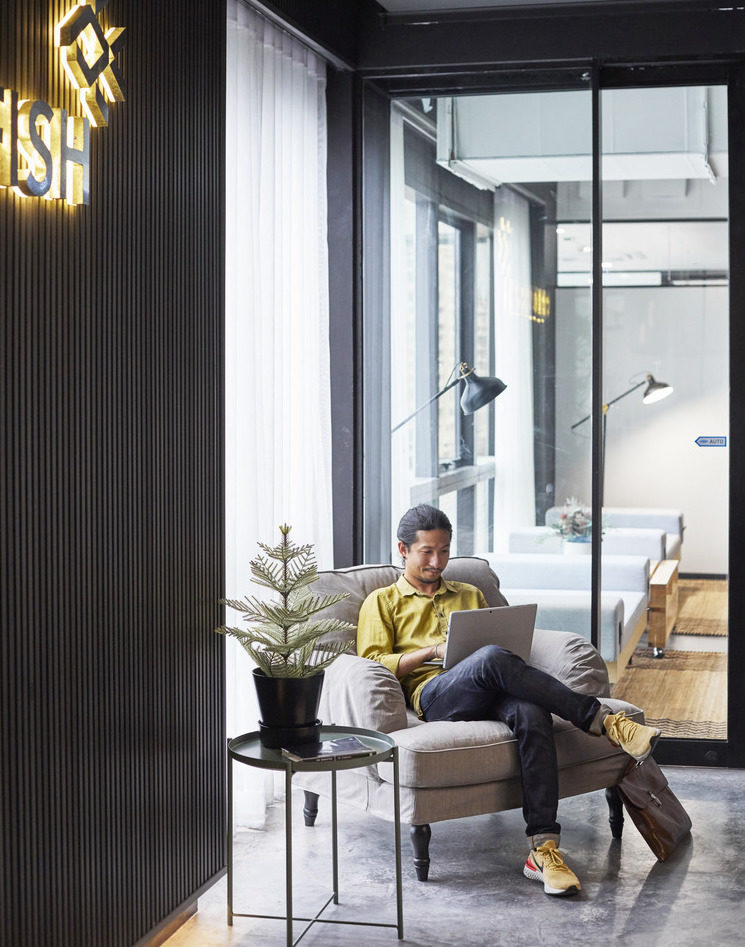
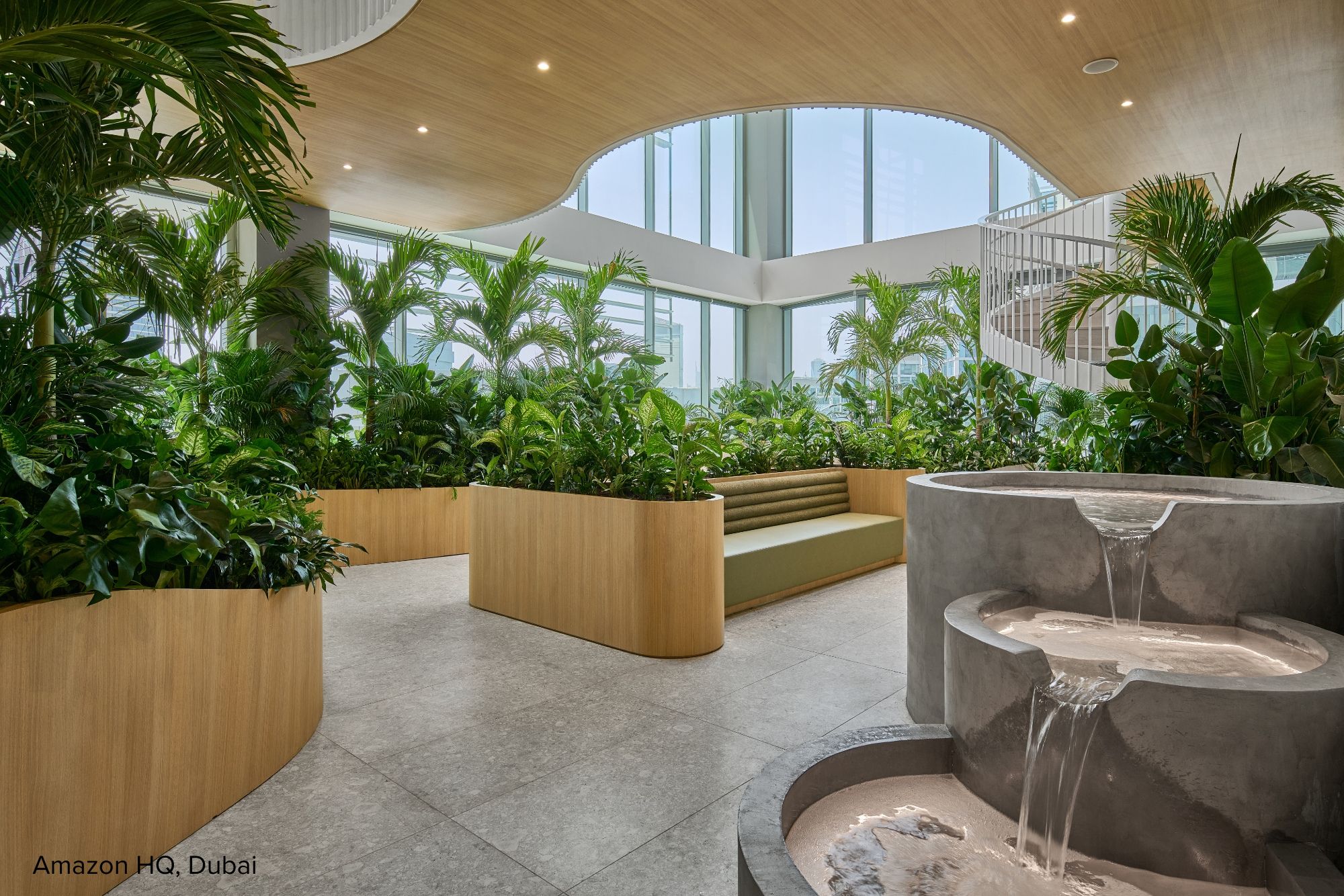
In Dubai, dwp has applied these principles through biophilic design strategies that integrate natural light, organic materials, and spatial variety. Recent projects demonstrate how these elements can reduce stress and enhance cognitive performance, transforming the office into an urban sanctuary rather than a purely functional environment. Quiet focus zones, collaborative hubs, and moments of pause are carefully balanced to support both individual concentration and collective exchange.
Sustainability as a Design Imperative
Sustainability is no longer optional in the UAE workplace market. Regulatory frameworks and corporate ESG commitments are driving demand for offices that demonstrate measurable environmental performance. The research identifies a strong shift toward circular design principles, low-VOC materials, and energy-efficient systems suited to the region’s climate.
Recent dwp workplace projects in Dubai exemplify this approach, achieving the highest levels of environmental certification while maintaining a refined and human-centred design language. Sustainability is embedded not as a visual statement, but as an operational strategy—supporting long-term efficiency, occupant wellbeing, and asset value.
Technology, AI, and the Responsive Workplace
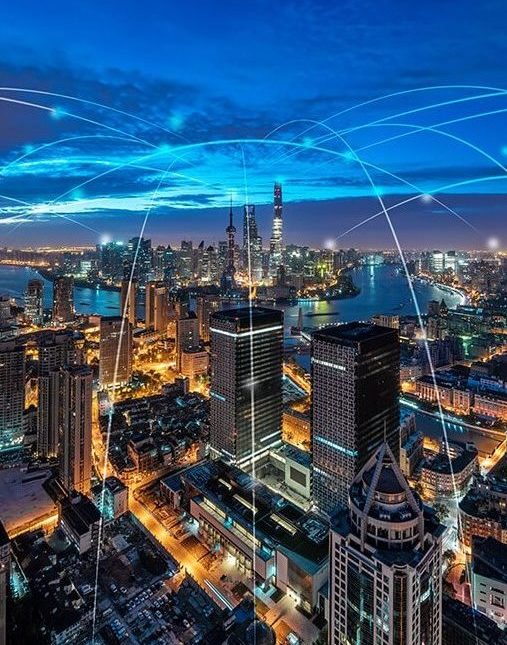
The UAE and KSA are global leaders in workplace technology adoption. With regional employees using AI tools at rates above the global average, the research highlights the emergence of “sentient workplaces”—environments that adapt in real time to user behaviour and occupancy patterns.
In practice, this translates into intelligent lighting, climate, and spatial systems that respond dynamically throughout the day. dwp integrates these technologies as an invisible layer within the workplace—enhancing comfort, efficiency, and flexibility without compromising the human experience. The result is a workplace that feels intuitive rather than automated, supporting hybrid working patterns while maintaining a strong sense of place.
A Regional Outlook Defined by Quality
While the UAE continues to consolidate its position as a global business hub, Saudi Arabia is expanding at unprecedented scale under Vision 2030. Despite different market drivers, both countries share a clear trajectory: a flight to quality, an emphasis on experience, and a growing expectation that the workplace should actively support people and purpose.
dwp’s expanding workplace portfolio across both markets reflects this convergence. By translating research insights into built environments—grounded in culture, sustainability, and behavioural understanding—we continue to shape workplaces that respond to today’s realities while anticipating tomorrow’s demands.
Designing What Comes Next
The future workplace in the UAE is not defined by aesthetics alone, but by intention. It is shaped by data, cultural intelligence, sustainability metrics, and human insight. As organisations continue to invest in the workplace as a strategic asset, design becomes a powerful enabler of transformation.
At dwp, our award-winning experience and regional presence allow us to operate confidently within this complexity—designing workplaces that are not only fit for the future, but actively shaping it.
Tags: Abu dhabi, Agile workspace, Archi, Architect, Architecture, Artist, Asia, Bangkok, Bar, BIM, Blog, Boutique, Business, Civic, Construction, Content, Creativity, Culture, Design, Designer, Digital, Digital technology, Digital transformation, Digitisation, Drink, Dubai, Education, Experience, F&B, Food, Future, Health, Hicap, Ho chi minh, Hospitality, Hotel, Hotel design, Information, Innovation, Interior, Interior design, Interior designer, Interview, Knowledge, Lebua, Lifestyle, Luxury, Luxury design, Luxury interior, Marriott, Profile, Residential, Restaurant, Saigon, Sky, Studio, Success, Sustainibility, Tech, Technology, Thailand, Trends, Video, Vietnam, W hotel, Women