Nature-Inspired Innovation: British International School Phuket
A learning environment designed to spark imagination, collaboration, and future-ready thinking
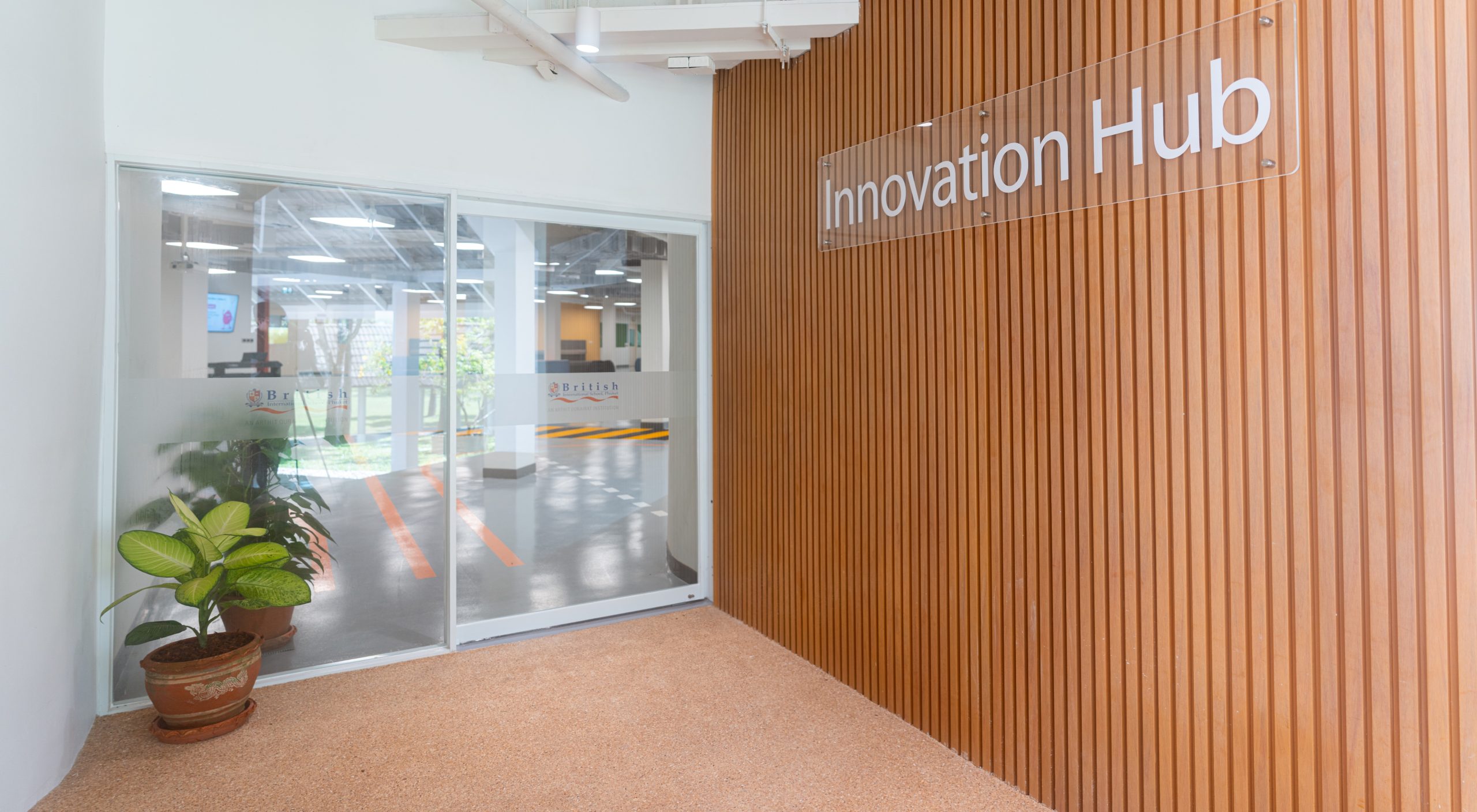
At the British International School Phuket, learning extends far beyond the classroom. Tasked with transforming underutilised space beneath the refectory area and part of Level 2, dwp was appointed to design a 2,500 sqm Innovation Hub—a future-focused environment where creativity, technology, and collaboration converge.
A brief rooted in creativity and collaboration
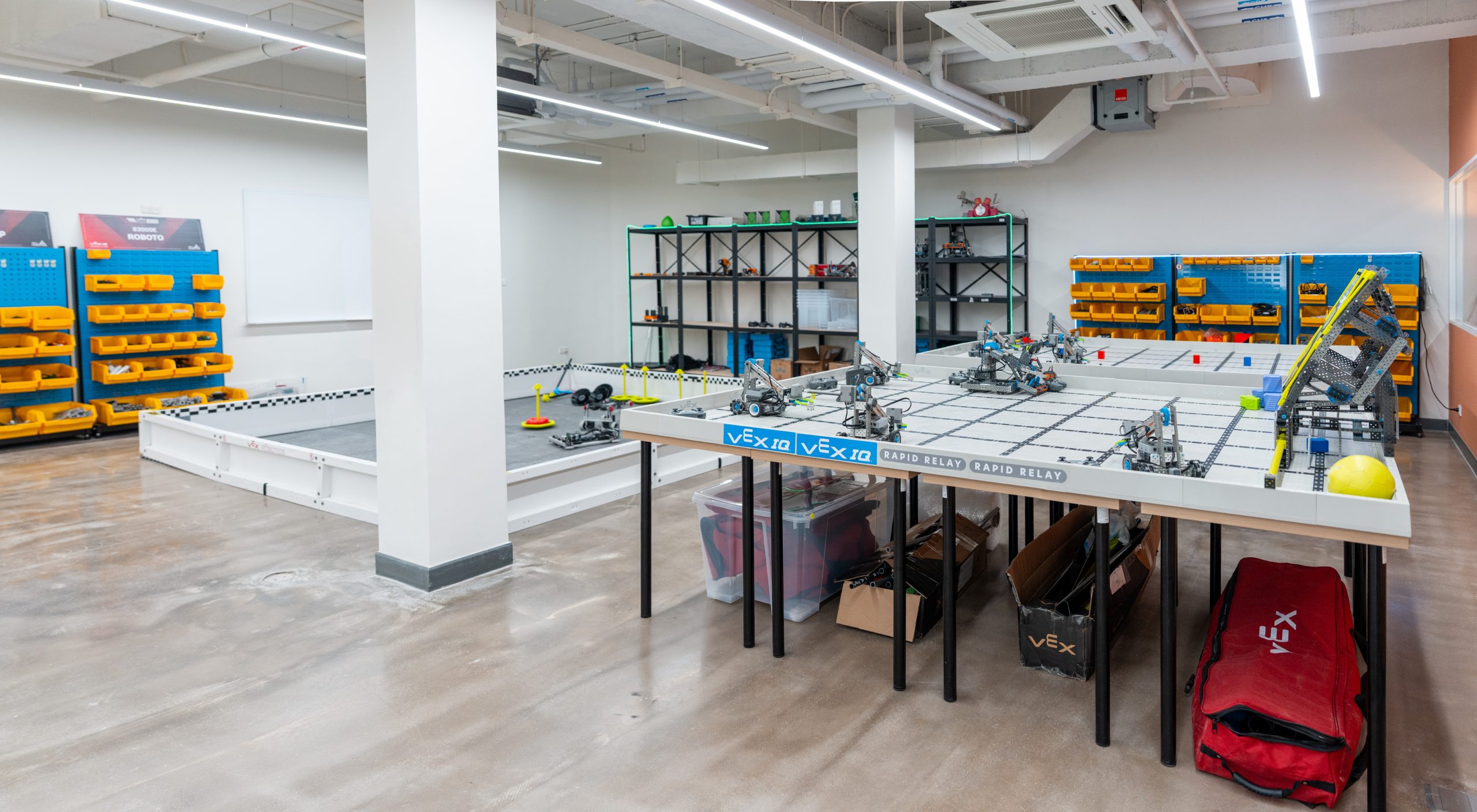
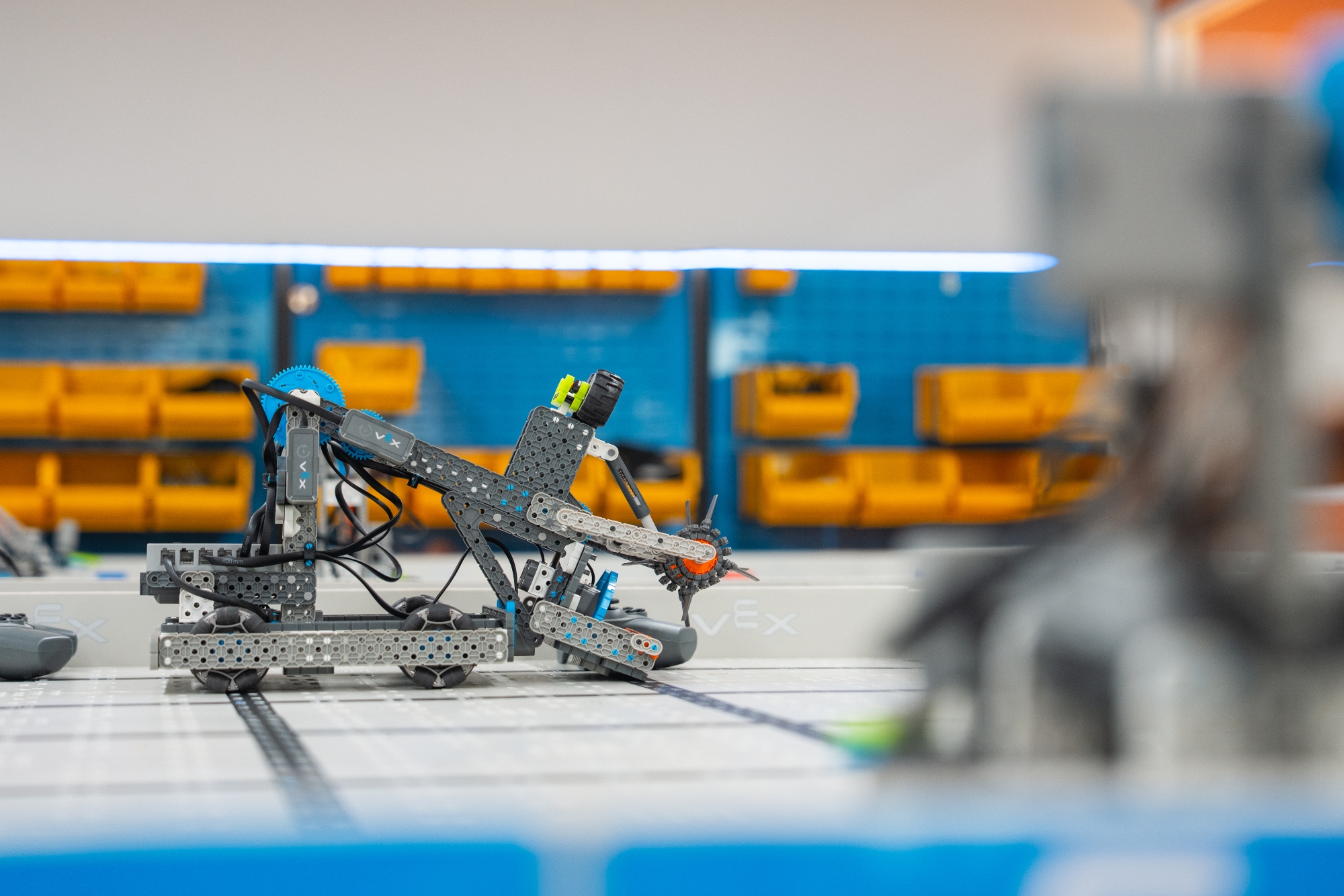
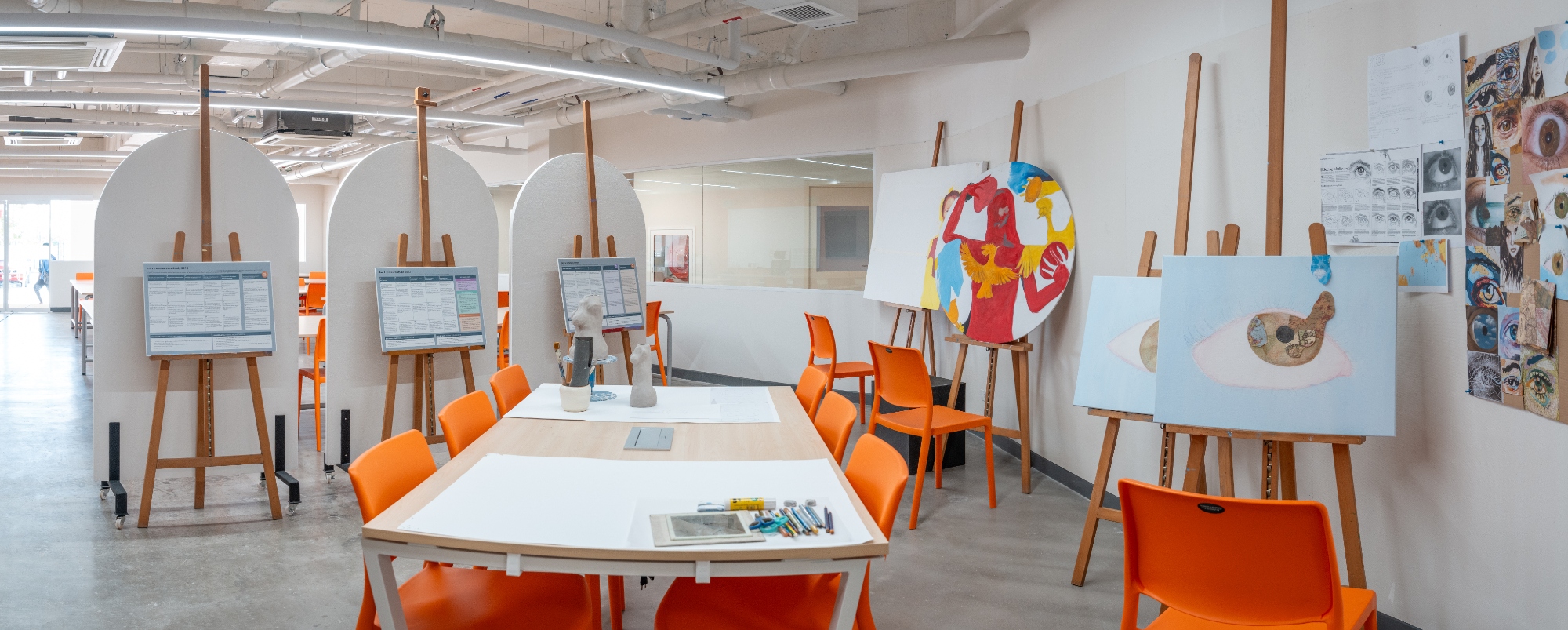
The school’s ambition was clear: to create an Innovation Hub that would support Design Technology classrooms and workshops, Computer Science, Robotics, an Art Room, and a central project-based collaboration zone where students could work together, prototype ideas, and exhibit their outcomes. More than a collection of specialist rooms, the space needed to function as a connected ecosystem—encouraging exchange between disciplines while remaining practical, robust, and inspiring for everyday use.
dwp’s scope encompassed interior design, space planning, material selection, and close coordination with specialist suppliers and educators, ensuring the hub would be both pedagogically effective and operationally efficient.
A concept inspired by nature
Imagination and innovation often find their first cues in the natural world. This idea became the guiding principle for the design concept, with nature-inspired forms, patterns, and colours woven subtly throughout the Innovation Hub. Rather than literal representations, these elements are abstracted—designed to stimulate curiosity and creative thinking while providing a calm, intuitive spatial language for students of all ages.
Design features that encourage exploration
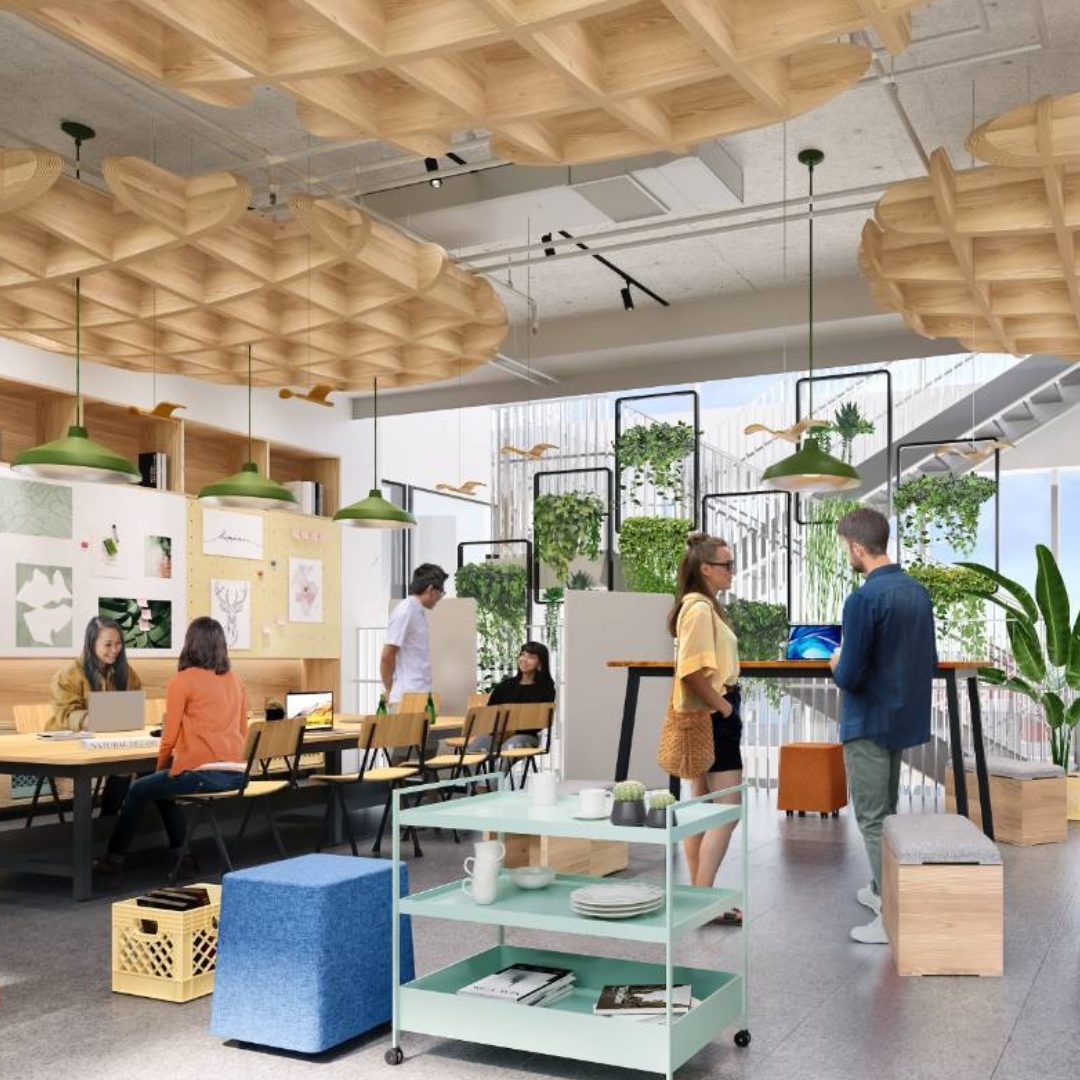
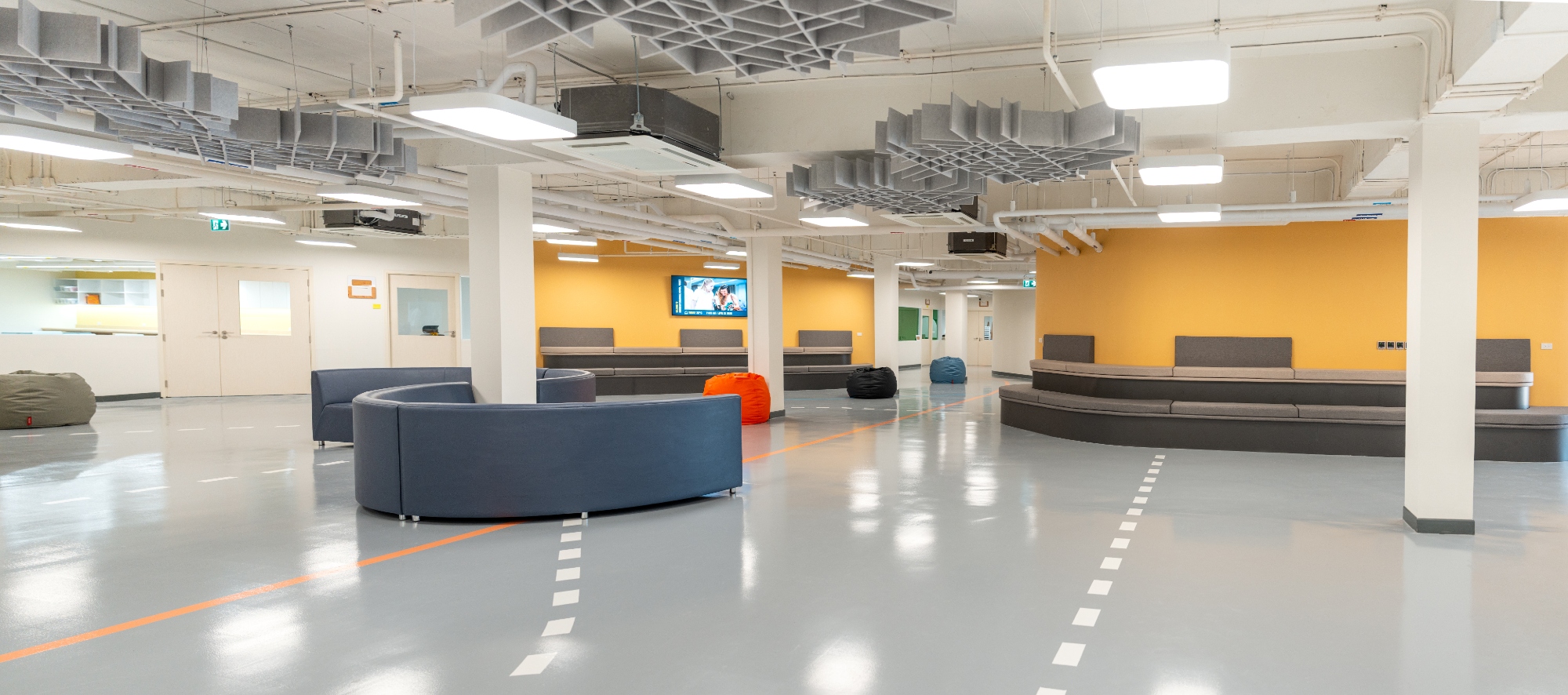
At the heart of the Innovation Hub lies the Project Area—an open-plan collaboration zone that anchors the entire layout. Above it, a feature acoustic ceiling draws inspiration from the branching structure of trees, mirrored by coloured floor patterns that radiate outward, reinforcing the idea of growth, connection, and idea-sharing.
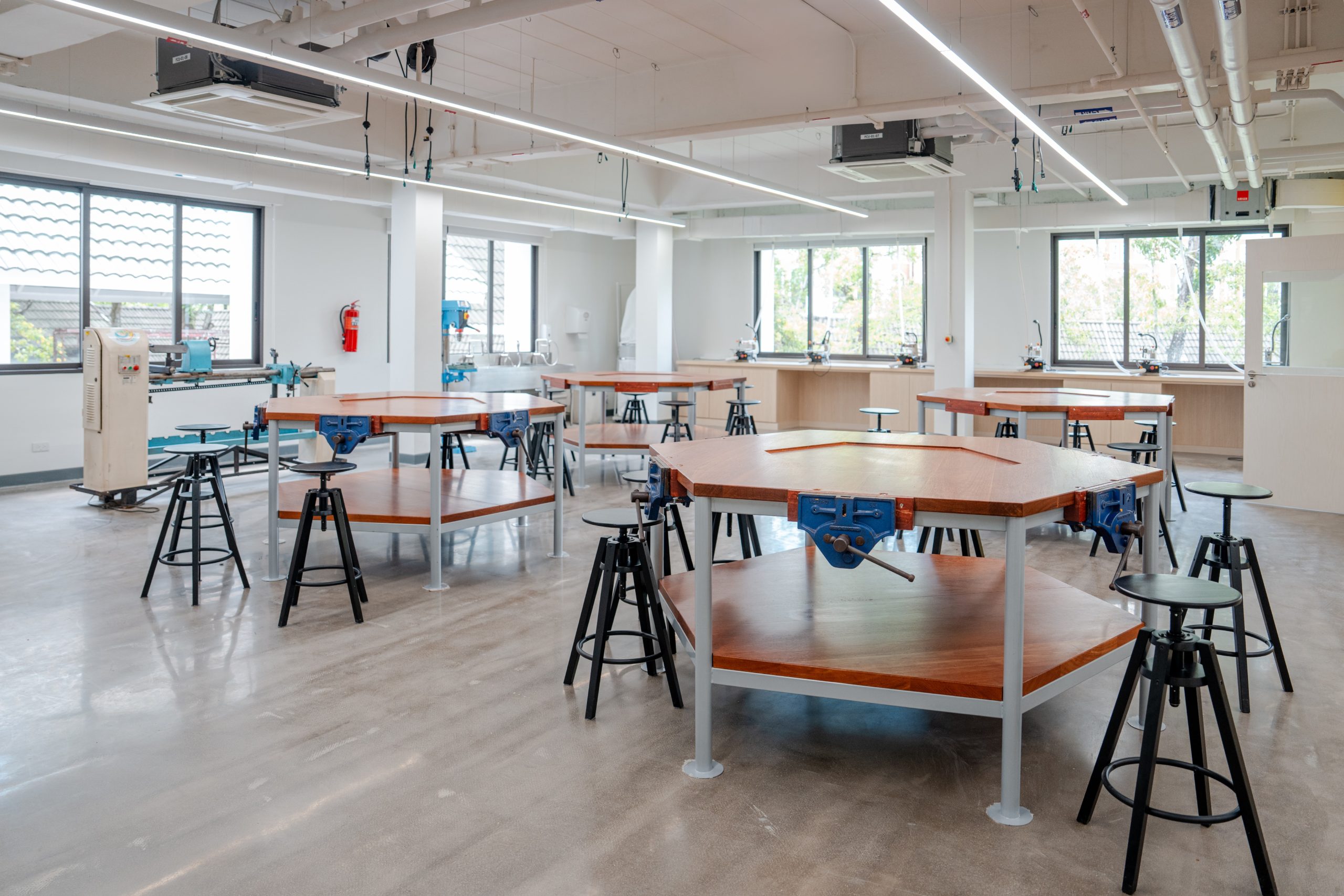
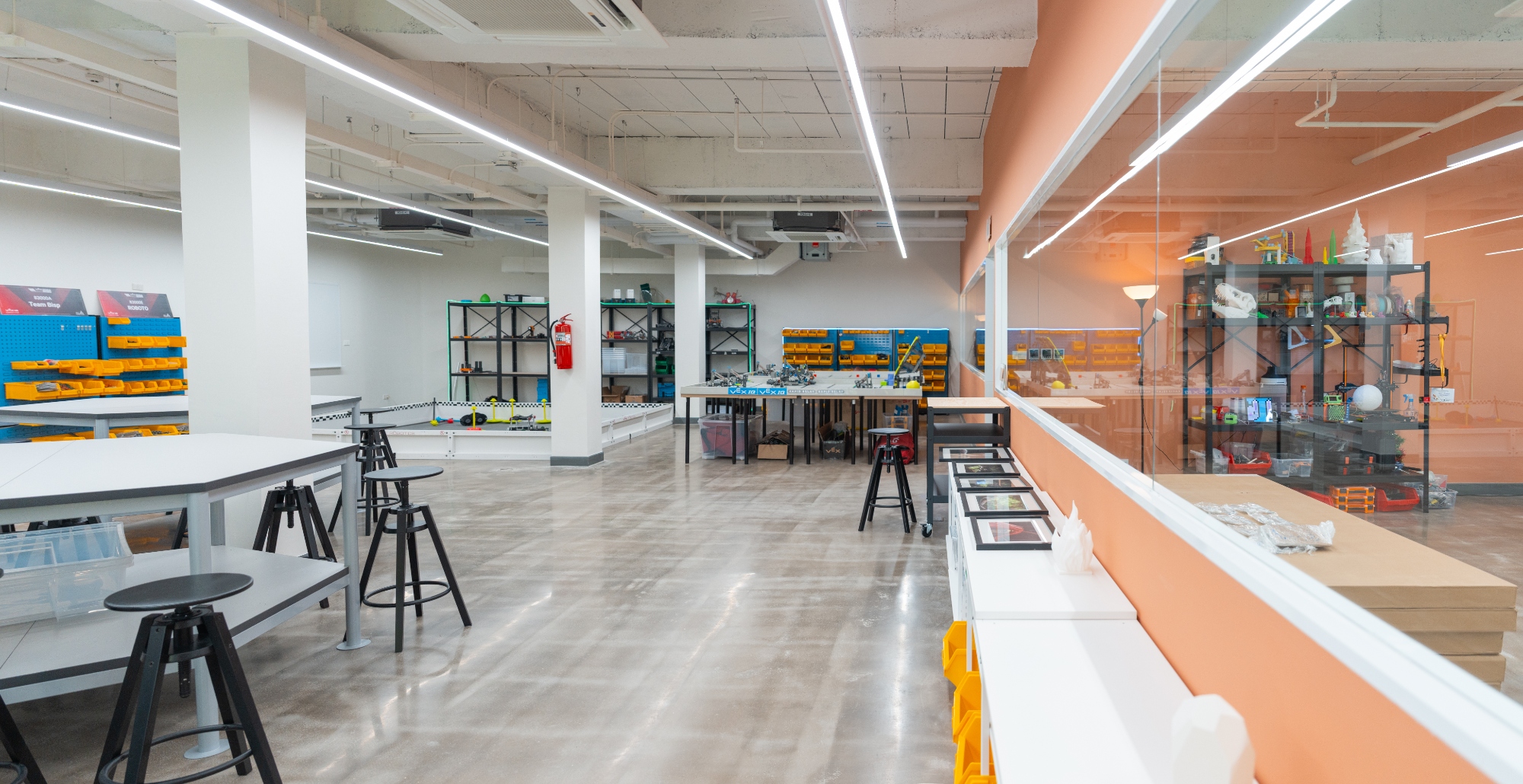
In the Design Technology workshop, hexagon-shaped tables inspired by honeycomb structures encourage flexible group work, while pebble-shaped stools introduce a tactile, informal seating option for collaboration and discussion. Throughout the hub, rounded corners and softened wall edges enhance safety, and tiered seating areas support group learning, presentations, and spontaneous interaction.
Materials chosen for learning—and longevity
Materiality across the Innovation Hub balances durability, ease of maintenance, and visual clarity. Polished concrete floors provide a robust base for high-traffic areas, while washable wall finishes and laminate joinery ensure longevity in an active learning environment. Clear glass partitions maximise the flow of natural light deep into the plan, creating transparency between spaces and allowing classrooms to double as showcases when parents visit. Furniture selections, including polypropylene chairs, were chosen for their durability, comfort, and ease of cleaning.
An exposed ceiling strategy further enhances spatial comfort, helping to mitigate the constraints of existing ceiling heights while giving the hub a contemporary, workshop-inspired character.
Enhancing the learning experience
Colour plays a key role in energising the space—used strategically to motivate students and teachers, encourage collaboration, and support different modes of learning. The centralised Project Area fosters constant visual and physical connection between disciplines, while perimeter classrooms benefit from daylight and openness, reinforcing a culture of shared learning and pride in student work.
Overcoming complexity through coordination
The project presented several technical challenges. Existing low ceiling heights and inconsistent floor levels, resulting from multiple past renovations, required careful coordination with local contractors to achieve a seamless, level floor across the hub. Additionally, the integration of specialist workshop machinery demanded close collaboration with teachers and equipment suppliers to ensure safe layouts, appropriate clearances, and optimal functionality for both wood and metal workshops.
Designed for innovation—and sustainability
Sustainability was embedded into the project through practical, performance-driven decisions. The design maximises natural daylight, specifies low-VOC paints, and incorporates water-saving sanitaryware and energy-efficient LED lighting throughout. In specialist workshops, dust-collection systems improve air quality and support a healthier learning environment—ensuring the Innovation Hub performs as responsibly as it inspires.
A future-ready learning landscape
The British International School Phuket Innovation Hub exemplifies dwp’s approach to educational design: environments that are thoughtfully planned, creatively driven, and grounded in real-world functionality. By placing collaboration at the core and drawing inspiration from nature, the project creates a learning landscape where students are empowered to experiment, connect ideas, and shape the future—together.
Tags: Abu dhabi, Agile workspace, Archi, Architect, Architecture, Artist, Asia, Bangkok, Bar, BIM, Blog, Boutique, Business, Civic, Construction, Content, Creativity, Culture, Design, Designer, Digital, Digital technology, Digital transformation, Digitisation, Drink, Dubai, Education, Experience, F&B, Food, Future, Health, Hicap, Ho chi minh, Hospitality, Hotel, Hotel design, Information, Innovation, Interior, Interior design, Interior designer, Interview, Knowledge, Lebua, Lifestyle, Luxury, Luxury design, Luxury interior, Marriott, Profile, Residential, Restaurant, Saigon, Sky, Studio, Success, Sustainibility, Tech, Technology, Thailand, Trends, Video, Vietnam, W hotel, Women