Designing for Longevity: Five Years On at W Dubai – The Palm
In a city that reinvents its skyline almost overnight, what makes a hotel endure?
Dubai is synonymous with acceleration. New hospitality concepts launch at a relentless pace. Architectural statements rise and redefine the horizon. Design trends shift in real time. In such an environment, longevity is not accidental — it is designed.
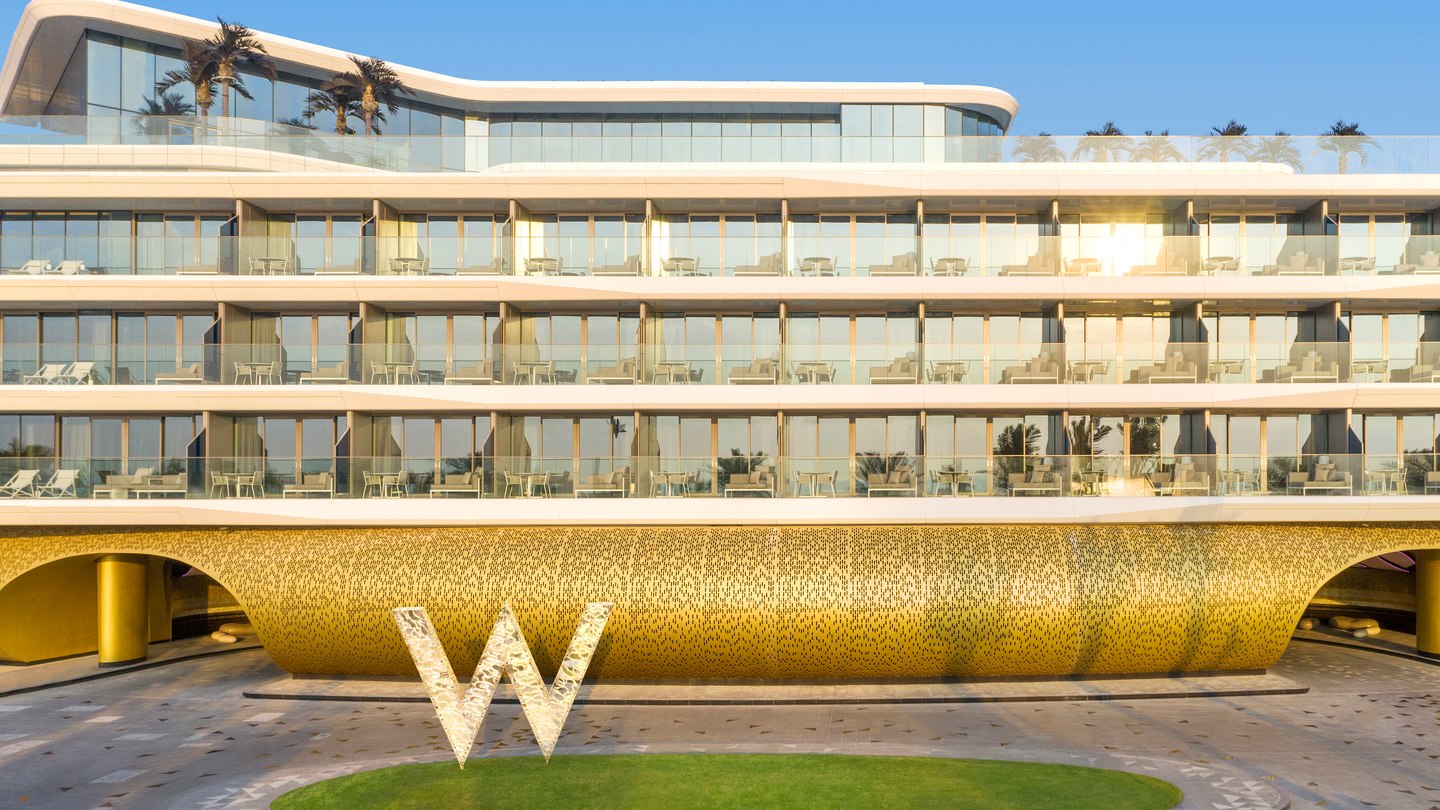
Five years after opening, W Dubai – The Palm remains one of the city’s most recognisable lifestyle destinations. Not simply because of its address or brand power, but because of the clarity of its identity. It doesn’t chase relevance. It embodies it.
dwp was proud to be involved in Interior Design of this signature hotel — contributing to a project that has proven that bold, experiential design can stand the test of time.
Beyond Aesthetic: Designing for Cultural Memory
Iconic hotels are not measured by their launch buzz, but by their ability to remain embedded in the cultural rhythm of a city.
Dubai’s hospitality market is one of the most competitive globally. Yet some properties become anchors in the social landscape. They host milestone celebrations. They frame sunset moments. They become backdrops for international campaigns. They are woven into memory.
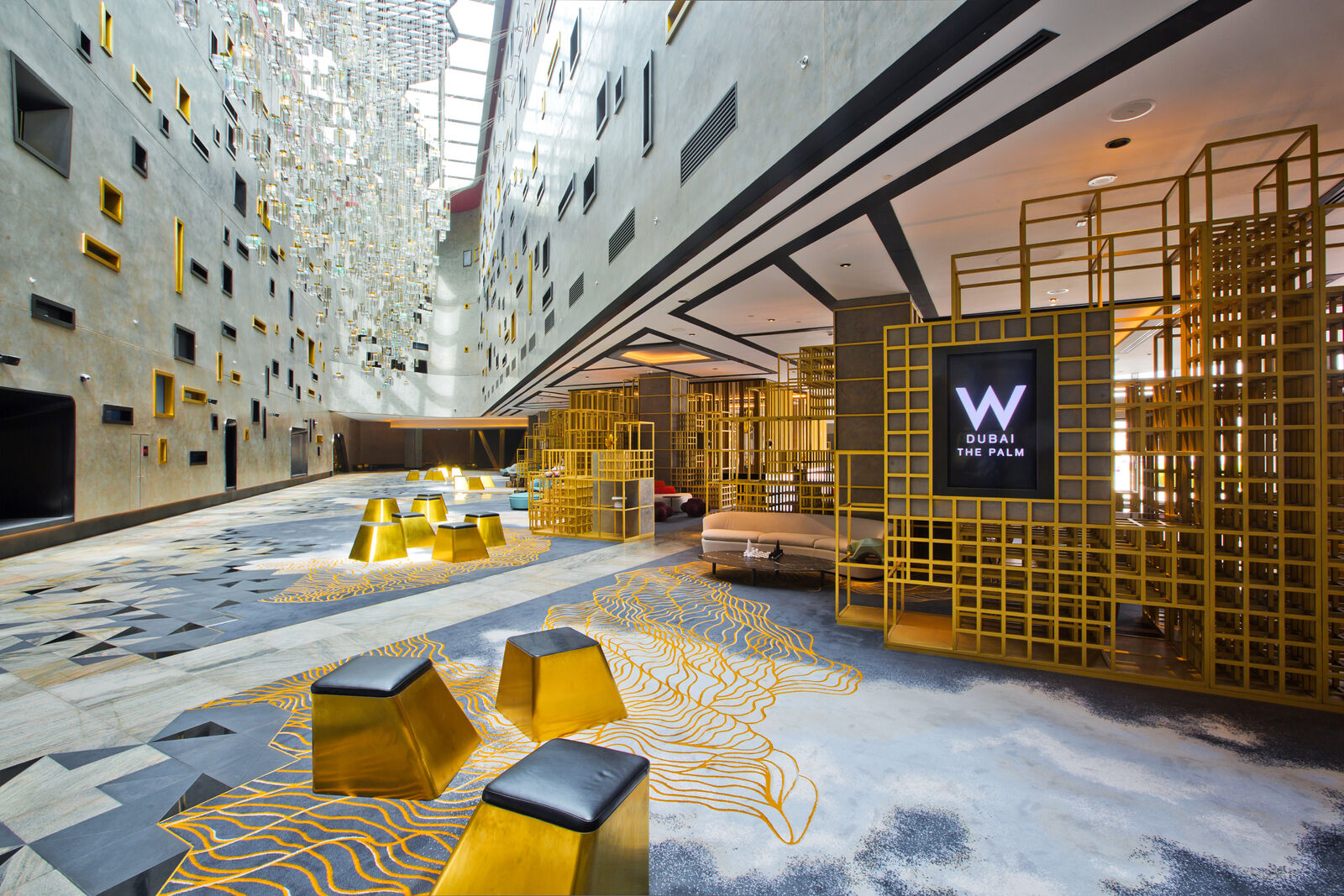
The success of W Dubai lies in its refusal to dilute its character. Its design language is confident, immersive, and unapologetically expressive — yet grounded in a spatial logic that supports operational longevity.
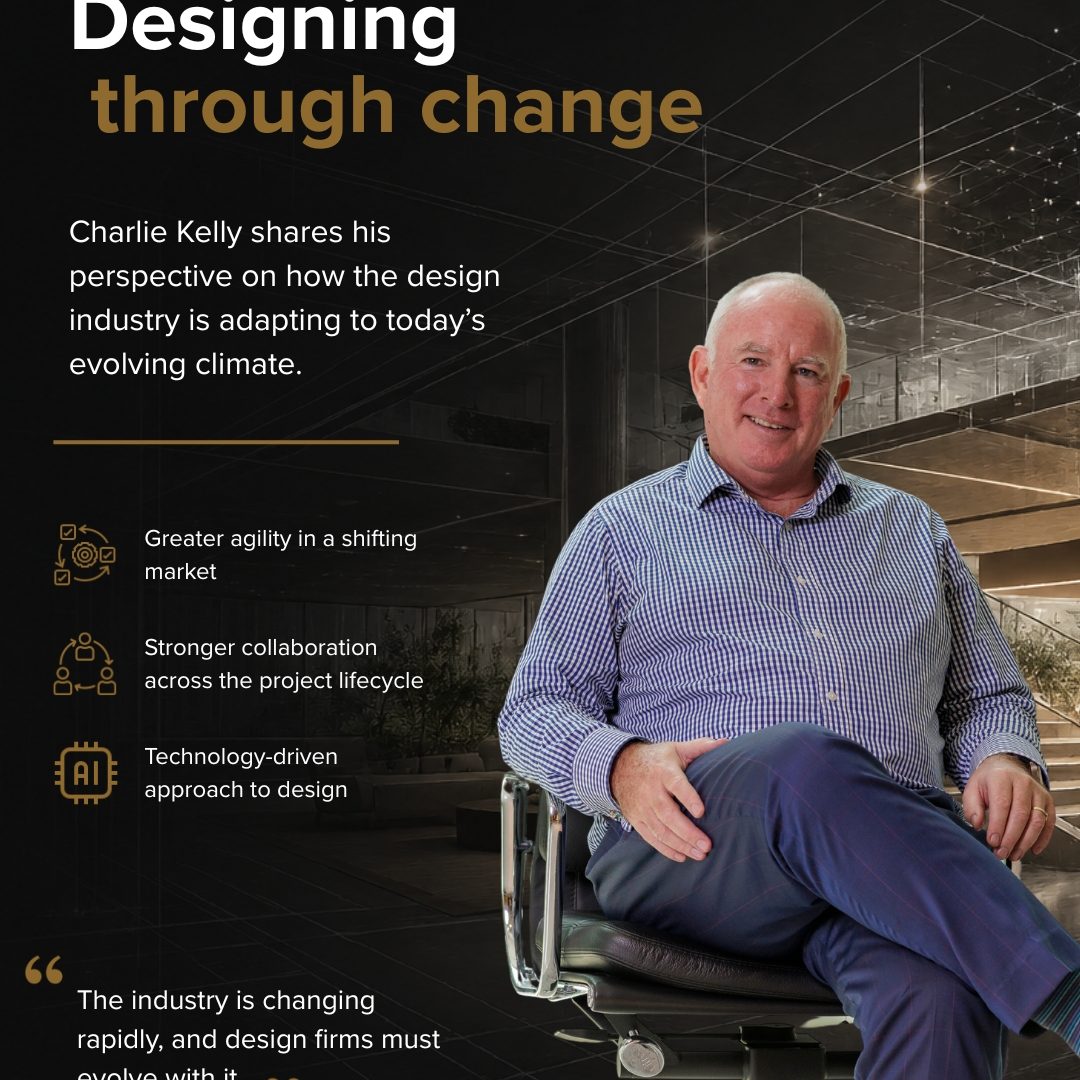
“Designing in Dubai means designing in fast-forward,” says Charlie Kelly, Regional Managing Director – Middle East at dwp.
“If a concept only responds to the trend of the moment, it risks fading just as quickly. True longevity comes from creating spaces that feel emotionally resonant and operationally intelligent at the same time.”
Designing for a Fast-Paced City
Dubai is a city that rewards boldness. But boldness without strategy is short-lived.
The design contribution to W Dubai was never about spectacle alone. It was about understanding how lifestyle hospitality was evolving — how guests were seeking energy, community, and curated experiences rather than simply accommodation.
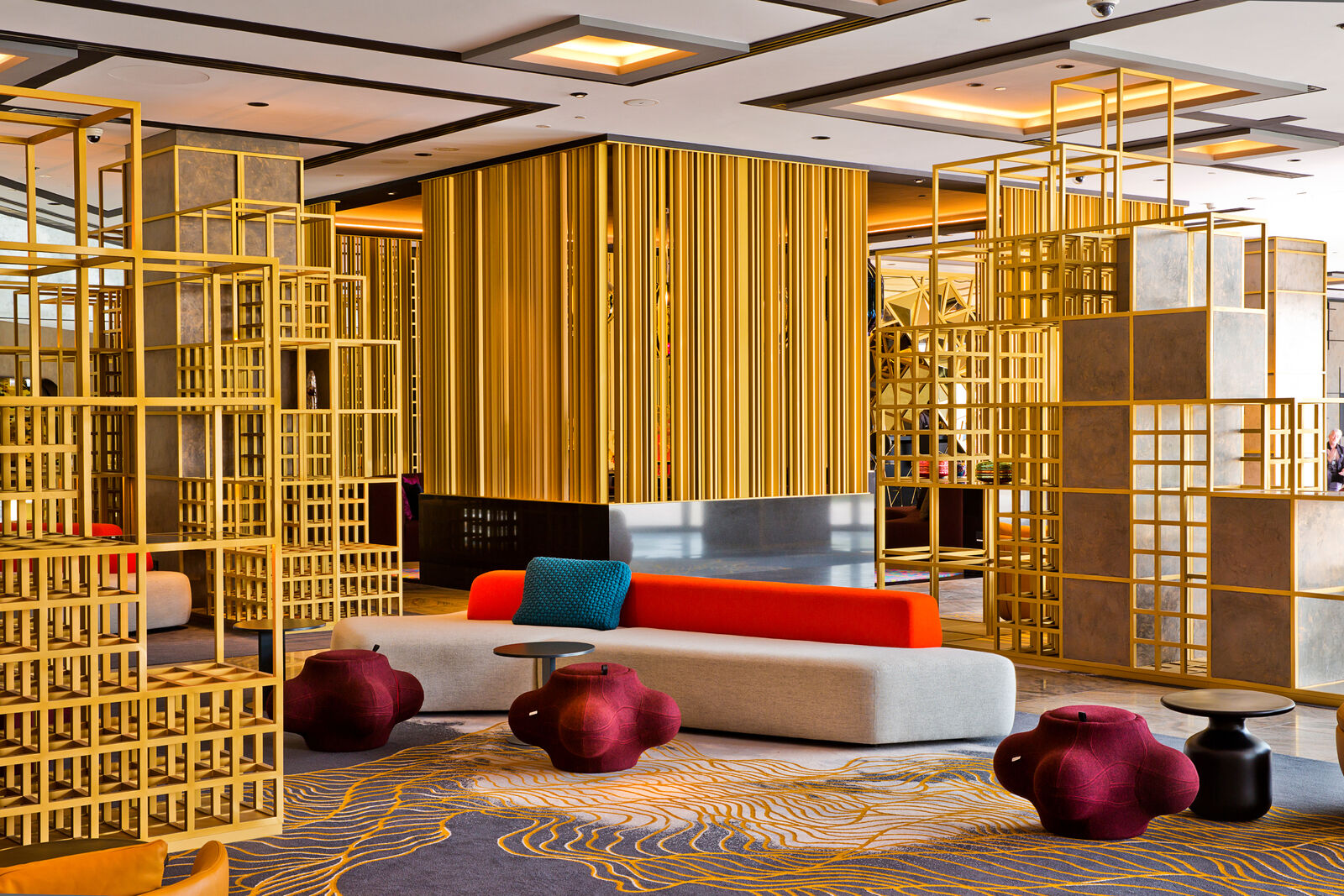
Five years on, the property continues to outperform not because it is static, but because it was designed with adaptability embedded in its DNA. Social spaces feel fluid. F&B environments feel layered rather than themed. Public zones invite interaction rather than observation.
This is the difference between decoration and design thinking.
The Five-Year Test
In hospitality, five years is a meaningful benchmark.
It is long enough for trends to have shifted.
Long enough for competitors to have launched.
Long enough for novelty to have worn off.
And yet, W Dubai continues to hold its position within a city that is constantly refreshing itself.
“The real measure of success isn’t opening night,” Kelly reflects.
“It’s whether the space still feels relevant when the next wave of hotels arrives. Longevity is the ultimate design brief.”
Designing for Endurance
For dwp, projects like W Dubai reinforce a central belief: design should not only respond to its time — it should anticipate it.
In high-growth cities like Dubai, hospitality design must operate on multiple levels:
- Visually compelling
- Commercially viable
- Operationally intelligent
- Emotionally magnetic
When these layers align, a project transcends trend cycles.
Five years later, W Dubai stands not as a memory of a launch moment, but as an active player in the city’s lifestyle narrative.
And in a market where hotels appear left, right and centre — that is perhaps the greatest design achievement of all.
Tags: Abu dhabi, Agile workspace, Archi, Architect, Architecture, Artist, Asia, Bangkok, Bar, BIM, Blog, Boutique, Business, Civic, Construction, Content, Creativity, Culture, Design, Designer, Digital, Digital technology, Digital transformation, Digitisation, Drink, Dubai, Education, Experience, F&B, Food, Future, Health, Hicap, Ho chi minh, Hospitality, Hotel, Hotel design, Information, Innovation, Interior, Interior design, Interior designer, Interview, Knowledge, Lebua, Lifestyle, Luxury, Luxury design, Luxury interior, Marriott, Profile, Residential, Restaurant, Saigon, Sky, Studio, Success, Sustainibility, Tech, Technology, Thailand, Trends, Video, Vietnam, W hotel, Women