Workplace Reimagined: Designing Thailand’s Next Chapter of Work

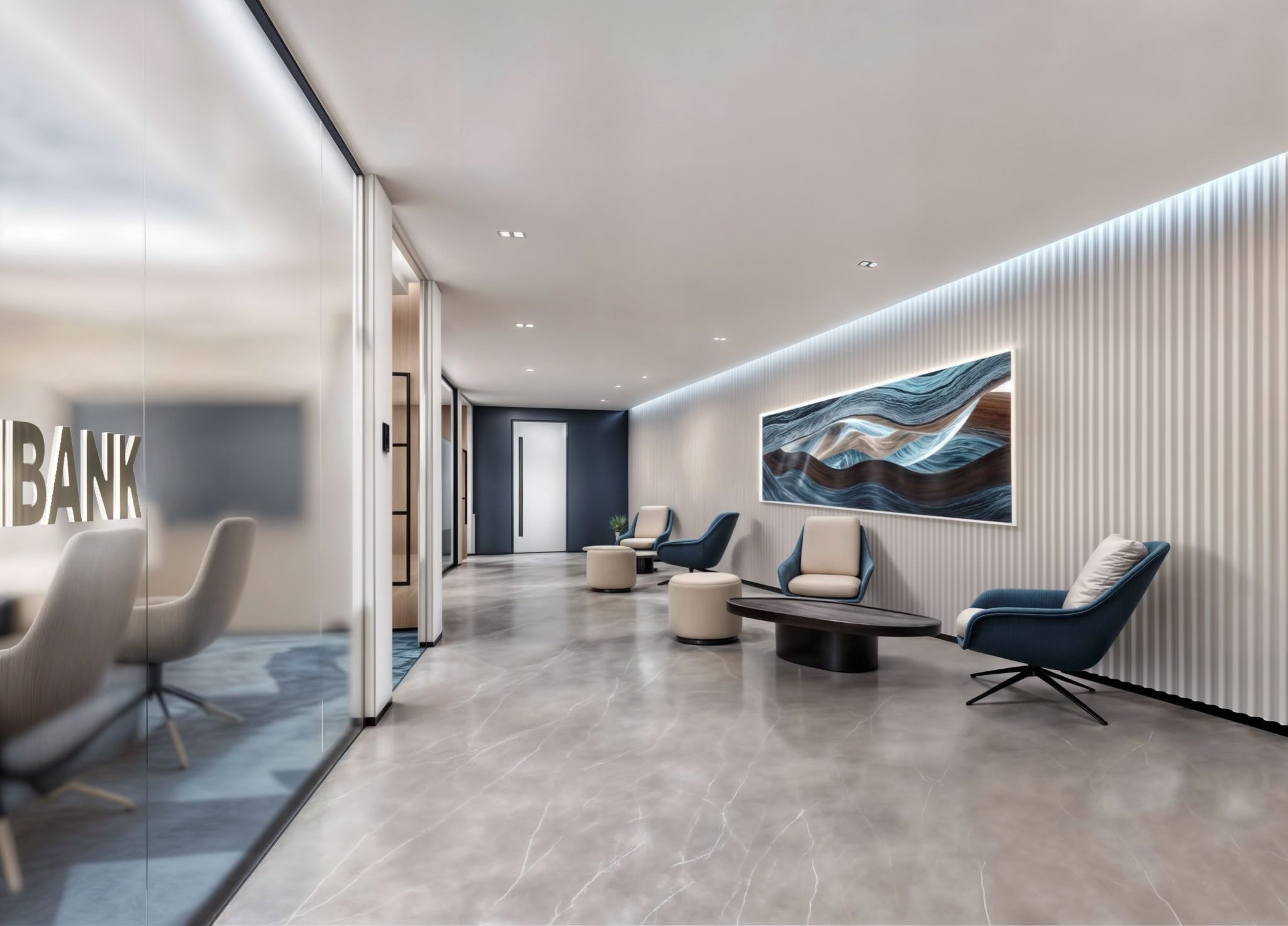
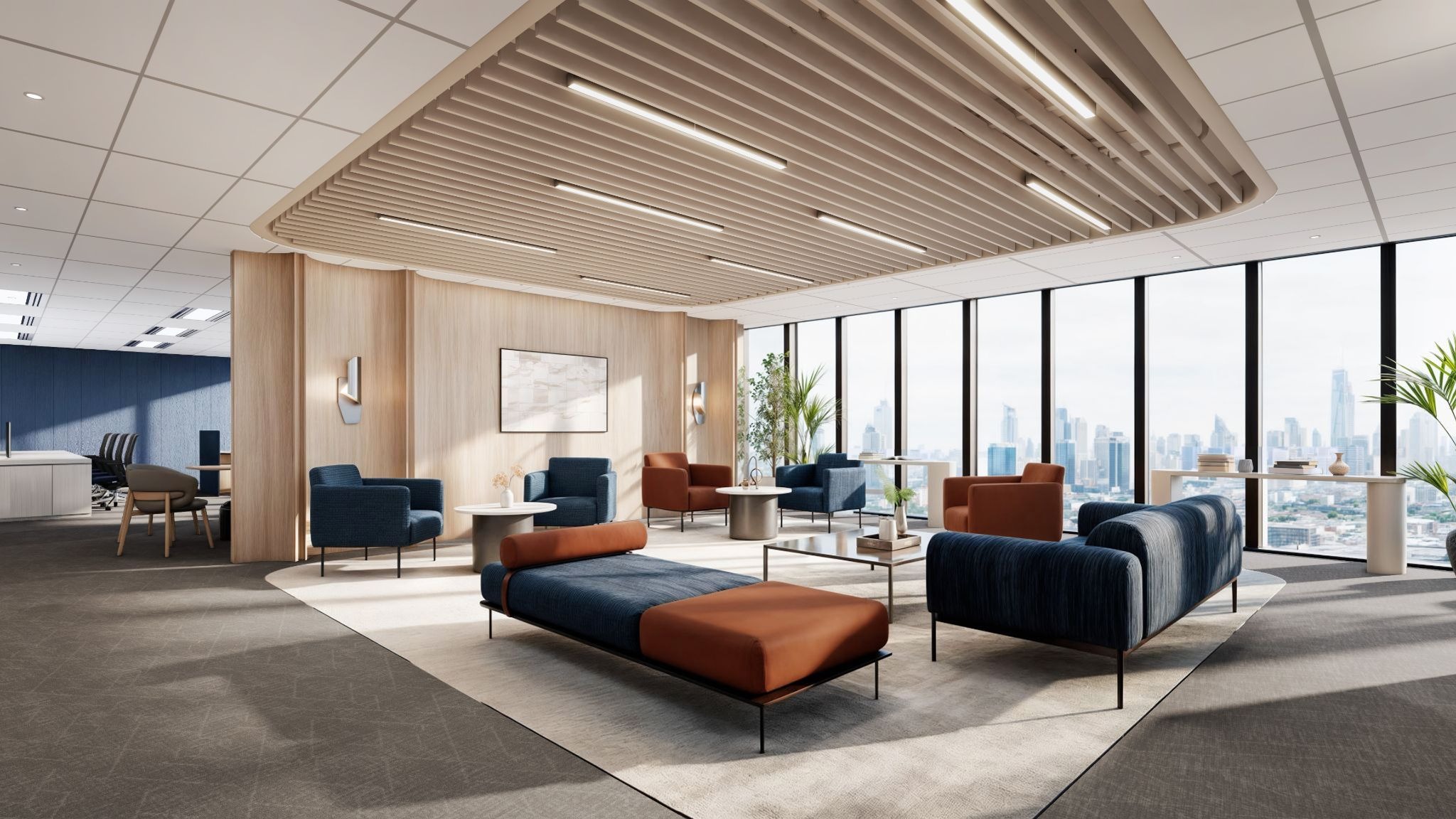
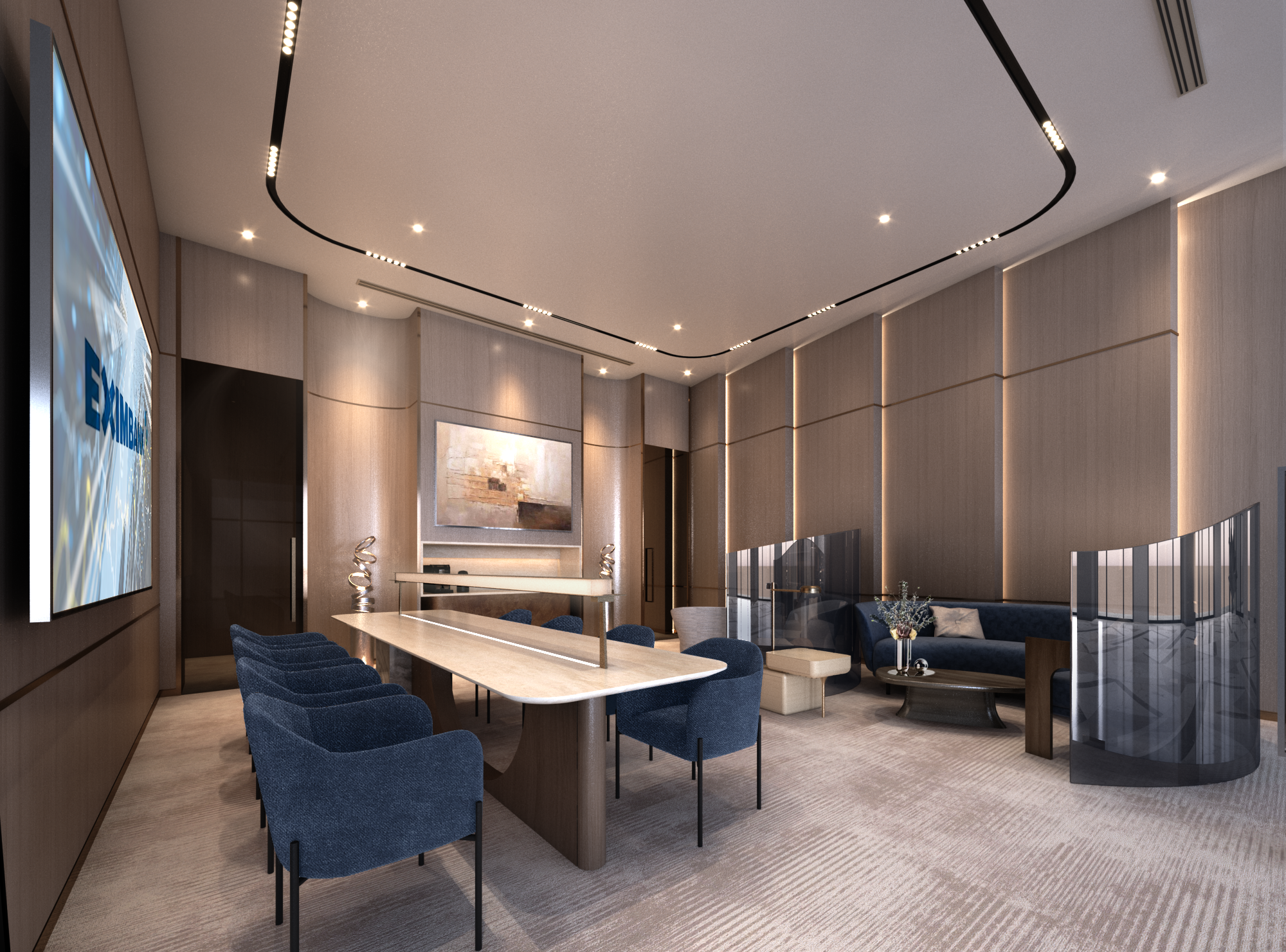
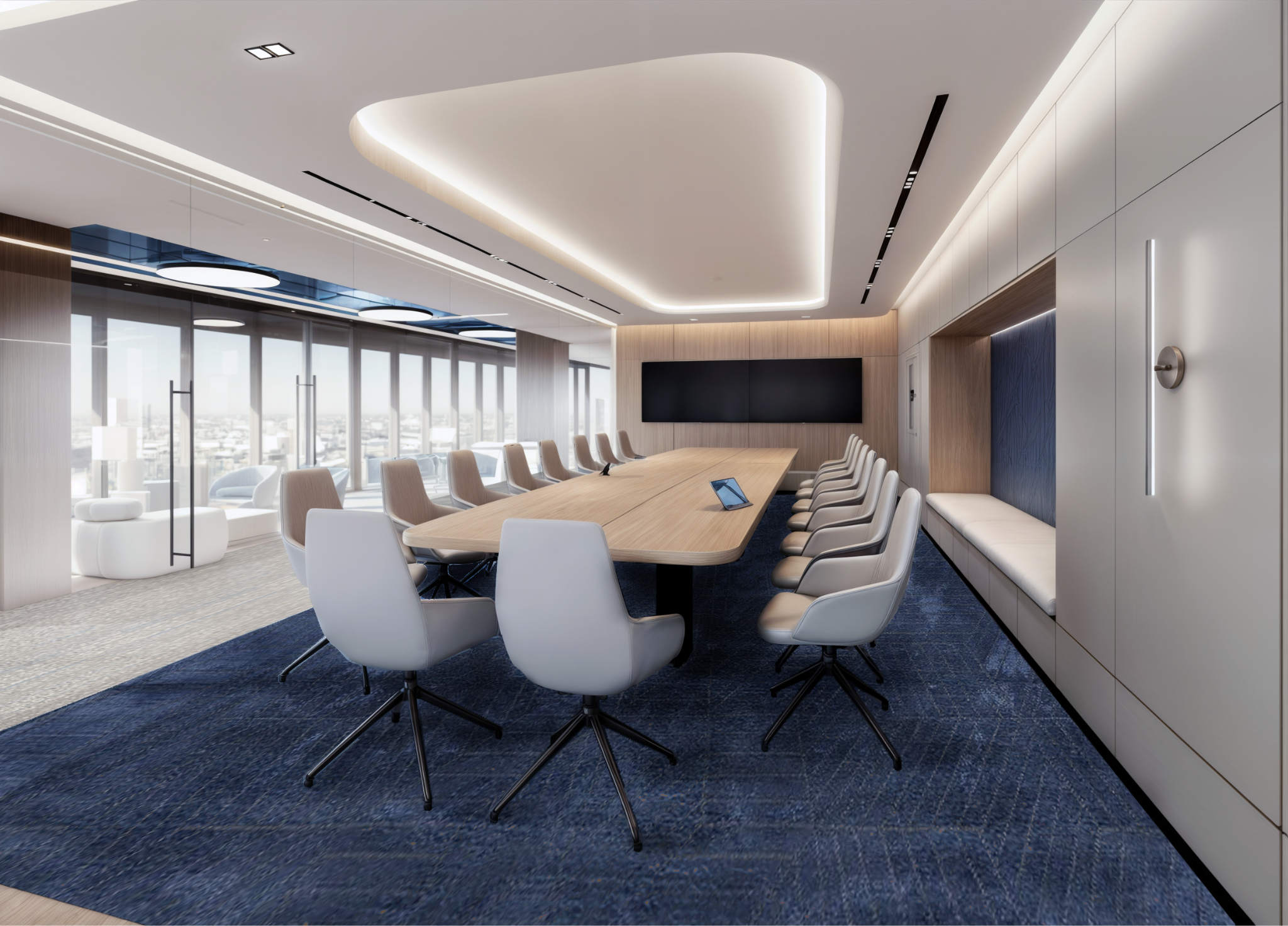
In Thailand, the workplace is undergoing a profound recalibration. Today’s offices move beyond simple metrics of efficiency or density to become curated environments where culture, wellbeing, technology, and brand identity converge to shape the employee experience. As Bangkok continues to position itself as a regional business hub, organisations are increasingly investing in premium workplaces that reflect both global ambition and local nuance.

This shift represents a philosophical evolution in design. The modern office serves as a space where organisations express their identity, serving a role far more significant than that of a conventional workspace. Across Thailand, workplace design is no longer treated as a functional necessity but as a strategic instrument, shaping culture, reinforcing brand values, and supporting long-term business performance.

There is a visible flight to quality throughout the market. Companies are seeking environments that attract talent, strengthen collaboration, and respond to hybrid ways of working. Wellness is embedded into planning strategies. Technology is seamlessly integrated rather than appended. Sustainability considerations increasingly inform material selection and spatial configuration.

Bangkok, in particular, is emerging as a city where workplace design is becoming a strategic differentiator rather than a functional afterthought. Against this backdrop, projects such as the new Watsons Thailand headquarters illustrate how thoughtful design can translate corporate ethos into lived spatial experience.


Emotion as Infrastructure: Watsons Thailand

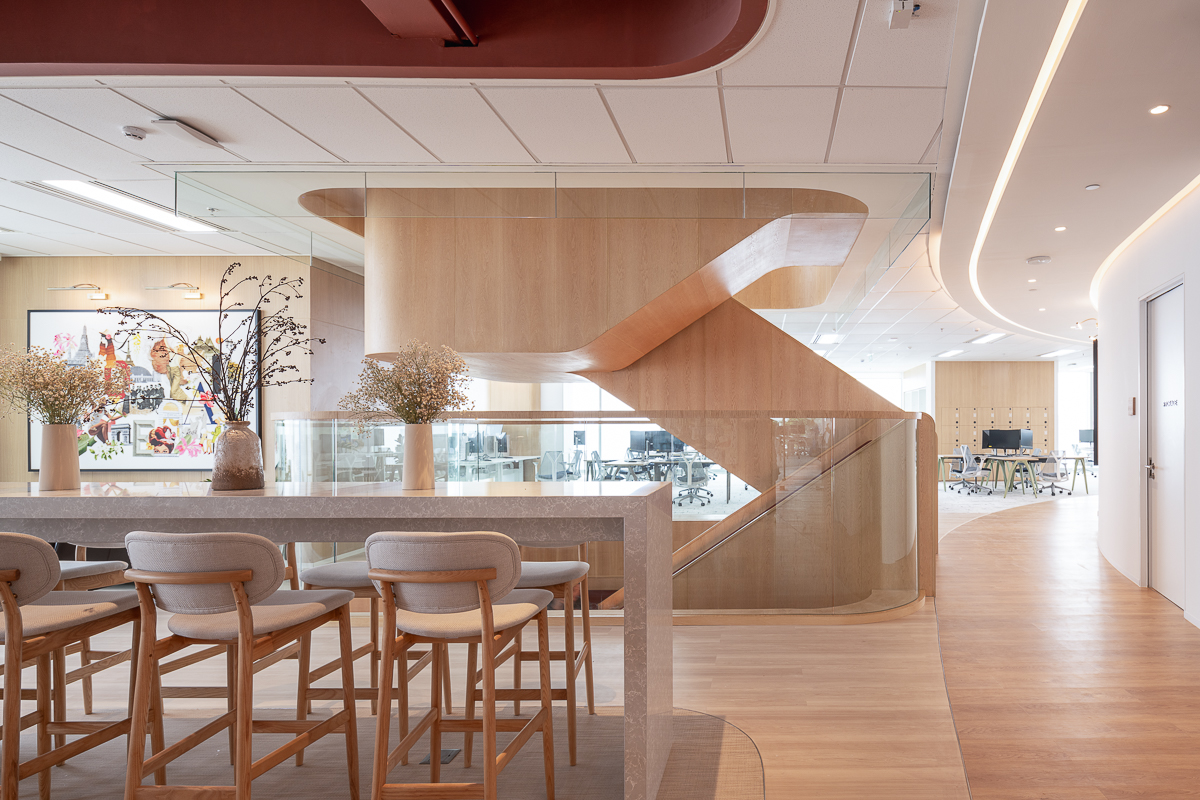
While many contemporary workplaces prioritise operational clarity, the new Watsons Thailand headquarters explores the human element of emotion. Spanning over 3,200 square meters across one and a half floors at Grande Centre Point Lumphini Tower, the workplace is anchored in a deceptively simple question:

“How are you feeling today?”

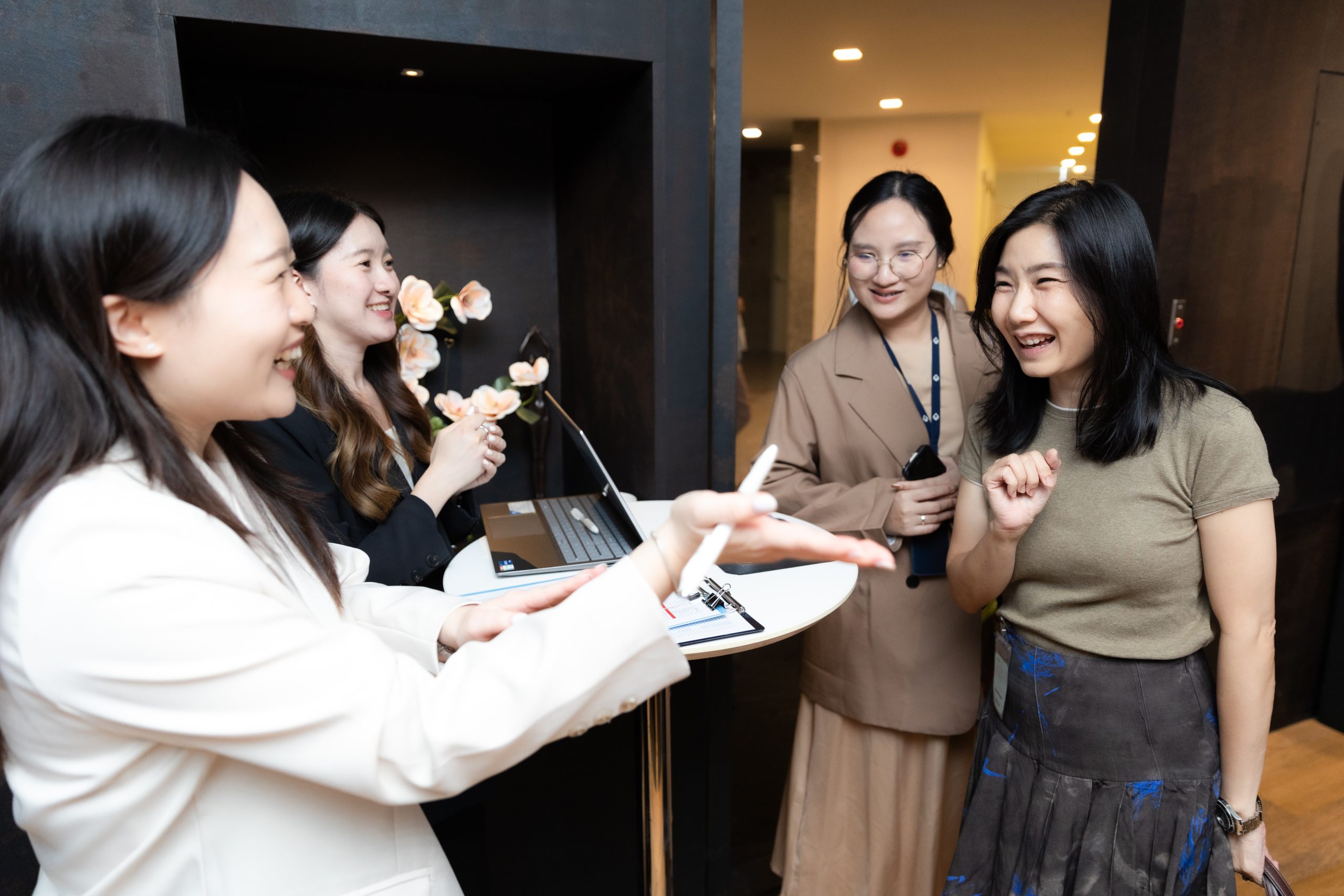
From this starting point, the design translates the brand’s motto of Look Good, Do Good, Feel Great into an immersive spatial narrative that supports both performance and wellbeing. The arrival experience on the 19th floor sets the tone. Visitors are welcomed into a vibrant lobby and co-working environment that signals openness and community. Adjacent training rooms, a live studio, and a photo-shoot space reflect the evolving nature of retail organizations, where content creation and rapid collaboration are integral to business strategy. Above, the 20th floor houses executive leadership alongside core departments including finance, legal, marketing, supply chain, and digital teams, reinforcing connectivity across the organization.

Design expression unfolds across three experiential pillars:

Look Good introduces bold accents, shimmering finishes, and sleek architectural lines to project vitality and forward momentum.

Do Good centers on wellness, pairing organic textures with ergonomic furniture and biophilic elements that soften the corporate landscape.

Feel Great prioritizes emotional comfort through rounded forms, gentle material transitions, and moments of motivational brightness that cultivate belonging.

Together, these layers transform the office into a social ecosystem designed to energize, support, and inspire, looking past its function as a mere place of work. Notably, the project was conceived as a turnkey solution, enabling seamless integration from concept through execution and ensuring that design intent remained uncompromised at every stage.


Designing for a New Workforce Era

The Watsons Thailand headquarters reflects broader trajectories shaping Thailand’s workplace sector. Organisations are moving toward environments that:

  • prioritise experience alongside efficiency
  • support hybrid and collaborative modes of working
  • embed wellness into the architectural framework
  • express brand identity with greater confidence
  • and increasingly align with sustainability goals

What distinguishes today’s most compelling workplaces is their ability to operate on multiple levels: practical, emotional, cultural, and symbolic.

In the case of Watsons Thailand, belonging is cultivated through energy and empathy. The project signals a future in which the workplace is no longer measured solely in square meters but in the quality of experience it delivers.

The workplace is no longer just infrastructure.

It is identity, strategy, and vision. Built.

Tags: Abu dhabi, Agile workspace, Archi, Architect, Architecture, Artist, Asia, Bangkok, Bar, BIM, Blog, Boutique, Business, Civic, Construction, Content, Creativity, Culture, Design, Designer, Digital, Digital technology, Digital transformation, Digitisation, Drink, Dubai, Education, Experience, F&B, Food, Future, Health, Hicap, Ho chi minh, Hospitality, Hotel, Hotel design, Information, Innovation, Interior, Interior design, Interior designer, Interview, Knowledge, Lebua, Lifestyle, Luxury, Luxury design, Luxury interior, Marriott, Profile, Residential, Restaurant, Saigon, Sky, Studio, Success, Sustainibility, Tech, Technology, Thailand, Trends, Video, Vietnam, W hotel, Women
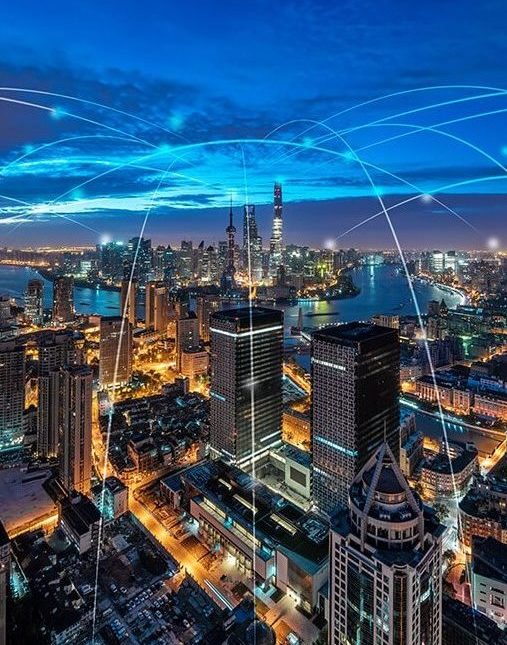
The Future Workplace, UAE

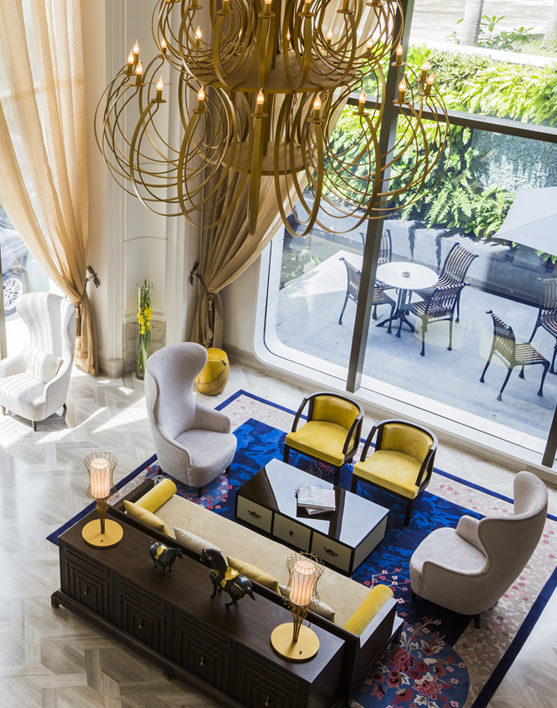
Across the UAE—and increasingly in Saudi Arabia—the workplace has emerged as one of the most strategic instruments of organisational performance. Far from the global narrative of the “death of the office,” the Gulf region is experiencing unprecedented demand for high-quality, experience-led workplace environments. Prime office vacancy in Dubai has fallen to near zero, while Grade A occupancy in Riyadh has reached record levels. This scarcity reflects a deeper shift: the workplace is no longer a cost to be minimised, but a platform for transformation, talent retention, and long-term value creation.

At dwp, a rapidly growing pipeline of workplace projects across the UAE and KSA reflects this reality. Clients are seeking more than efficiency—they are looking for environments that embody culture, wellbeing, sustainability, and adaptability. Our award-winning workplace experience positions us to respond to this shift with clarity and confidence.


From Cost Centre to Transformation Asset

Research into workplace trends across the UAE and KSA describes the current moment as a “Transformation Economy,” where physical environments are expected to actively contribute to professional growth, engagement, and organisational resilience. 

This shift is closely tied to national agendas such as UAE Energy Strategy 2050 and Saudi Vision 2030, both of which place human capital, innovation, and sustainability at the centre of economic development.

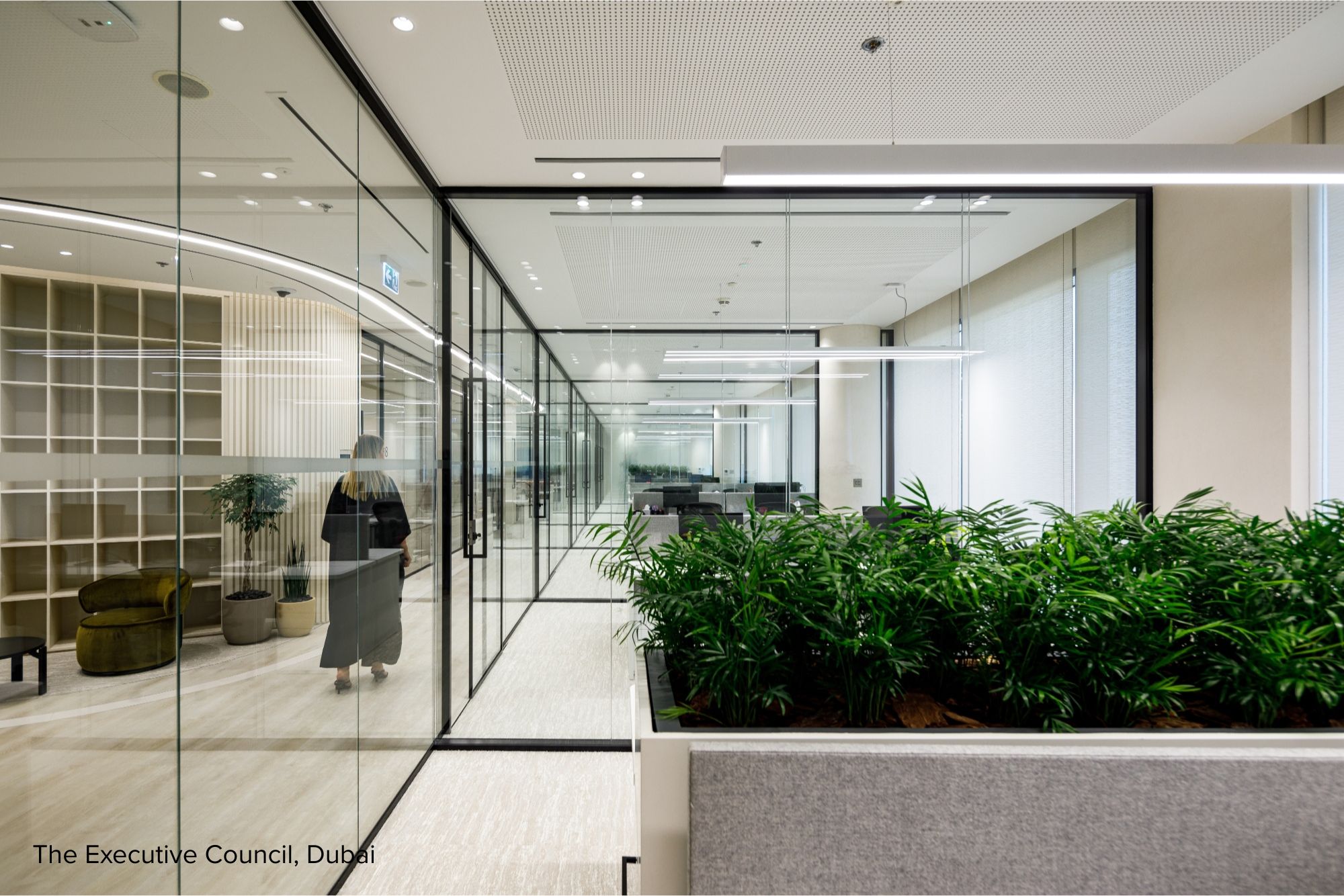
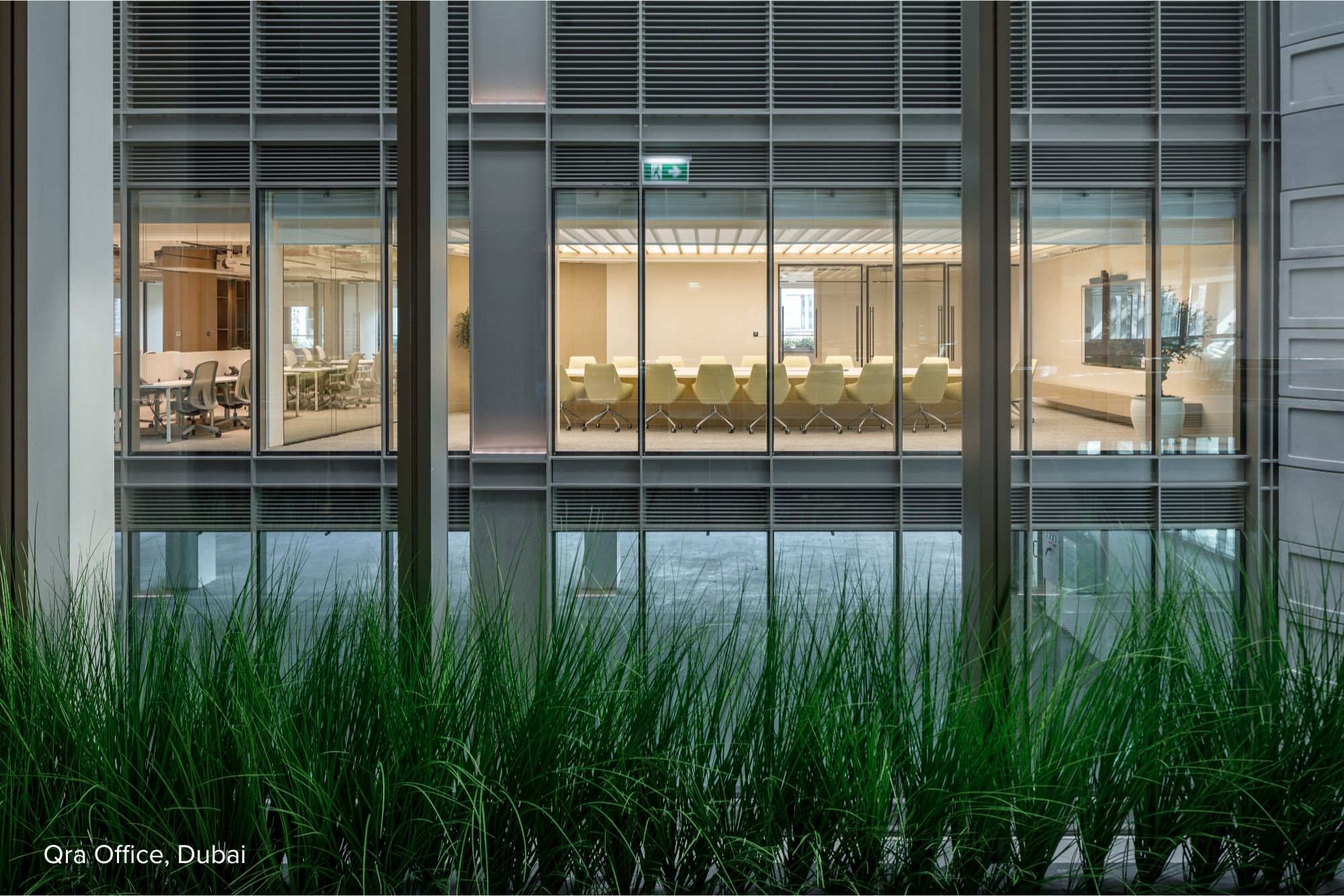
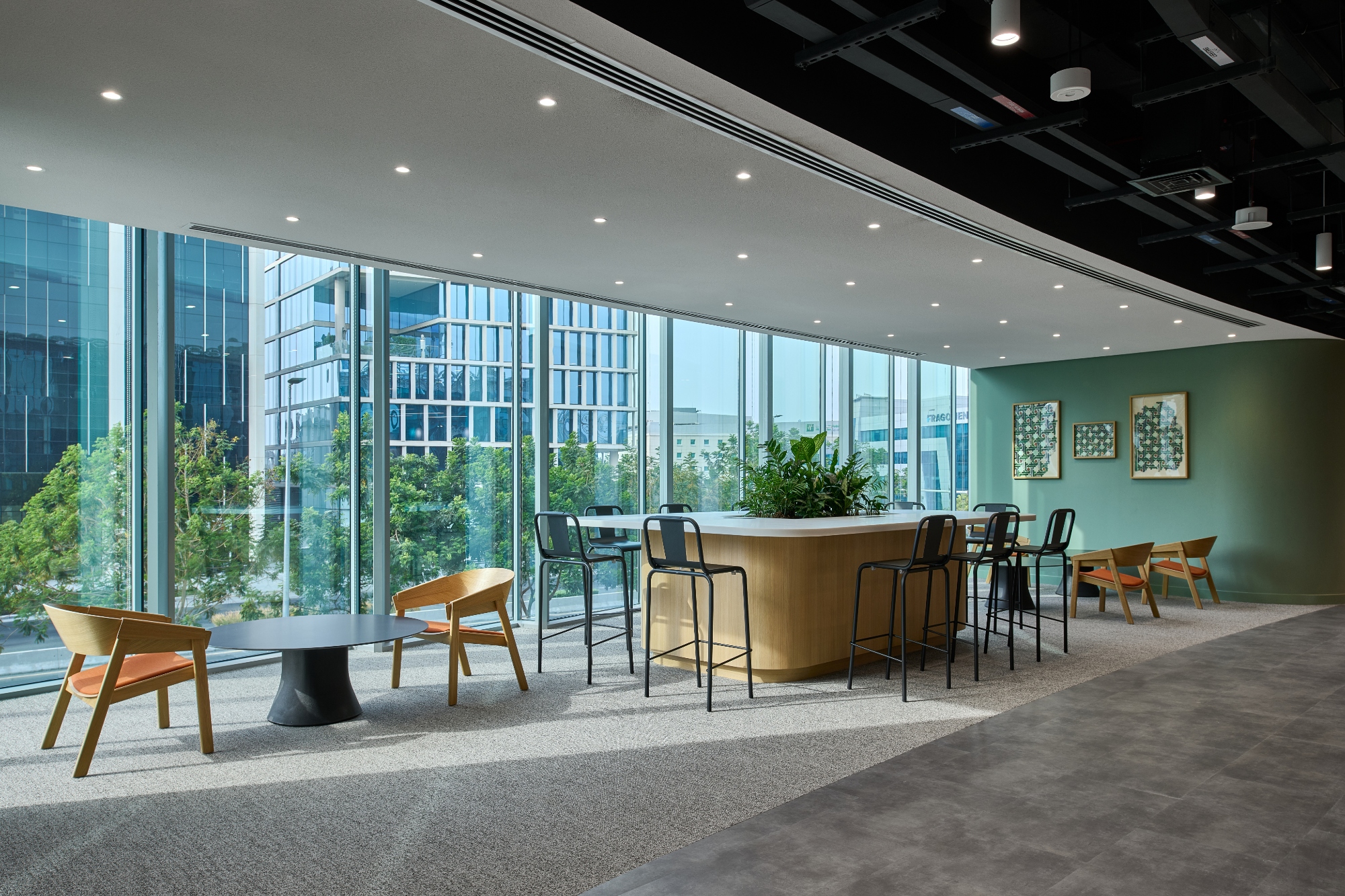
Recent workplace projects delivered by dwp in Dubai illustrate this evolution clearly. Rather than a conventional office fit-out, these environments are conceived as holistic ecosystems—spaces that support collaboration, reflection, and performance while reinforcing a client’s global identity within a distinctly regional context.


Hospitality Thinking and the Arrival Experience

One of the most pronounced trends shaping workplaces in the region is the influence of hospitality design. The research identifies the “street-to-seat” arrival sequence as a critical factor in employee perception and engagement, noting the psychological impact of first impressions on overall workplace satisfaction.

This approach is evident in recent Dubai workplaces designed by dwp, where the reception experience is treated as a curated journey rather than a transactional threshold. Arrival spaces are layered with natural materials, controlled lighting, sound, and subtle sensory cues to create a sense of calm and orientation. In one flagship Dubai office, the reception draws inspiration from native landscapes, integrating sculptural elements, programmed lighting, and ambient sound to create an immersive yet understated introduction to the workplace.


Cultural Context and Contemporary Heritage

Unlike many global markets, workplace design in the UAE and KSA places strong emphasis on cultural interpretation rather than abstraction. The research highlights a growing movement toward “Contemporary Heritage,” where traditional spatial typologies—such as the Majlis—are reimagined for modern corporate life.

Within dwp-designed workplaces in Dubai, this is reflected through non-hierarchical collaboration zones that prioritise dialogue, inclusivity, and shared purpose. Material palettes grounded in stone, timber, and natural finishes create a sense of regional authenticity, while contemporary detailing ensures alignment with global corporate standards. These spaces move beyond symbolism, functioning as active social and collaborative anchors within the workplace.


Wellbeing, Biophilia, and Neuro-Inclusive Design

Wellbeing has become a baseline expectation rather than an added amenity. The research points to a rise in neuro-inclusive design across the region—workplaces that accommodate different cognitive styles, sensory sensitivities, and modes of working.

In Dubai, dwp has applied these principles through biophilic design strategies that integrate natural light, organic materials, and spatial variety. Recent projects demonstrate how these elements can reduce stress and enhance cognitive performance, transforming the office into an urban sanctuary rather than a purely functional environment. Quiet focus zones, collaborative hubs, and moments of pause are carefully balanced to support both individual concentration and collective exchange.


Sustainability as a Design Imperative

Sustainability is no longer optional in the UAE workplace market. Regulatory frameworks and corporate ESG commitments are driving demand for offices that demonstrate measurable environmental performance. The research identifies a strong shift toward circular design principles, low-VOC materials, and energy-efficient systems suited to the region’s climate.

Recent dwp workplace projects in Dubai exemplify this approach, achieving the highest levels of environmental certification while maintaining a refined and human-centred design language. Sustainability is embedded not as a visual statement, but as an operational strategy—supporting long-term efficiency, occupant wellbeing, and asset value.

Technology, AI, and the Responsive Workplace

The UAE and KSA are global leaders in workplace technology adoption. With regional employees using AI tools at rates above the global average, the research highlights the emergence of “sentient workplaces”—environments that adapt in real time to user behaviour and occupancy patterns.

In practice, this translates into intelligent lighting, climate, and spatial systems that respond dynamically throughout the day. dwp integrates these technologies as an invisible layer within the workplace—enhancing comfort, efficiency, and flexibility without compromising the human experience. The result is a workplace that feels intuitive rather than automated, supporting hybrid working patterns while maintaining a strong sense of place.


A Regional Outlook Defined by Quality

While the UAE continues to consolidate its position as a global business hub, Saudi Arabia is expanding at unprecedented scale under Vision 2030. Despite different market drivers, both countries share a clear trajectory: a flight to quality, an emphasis on experience, and a growing expectation that the workplace should actively support people and purpose.

dwp’s expanding workplace portfolio across both markets reflects this convergence. By translating research insights into built environments—grounded in culture, sustainability, and behavioural understanding—we continue to shape workplaces that respond to today’s realities while anticipating tomorrow’s demands.


Designing What Comes Next

The future workplace in the UAE is not defined by aesthetics alone, but by intention. It is shaped by data, cultural intelligence, sustainability metrics, and human insight. As organisations continue to invest in the workplace as a strategic asset, design becomes a powerful enabler of transformation.

At dwp, our award-winning experience and regional presence allow us to operate confidently within this complexity—designing workplaces that are not only fit for the future, but actively shaping it.


Tags: Abu dhabi, Agile workspace, Archi, Architect, Architecture, Artist, Asia, Bangkok, Bar, BIM, Blog, Boutique, Business, Civic, Construction, Content, Creativity, Culture, Design, Designer, Digital, Digital technology, Digital transformation, Digitisation, Drink, Dubai, Education, Experience, F&B, Food, Future, Health, Hicap, Ho chi minh, Hospitality, Hotel, Hotel design, Information, Innovation, Interior, Interior design, Interior designer, Interview, Knowledge, Lebua, Lifestyle, Luxury, Luxury design, Luxury interior, Marriott, Profile, Residential, Restaurant, Saigon, Sky, Studio, Success, Sustainibility, Tech, Technology, Thailand, Trends, Video, Vietnam, W hotel, Women

Boundless Horizons: Reframing the Contemporary Vietnamese Workplace for Eximbank

The evolution of the corporate workplace in Vietnam follows the pace of rapid economic development and a new generation of business leadership. For Eximbank Vietnam offices, over 7 floors in the new mixed-use development at Fairmont Hanoi, the ambition for this project was clear. The goal was to create a Grade AAA- 29 Ly thai To office environment reflecting international excellence and a distinctly Vietnamese identity. 

The design response by dwp is Boundless Horizons. This concept reimagines the office as an immersive vertical journey through time, light and possibility. The project positions the workplace as a living narrative that mirrors the upward trajectory of Vietnam and the integral role Eximbank plays within the growth of the nation.

A Vertical Story of Light, Time, and Aspiration

At the heart of the design is a defining move that sets the project apart. The entire office is conceived as a story of the sky across a single day. dwp crafted a continuous experiential sequence that unfolds vertically as occupants and visitors move upward through the building.

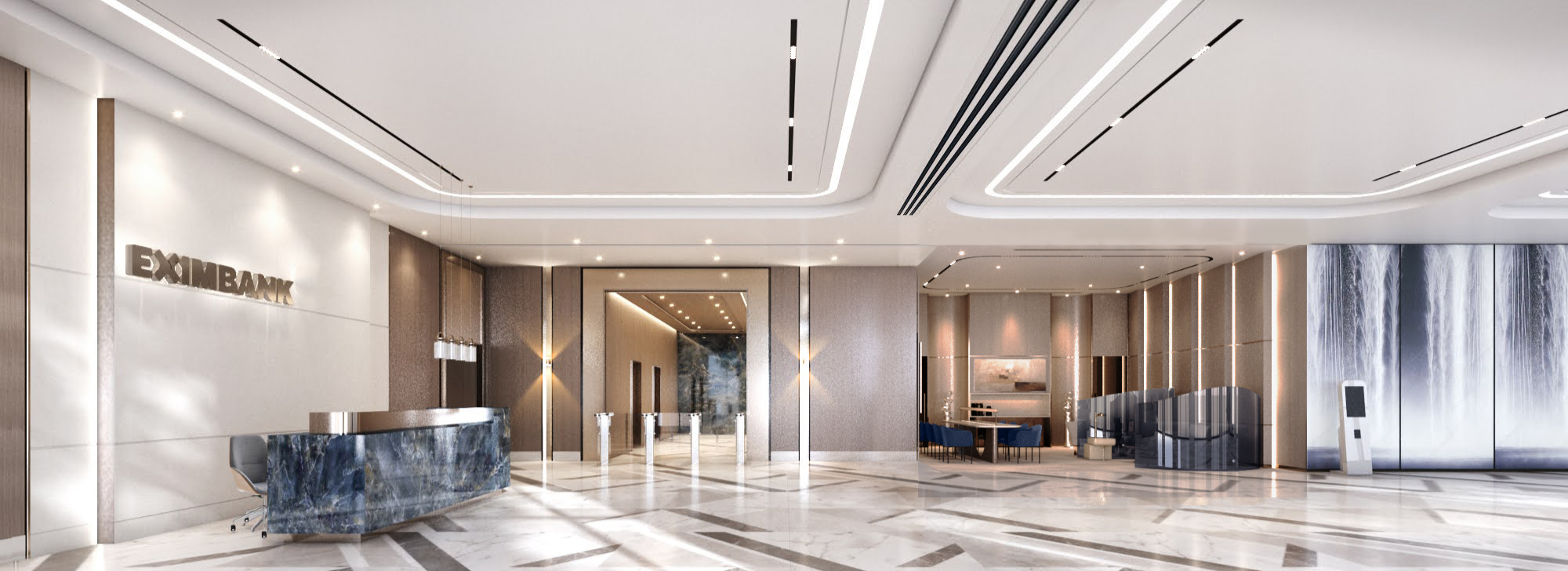
The journey begins at ground level with The First Light. The lobby captures the calm optimism of sunrise by using luminous marble surfaces, soft tonal transitions and warm metallic accents to create a moment of arrival that feels ceremonial and contemporary. It is here that first impressions are made: of Eximbank Vietnam as a forward-looking, culturally rooted organisation.

Ascending into the main office floors, the atmosphere shifts into Endless Blue, with a daylight inspired palette using the shades of blue from Eximbank’s corporate identity. These levels are defined by clarity and openness, that support efficiency, focus and collaboration. Technology is integrated into the architecture, reinforcing a workplace that is as intelligent as it is elegant.

At the executive levels, the narrative deepens into Golden Hour. Richer materials, warmer hues, and refined detailing establish a sense of gravitas and leadership: spaces designed for strategic decision-making, private discussions, and moments of reflection. The journey culminates at the top floor with Perpetual Dawn. This space, with its views to the lake over the tree-lined streets, embodies calm continuity and future vision, with the design suggesting longevity, renewal, and limitless potential 

Materiality as Meaning

Material selection plays a critical role in expressing this narrative. A refined palette of marbles, wood and laminates, acoustic panels, carpets, and metals, including stainless steel, bronze and copper, was curated to shift subtly from floor to floor, aligning with the changing moods of the sky. The purposeful use of materials as experiential tools,  guides movement, shapes atmosphere, and reinforces the emotional rhythm of the building, ensuring that each space feels intentional, coherent, and connected to the overarching concept. Materiality, spatial clarity, and a strong narrative framework combine to create an environment that feels both prestigious and welcoming.

Design aligned with Corporate Values and Brand

The design is an explicit architectural manifestation of Eximbank’s core values of Transparency, Excellence, and Innovation. The spatial layout prioritizes openness and clarity, particularly in the Endless Blue zones. Excellence is found in the precision of the detailing, while Innovation is driven by the integration of technology within the physical environment.

The bank’s Corporate Identity is woven into the very fabric of the building. In the lobby, the flooring patterns subtly incorporate the geometric “X” from the Eximbank logo. By abstracting this brand element into architectural form, the design reinforces the brand’s presence without relying on static signage. This integration of the signature blue palette across the workspace further aligns the physical environment with the bank’s professional heritage.

Sustainability with Local Intelligence

Sustainability considerations were embedded into the design process through the selection of low-carbon and locally sourced materials, including acoustic panels with high recycled content, carpets made from recycled fibres, and furniture incorporating reclaimed ocean plastics. These choices reinforce the project’s commitment to responsible design while supporting local supply chains; an increasingly important consideration in Vietnam’s rapidly developing construction sector.

A New Benchmark for Vietnam’s Corporate Interiors

Boundless Horizons represents a definitive statement about the direction of the Vietnamese financial sector.  By weaving together cultural reference, architectural storytelling, advanced workplace strategy, and sustainability, the Eximbank Vietnam offices set a new benchmark for corporate environments in Vietnam. In transforming an office tower into a narrative of light, time, and aspiration, dwp has created a workplace that supports productivity and reflects confidence, continuity, and a boundless outlook on the future.


Tags: Abu dhabi, Agile workspace, Archi, Architect, Architecture, Artist, Asia, Bangkok, Bar, BIM, Blog, Boutique, Business, Civic, Construction, Content, Creativity, Culture, Design, Designer, Digital, Digital technology, Digital transformation, Digitisation, Drink, Dubai, Education, Experience, F&B, Food, Future, Health, Hicap, Ho chi minh, Hospitality, Hotel, Hotel design, Information, Innovation, Interior, Interior design, Interior designer, Interview, Knowledge, Lebua, Lifestyle, Luxury, Luxury design, Luxury interior, Marriott, Profile, Residential, Restaurant, Saigon, Sky, Studio, Success, Sustainibility, Tech, Technology, Thailand, Trends, Video, Vietnam, W hotel, Women
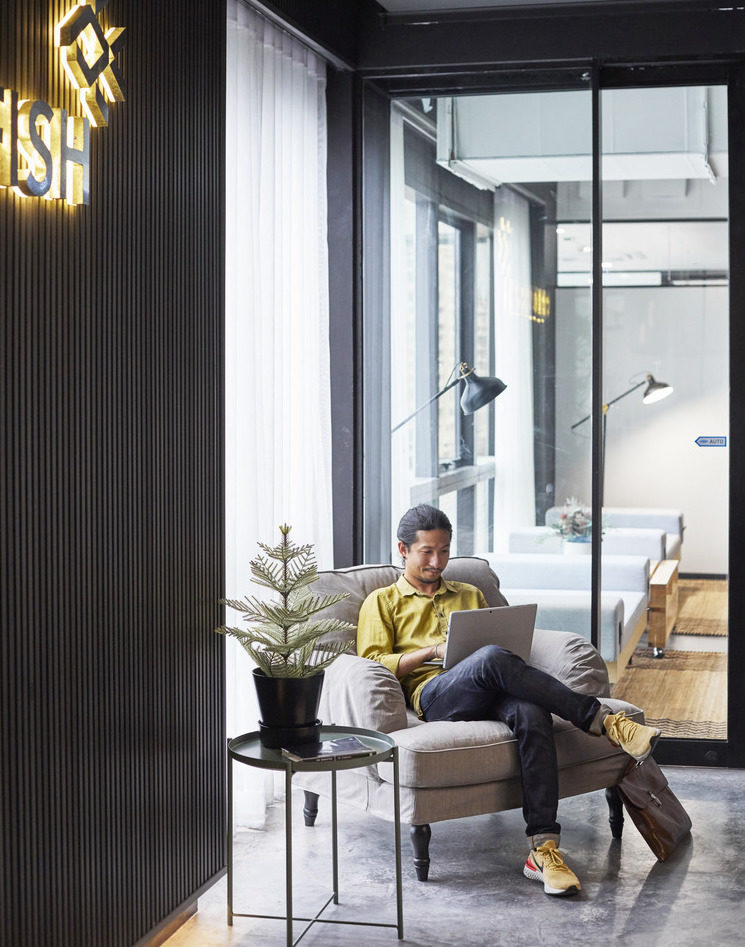
Total Design, Revisited: An Enduring Legacy for a Complex World

When Florence Knoll introduced the idea of Total Design in the mid-20th century, she was not proposing a style but a philosophy — one that rejected fragmentation and insisted that architecture, interiors, furniture, textiles, and planning be conceived as a single, coherent whole. More than seventy years later, as designers navigate hybrid work models, sustainability imperatives, and increasingly complex user expectations, Total Design feels not historic, but urgent.

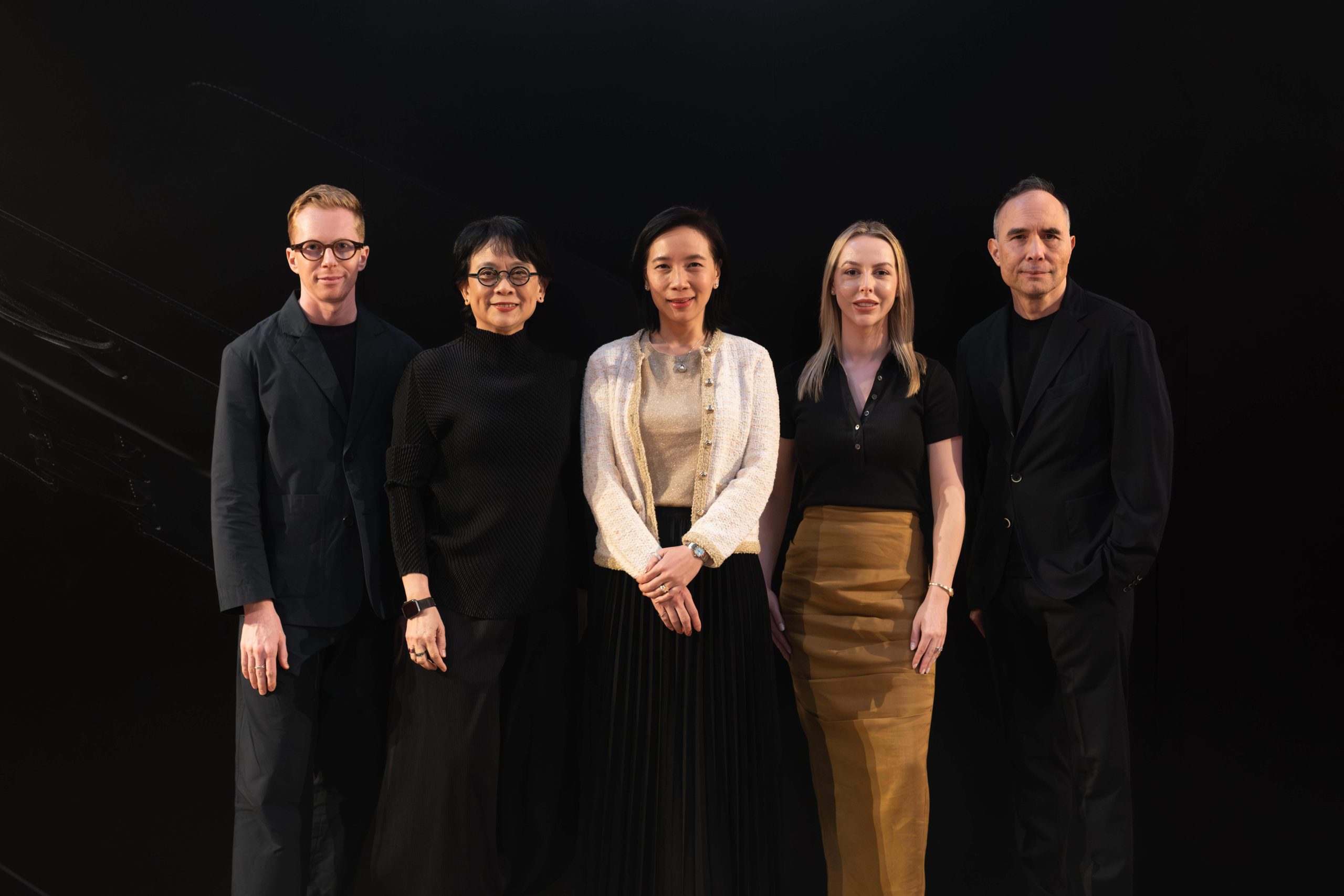
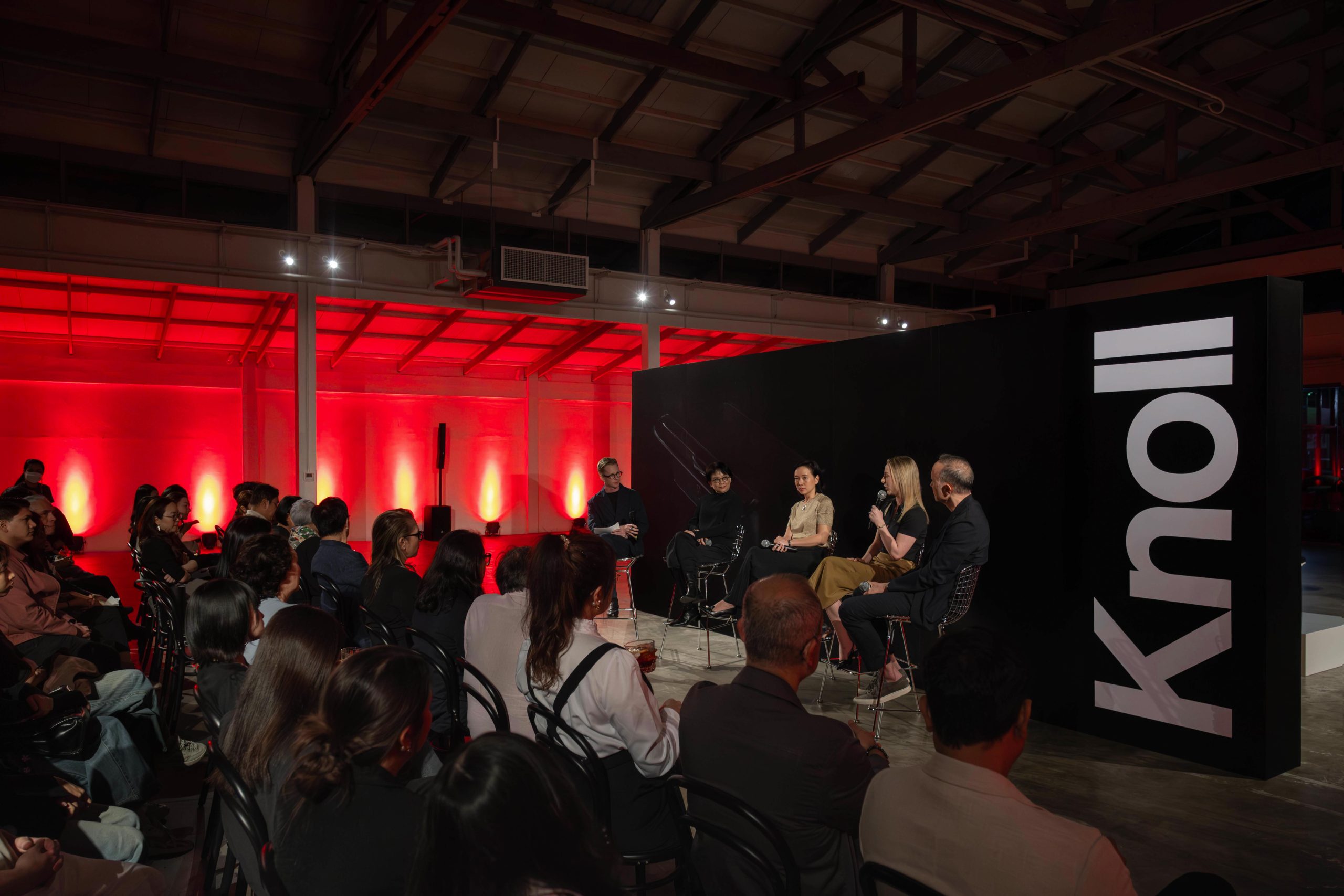
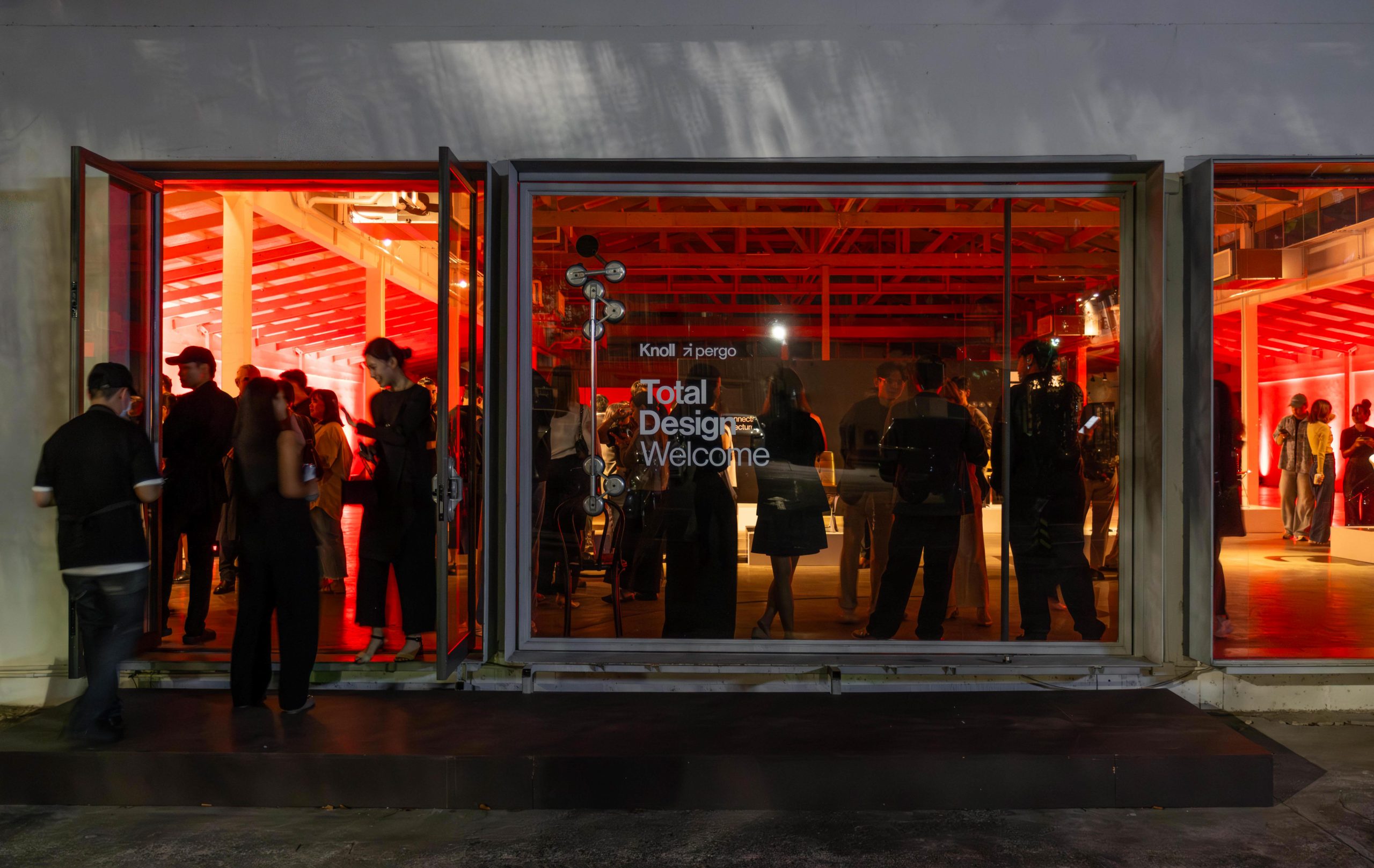
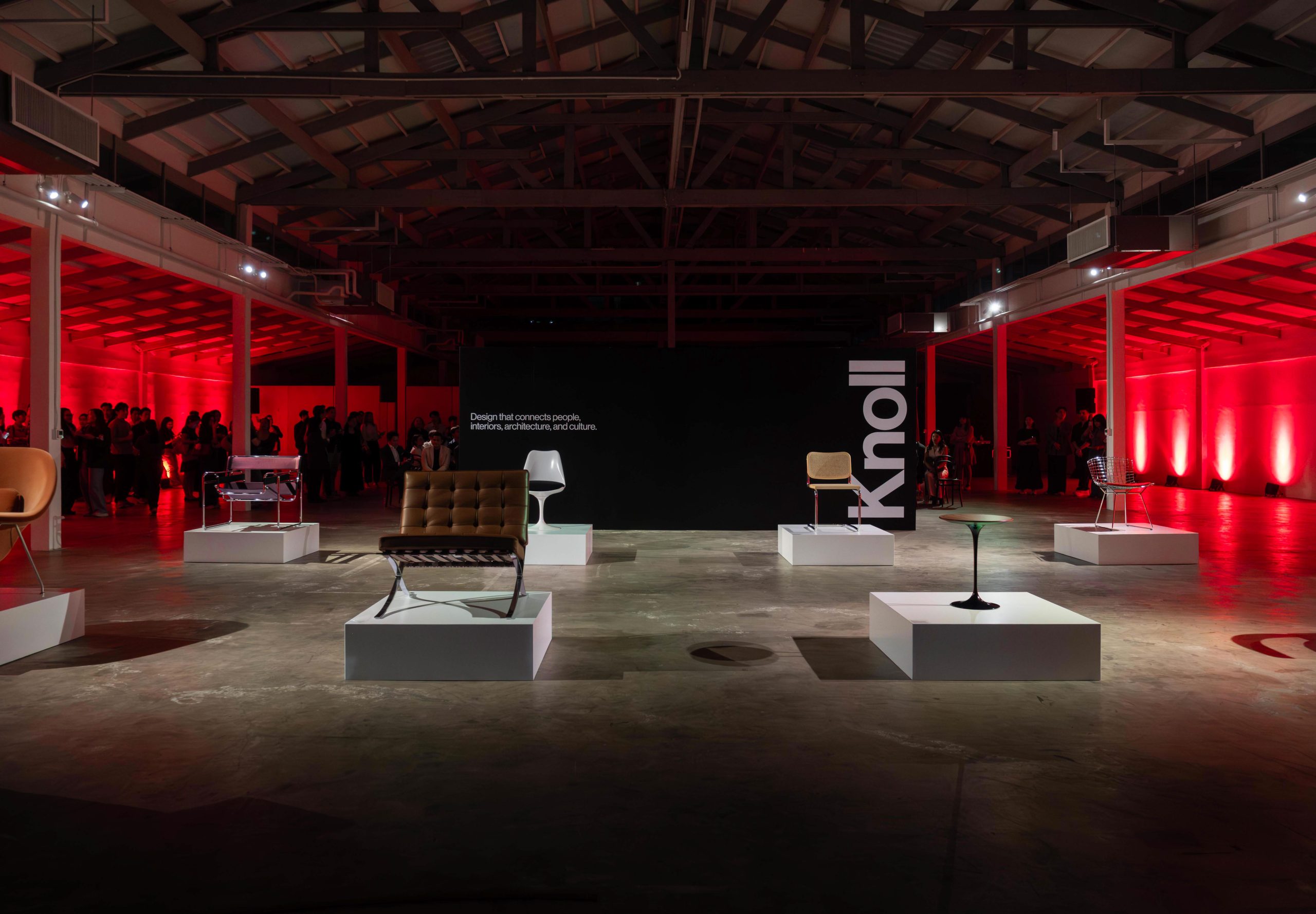
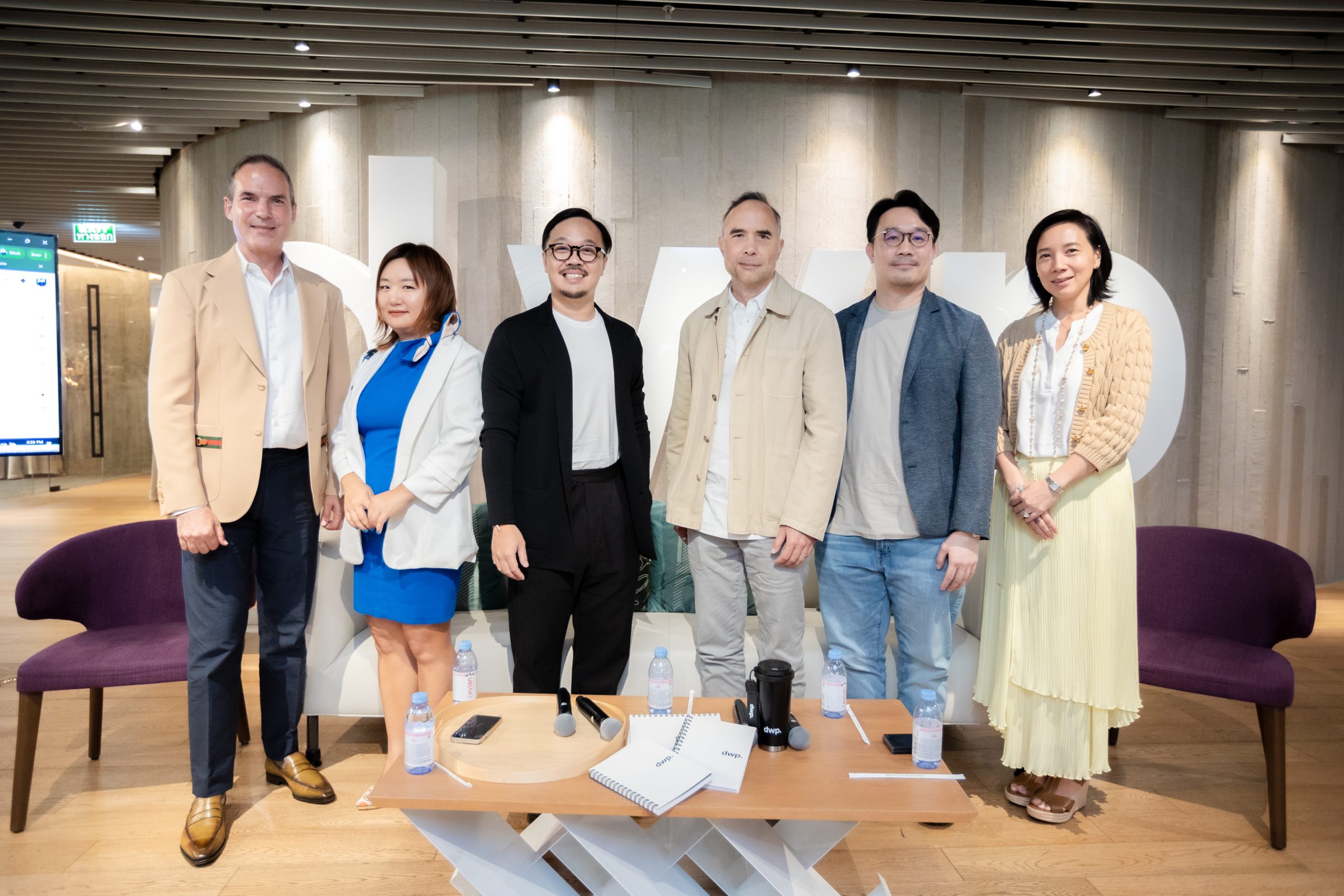
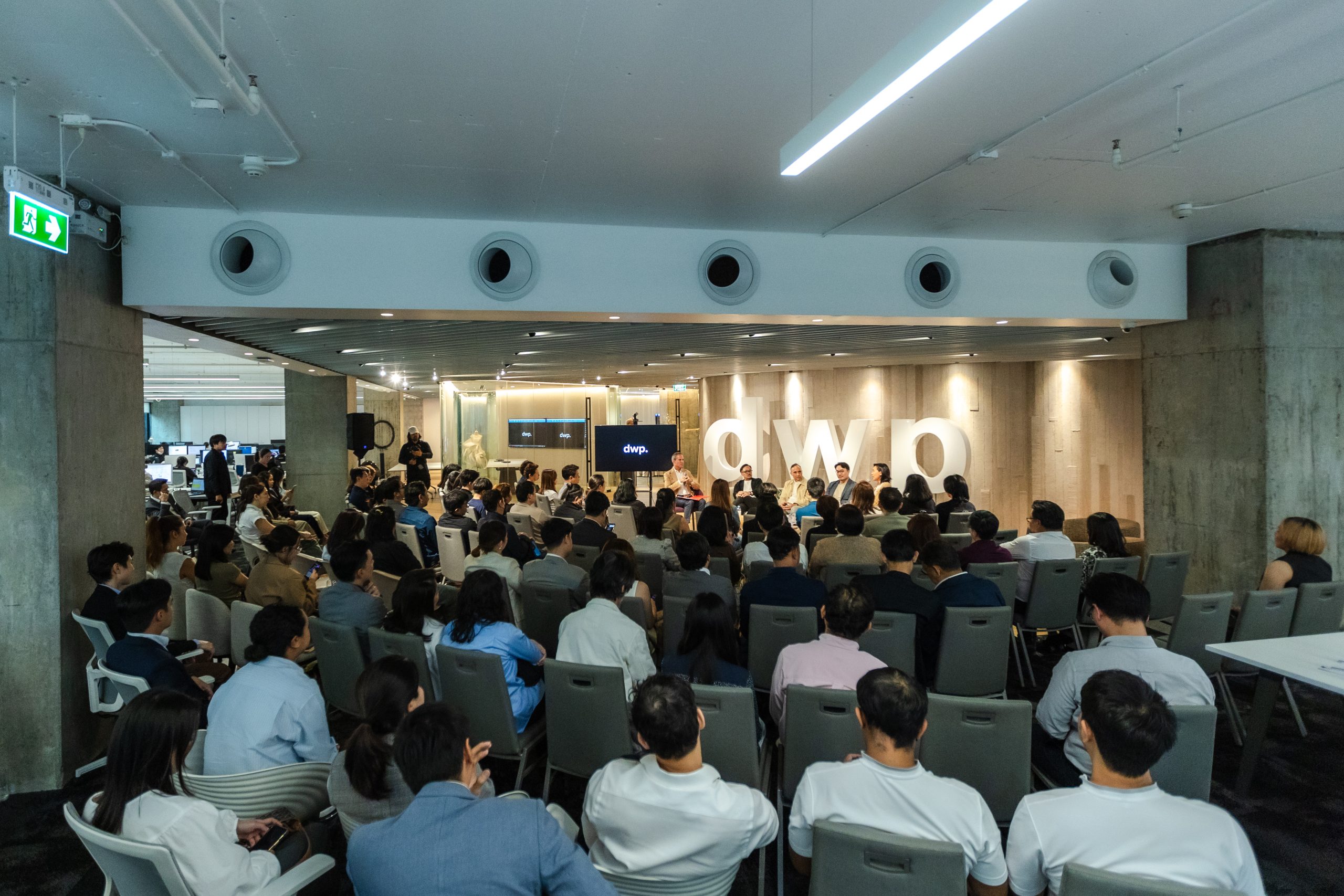
This idea anchored a recent panel hosted by Knoll in Bangkok, where designers and industry leaders gathered to revisit Total Design not as legacy, but as living practice. Now part of the MillerKnoll collective, Knoll remains uniquely positioned at the intersection of history and relevance — a brand that shaped modern interiors and continues to influence their evolution.

Florence Knoll and the Integrated Whole

Founded in New York in 1938, Knoll’s defining shift came in 1943 when Florence Knoll joined the firm. With an architectural education grounded in modernist rigor and systems thinking, she fundamentally reframed interior design.

Through the Knoll Planning Unit, she introduced what became known as Total Design — treating architecture, furniture, textiles, graphics, and spatial planning as inseparable parts of one system. Her “paste-ups” were not decorative collages but analytical tools that resolved form, function, and experience simultaneously.

The result was a decisive move away from decoration toward performance. Design became a service to the person inhabiting the space — and a strategic asset for organisations navigating growth and change.

Total Design Is Not a Look — It Is a Mindset

One of the most persistent misconceptions about Total Design is that it describes a visual language. In reality, it is a way of thinking — prioritising coherence over spectacle and clarity over trend.

Reflecting on Florence Knoll’s relevance today, Khun Sarinrath Kamolratanapiboon, Thailand CEO of dwp | design worldwide partnership, described Total Design as foundational:

“Florence Knoll was not just a historical figure — she was the original architect of the integrated mindset. Her belief that the building, the interior flow, and the chair you sit in are part of one continuous conversation still defines meaningful design today.”

As the built environment grows more layered and interdisciplinary, that mindset feels increasingly essential.

From Objects to Ecosystems

Total Design has evolved alongside the spaces it serves. Early applications focused on physical cohesion — furniture, finishes, and layout working in harmony. As organisations matured, it became a tool for spatial identity across workplace and hospitality environments.

Today, design operates at the scale of ecosystems. A space’s success is measured not only by how it looks, but by how it performs — acoustically, digitally, socially, and environmentally. Lighting, air quality, technology, and adaptability are now integral to experience rather than secondary considerations.

By conceiving environments as systems rather than collections of parts, Total Design offers a framework for navigating this complexity.

Bridging Vision and Reality

A recurring theme during the panel was the perceived tension between design ambition and commercial reality — a divide Total Design helps dissolve.

“We don’t see commercial realities and design vision as opposing forces,” Sarinrath noted. “Total Design becomes the bridge between them.”

Designing flexibility into architecture allows spaces to evolve without costly reconfiguration, while integrated planning reduces the friction that often arises when disciplines operate in silos.

“Total Design isn’t about being expensive,” she added. “It’s about being efficient. When architecture, furniture, textiles, and technology are designed as one organism, the entire system works better.”

Designing for the Hybrid Era

If Florence Knoll reshaped the post-war office, today’s designers face an equally transformative shift: hybrid, activity-based environments. Work is no longer tied to a single desk or location; spaces must support focus, collaboration, retreat, and social exchange — often simultaneously.

Here, Total Design proves remarkably contemporary.

“Design is ultimately a service to the person inhabiting the space,” Sarinrath reflected. “When architecture, furniture, and technology work as one, we don’t just build spaces — we create experiences.”

Rather than layering solutions onto fixed layouts, integrated design allows collaboration zones and focus areas to emerge naturally from the architecture itself.

Intelligence, Sustainability, and Longevity

While Florence Knoll relied on paste-ups, today’s designers extend Total Design through BIM, AI-assisted modelling, and digital twins — tools that simulate performance across time, cost, and use.

Yet technology alone does not define contemporary Total Design. Sustainability reframes it as a long-term responsibility.

“Timelessness is the ultimate sustainability strategy,” Sarinrath observed. “A space that doesn’t need to be demolished every five years because it feels dated is the greenest building possible.”

By prioritising longevity, adaptability, and material honesty, sustainability shifts from add-on to foundation.

Icons and Responsibility

Within a Total Design framework, iconic furniture is valued not for recognition but for contribution.

“An icon is a responsible choice only when it is the best tool for the job,” Sarinrath explained. “If a piece doesn’t contribute to the total experience, it doesn’t belong.”

This perspective treats design classics as high-performance instruments rather than symbolic gestures — reinforcing the importance of intentional placement.

Global Thinking, Local Intelligence

As design becomes increasingly global, Total Design offers a way to balance consistency with cultural specificity — aligning principles while allowing materials and craftsmanship to shape expression.

Reflecting on Florence Knoll’s legacy in Thailand, Sarinrath suggested she would challenge designers to move beyond surface references:

“She would push us to use local materials not as accents, but as structure — to take Thai craftsmanship and apply it with precision and discipline.”

Here, Total Design becomes a bridge between global modernism and local identity.

An Enduring Framework

As the panel concluded, one idea resonated clearly: Total Design is not a historical chapter, but a continuing conversation.

“Total Design is not about control,” Sarinrath concluded. “It’s about clarity — creating a system where every part belongs to the whole.”

From Florence Knoll’s Planning Unit to today’s intelligent environments, Total Design remains a powerful framework for relevance. In a world defined by complexity, it offers something increasingly rare: coherence.


Tags: Abu dhabi, Agile workspace, Archi, Architect, Architecture, Artist, Asia, Bangkok, Bar, BIM, Blog, Boutique, Business, Civic, Construction, Content, Creativity, Culture, Design, Designer, Digital, Digital technology, Digital transformation, Digitisation, Drink, Dubai, Education, Experience, F&B, Food, Future, Health, Hicap, Ho chi minh, Hospitality, Hotel, Hotel design, Information, Innovation, Interior, Interior design, Interior designer, Interview, Knowledge, Lebua, Lifestyle, Luxury, Luxury design, Luxury interior, Marriott, Profile, Residential, Restaurant, Saigon, Sky, Studio, Success, Sustainibility, Tech, Technology, Thailand, Trends, Video, Vietnam, W hotel, Women
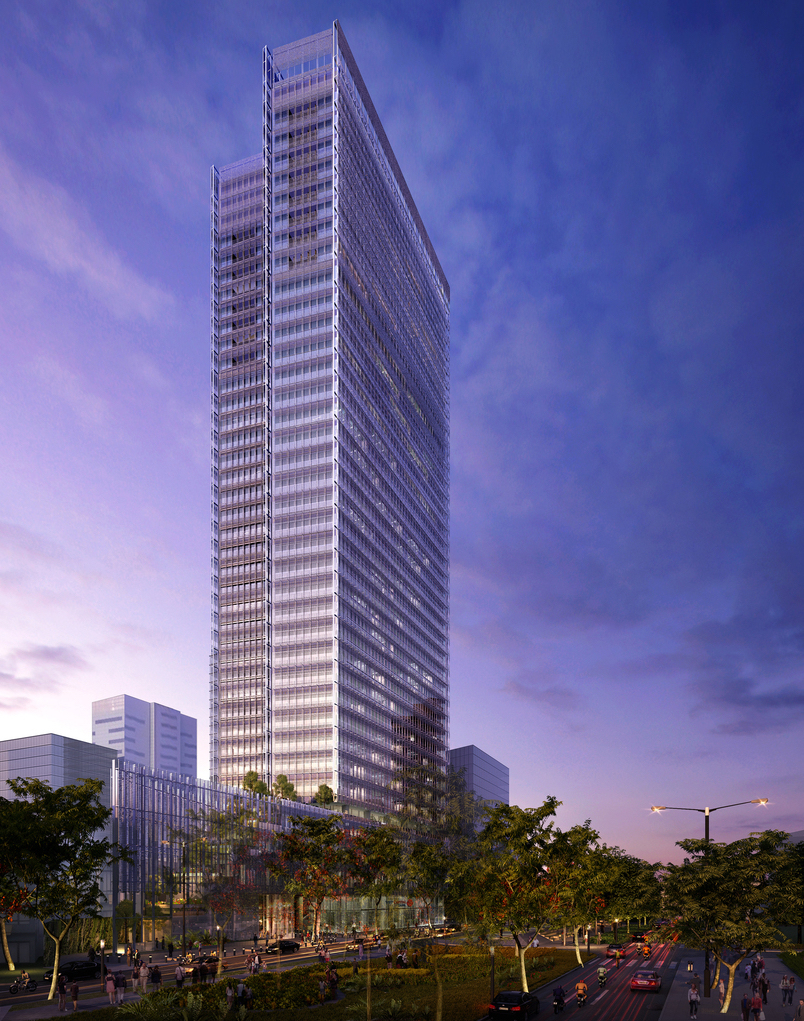
L’Oréal Thailand Office: Designing a Strategic Hub for Beauty, Diversity, and Connection

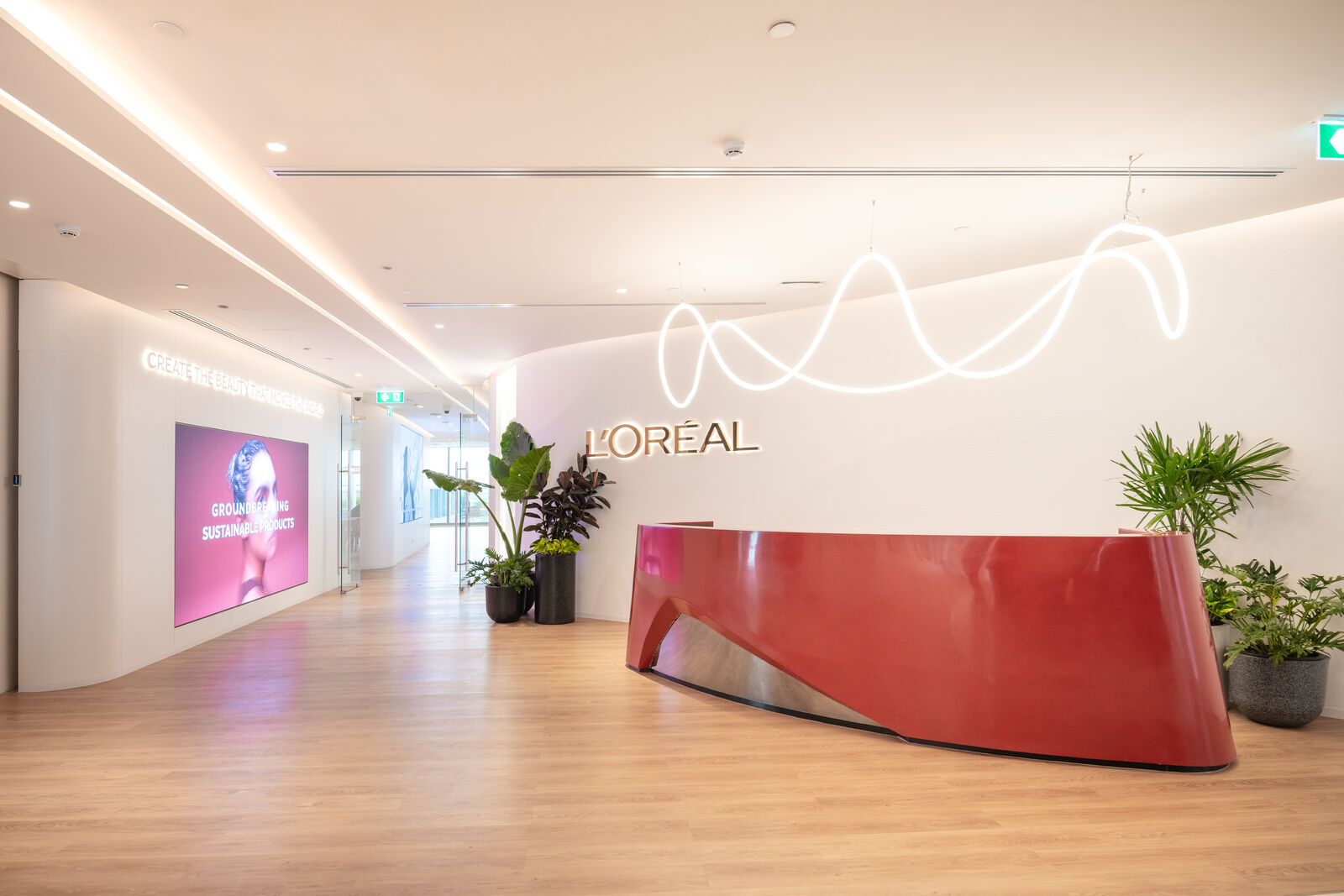
The L’Oréal Thailand office in Bangkok has achieved international award-winning success, with accolades including Gold Winner of the French Design Awards. This regional headquarters serves L’Oréal Thailand, Myanmar, Laos, and Cambodia. As one of the world’s most influential consumer brands, L’Oréal elevates its physical workplaces to align with its brand identity and global operational strategy. 

Following the success of the L’Oréal Thailand office, dwp has been commissioned to create a new regional headquarters for L’Oréal Middle East in Dubai. This demonstrates dwp’s commitment to a global delivery model, seamlessly combining specialised talent from our studios. Cross-studio collaboration integrates international design expertise with regional insight, ensuring that dwp delivers global excellence with local relevance.

Conceptualising a Regional Hub in Thailand

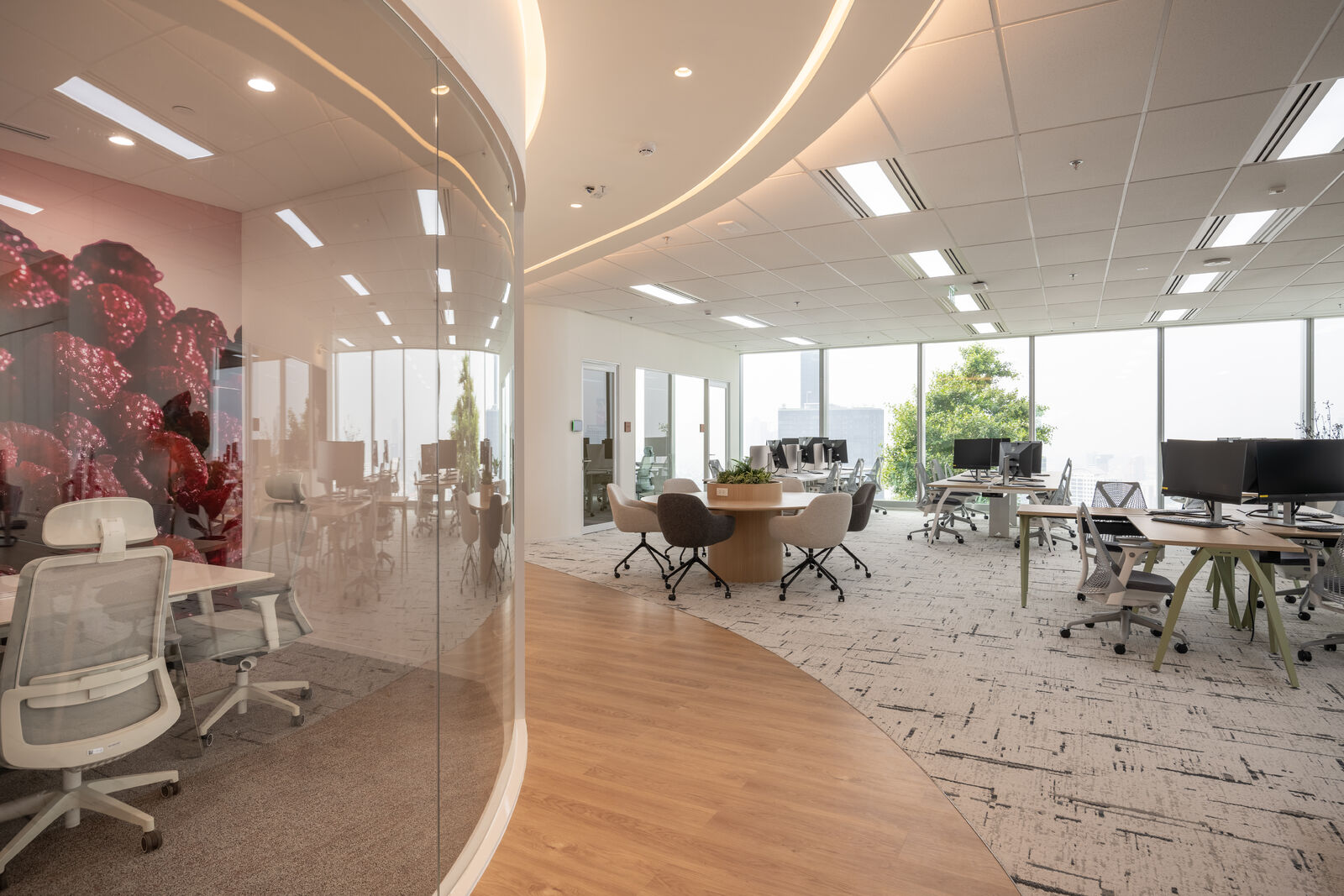
Design of this 4,500 Sqm office was driven by a core mandate: to design a workspace that actively embodies L’Oréal’s mission of celebrating beauty and diversity while fostering cross-market synergy across the South East Asia region.

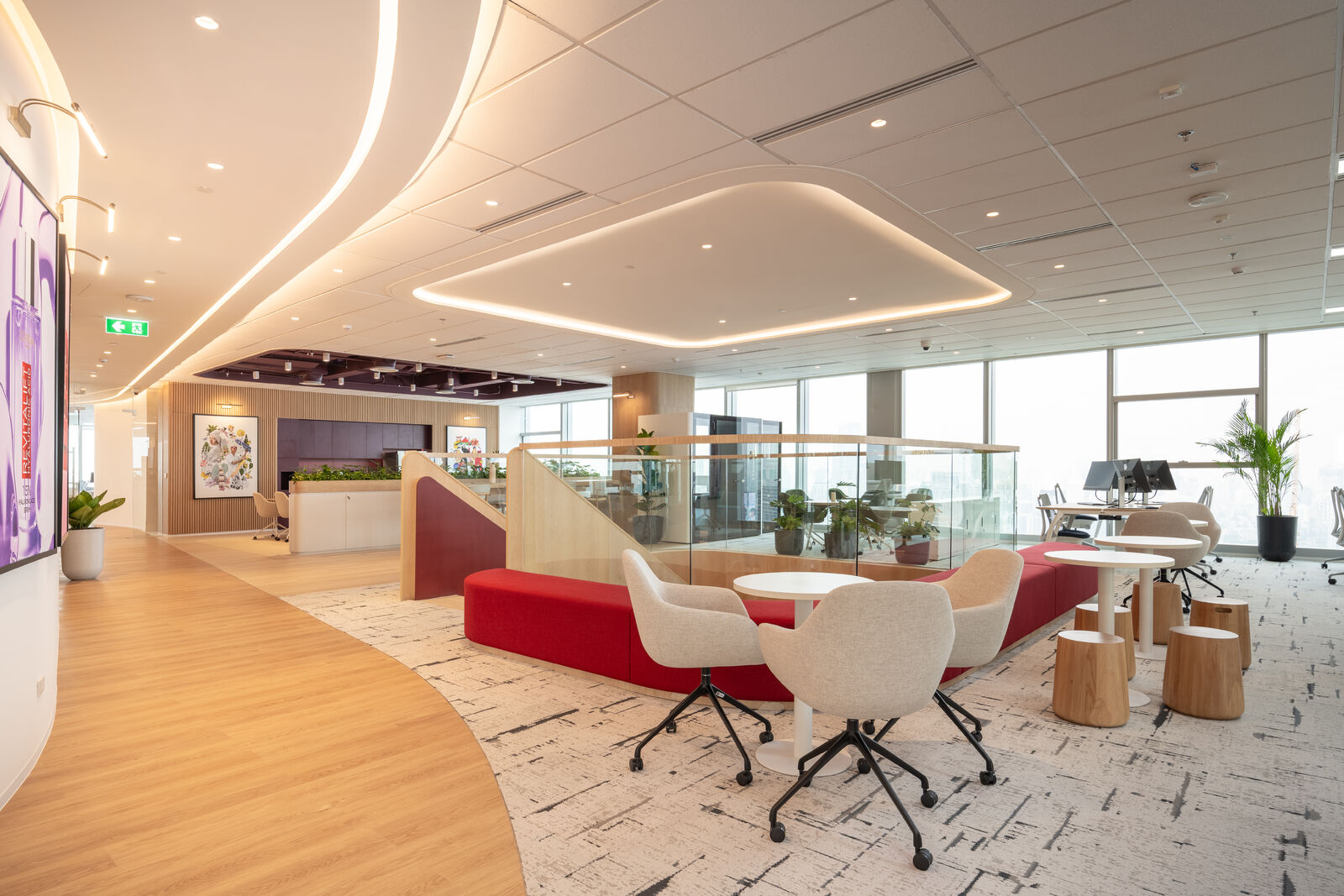
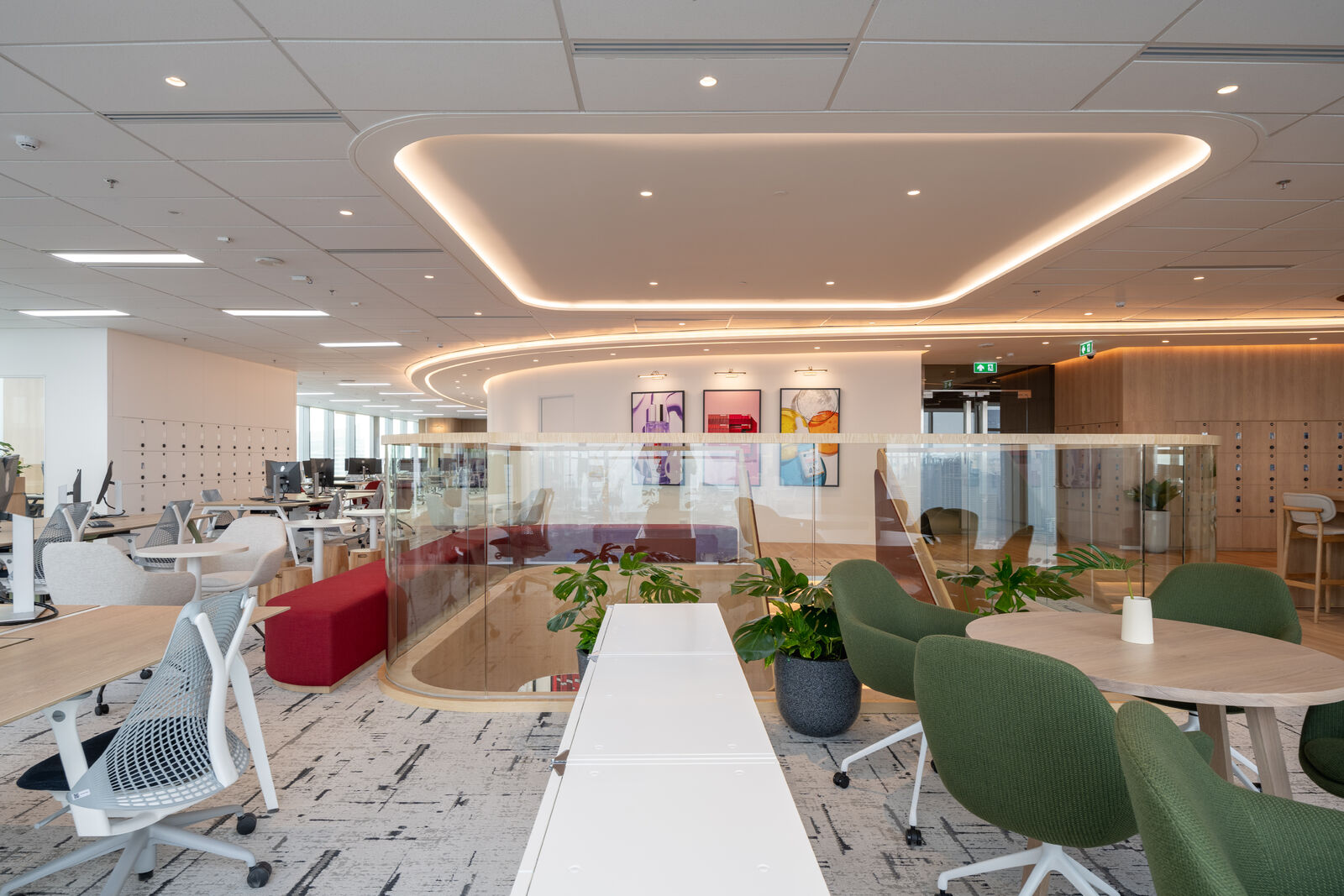
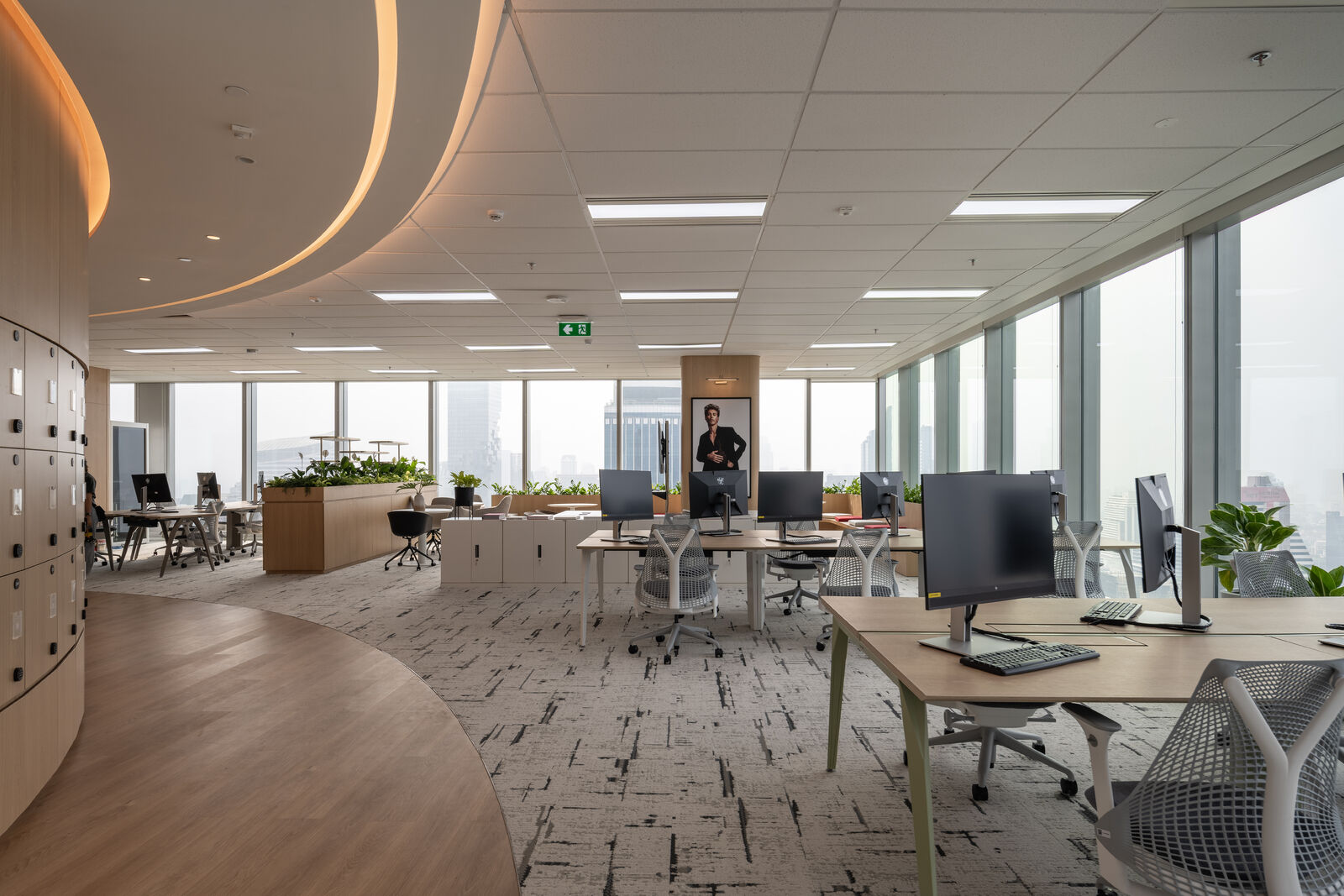
The conceptual design moves beyond conventional geometry, translating the idea of fluidity and interconnectedness into the architectural language. From L’Oréal’s purpose “We create the beauty that moves the world” and inspired by the concept of beauty and movement, the design features flowing, curved forms that define the spatial planning. This kinetic approach provides a central curved route around the building’s core, a deliberate, symbolic spine that enhances wayfinding, encourages unplanned social interactions, and visually links discrete work zones. This pathway is a catalyst for unity and spontaneous collaboration. The design provides flexible and communal zones—including collaboration pods, focus booths, and huddle rooms—directly supporting the demands of a hybrid work model based on activity-based working principles. This allows employees to choose spaces aligned with their tasks and encourages seamless transitions between individual focus and collaborative engagement.

Materiality, Authenticity, and Experience

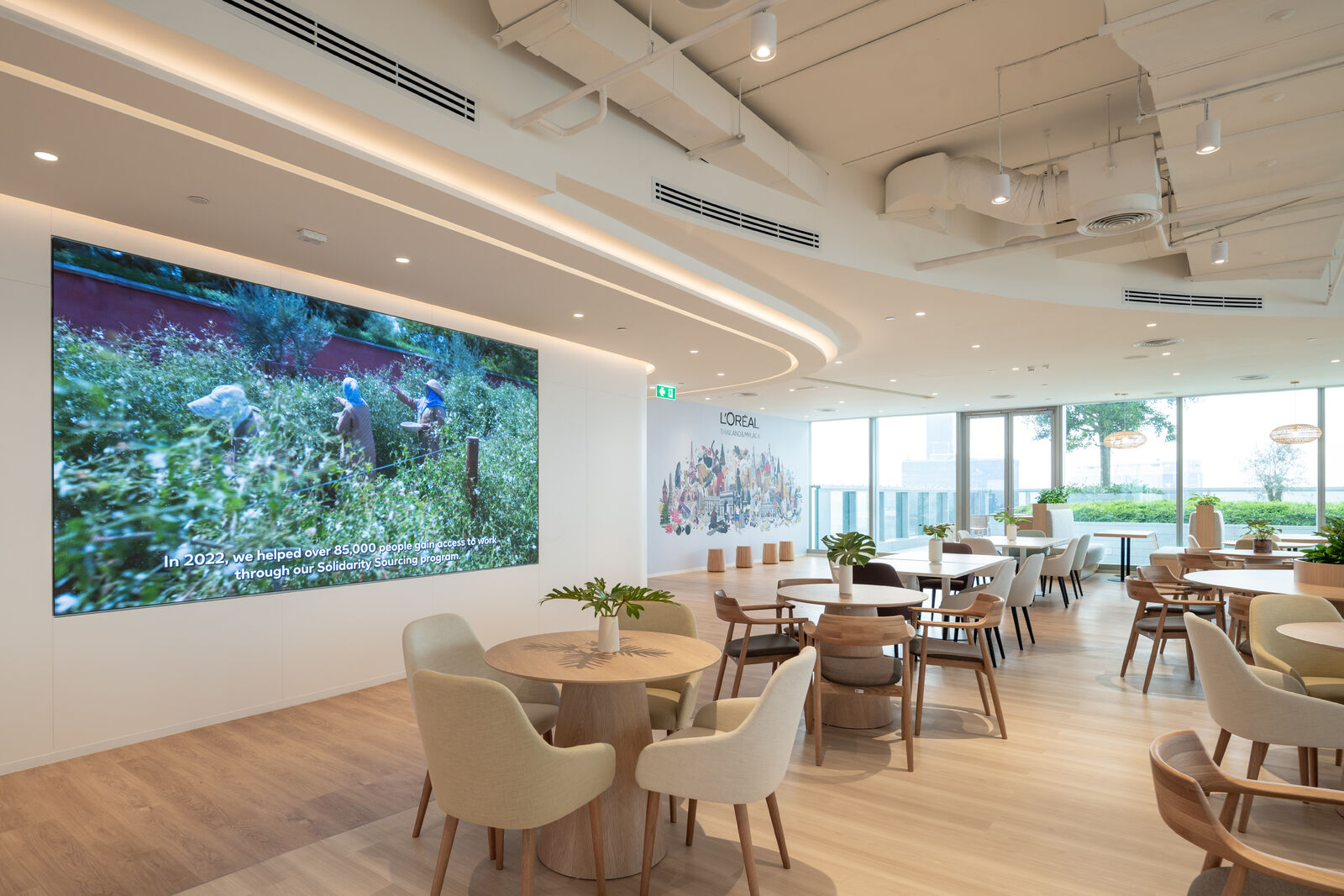
The selected materiality grounds the project in its location while maintaining a contemporary, cosmopolitan polish. The palette expertly merges global sophistication with regional context. Wood veneers, refined beige textured finishes, and high-quality flooring convey professional warmth and elegance. These are strategically contrasted with South East Asian-inspired patterns and colorful accents, which subtly echo the richness of local craft. This carefully calibrated material strategy results in an atmosphere that is both international and authentically rooted in local identity.

Communal zones, such as the re-imagined work cafe and ‘Place des Villages’ social hub, were designed to enhance cognitive comfort and efficiency. These spaces serve as powerful tools for talent retention and wellbeing. Specific interventions around the office include thoughtfully integrated mini cafés and dedicated waste management and recycling provisions.

Performance and Sustainability Imperatives

The design prioritizes performance and Environmental, Social, and Governance responsibility. Sustainability was a non-negotiable driver, extending beyond aesthetics to measurable outcomes. The project aligns with L’Oréal’s Green Building Standards and is guided by Life Cycle Assessment (LCA) principles to ensure measurable environmental performance throughout the project’s lifespan.

Sustainability strategies include minimizing the embodied carbon of new materials and integration of smart lighting and temperature controls to enhance efficiency and occupant comfort, contributing to long-term sustainability performance.

This project is more than the creation of a workplace; it is the physical embodiment of L’Oréal’s strategic vision. The L’Oréal Thailand office is positioned as a regional innovation and business accelerator, serving as a benchmark for how global brands can successfully translate a mission of diversity and beauty into a high-performance, culturally resonant, and sustainable workplace.


Tags: Abu dhabi, Agile workspace, Archi, Architect, Architecture, Artist, Asia, Bangkok, Bar, BIM, Blog, Boutique, Business, Civic, Construction, Content, Creativity, Culture, Design, Designer, Digital, Digital technology, Digital transformation, Digitisation, Drink, Dubai, Education, Experience, F&B, Food, Future, Health, Hicap, Ho chi minh, Hospitality, Hotel, Hotel design, Information, Innovation, Interior, Interior design, Interior designer, Interview, Knowledge, Lebua, Lifestyle, Luxury, Luxury design, Luxury interior, Marriott, Profile, Residential, Restaurant, Saigon, Sky, Studio, Success, Sustainibility, Tech, Technology, Thailand, Trends, Video, Vietnam, W hotel, Women

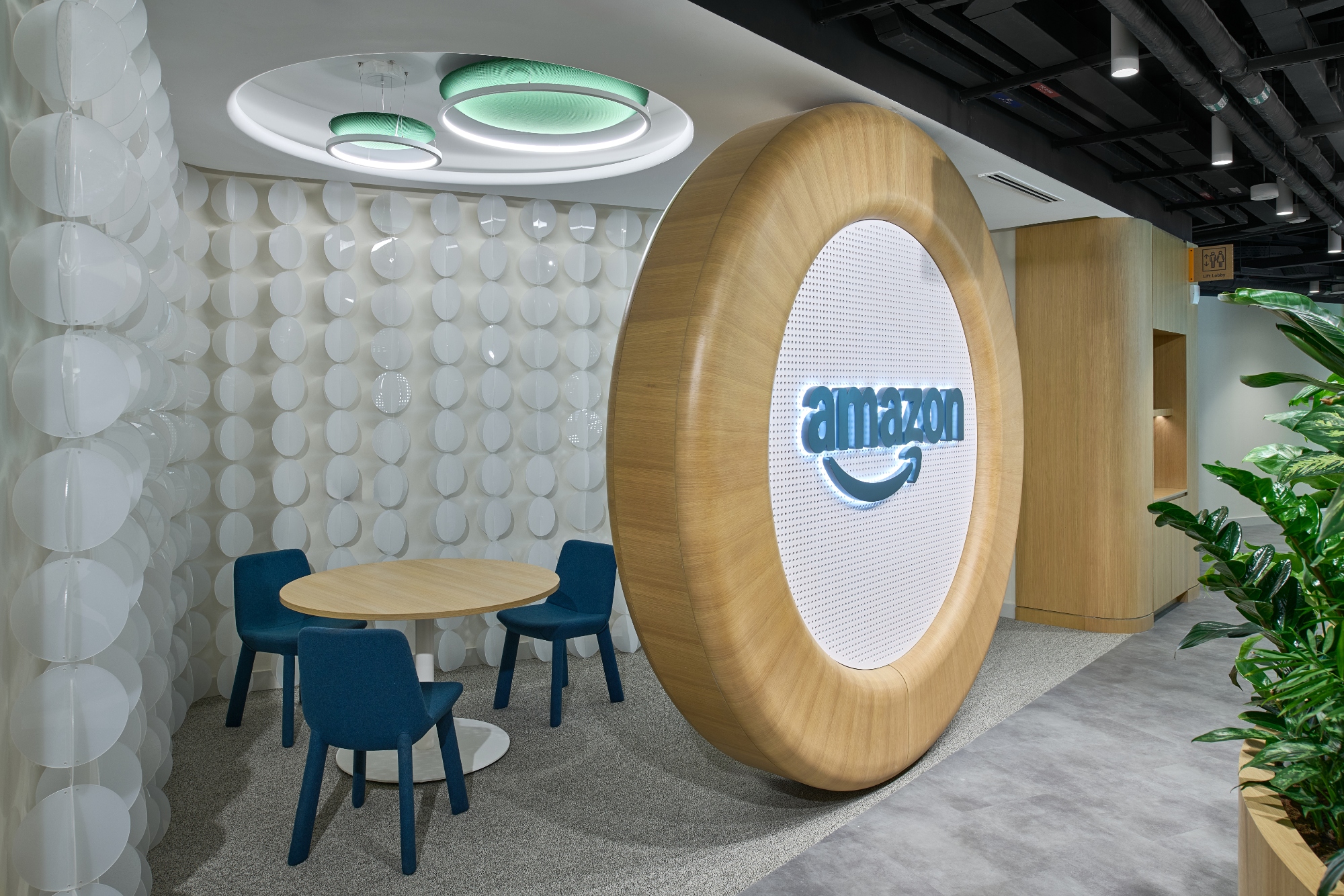
Amazon HQ – Building a Dubai headquarters around living systems

In a city where corporate headquarters typically announce themselves with marble and mirror, Amazon’s Dubai office takes a different approach. 

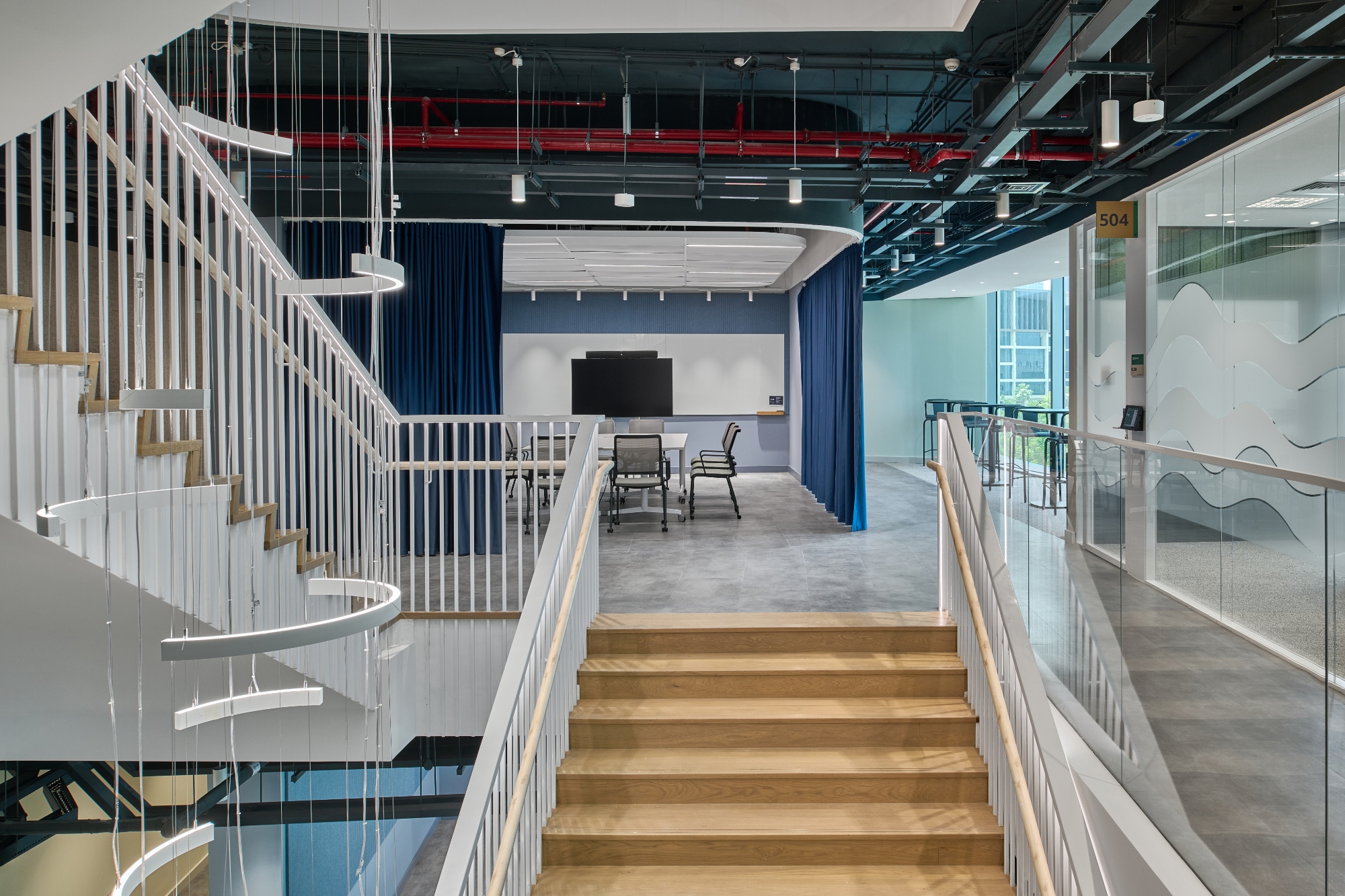
Developed in collaboration between London based IA and dwp, the 16,500-square-metre interior houses 2,443 staff across multiple floors. What makes it notable isn’t scale—it’s the decision to build the workspace around living systems rather than conventional fit-out.

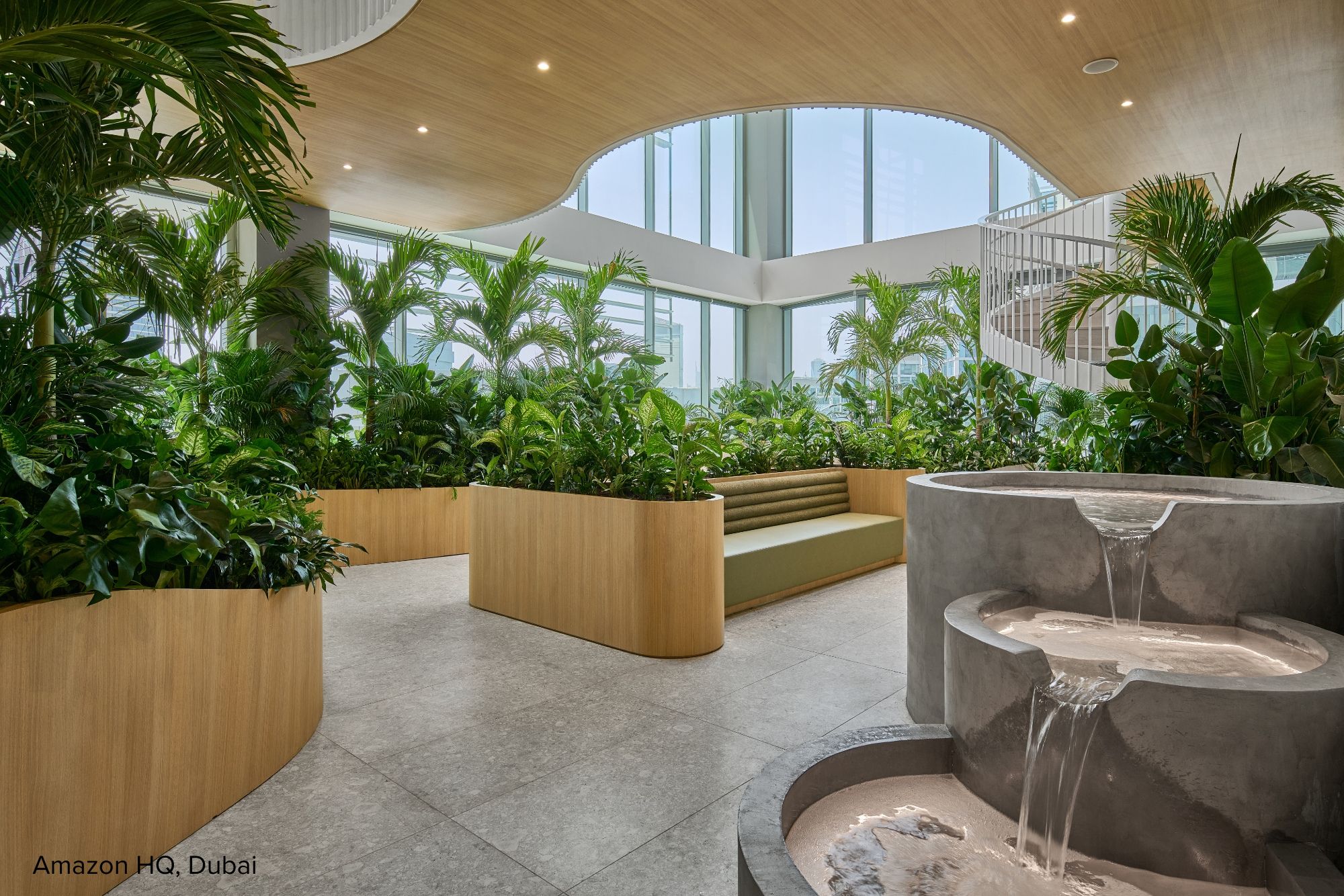
The concept centres on “Oasis in the Desert”—a framework that treats Dubai’s landscape and climate as design inputs rather than obstacles. The result is a workplace where vegetation isn’t decorative but structural, integrated into everything from circulation paths to acoustic strategy.

Living infrastructure

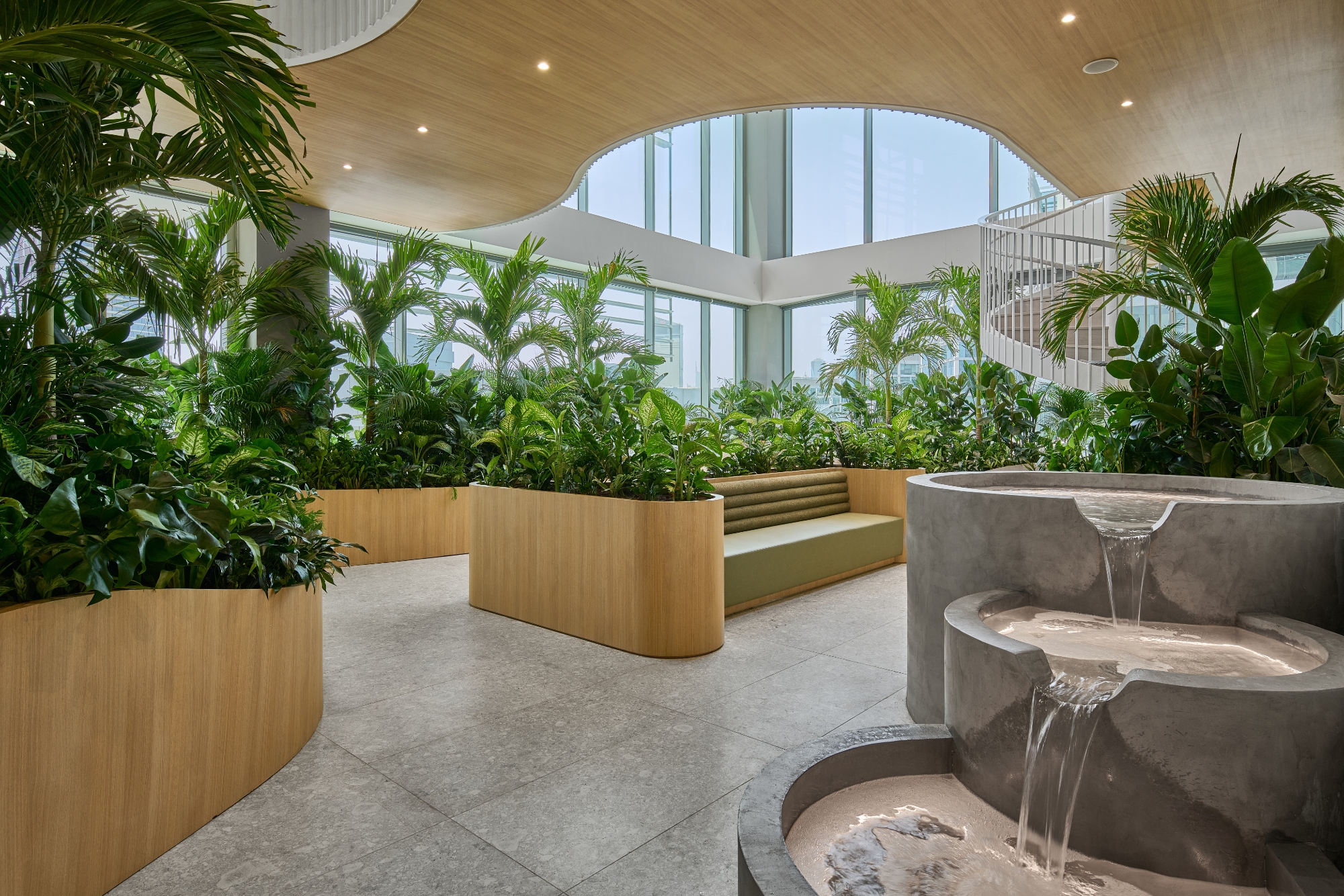
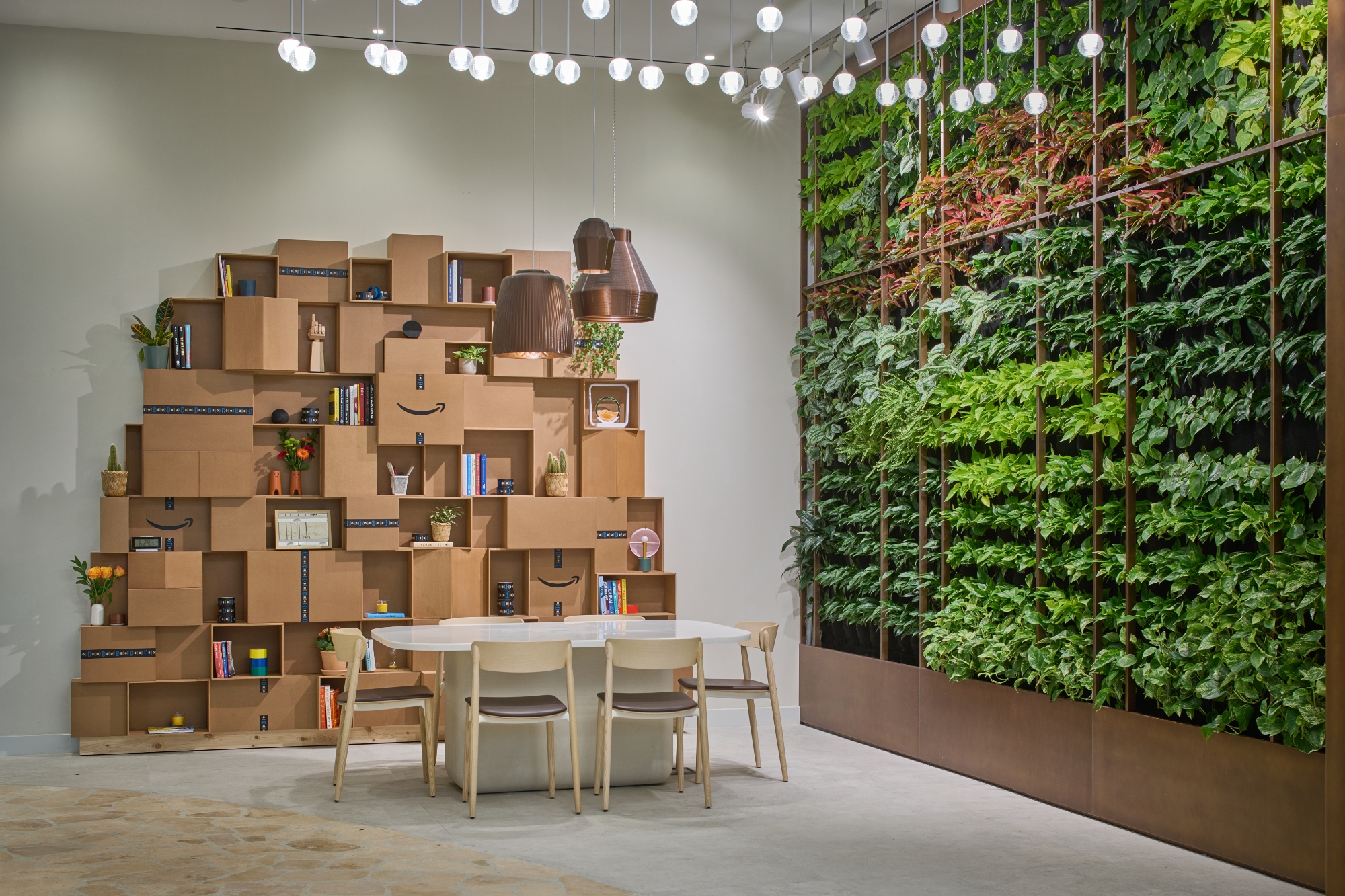
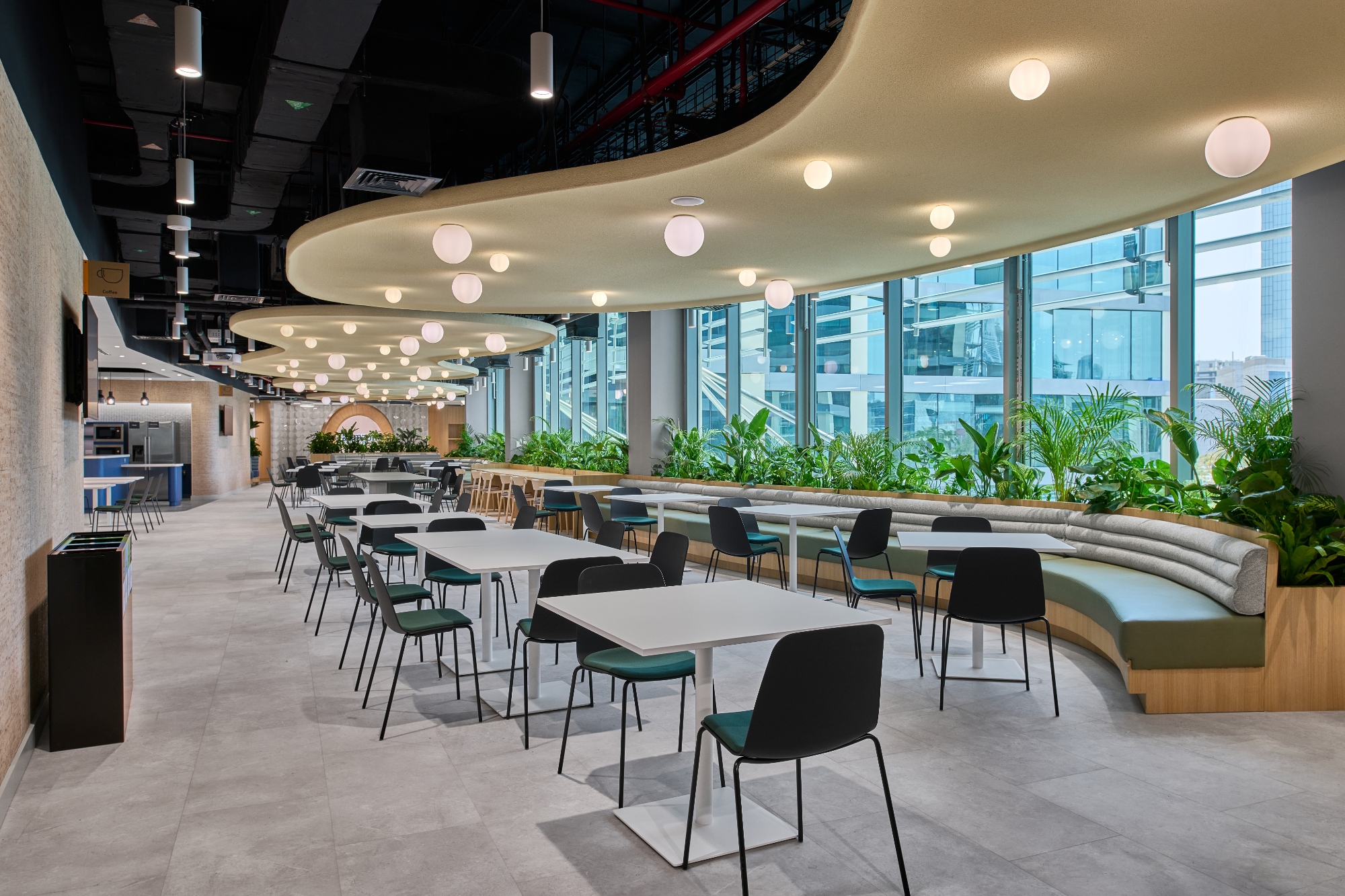
The interior uses vertical planting not as accent walls but as functional elements. Living walls run through communal zones, paired with irrigation systems and acoustic treatments. Trees anchor collaborative areas. Planting appears at desk height, in locker banks, and throughout meeting spaces—placed where people actually work, not just where they pass through.

This isn’t window dressing. The vegetation serves as natural air filtration, reducing mechanical load. Sound absorption comes from both the plants and Kvadrat textiles in neutral tones. Water features—shallow, recirculating—act as passive cooling through evapotranspiration. Together, these elements regulate temperature and humidity, reducing energy demand.

Material choices

The palette is deliberately restrained. Tadelakt plaster, white oak joinery, Corian in glacier and linen finishes. Stone-effect vinyl flooring, textured carpet in earth tones. Materials were selected for durability and lifecycle performance—surfaces that improve with age rather than requiring replacement.

The approach extends to spatial planning. Corridors follow curved routes rather than straight lines, creating variation in sightlines and breaking the monotony of long floorplates. Circulation becomes less about efficiency and more about experience—though the routes still function.

Stepping Away Without Leaving: The Micro-Oasis

Throughout the building, the design includes what it calls Oasis Spaces. These are small-scale environments with focused planting, controlled lighting, and water features. They’re designed for individual retreat rather than collaboration—places to step away without leaving the building.

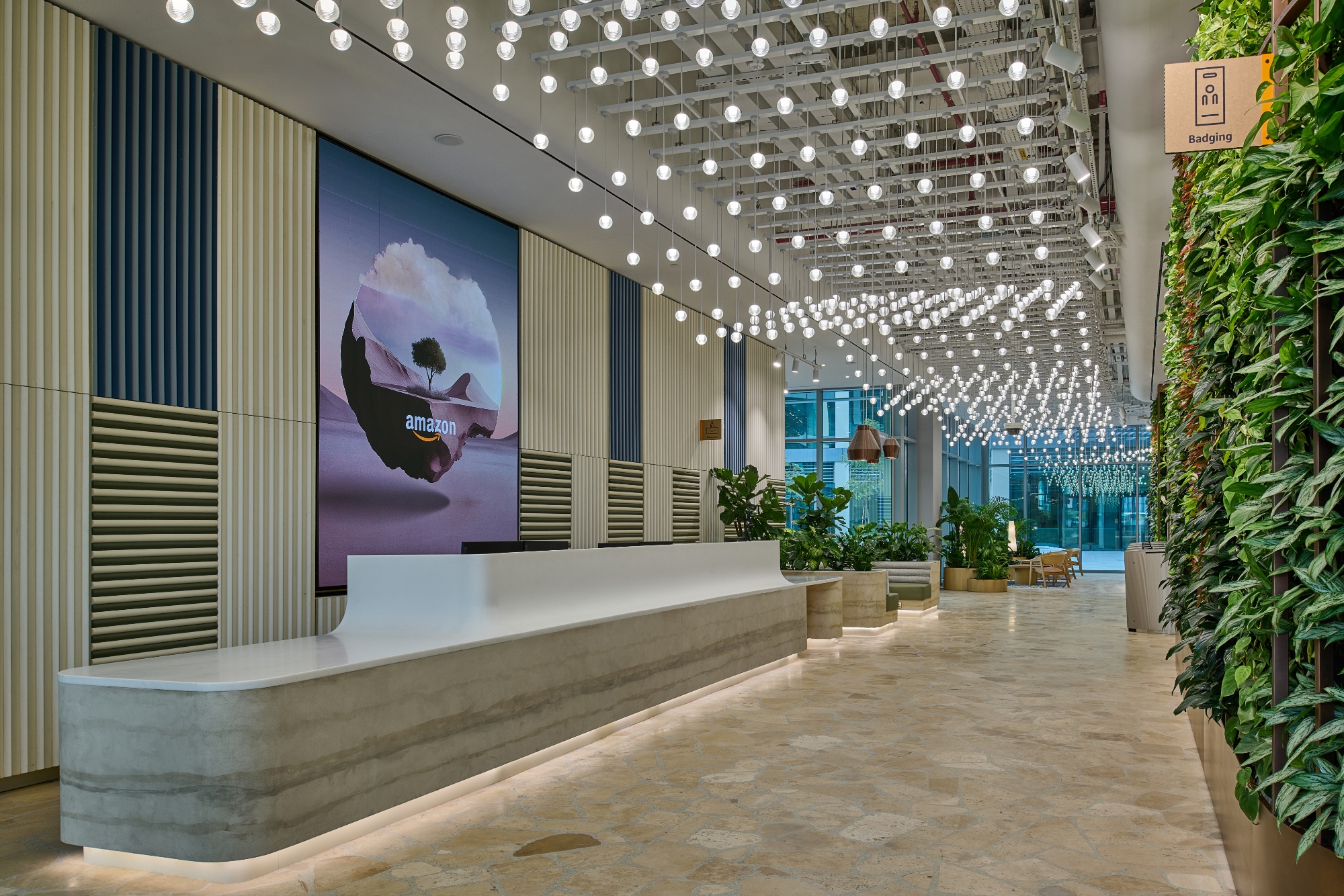
The ground floor arrival sequence sets the tone. Instead of a standard reception desk and waiting area, the entry level is treated as a transition zone—lower lighting, higher vegetation density, ambient sound. It’s a deliberate threshold between the city outside and the interior environment.

Performance metrics

The sustainability strategy relies on integrated systems rather than isolated interventions. Living air purification reduces filtration needs. Recycled irrigation supports plant life while conserving water. Material mass and vegetation help moderate internal climate, lowering reliance on mechanical systems.

These aren’t headline-grabbing numbers, but the cumulative effect is measurable. Lower energy consumption, improved air quality, reduced replacement cycles for materials. The building performs quietly rather than dramatically.

A different brief

Amazon HQ Dubai is less about innovation for its own sake and more about rethinking the basic assumptions of corporate workspace. Not faster, bigger, shinier—but slower, calmer, more deliberate.

In a region where air conditioning is infrastructure and indoor-outdoor living is limited by climate, the project demonstrates how controlled environments can still connect to natural systems. It’s an argument for workplaces that support focus and recovery alongside productivity.

Sometimes the most effective response isn’t to compete with the environment outside—but to create a different one within.


Tags: Abu dhabi, Agile workspace, Archi, Architect, Architecture, Artist, Asia, Bangkok, Bar, BIM, Blog, Boutique, Business, Civic, Construction, Content, Creativity, Culture, Design, Designer, Digital, Digital technology, Digital transformation, Digitisation, Drink, Dubai, Education, Experience, F&B, Food, Future, Health, Hicap, Ho chi minh, Hospitality, Hotel, Hotel design, Information, Innovation, Interior, Interior design, Interior designer, Interview, Knowledge, Lebua, Lifestyle, Luxury, Luxury design, Luxury interior, Marriott, Profile, Residential, Restaurant, Saigon, Sky, Studio, Success, Sustainibility, Tech, Technology, Thailand, Trends, Video, Vietnam, W hotel, Women
dwp.Dialogue: Beyond the Desk – The Next-Gen Workplace at AI Speed

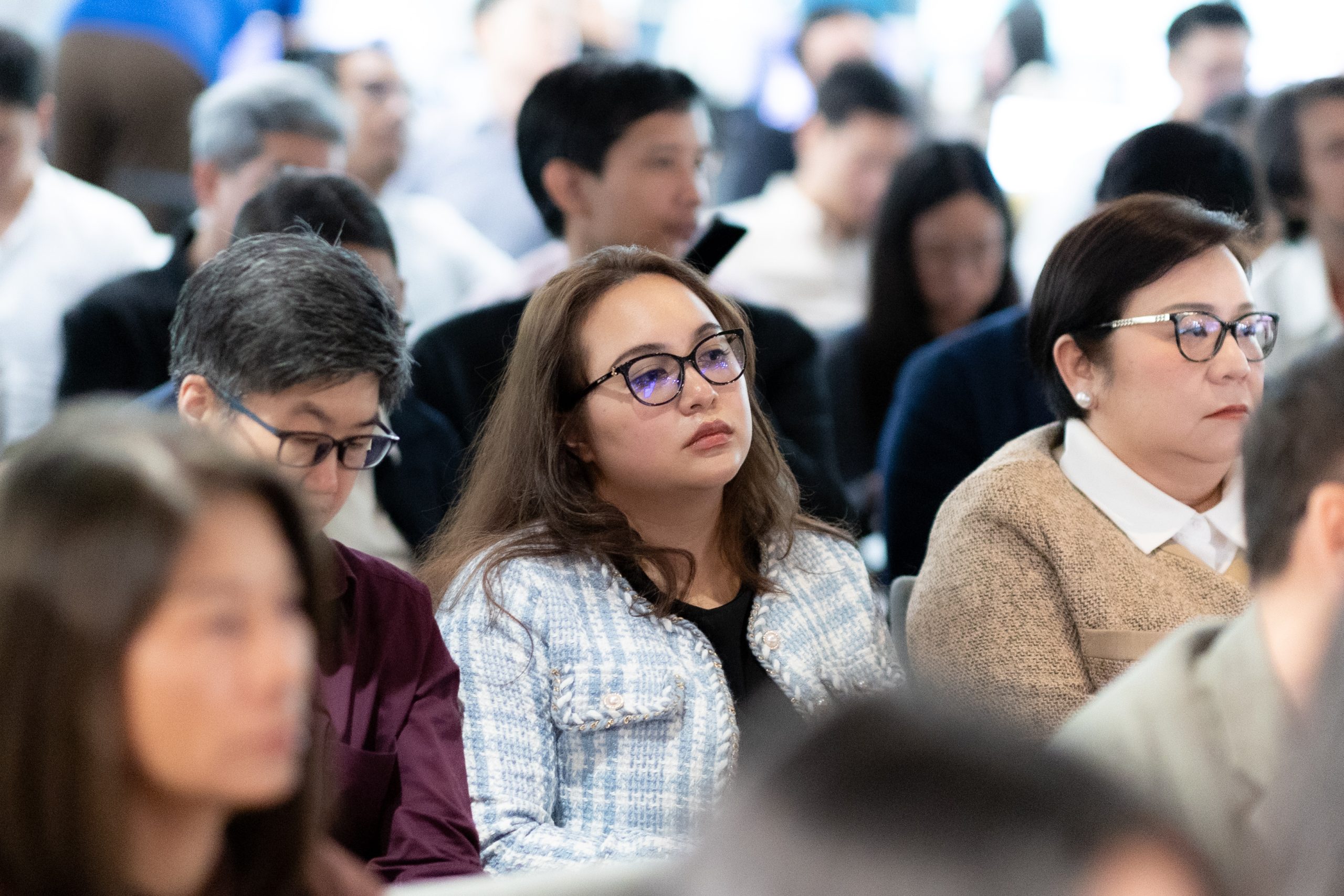
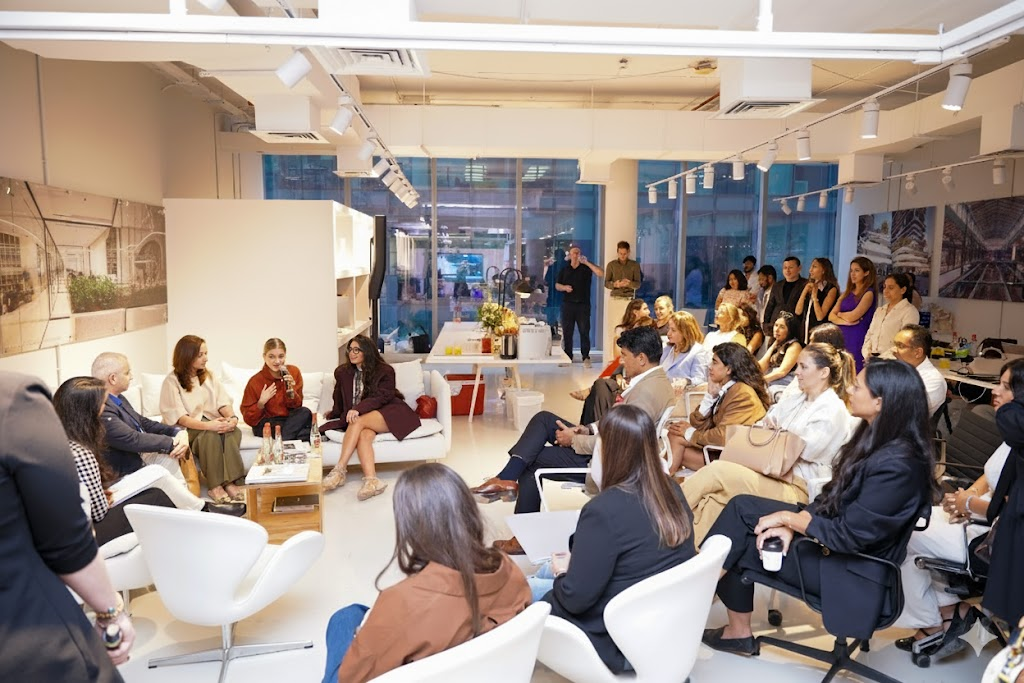
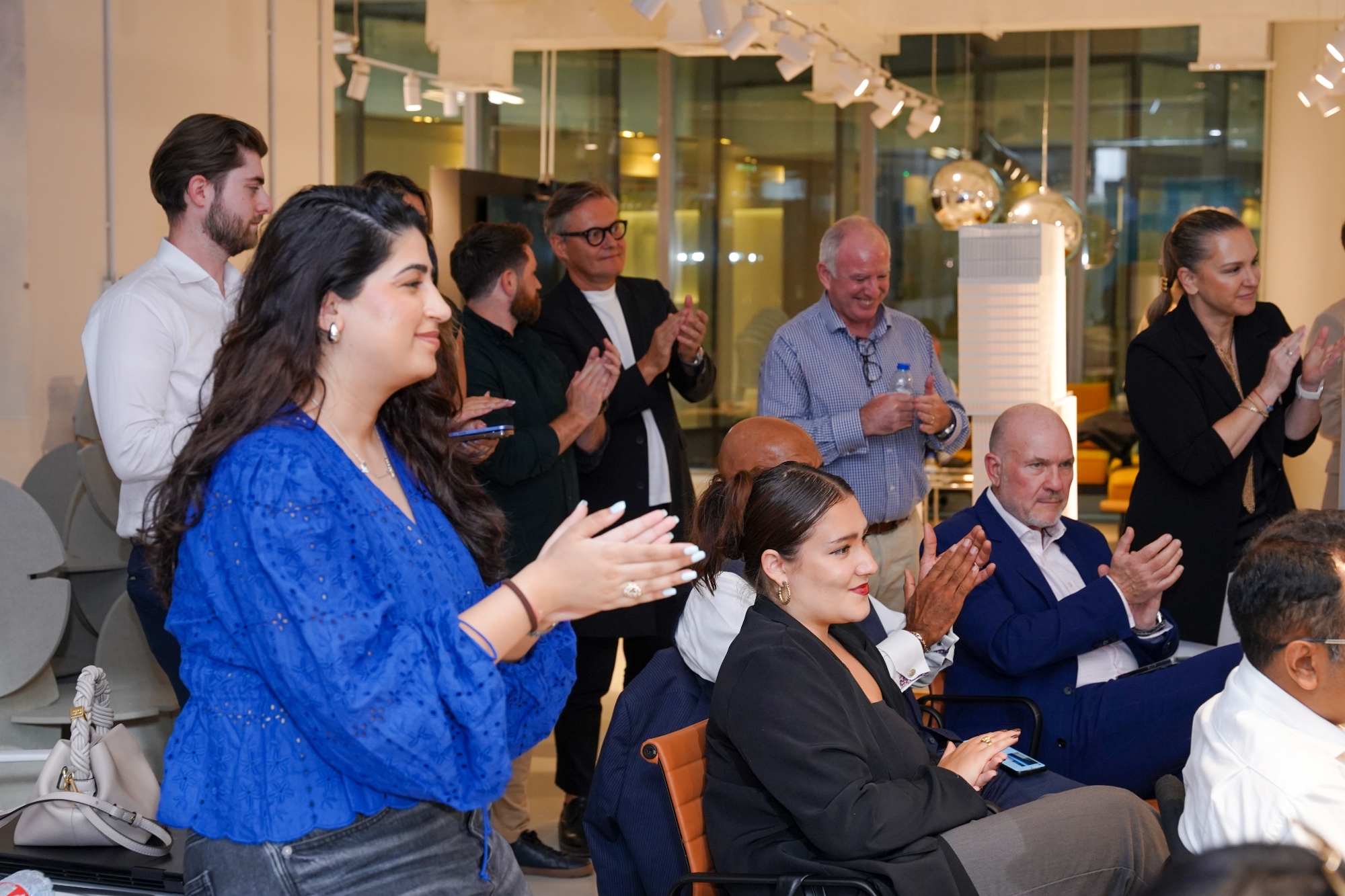
The traditional office may be evolving, but is it disappearing? This question sparked a thoughtful exchange at dwp.Dialogue in Bangkok, where industry leaders gathered to examine how lifestyle thinking is reshaping workplace design.


The Technology Perspective

“AI is often spoken of as a disruptor,” opened moderator Brenton Mauriello. “But in workplace design, is its true value in enabling culture, creativity, and belonging?”

Paruey Anadirekkul, founder of Spacely AI, addressed a common misconception: “There’s this idea that AI will eliminate the need for offices entirely. But technology should accelerate workflows without replacing the human aspects of design. The quality of prompts determines results—it’s still fundamentally about human input.”

This human-technology balance resonated with Sarinrath Kamolratanapiboon, CEO of dwp Thailand. “We’ve historically been early adopters. We shifted to cloud-based working before Covid, which ultimately kept us operational when remote work became mandatory. Now AI permeates everything from admin to design, but we still need the human touch. The next challenge is educating clients.”

Khun Paruey expanded on AI’s potential: “It helps organisations personalise workplaces to match their unique culture and workflows. It’s about using data to create more human experiences—predicting space usage, optimising environmental conditions, enabling better collaboration patterns. The balance between data-driven decisions and human intuition is crucial.”

The Real Estate Reality

From the developer’s perspective, Kunayudh Dej-Udom of Central Park offered insights into shifting market demands. “The demands have shifted dramatically. There’s still a definite need for office space—interactions between people remain invaluable for relationships and organisational momentum. But we’re no longer looking at office space as singular. It’s about what surrounds it.”

He elaborated on this holistic approach: “Basic mixed-use meant putting four things together. Now it’s the spaces between those four things that matter. We’re providing community, not just square footage.”

On balancing commercial priorities with evolving tenant needs, Khun Kunayudh was pragmatic: “It’s complex. Certifications like LEED and WELL matter, but human-centric qualities increasingly drive decisions. Future-proofing spaces while maintaining ROI requires both technological integration and design flexibility.”

Culture Through Craft

The conversation shifted to the physical manifestation of workplace culture. Chanintr Sirisant, CEO of Chanintr Living, offered his perspective on furniture’s evolving role in the hybrid era.

“We’re seeing a shift from offices being judged by desk count to being measured by how they enable collaboration and human connection,” Khun Chanintr observed. “Materiality, tactility, and craft play crucial roles in creating workplaces people actually want to spend time in.”

He addressed the design challenge directly: “The difficulty lies in designing for both flexibility and timelessness when tenant needs shift so rapidly. We’re balancing home-like comfort with corporate identity—furniture becomes a cultural carrier, not just functional infrastructure.”

Design Leadership in Practice

Khun Sarinrath offered dwp’s perspective on what flexibility means in 2025 and beyond. “Flexibility isn’t just about moveable walls or modular furniture. It’s about creating spaces that can evolve with organisational culture. At dwp, we see lifestyle as the foundation of design—whether in homes, hotels, or offices. It’s about designing places people truly want to be part of.”

On client collaboration, she emphasised: “Co-creation is essential. When discussing flexibility and adaptability, we ensure the workplace truly reflects their culture and people. It requires reconciling commercial demands with our responsibility to design for wellbeing and belonging.”

The Stakes Ahead

The panelists addressed the risks facing companies that fail to adapt. Khun Kunayudh was direct: “They’ll lose talent. The next generation won’t accept outdated environments. It’s not just about amenities—it’s about spaces that support how people actually work and live.”

Khun Chanintr added: “Companies often make the mistake of viewing furniture as a one-time investment rather than cultural infrastructure. Those who don’t evolve will find their spaces becoming obsolete faster than ever.”

On sustainability, Khun Paruey highlighted AI’s role: “From optimising energy usage to predicting maintenance needs, AI can dramatically reduce environmental impact while improving occupant experience. It’s becoming integral to ESG-driven workplace strategies.”

Defining Tomorrow

The panel concluded with each speaker defining the workplace of 2030 in a single sentence. The responses varied yet converged on common themes.

Khun Parey envisioned “responsive environments that learn and adapt to human needs.” Khun Kunayudh saw “communities, not buildings.” Khun Chanintr imagined “spaces that feel more like home than office.” Khun Sarinrarth concluded with characteristic clarity: “Places designed with life itself at the centre.”

The consensus was clear. The office isn’t disappearing—it’s transforming into something more nuanced, more human, more responsive to how we actually live. For design firms like dwp, this evolution represents both challenge and opportunity, requiring a delicate balance between technological possibility and timeless human needs.

Panel Spotlight

Sarinrath Kamolratanapiboon serves as Executive Director of dwp Thailand, part of the global design and architecture firm known for projects spanning Asia and the Middle East. Under her leadership, dwp has pioneered early adoption of cloud-based systems and AI integration across design workflows.

Paruey Anadirekkul founded Spacely AI to bridge the gap between artificial intelligence and spatial design. His firm focuses on using data and machine learning to create more responsive, personalised workplace environments while maintaining the human elements essential to good design.

Kunayudh Dej-Udom directs asset management at Central Park (CPN), one of Thailand’s leading property developers. His portfolio includes Grade A commercial developments that increasingly blur the lines between workplace, retail, and community spaces.

Chanintr Sirisant leads Chanintr, the Bangkok-based furniture company recognised for bringing international design brands to Southeast Asia while championing local craftsmanship. His perspective bridges global design trends with regional cultural nuances.

Brenton Mauriello AM serves as Director at Capital Prudential and Chairman of dwp Group, bringing extensive experience in strategic real estate advisory across the Asia-Pacific region. His moderation reflected a deep understanding of both investment imperatives and design innovation.


Tags: Abu dhabi, Agile workspace, Archi, Architect, Architecture, Artist, Asia, Bangkok, Bar, BIM, Blog, Boutique, Business, Civic, Construction, Content, Creativity, Culture, Design, Designer, Digital, Digital technology, Digital transformation, Digitisation, Drink, Dubai, Education, Experience, F&B, Food, Future, Health, Hicap, Ho chi minh, Hospitality, Hotel, Hotel design, Information, Innovation, Interior, Interior design, Interior designer, Interview, Knowledge, Lebua, Lifestyle, Luxury, Luxury design, Luxury interior, Marriott, Profile, Residential, Restaurant, Saigon, Sky, Studio, Success, Sustainibility, Tech, Technology, Thailand, Trends, Video, Vietnam, W hotel, Women
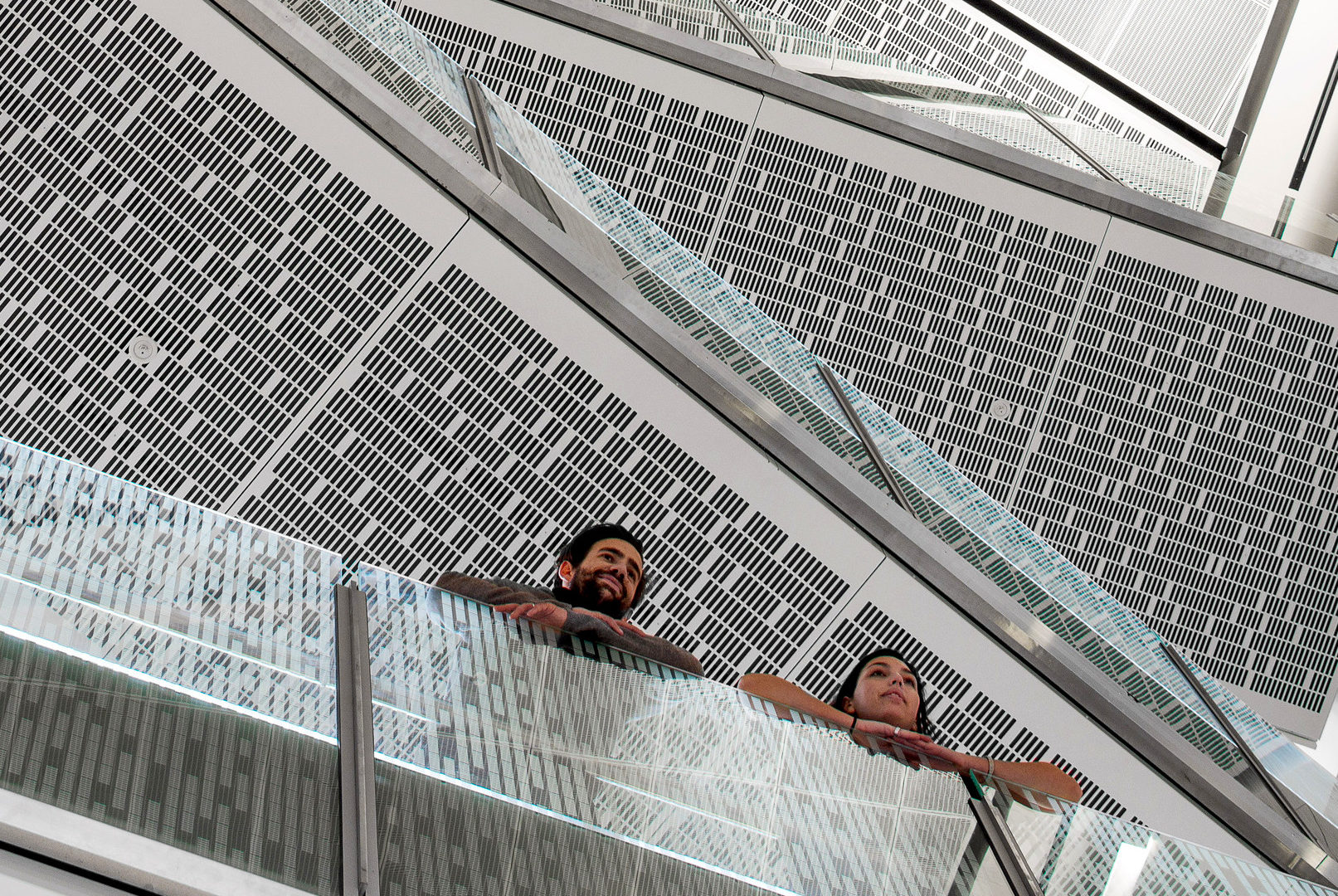
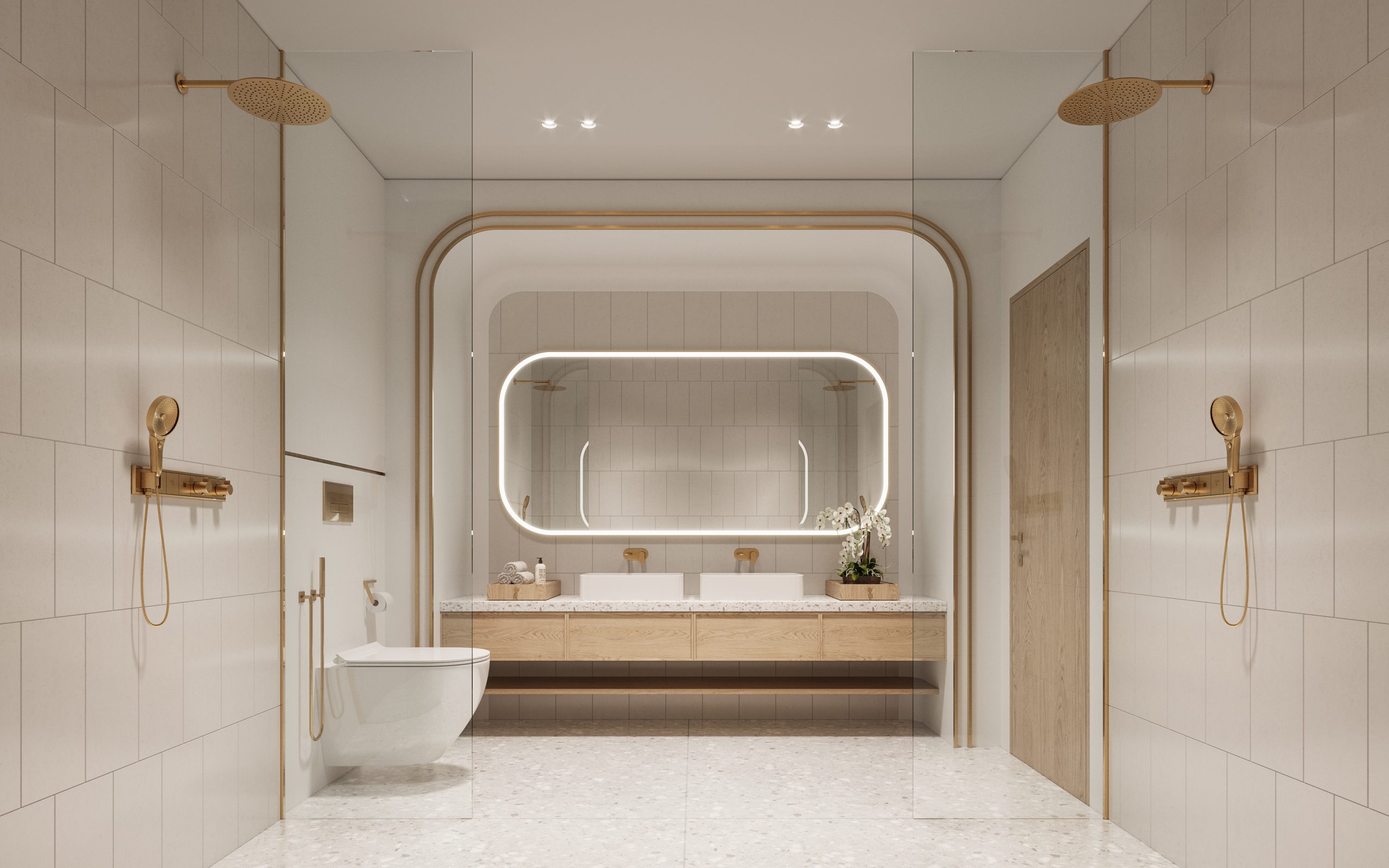
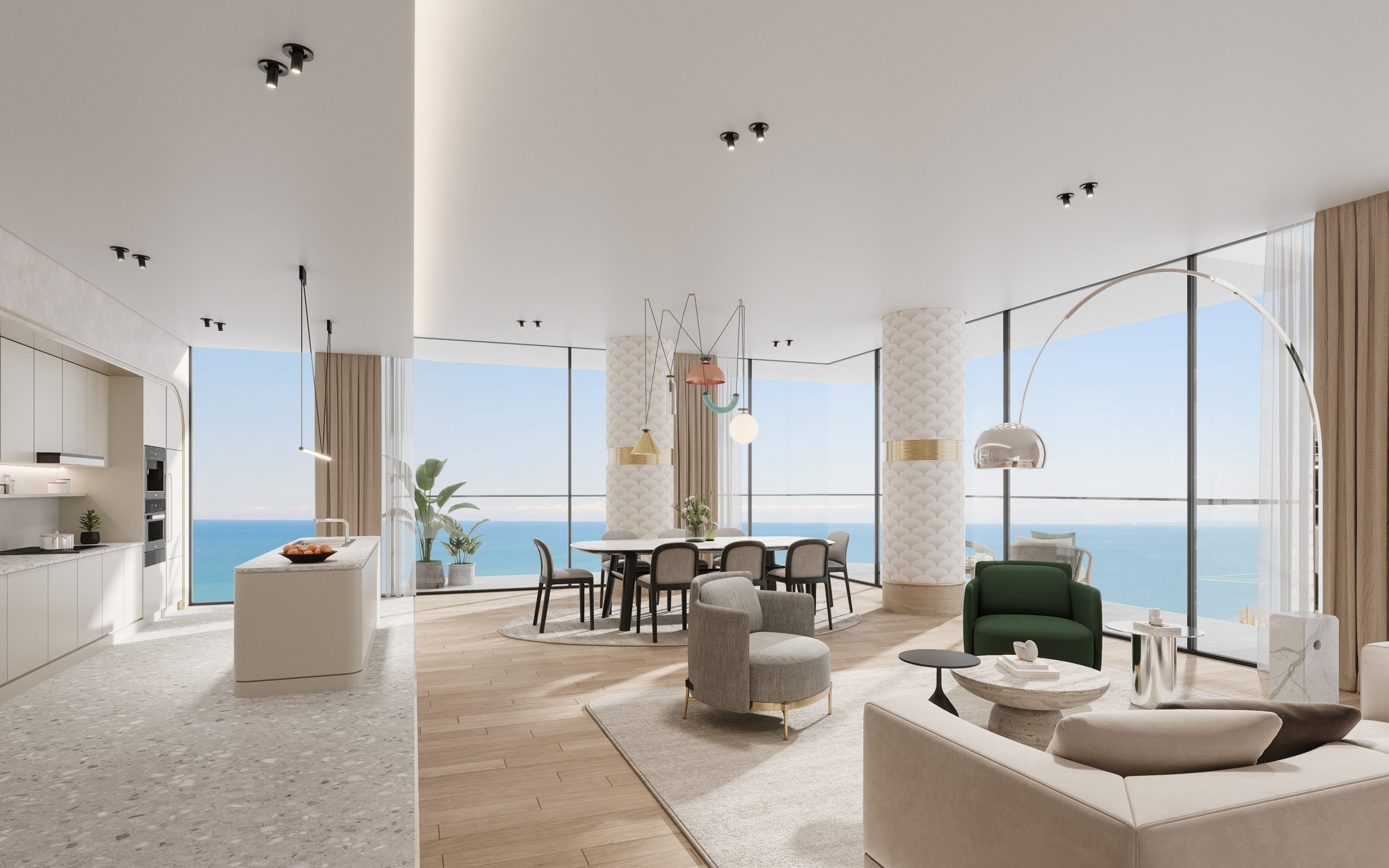
Sensia Residences: Redefining Residential Life in Dubai Maritime City

Dubai’s residential market is undergoing a fundamental shift: ambition is being replaced by lifestyle as the core design metric. dwp’s interior work on Sensia Residences demonstrates this new approach to living well in a rapidly evolving global metropolis.

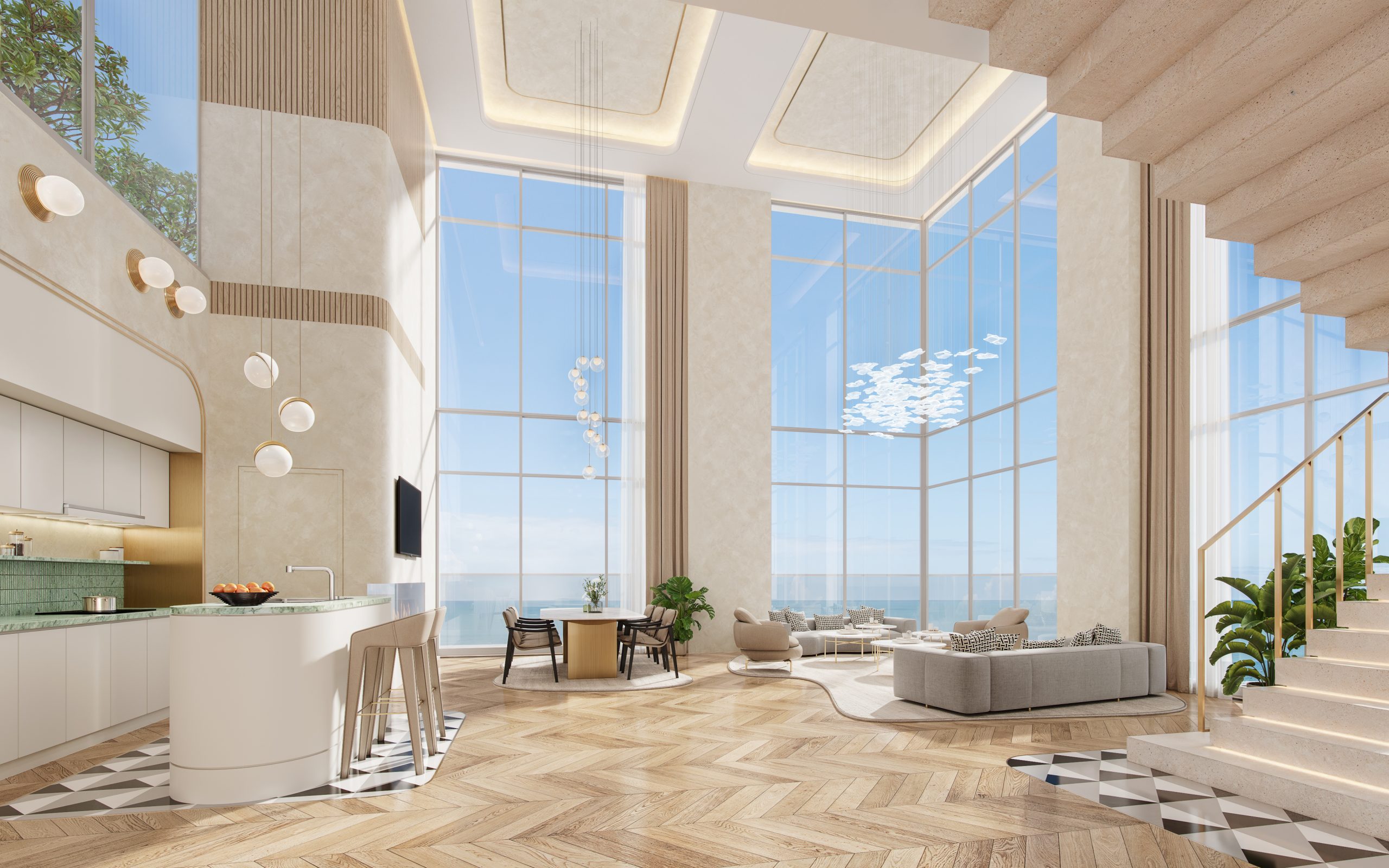
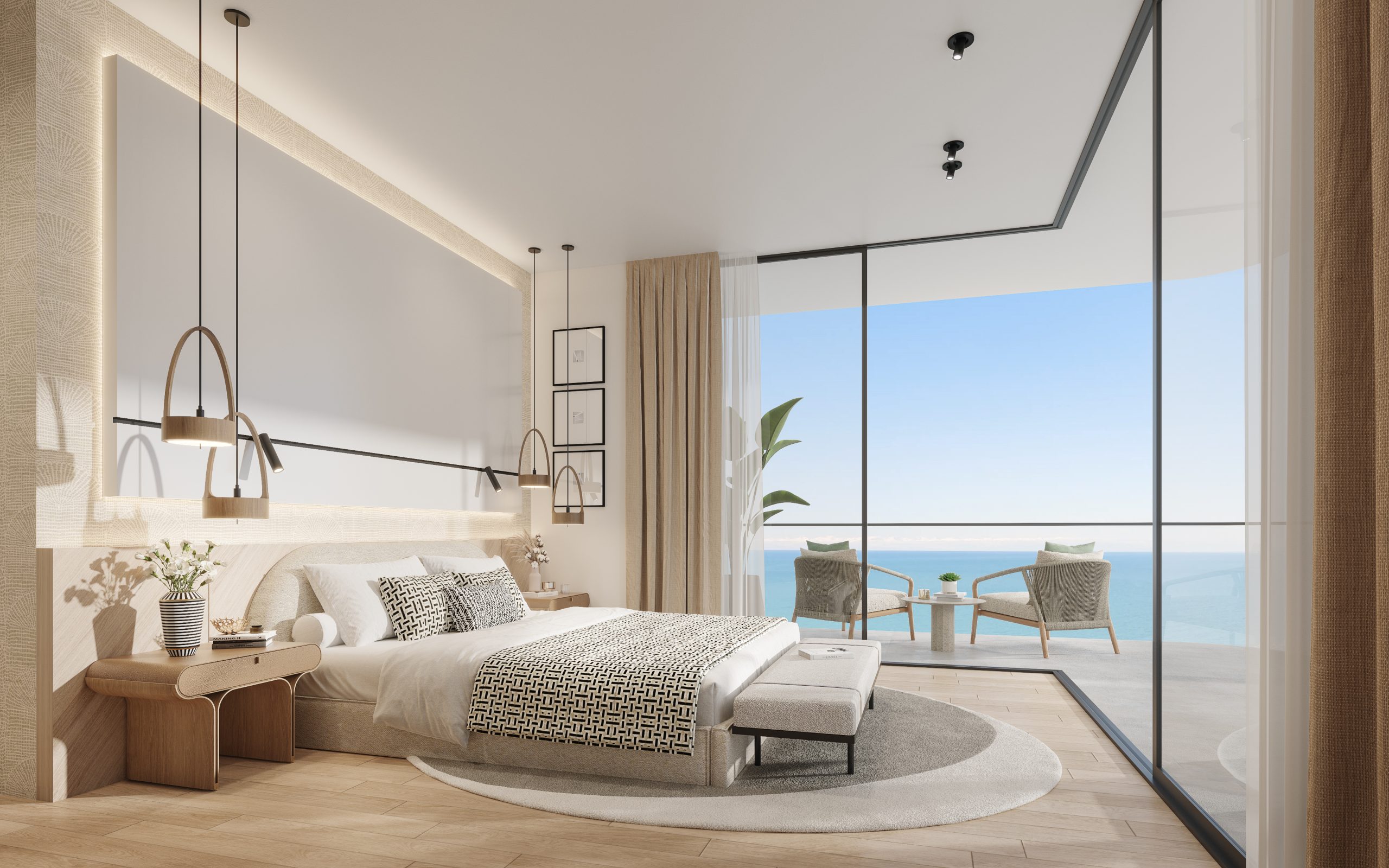
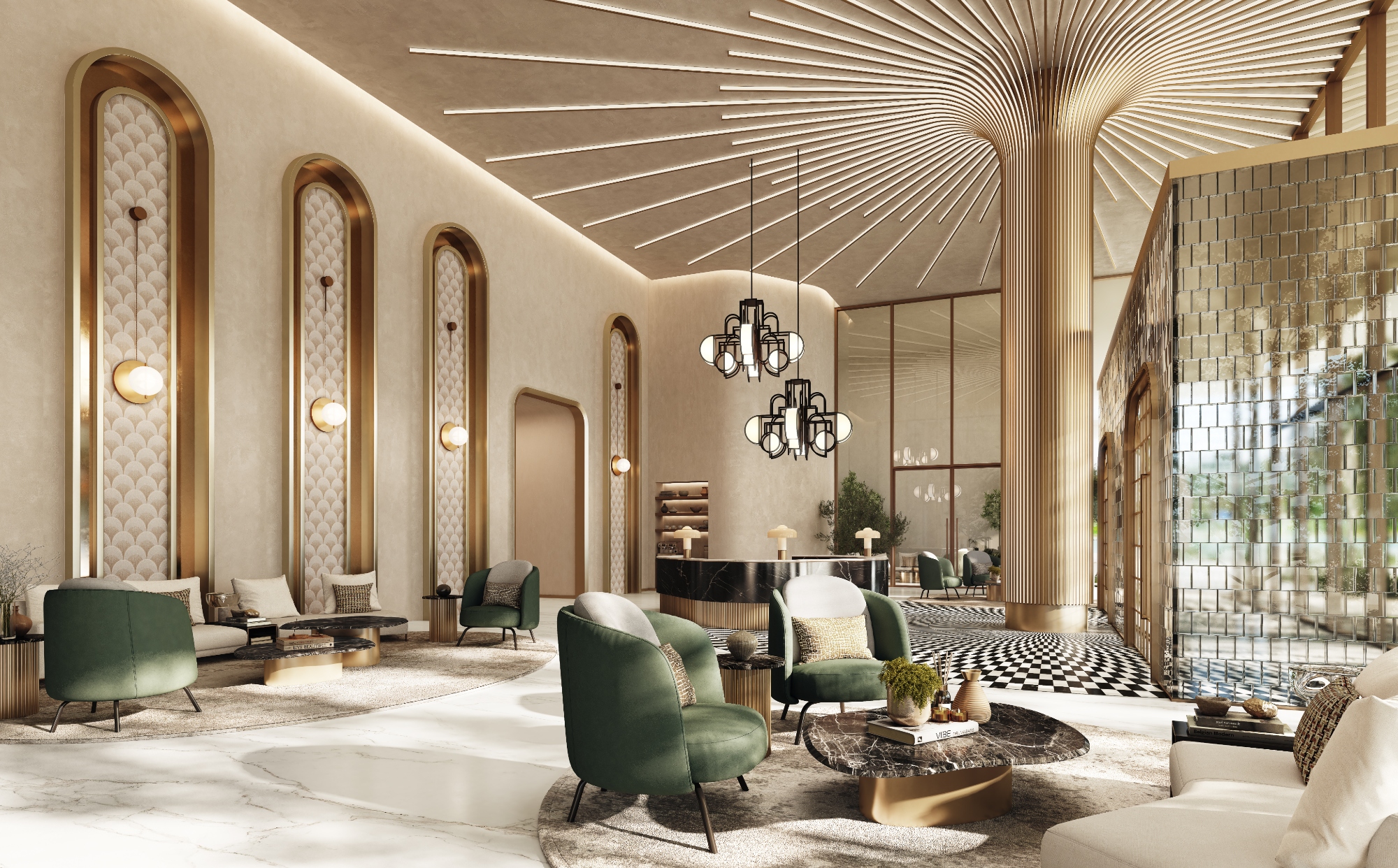
The project, located in Dubai Maritime City, reinterprets Art Deco glamour for contemporary living. While the architectural framework provides theatrical grandeur and geometric rigour, dwp’s interior design delivers spatial fluidity and material sophistication. The result is a residential environment programmed for adaptability and well-being, where the interiors become a framework for how residents actually live.

Spatial Flow and Coastal Calm

dwp’s interior strategy responds to two distinct conditions: the energy of the city and the calm of the sea.

The design creates deliberate visual connections to both. Spatial planning links living areas to generous terraces, with sightlines carefully calibrated to capture waterfront views and urban context. Material choices reinforce this duality—polished surfaces and bold geometric detailing in public spaces echo the city’s dynamism, while private residences emphasise natural light, restrained finishes and material depth that provide sanctuary.

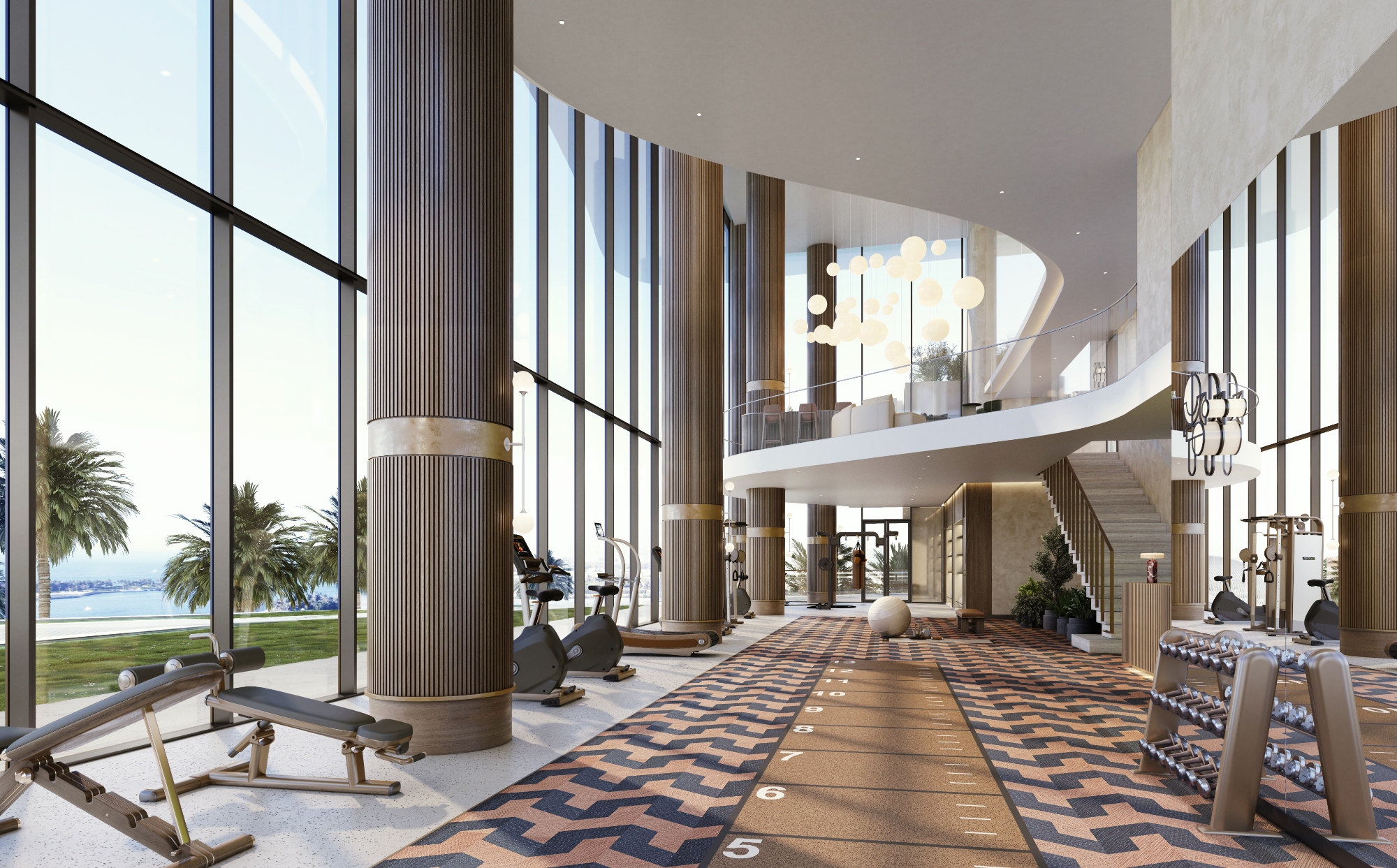
The residential interiors are not designed as fixed rooms, but as adaptable settings for the rhythms of contemporary life. This flexibility extends to dwp’s design of shared spaces—lobbies, wellness areas, social lounges—which function as more than private retreats. These amenities, engineered for balance, range from health and fitness facilities to social connection zones, reinforcing the idea that home encompasses both personal sanctuary and community.

The Recalibration of Regional Luxury

Charlie Kelly, Regional General Manager for the Middle East at dwp, frames the broader context: “We’re seeing a fundamental recalibration of what luxury means in this region. As interior designers, our role is no longer about decorative gestures or statement pieces. It’s about crafting spatial experiences and material environments that serve the way people actually want to live.”

This observation captures Sensia’s essential proposition. Adriana Graur, Design Director at dwp, describes the outcome: “Through our interior design, we’ve created a place where everyday living is elevated by light, views and community—a residential experience that reflects the evolving aspirations of Dubai’s new generation.”

Sensia’s interiors reflect a broader shift across the Middle East: luxury is no longer about excess, but about intelligent interior design that enriches everyday living. For dwp, this project represents the city’s evolving residential landscape, where lifestyle sits at the core of interior design thinking.

Tags: Abu dhabi, Agile workspace, Archi, Architect, Architecture, Artist, Asia, Bangkok, Bar, BIM, Blog, Boutique, Business, Civic, Construction, Content, Creativity, Culture, Design, Designer, Digital, Digital technology, Digital transformation, Digitisation, Drink, Dubai, Education, Experience, F&B, Food, Future, Health, Hicap, Ho chi minh, Hospitality, Hotel, Hotel design, Information, Innovation, Interior, Interior design, Interior designer, Interview, Knowledge, Lebua, Lifestyle, Luxury, Luxury design, Luxury interior, Marriott, Profile, Residential, Restaurant, Saigon, Sky, Studio, Success, Sustainibility, Tech, Technology, Thailand, Trends, Video, Vietnam, W hotel, Women
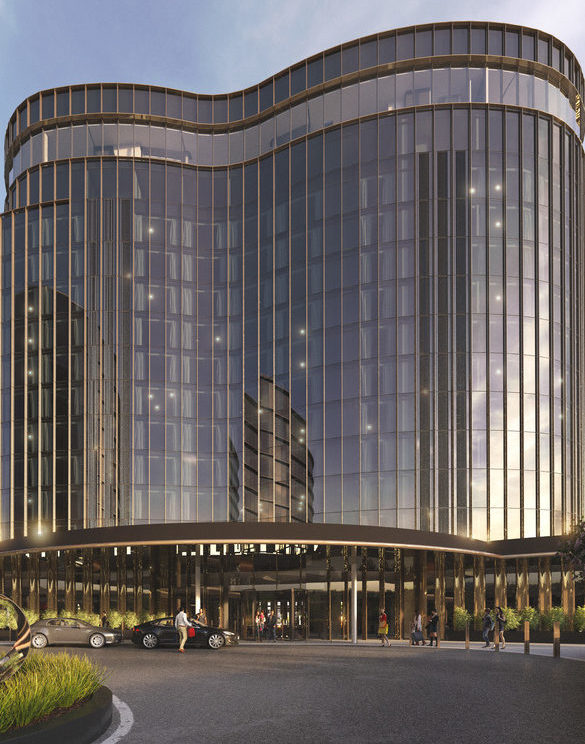
The DNA of Experience: How Hospitality is Redefining Global Workplace and Residential Design

The core definition of luxury has shifted from quantifiable assets to intangible, tailored experiences—the ultimate luxury being time and effortless living. This change drives a convergence across sectors, where the experiential qualities once exclusive to five-star hospitality now define the standard for global premium design, making this shift a non-negotiable business imperative.

“The question we ask now is not what a space looks like, but how it makes you feel and how it serves your life,” says Scott Whittaker, Group Creative Director and Founder at dwp. “That’s the fundamental shift—from aesthetic statement to lived experience.”

At dwp, clients—from homeowners to corporate tenants—expect environments that are responsive, highly serviced, and deeply connected to well-being. This is the Hospitality DNA permeating all design. Implementing the Universal DNA of Experience, dwp ensures designs deliver enduring value, sophisticated functionality, and compelling emotional narrative.

The Seamless Shift: From Guest to Resident

Residential spaces are transforming into carefully crafted lifestyle environments. The demand is for personalised services and social amenities that mirror a luxury hotel stay. This manifests in residential designs that integrate spa/wellness facilities, private dining, and co-working lounges. The objective is blending private sanctuary with a social hub, ensuring every shared space feels exclusive and thoughtfully managed.

Projects like Supalai Icon Sathorn (Bangkok) and Sensia (Dubai) express this convergence clearly.

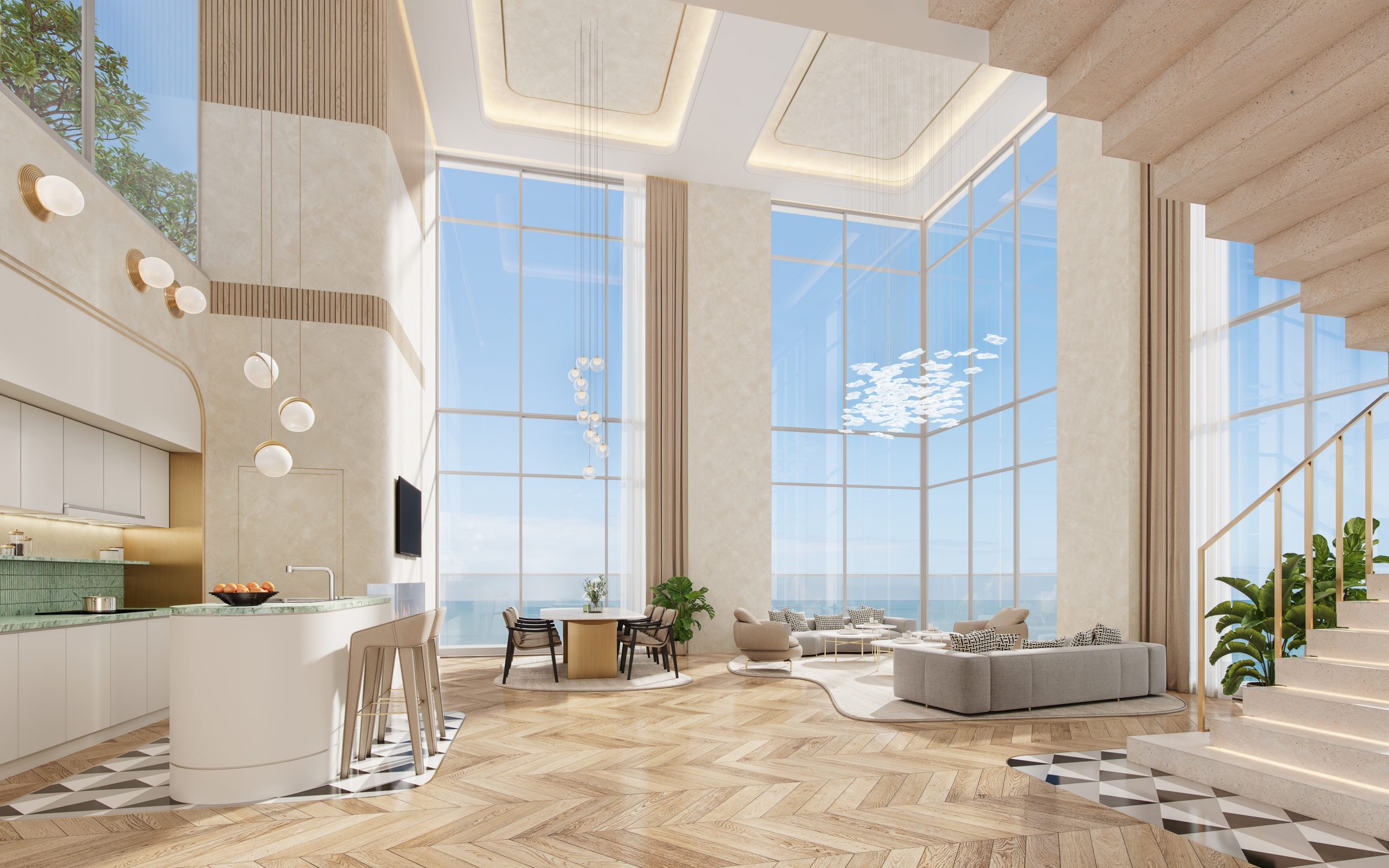
At Supalai Icon Sathorn, the vision crafts an urban sanctuary where luxury and sustainability coexist. Taking inspiration from natural landforms, the design uses fluid forms, warm copper tones, veined marble, and timber surfaces. Residents access hotel-quality amenities—rooftop pool, spa, co-working spaces, and private theatre—designed to foster well-being, community, and belonging within the city’s skyline.

“Residents don’t want to choose between home and hotel anymore,” explains Adriana Graur, Design Director at dwp. “They want the comfort of home with the service and amenity richness of hospitality. The challenge is making that feel effortless, saving the user time, which is the ultimate luxury.”

Supalai Icon Sathorn, Bangkok


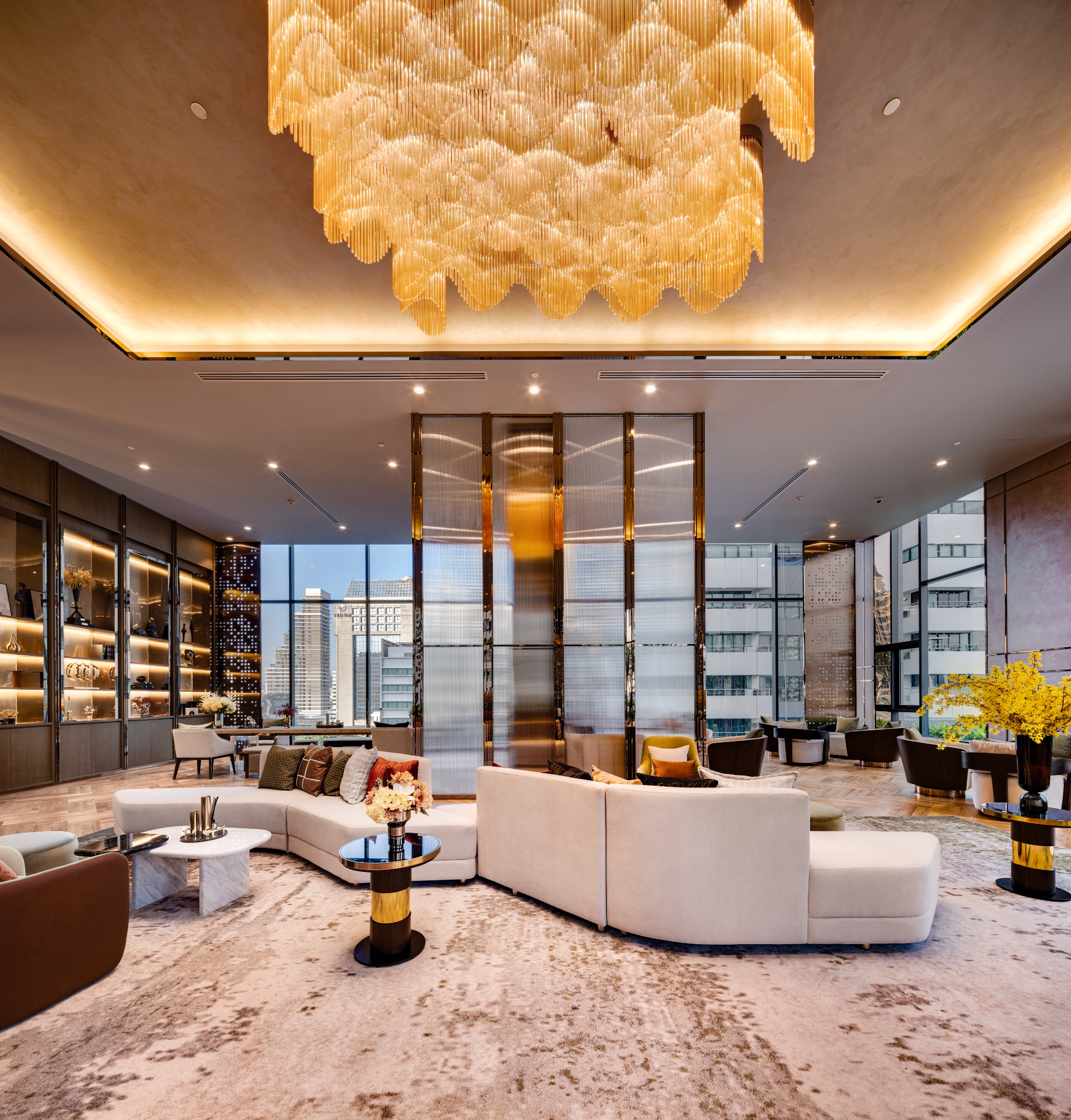
Sensia in Dubai reinterprets Art Deco glamour. Located in Dubai Maritime City, it merges the theatrical grandeur of the 1920s with contemporary urban living. Public spaces feature bold geometric detailing and rich materiality, while private residences remain serene, offering understated elegance. The result is a residential experience that feels both iconic and intimate—where everyday life is elevated by design.

These projects exemplify how residential environments are evolving beyond the traditional home, drawing from hospitality design principles to offer immersive, emotionally resonant experiences.

Sensia by Beyond, Dubai

The Workplace as Destination: The New Talent Imperative

In the commercial sector, workplace quality is a decisive tool for talent attraction and retention. Businesses seek comfort, choice, and convenience previously reserved for resort settings, moving away from sterile functionalism.

Charlie Kelly, Regional General Manager for the Middle East at dwp, observes: “The workplace is now part of what companies offer employees. It’s not simply where work happens—it’s an active statement about culture, values, and how much you invest in your people’s daily experience.”

This demand translates into flexible, human-focused design, exemplified by Informa Dubai and L’Oréal Bangkok.

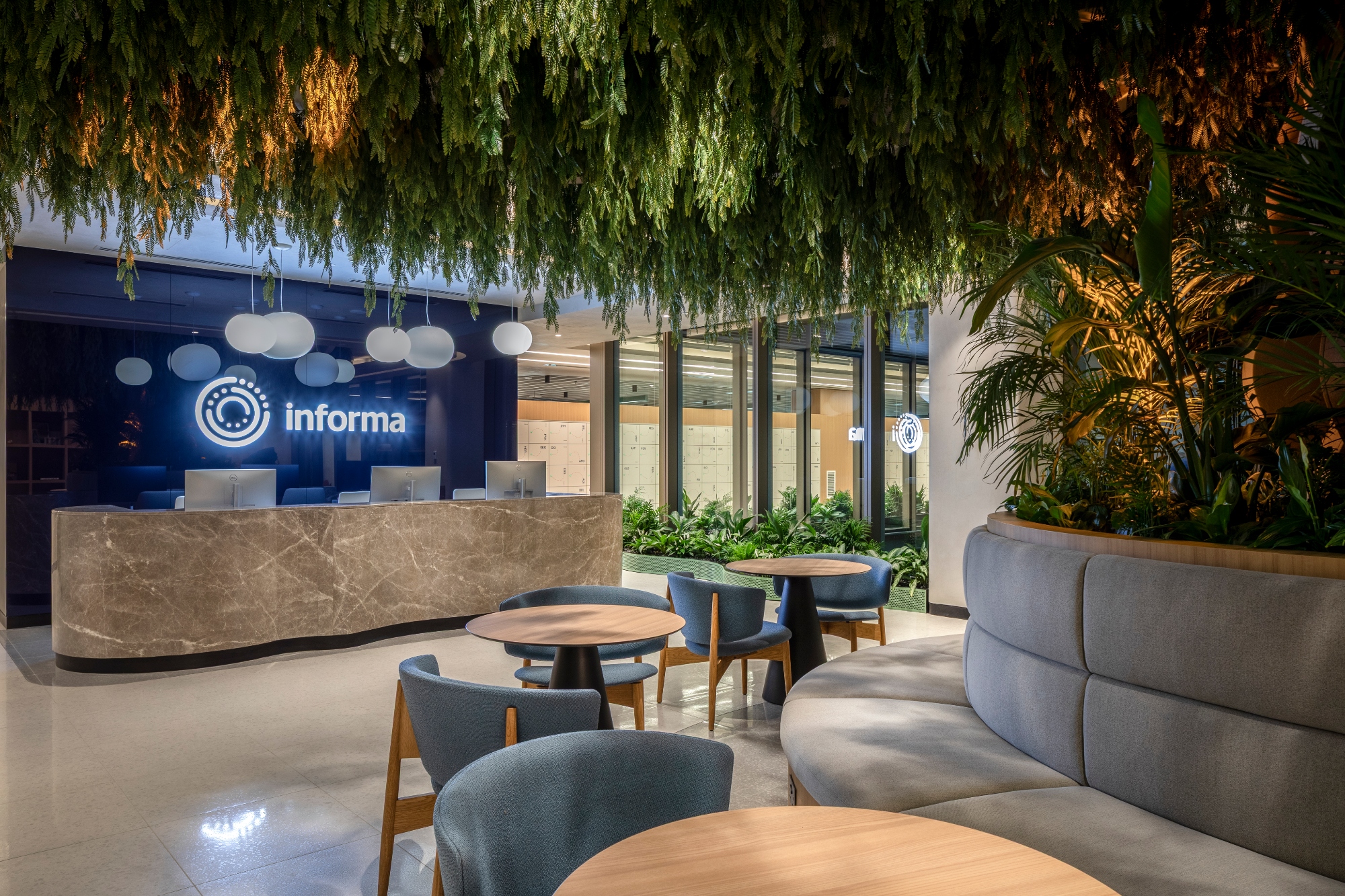
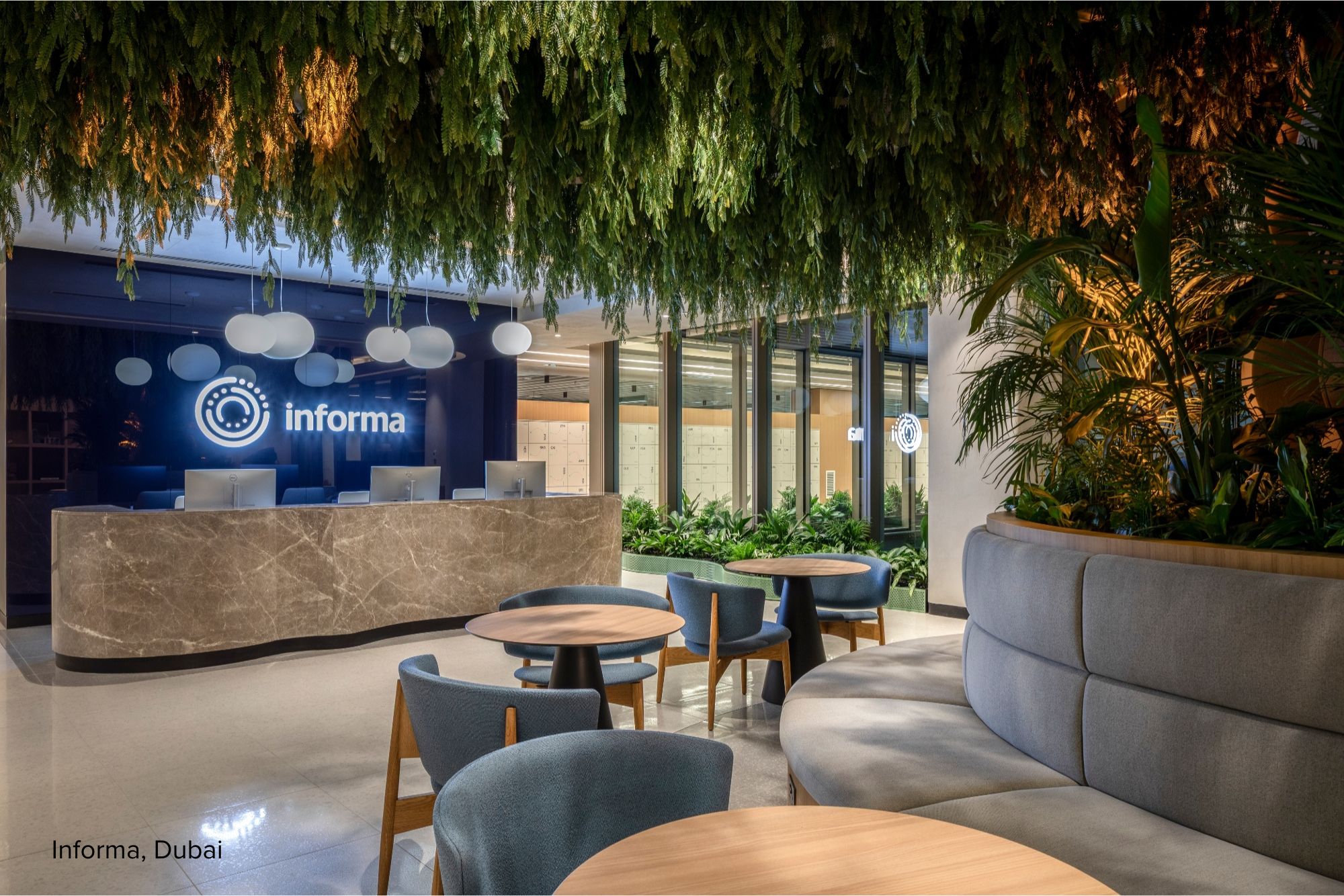
At Informa Dubai, the design merges efficiency with a hospitality lounge ambience. The space integrates collaborative hubs and social zones to encourage connection and creativity. Natural light, tactile finishes, and integrated technology ensure seamless functionality. Every area is inviting and energised, redefining the office as a destination rather than obligation.

Informa, Dubai


L’Oréal Bangkok reimagines corporate culture through well-being and brand experience. Reflecting the company’s commitment to diversity and sustainability, the workplace features open-plan collaboration, a beauty lounge, flexible meeting rooms, and wellness-focused break zones. Healthy materials and circular design principles are embedded throughout, creating a vibrant environment that prioritises employee engagement.

“The modern workplace must transcend function,” adds Whittaker. “We’re designing spaces that nurture productivity, creativity, and genuine human connection. Hospitality taught us that the environment shapes behaviour and emotion.”

L’Oréal Office, Bangkok


Both projects demonstrate how contemporary workplaces offer experiences once reserved for luxury hotels—supporting productivity, creativity, and authentic human interaction.

The Ultimate Luxury: Invisible Intelligence

The success of this cross-sector evolution lies in intelligent integration. It moves beyond visible features to embed technology that ensures flawless functionality. It also means maintaining commitment to authentic essence, grounding modern experiences in cultural relevance and timeless craftsmanship.

“The best technology disappears,” notes Graur. “When climate control, lighting, and security all work intuitively, that’s when you achieve true luxury. People shouldn’t interact with systems—they should simply live well.”

Across dwp’s portfolio, from luxury residential destinations to corporate workplaces, the firm ensures this convergence. They design environments where technology serves invisibly and materials reflect cultural understanding.

“Dubai has taught us that you can invent new typologies,” concludes Kelly. “The convergence of hospitality thinking with residential and workplace design isn’t a trend—it’s the new baseline. The question is simply how well you execute it.”

Charlie Kelly, dwp. Regional Director Middle East

Tags: Abu dhabi, Agile workspace, Archi, Architect, Architecture, Artist, Asia, Bangkok, Bar, BIM, Blog, Boutique, Business, Civic, Construction, Content, Creativity, Culture, Design, Designer, Digital, Digital technology, Digital transformation, Digitisation, Drink, Dubai, Education, Experience, F&B, Food, Future, Health, Hicap, Ho chi minh, Hospitality, Hotel, Hotel design, Information, Innovation, Interior, Interior design, Interior designer, Interview, Knowledge, Lebua, Lifestyle, Luxury, Luxury design, Luxury interior, Marriott, Profile, Residential, Restaurant, Saigon, Sky, Studio, Success, Sustainibility, Tech, Technology, Thailand, Trends, Video, Vietnam, W hotel, Women

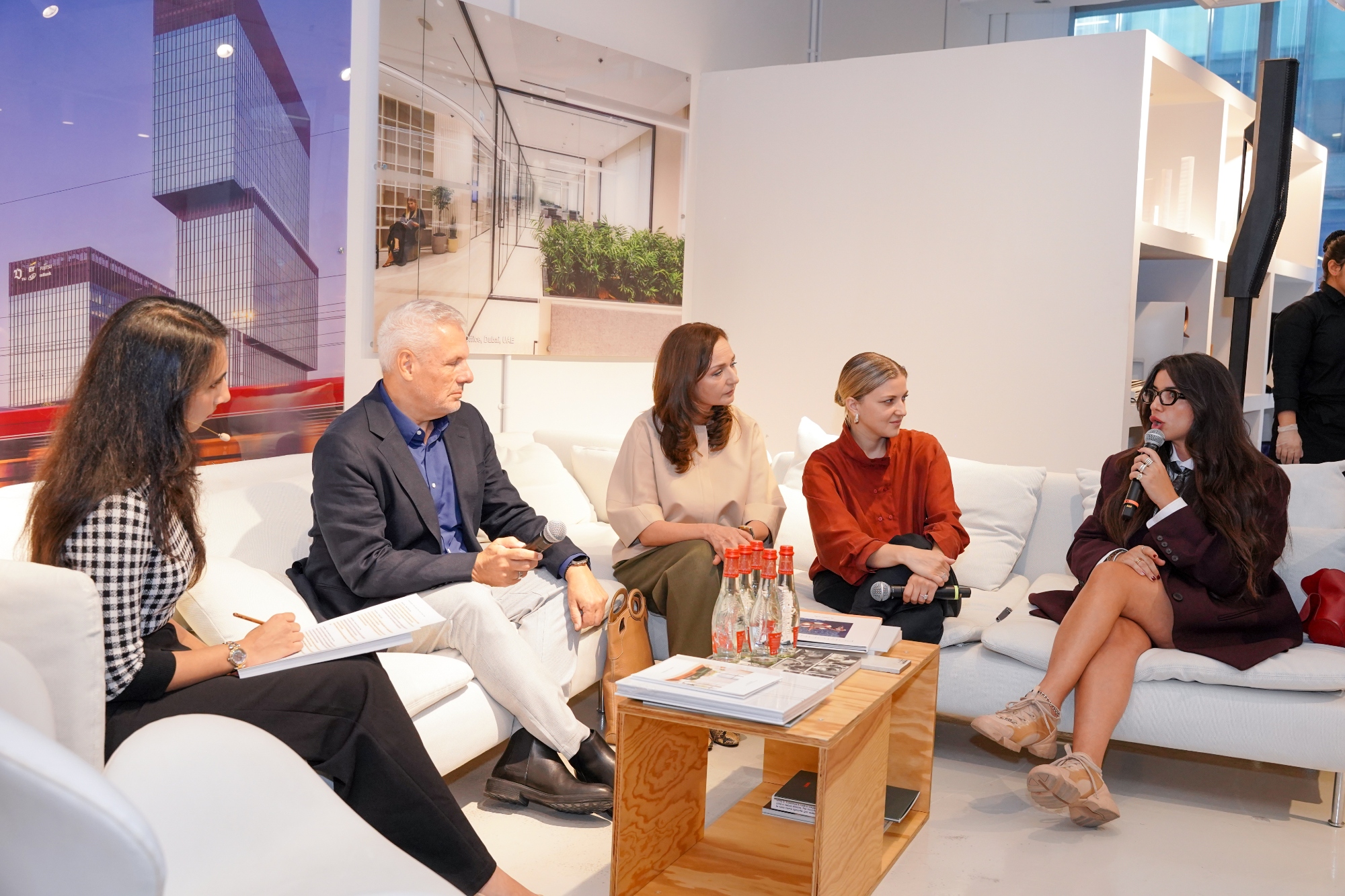
The Intelligent Pursuit of Luxury: Insights from dwp.Dialogue Dubai

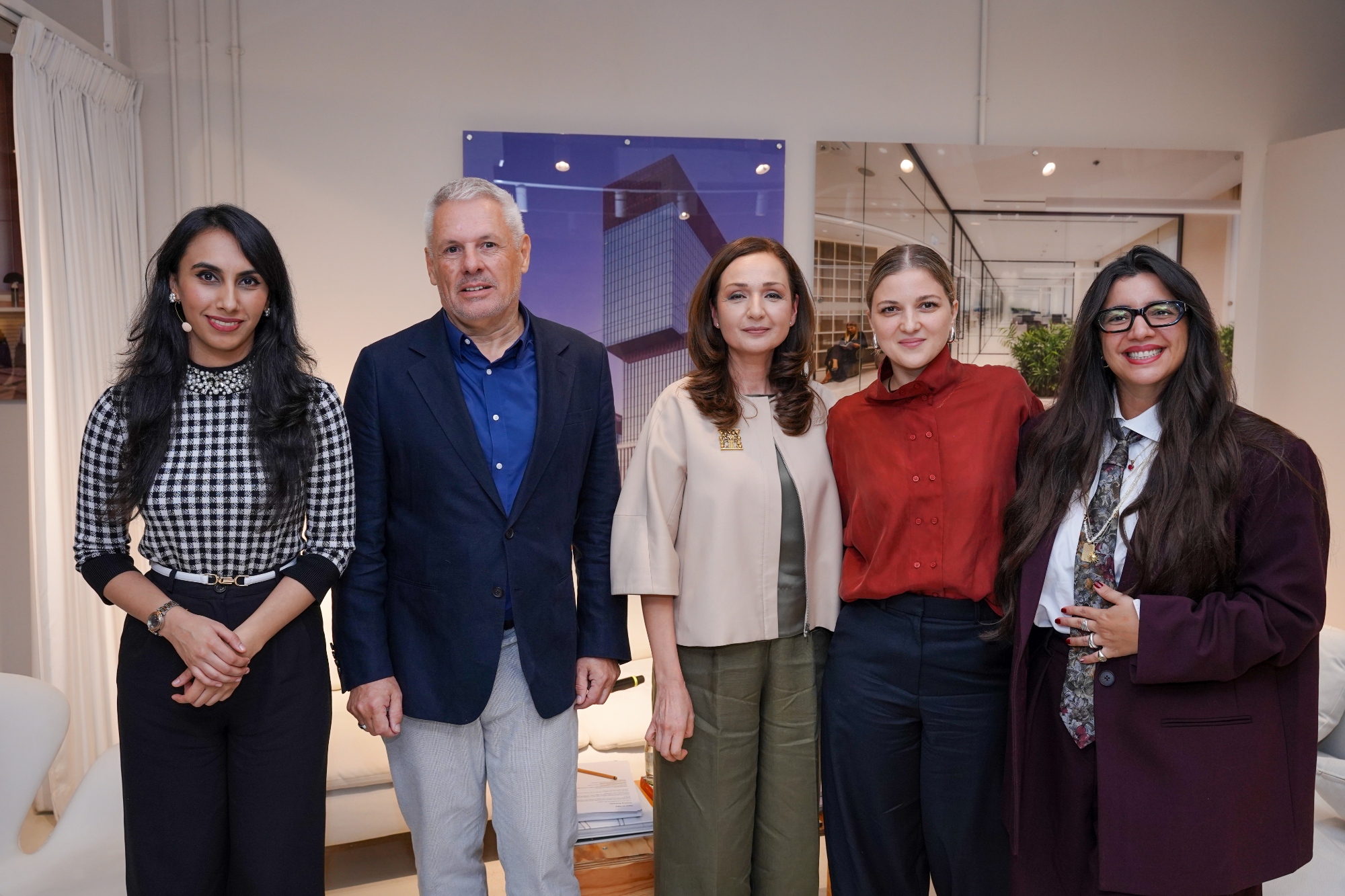
The definition of luxury has shifted from tangible assets to intangible, tailored experiences. This change formed the central theme of the recent dwp.Dialogue in Dubai, which convened industry figures to examine the future of design at the upper end of the market. The consensus: luxury is now measured by seamless intelligence, emotional connection and cultural resonance.

Vikita Shahani, Director of Strategy and Innovation at Love That Design Design, moderated the conversation, guiding the dialogue while introducing industry context that shaped the discussion.

Simplicity and Time

Intelligent luxury is defined by simplicity and time. Scott Whittaker, Group Creative Director and Founder at dwp, argued that technology must serve the experience rather than interrupt it, stating that digital intelligence must “disappear.” This allows occupants to reclaim their most valuable asset: time.

Adriana Graur, Design Director at dwp, noted that well-executed design is measured by “the time that you’re offering to yourself or your family,” whether through optimised building systems or considered ergonomic planning. This foundation—from appropriate lighting and acoustics to fluid functionality—forms the core of seamless living.

The Human Element

Sonia Ashoor, Principal at SACD, described the resistance to generic luxury as “cultural confidence,” grounding design in authenticity and depth that transcends temporary trends.

Cynthia Khoury, Founder and Art Director at ARTC, noted that as technology advances, demand for human touch intensifies. “I don’t see AI replacing us when it comes to feeling, that’s for sure.” Art and craftsmanship provide the emotional dimension that intelligent systems cannot replicate. The most developed spaces combine human craft with invisible technology.

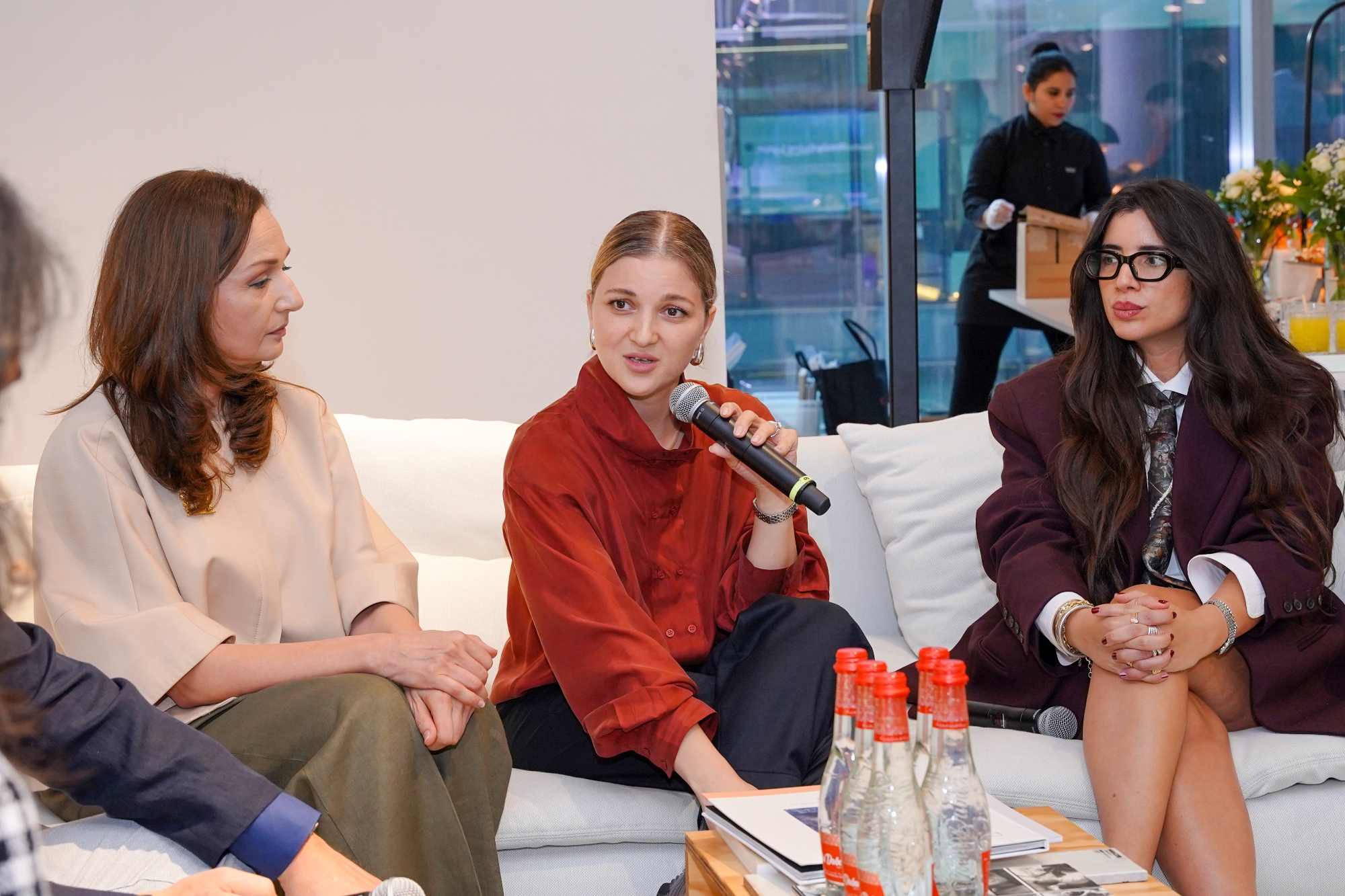
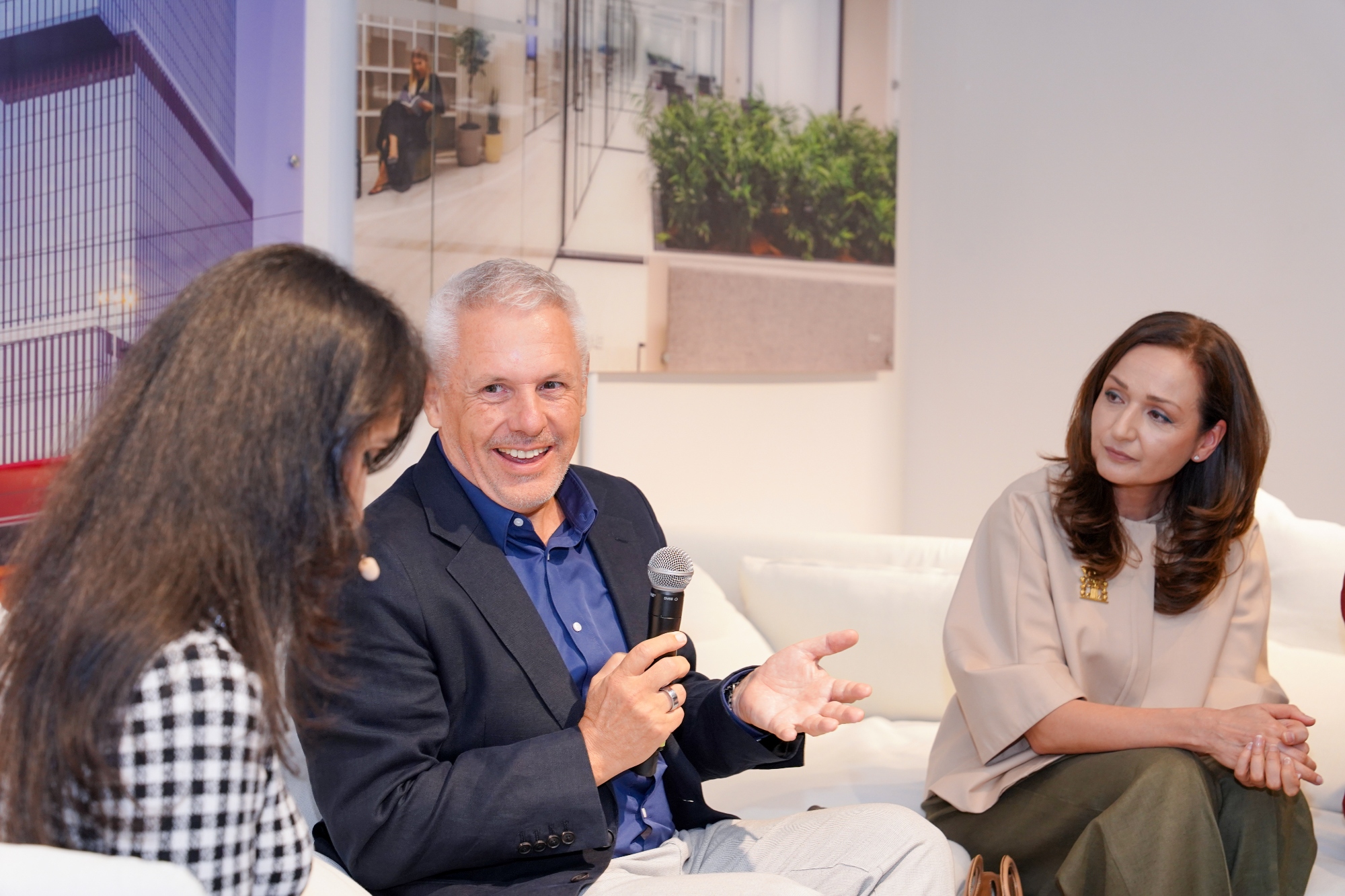
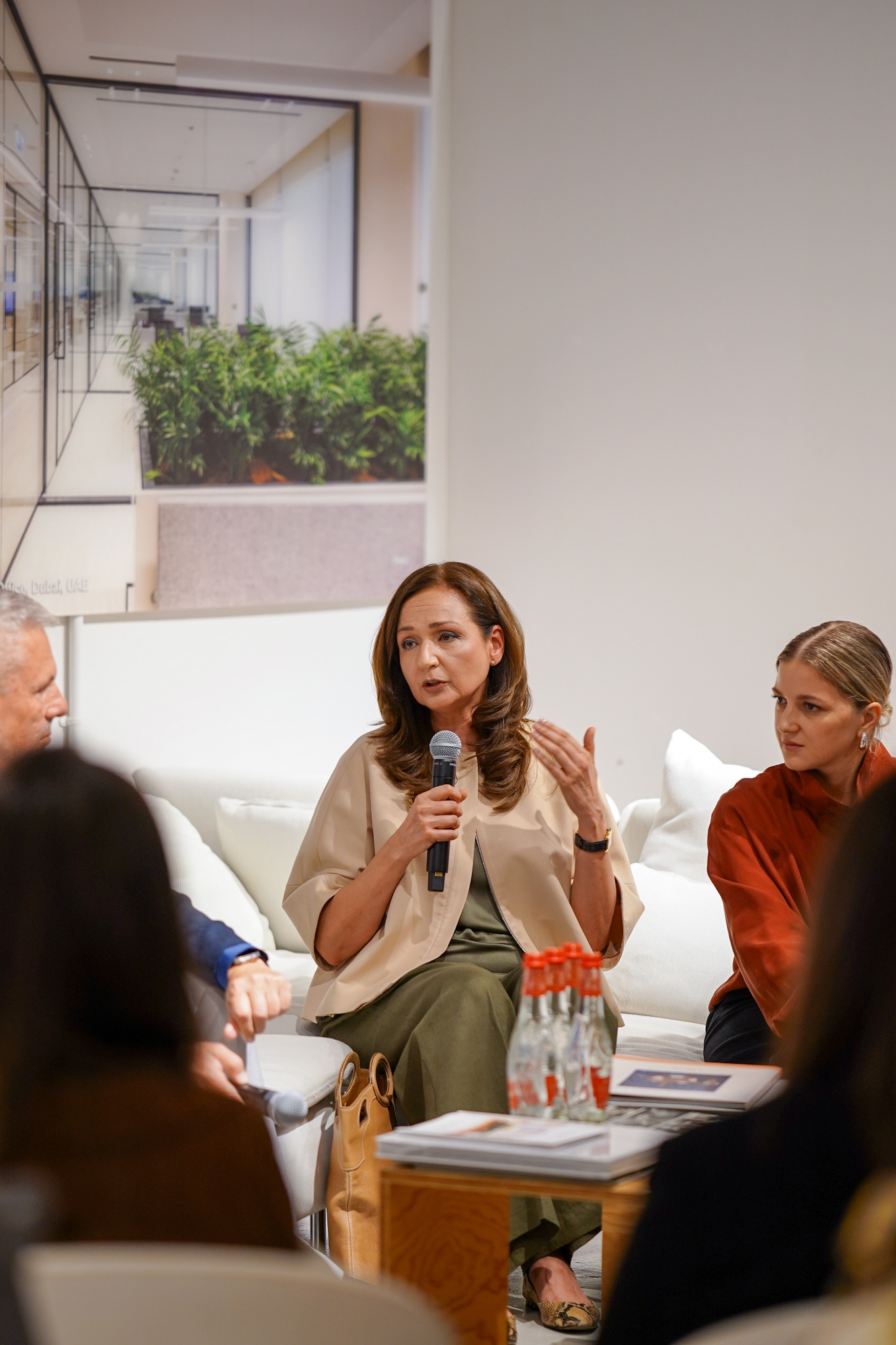
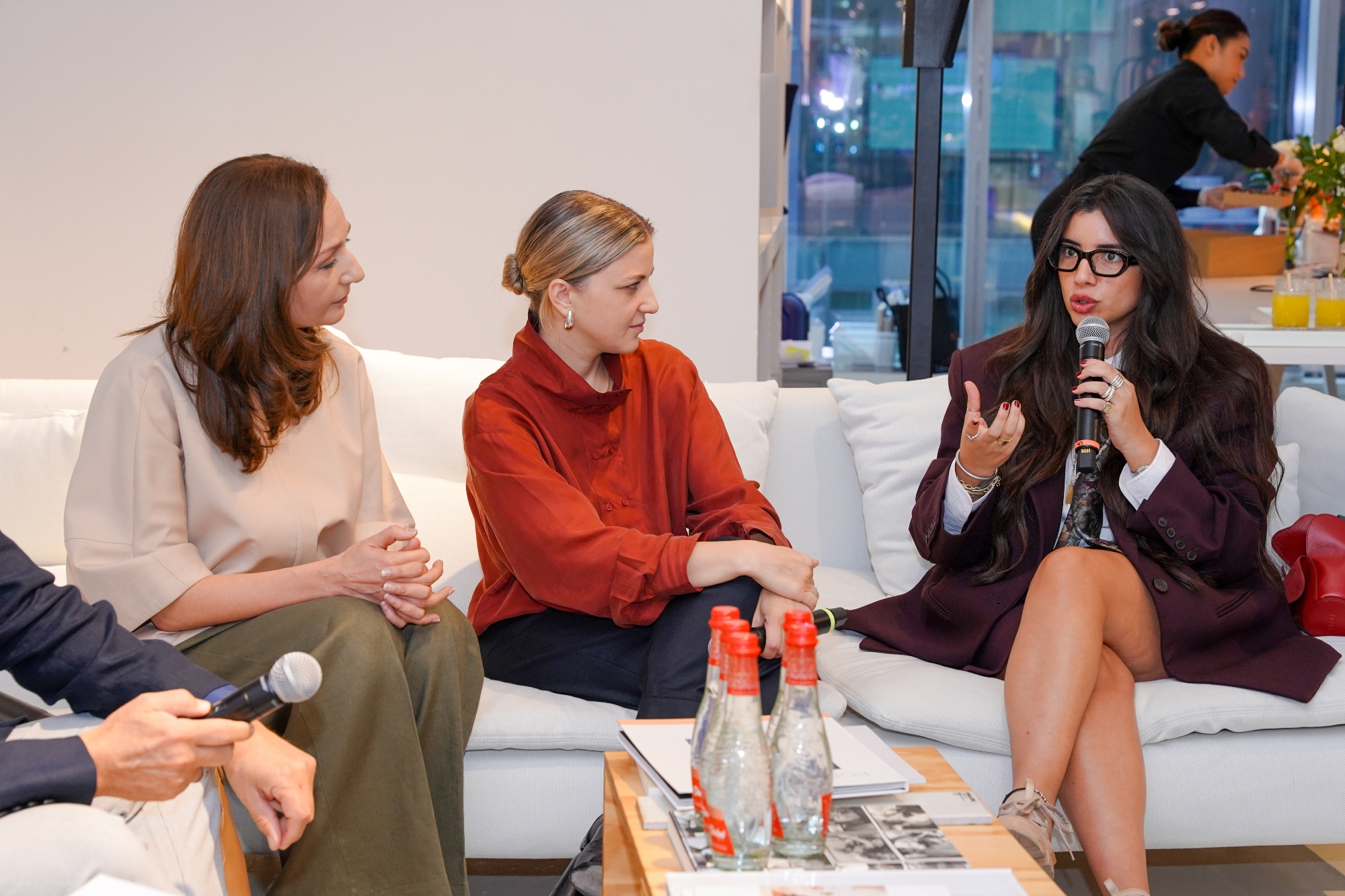
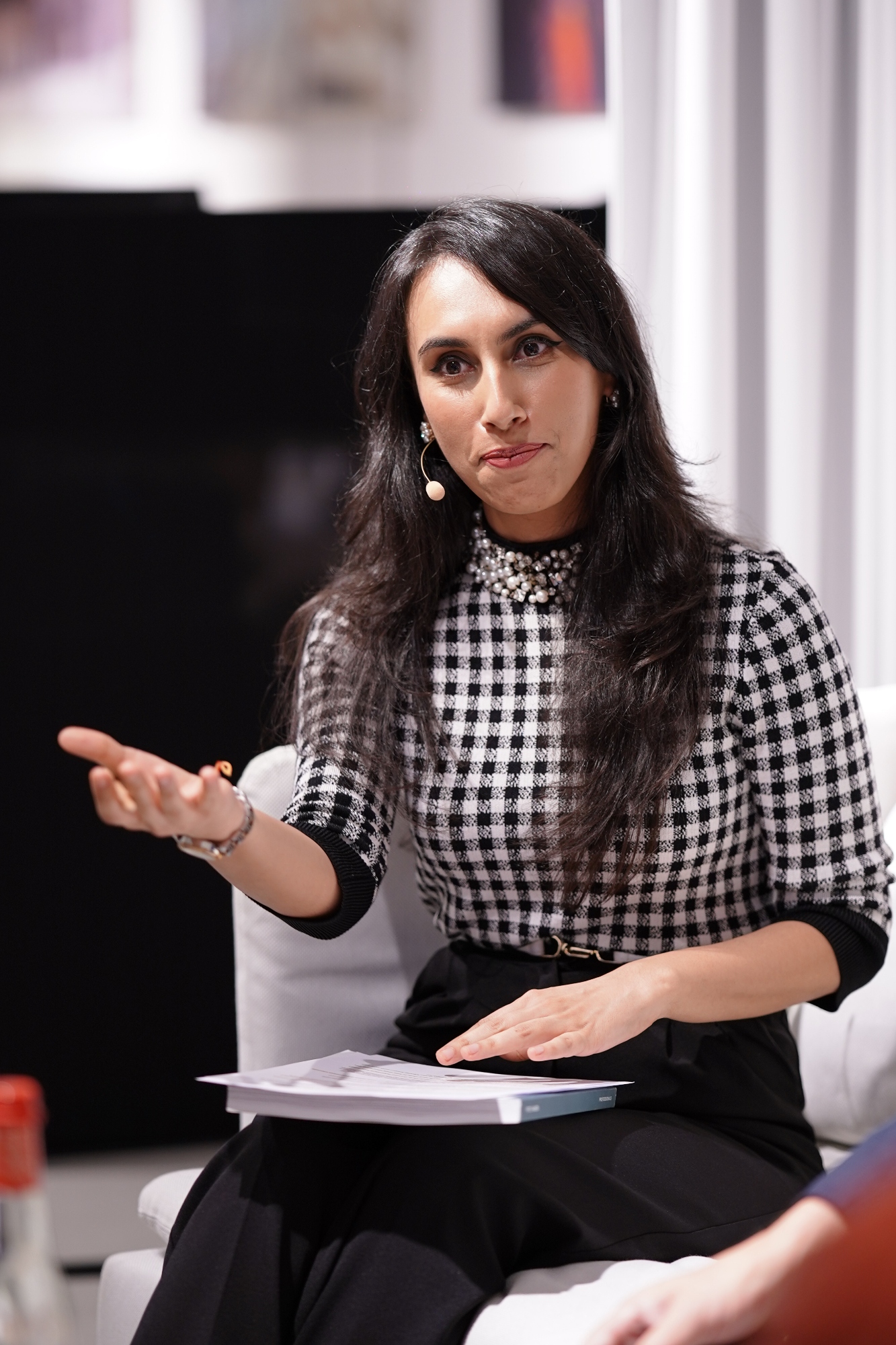
The dialogue captured these ideas in practice, as panelists exchanged perspectives on designing spaces that embody intelligence, emotion and cultural depth.

Moderator: Luxury design is undergoing a transformation. The market now demands something experiential and technologically integrated, rather than purely visual. How do we design spaces that become intelligently luxurious?

Adriana Graur: It begins with conversation—like any meaningful relationship. In residential design particularly, you need to understand both the individual client and the regional context. Emotional intelligence in a space means responding to their specific needs. When everything from spatial planning to air quality is properly executed, even modest spaces feel exceptional. True luxury, I would argue, is time—using technology to streamline daily routines so people have more hours for themselves and their families.

Sonia Ashoor: The concept of luxury has shifted considerably in this region. Where an earlier generation equated luxury with abundance, younger clients understand it as essence and depth. Luxury here is increasingly defined by cultural confidence and authenticity. To achieve longevity, design must be grounded in cultural language with refinement and restraint, resisting temporary trends.

Scott Whittaker: True luxury begins with faultless functionality. The bathroom, the kitchen, the sofa—every dimension and proportion must be correct. When you use a space repeatedly and appreciate it because it works, that forms the foundation. Only then do you introduce the aesthetic layer and cultural connection. A restaurant may be beautiful, but if the music is too loud or the chair sits at the wrong height, it fails the basic test of luxury.

Cynthia Khoury: As an art director, I work with a purely emotional medium. Each person experiences an artwork differently. For large-scale luxury projects, art curation centres on a narrative embedded in location, culture and community. You succeed when visitors carry that connection with them long after departure. That lasting impression defines luxury for me.

Craft and the Cultured Interior

Moderator:Global expectations of luxury must coexist with deeply personal and culturally authentic design. How do you balance these demands?

Cynthia Khoury: Personalisation and customisation represent luxury. In an age saturated with information, people want to be addressed directly. They value the human element—knowing an 80-year-old artisan crafted something by hand. Customisation and luxury are intertwined; the human factor adds value that artificial intelligence cannot replicate.

Sonia Ashoor: In the Gulf, the younger generation already inhabits this hybrid reality. They maintain exceptionally high aesthetic standards while remaining deeply rooted in tradition. They expect the essence of luxury—meaning and depth—combined with their cultural identity.

Moderator: How can cultural storytelling move beyond visual layering to engage multiple senses?

Sonia Ashoor: It requires purpose. Consider the UNESCO headquarters we designed in Bahrain. We translated the spectrogram of a pearling song—a piece of intangible heritage—into the building’s façade fins. During daylight, shadows create patterns; at night, the façade responds in real-time to music. This represents a different approach than simply applying cultural motifs. It emerges from thorough research and genuine engagement with the subject. Design needs to rediscover that sense of purpose. The Taj Mahal changes colour with light, reflecting what Emperor Shah Jahan described as the ‘swinging moods’ of his wife—a space that tells a story like that becomes unforgettable.

The Invisible Intelligence

Moderator: We operate in an increasingly technological era. How do we integrate emerging technologies like artificial intelligence to enhance luxury without overwhelming the human element or compromising timeless principles?

Scott Whittaker: Through simplicity. Technology must become invisible. True luxury arrives when technology works so seamlessly we forget it exists. We can return to living simply, enjoying functional, beautiful spaces, without the constant friction of systems that don’t quite perform.

Adriana Graur: Exactly. Seamless integration is key. AI—whether a smart thermostat or navigation application that saves time in traffic—should support quality of life. It reduces meaningless tasks, allowing focus on what matters. The future represents a return to simpler pleasures, supported by technology that feels invisible.

Scott Whittaker: We spend considerable time on irrelevant, time-consuming tasks. AI can remove those meaningless processes, allowing designers to return to more thoughtful, conceptual approaches—perhaps similar to architects centuries ago who focused on craft rather than CAD. I’m optimistic: accessing the world’s accumulated knowledge represents a powerful tool for designers with vision.

Cynthia Khoury: As technology becomes more seamless, material and craftsmanship stand out. Humans respond to the human touch. We value knowing an artisan created something, or that an artwork carries narrative. AI cannot replicate emotion or an artist’s distinct perspective. This is where human intelligence will always differentiate itself.

The Future of Space

Moderator: With hospitality trends increasingly influencing residential design, what does the next generation of living spaces look like?

Adriana Graur: More human and comfortable, while remaining elevated. The focus is good design fundamentals: appropriate light temperature, excellent acoustics, high-quality air. These are invisible standards, but they create the emotional response you need. We sometimes sacrifice this due to accelerated project timelines. The next generation of spaces will embed that quality and emotional intelligence invisibly, helping people live better.

Moderator: This conversation has ranged from poetry to advanced computation. To conclude, how can intelligence, sustainability and storytelling converge to create a purposeful future for design?

Scott Whittaker: Consider Dubai—a relatively new city, constantly reinventing itself. This lack of deep, fixed history creates opportunity. We are developing a new culture and design philosophy. When you combine that energy with AI, the future is promising. It’s about letting machines handle computation while humans maintain soulful and purposeful design.

Sonia Ashoor: I believe in curiosity and asking the right questions. AI is not a threat; it’s a resource. It represents aggregated intelligence, and designers must train themselves to use it well. If we can instil interest in history, craft and emotion, the next generation will use these tools effectively. The most successful spaces will always bridge innovation with intuition, where craft meets computation, and the human narrative remains central.

The dwp.Dialogue confirmed dwp’s confident position: the next generation of luxury demands a precise convergence of intuition, culture, and advanced intelligence. By seamlessly bridging innovation with intuition, and ensuring the human story remains at the heart of the design, we are designing not just high-end spaces, but enduring human purpose.

Tags: Abu dhabi, Agile workspace, Archi, Architect, Architecture, Artist, Asia, Bangkok, Bar, BIM, Blog, Boutique, Business, Civic, Construction, Content, Creativity, Culture, Design, Designer, Digital, Digital technology, Digital transformation, Digitisation, Drink, Dubai, Education, Experience, F&B, Food, Future, Health, Hicap, Ho chi minh, Hospitality, Hotel, Hotel design, Information, Innovation, Interior, Interior design, Interior designer, Interview, Knowledge, Lebua, Lifestyle, Luxury, Luxury design, Luxury interior, Marriott, Profile, Residential, Restaurant, Saigon, Sky, Studio, Success, Sustainibility, Tech, Technology, Thailand, Trends, Video, Vietnam, W hotel, Women
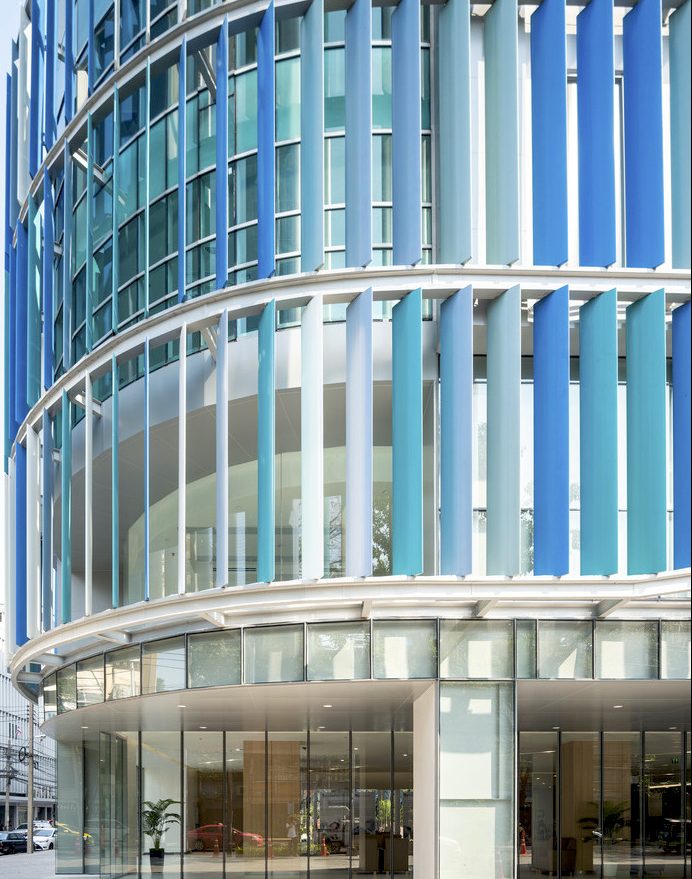
The Building as a Teacher: Design That Expresses Identity and Builds Community

At dwp, we believe educational architecture acts as a silent mentor, a storyteller, and a community catalyst. School design is evolving to embody values, ignite curiosity, and deepen belonging, where the physical form becomes part of the educational journey.

A school’s built environment reflects its unique identity and aspirations. Design can visually communicate ethos through thoughtful application of school colours, integration of cultural references, or spatial storytelling. The Shrewsbury International School Senior School and Library in Bangkok, crafted by dwp, exemplify this by fostering strong school identity, pride, and connection through environment, colour, branding, and curated graphics.

Architecture increasingly plays a pedagogical role, with the “building as a teaching tool” concept. This introduces young learners to the mechanics of the built world, transforming structural systems, exposed materials, and sustainable features into real-life educational content. For example, at Dwight School Hanoi, dwp’s interior design elements like transparent walls, visible structure, and interactive installations teach students about engineering and environmental systems, nurturing hands-on learning and sparking curiosity.

Community is central to every thriving school. Modern learning environments are designed for interaction — planned and spontaneous. Flexible commons, open atriums, and collaborative “learning stairs” become social anchors supporting collaboration. At the Early Learning Centre in Bangkok, dwp designed shared spaces where students, teachers, and parents naturally connect, supporting a strong school culture and reinforcing that learning happens everywhere.

Through each project, dwp applies human-centered design thinking, grounded in regional knowledge and driven by innovation. We view educational design as an opportunity to shape the thinkers, leaders, and innovators of tomorrow. The school building, at its best, becomes a quiet yet profound mentor, guiding young minds through the language of design.


Tags: Abu dhabi, Agile workspace, Archi, Architect, Architecture, Artist, Asia, Bangkok, Bar, BIM, Blog, Boutique, Business, Civic, Construction, Content, Creativity, Culture, Design, Designer, Digital, Digital technology, Digital transformation, Digitisation, Drink, Dubai, Education, Experience, F&B, Food, Future, Health, Hicap, Ho chi minh, Hospitality, Hotel, Hotel design, Information, Innovation, Interior, Interior design, Interior designer, Interview, Knowledge, Lebua, Lifestyle, Luxury, Luxury design, Luxury interior, Marriott, Profile, Residential, Restaurant, Saigon, Sky, Studio, Success, Sustainibility, Tech, Technology, Thailand, Trends, Video, Vietnam, W hotel, Women
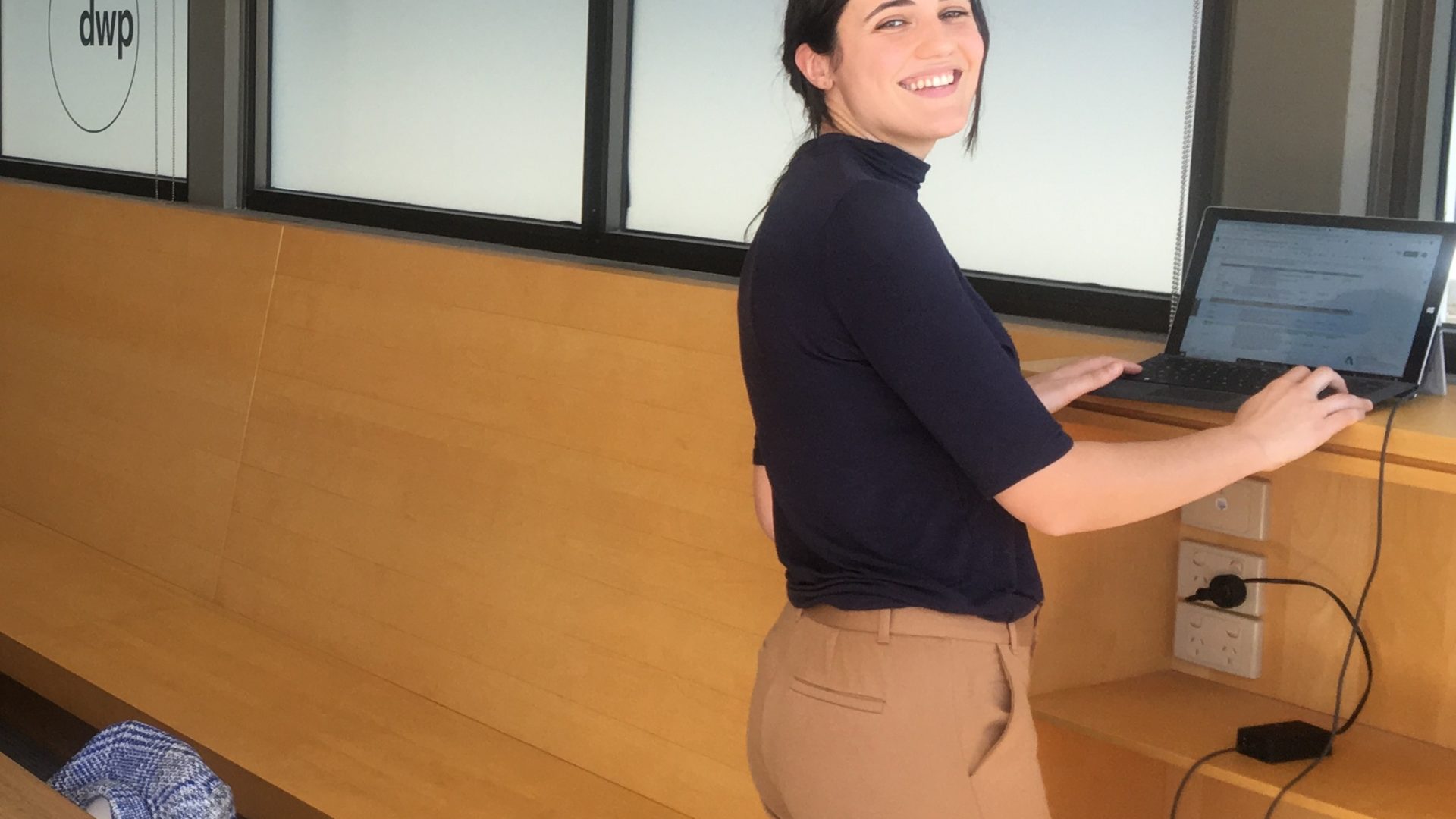
The Future Is Designed. By dwp.

Design is always moving forward—and so are we.

For over 30 years, dwp. has been shaping the world through design. Our projects, from significant towers in the Middle East to engaging hospitality in Asia, consistently reflect a balance of innovation, elegance, and cultural intelligence. Today, as we look toward the next chapter of our story, we are proud to unveil an evolved brand identity. It is refreshed, refined, and ready for what is next.

Evolving Our Identity

This evolution sets the stage for luxury’s progression. This is not a rebrand; we are not starting over. Instead, we are distilling the essence of what makes dwp unique and amplifying it. The new brand is bolder and more expressive. It speaks with greater clarity. This gives us the tools to connect more effectively with clients, collaborators, and communities around the world.

At the centre of this evolution is our new wordmark: dwp. It is simple, confident, and unmistakably ours. Alongside it, a flexible naming system—dwp.architecture, dwp.workplace, dwp.medusa, and more—allows our growing disciplines and partnerships to shine with clarity and consistency.

We have introduced a visual identity designed for a digital-first world. This includes modern typography, streamlined layouts, and elegant composition. You will see it reflected in our proposals, presentations, social media, and even the way we sign our emails. It is all part of telling our story in a clearer, more impactful way.

Our Enduring Purpose

But while the visuals may be new, our purpose remains the same.

We still believe in Simple Elegance—a design philosophy that celebrates the power of refined solutions and human-focused thinking. We continue to leverage the latest tools, including AI and advanced BIM, to push creative boundaries and deliver more value to our clients. Furthermore, dwp remains as committed as ever to designing spaces that resonate—culturally, emotionally, and functionally.

Our updated tone of voice reflects this maturity. It is clear, considered, and global—just like our work. We have moved away from unnecessary hype, focusing instead on precision, purpose, and substance.

Communicating with Impact

And finally, our new tagline encapsulates everything we stand for:

The future is designed. By dwp.

It is more than a line; it is a belief. It serves as a reminder that design is not just about aesthetics or trends—it is about progress. It is about imagining what could be, and then bringing it to life with intention, innovation, and care.

This brand evolution is not just about looking better—it is about communicating better. This applies internally and externally, across every touchpoint and time zone. It is about aligning how we present ourselves with the quality, creativity, and ambition dwp brings to every project.

Welcome to the new look of dwp. Same purpose. Sharper presence. Designed for the future.

Tags: Abu dhabi, Agile workspace, Archi, Architect, Architecture, Artist, Asia, Bangkok, Bar, BIM, Blog, Boutique, Business, Civic, Construction, Content, Creativity, Culture, Design, Designer, Digital, Digital technology, Digital transformation, Digitisation, Drink, Dubai, Education, Experience, F&B, Food, Future, Health, Hicap, Ho chi minh, Hospitality, Hotel, Hotel design, Information, Innovation, Interior, Interior design, Interior designer, Interview, Knowledge, Lebua, Lifestyle, Luxury, Luxury design, Luxury interior, Marriott, Profile, Residential, Restaurant, Saigon, Sky, Studio, Success, Sustainibility, Tech, Technology, Thailand, Trends, Video, Vietnam, W hotel, Women
Subscribe newsletter
  • We’ll email you dwp’s Insights every two months.