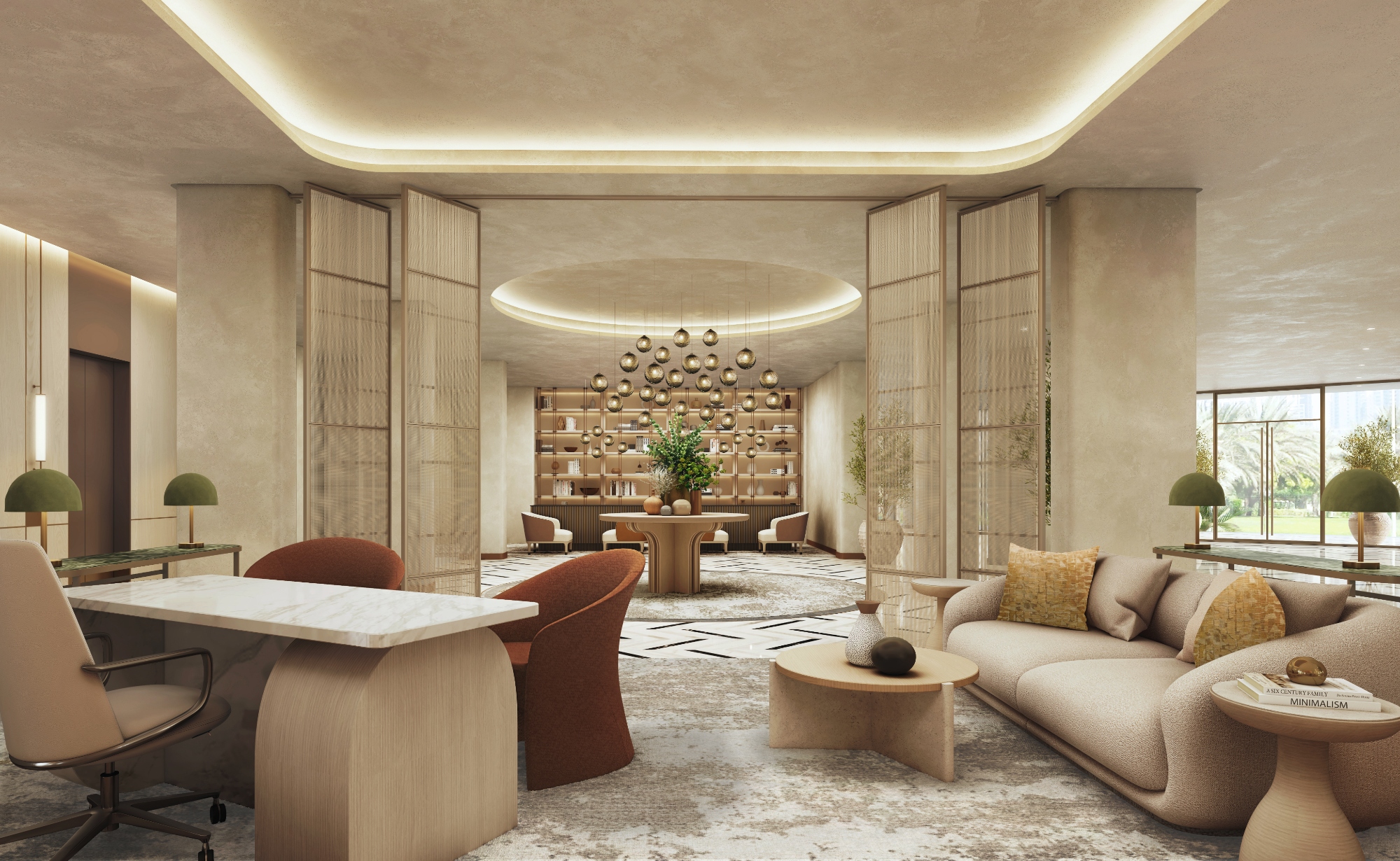
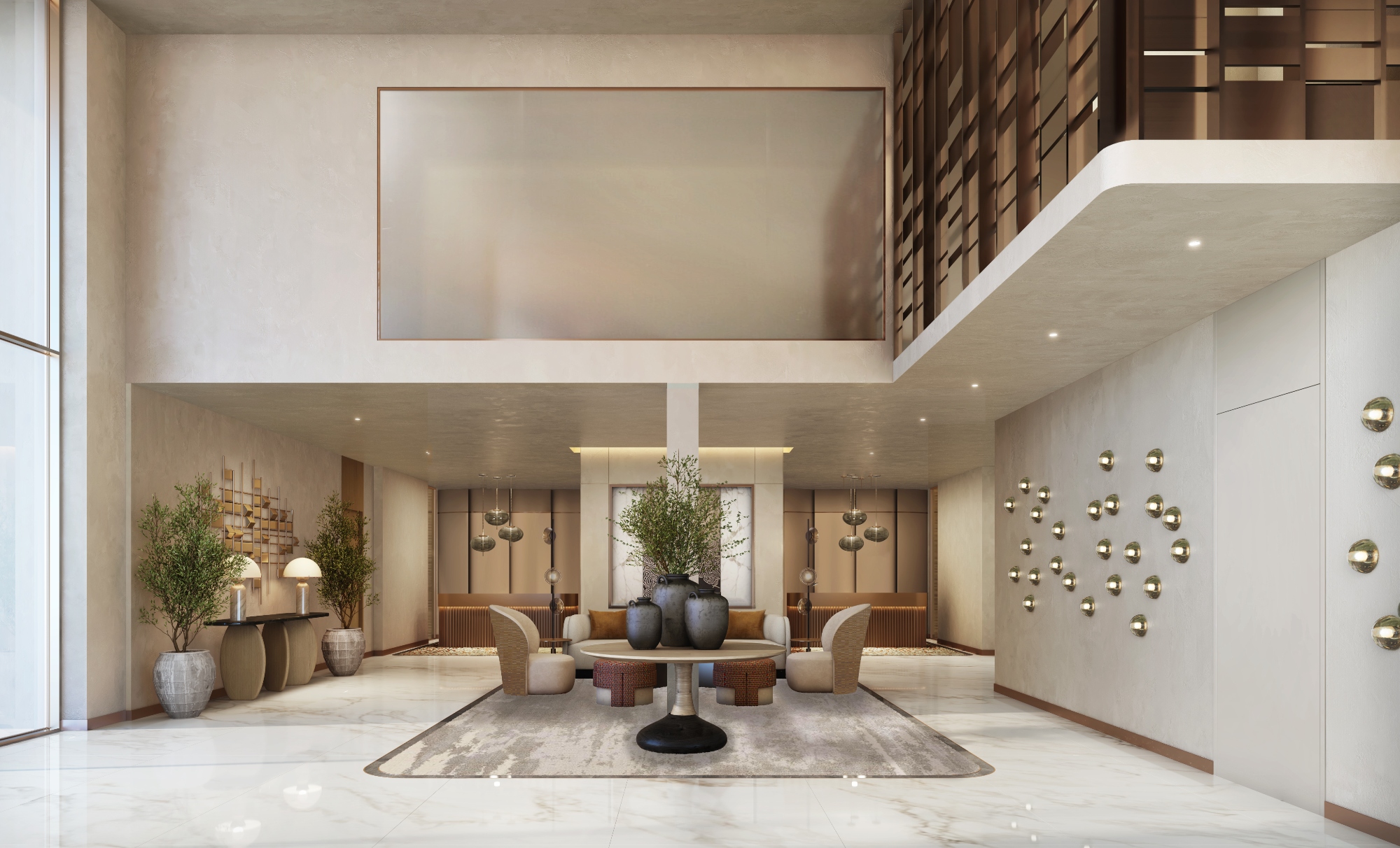
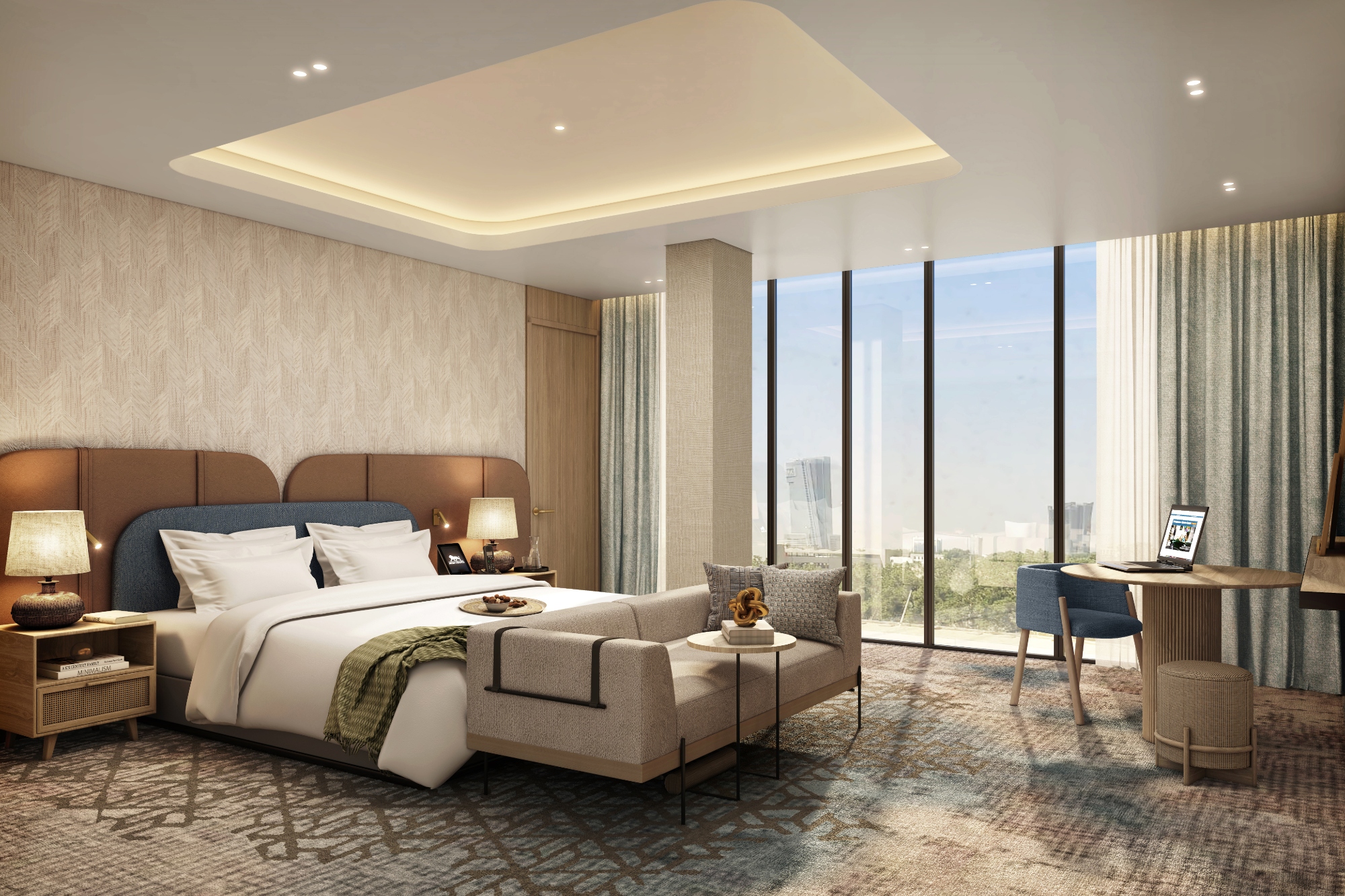
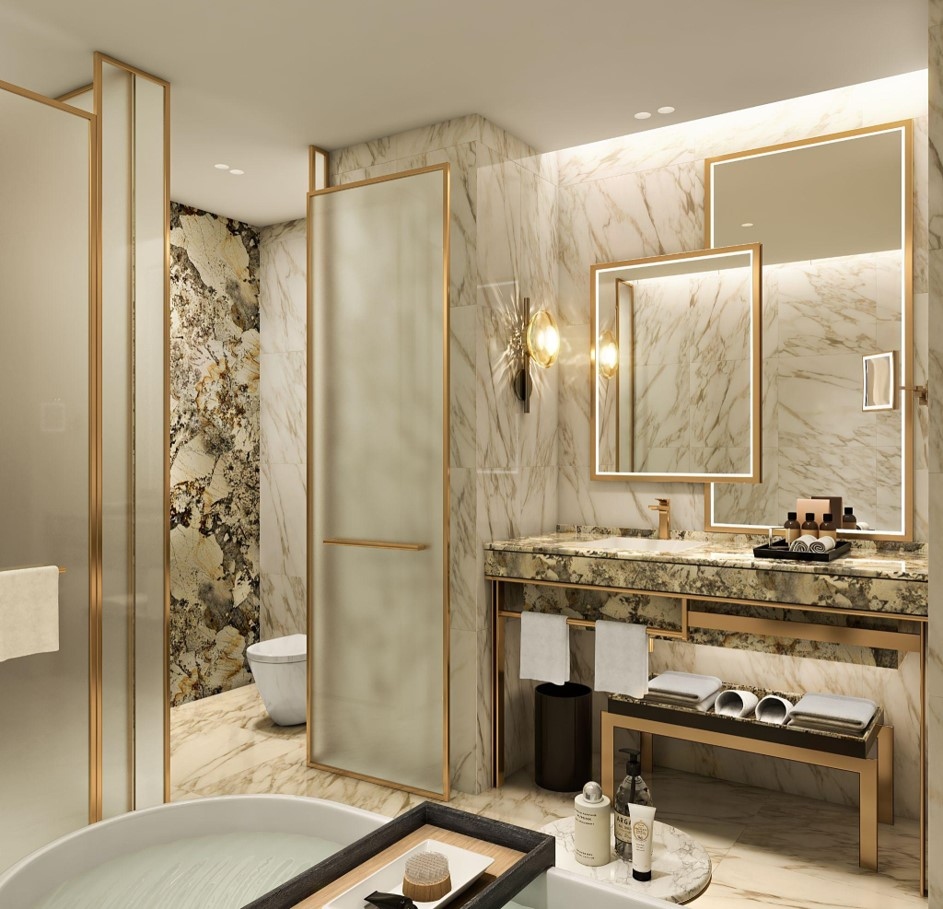
The Intelligent Pursuit of Luxury: Insights from dwp.Dialogue Dubai

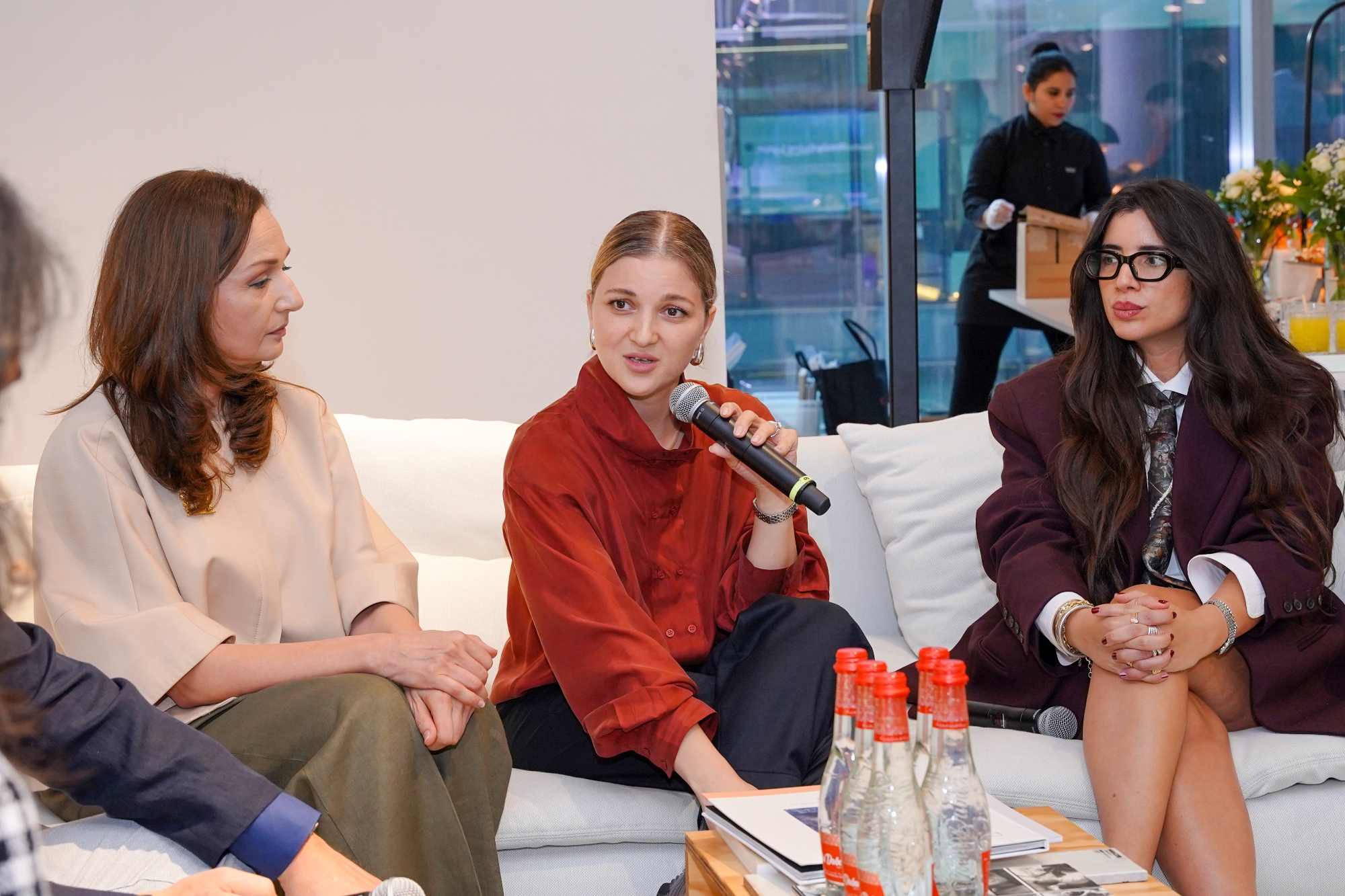
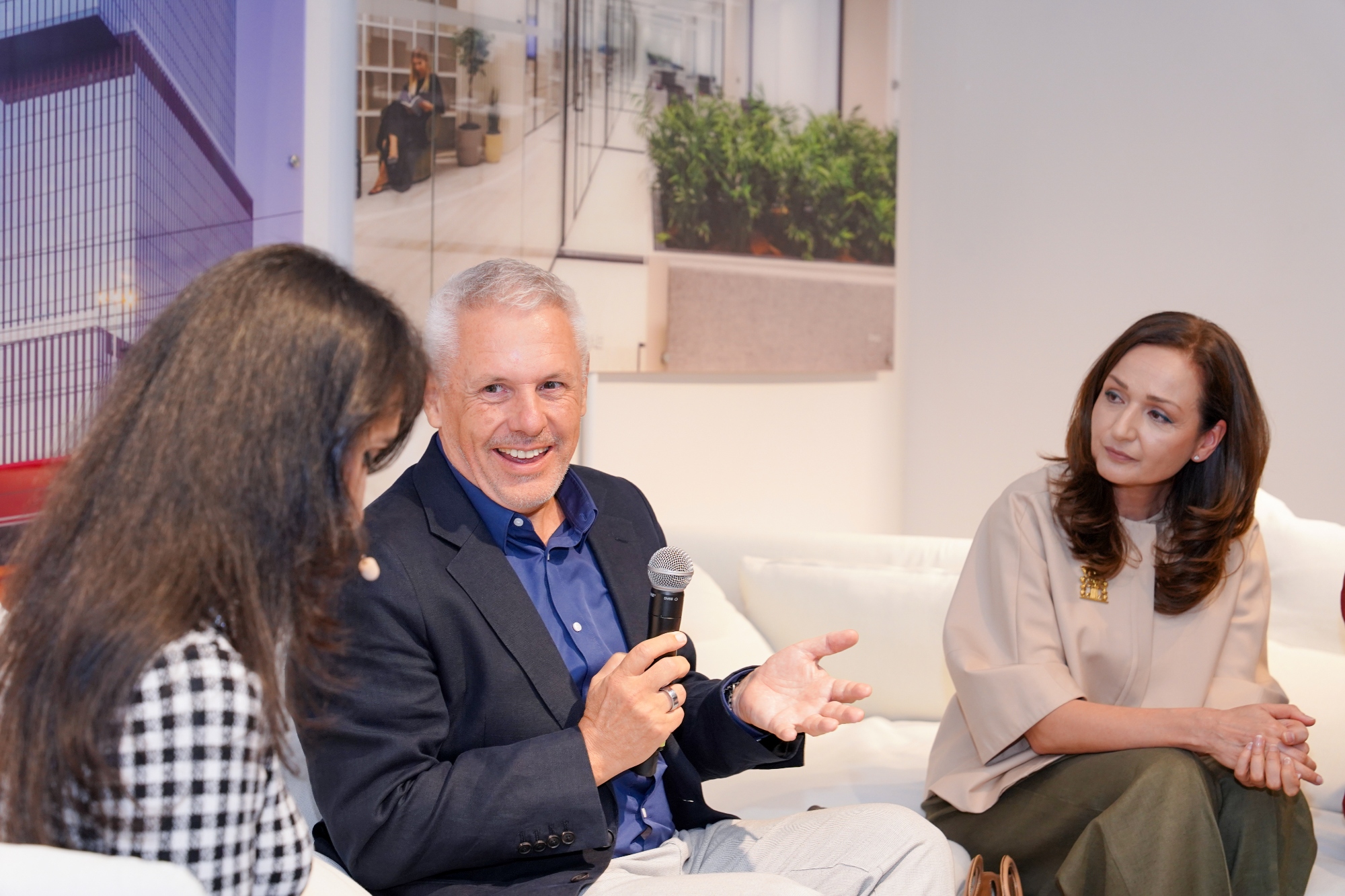
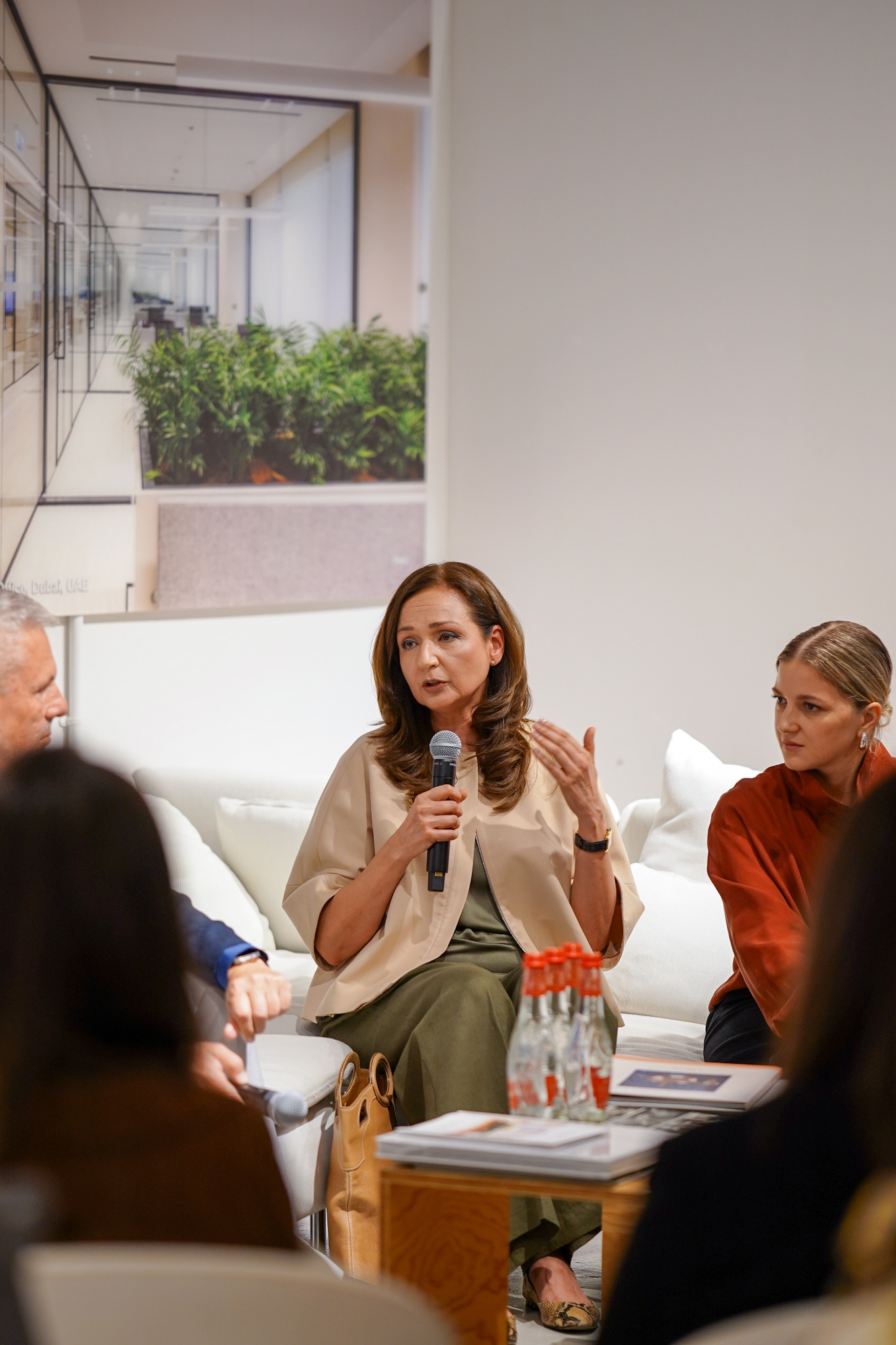
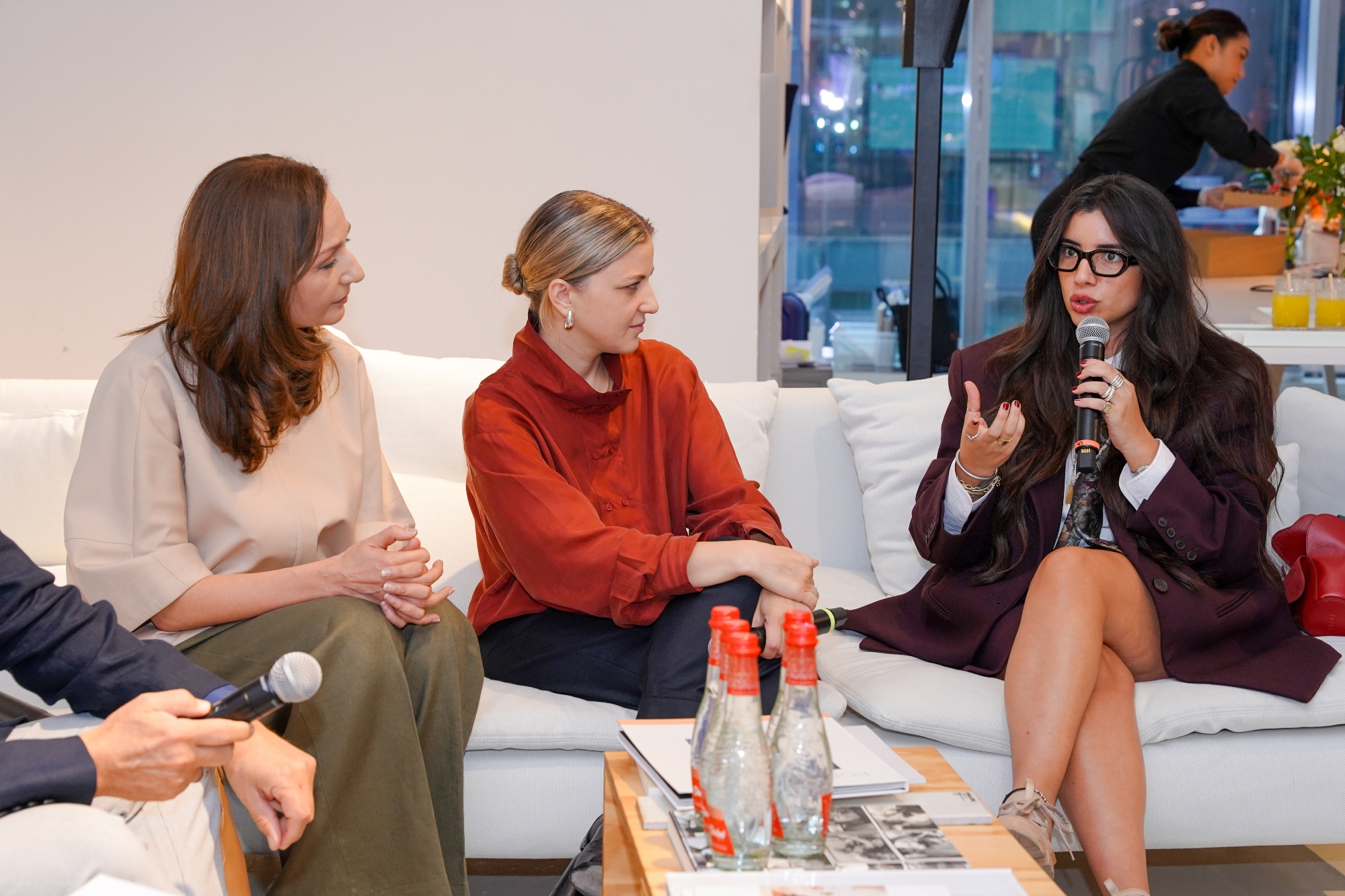
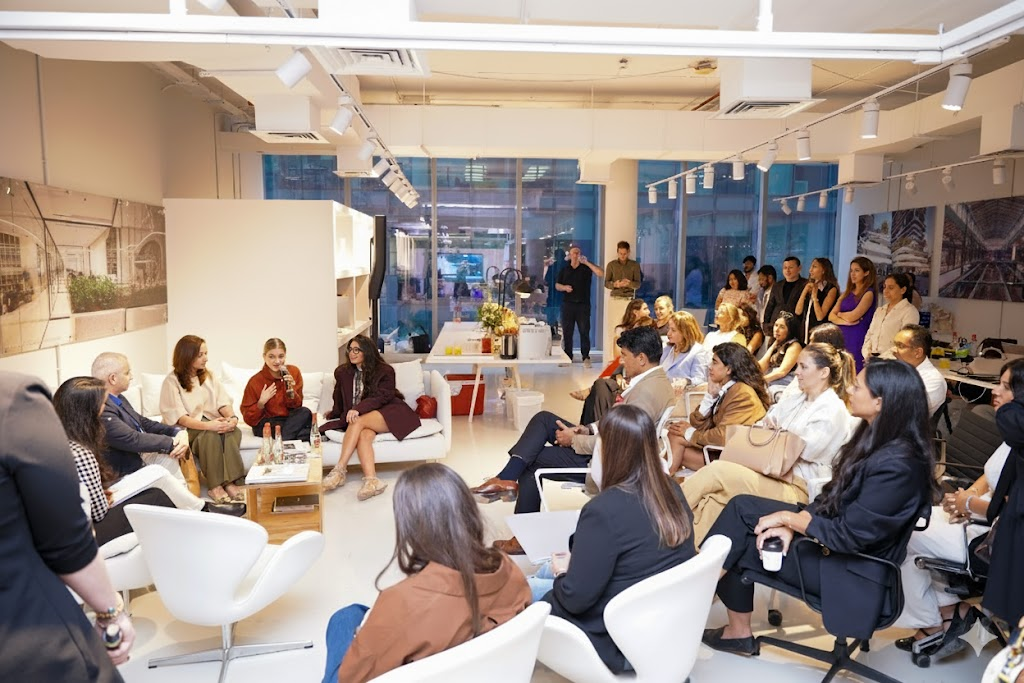
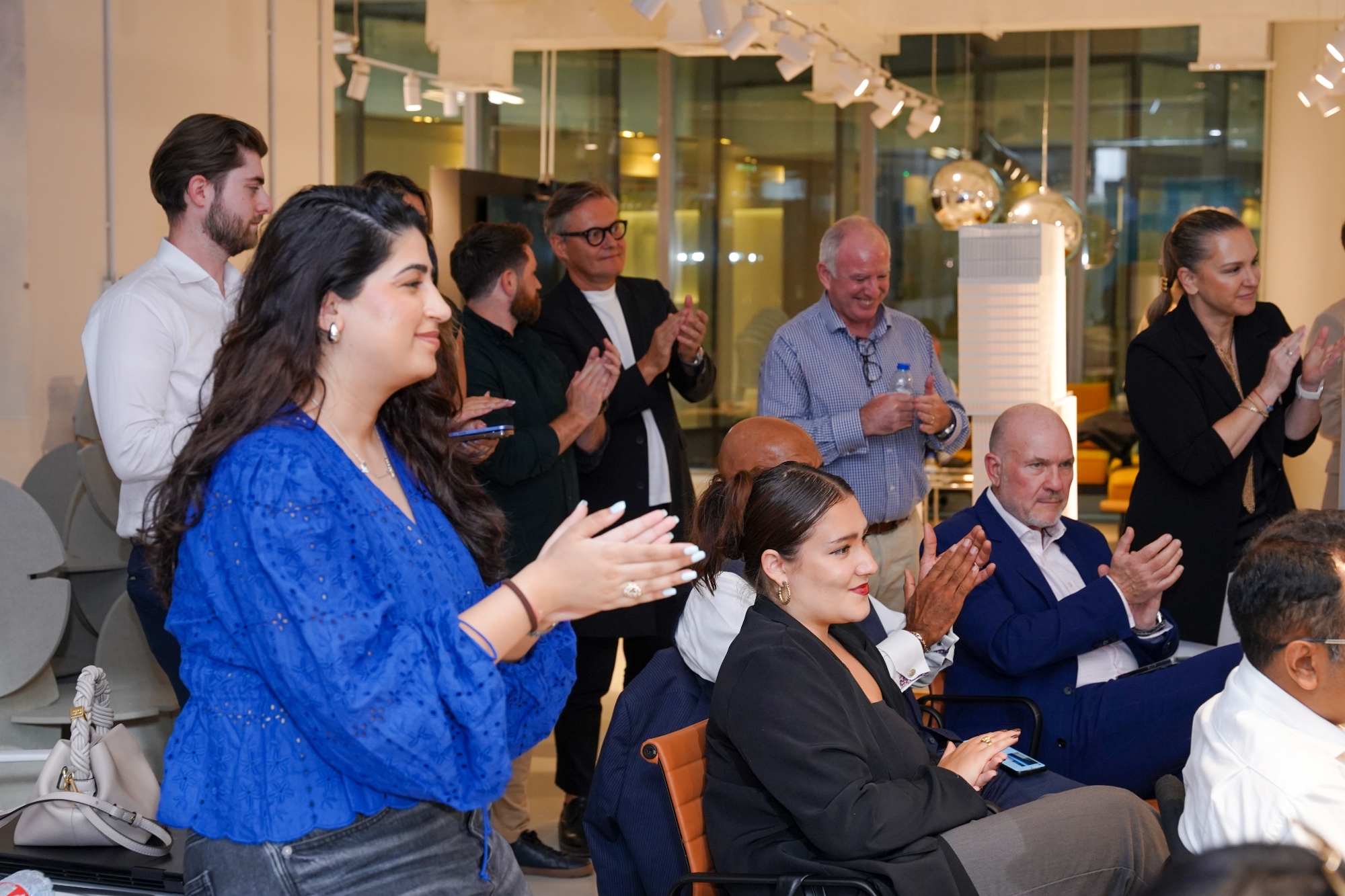
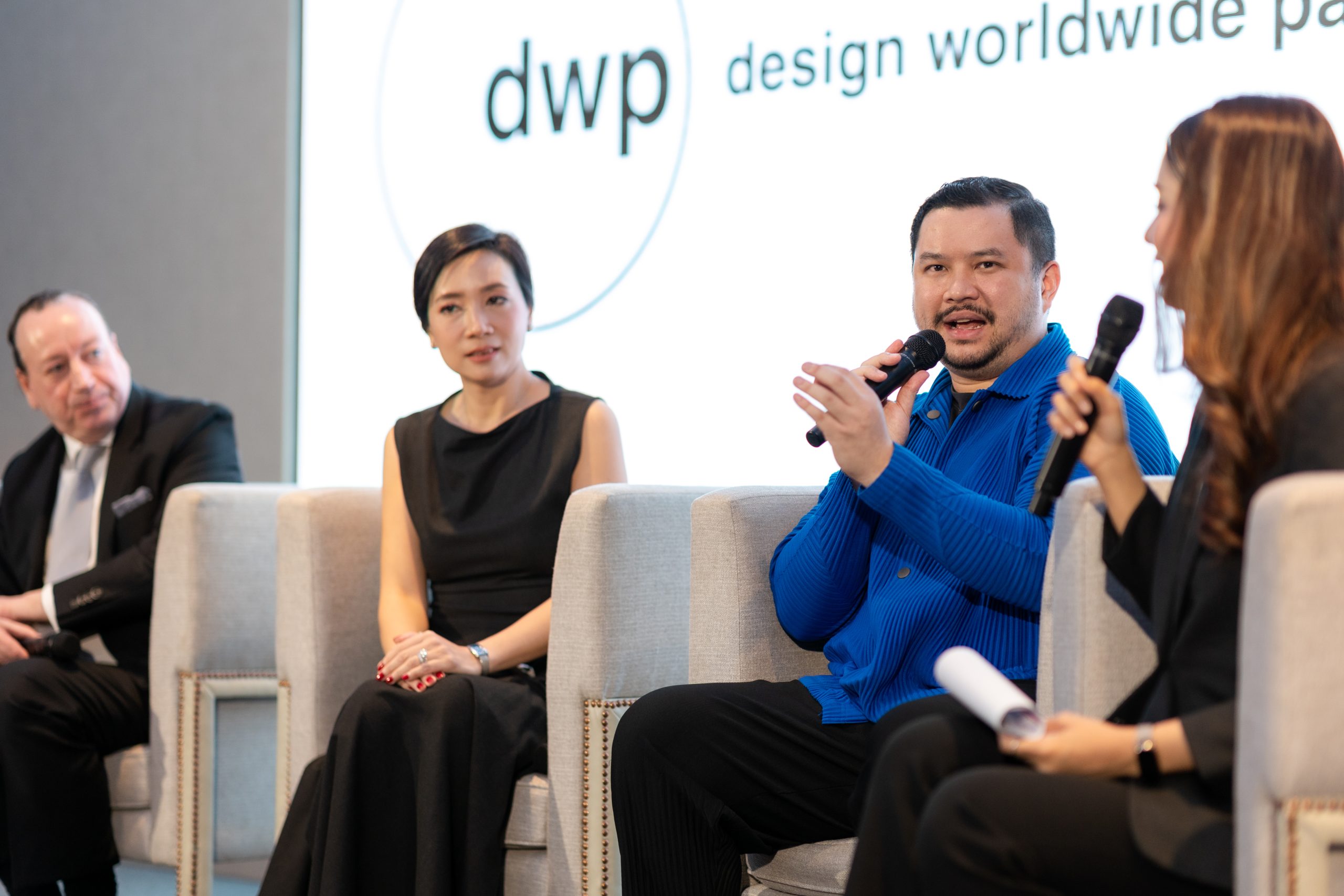
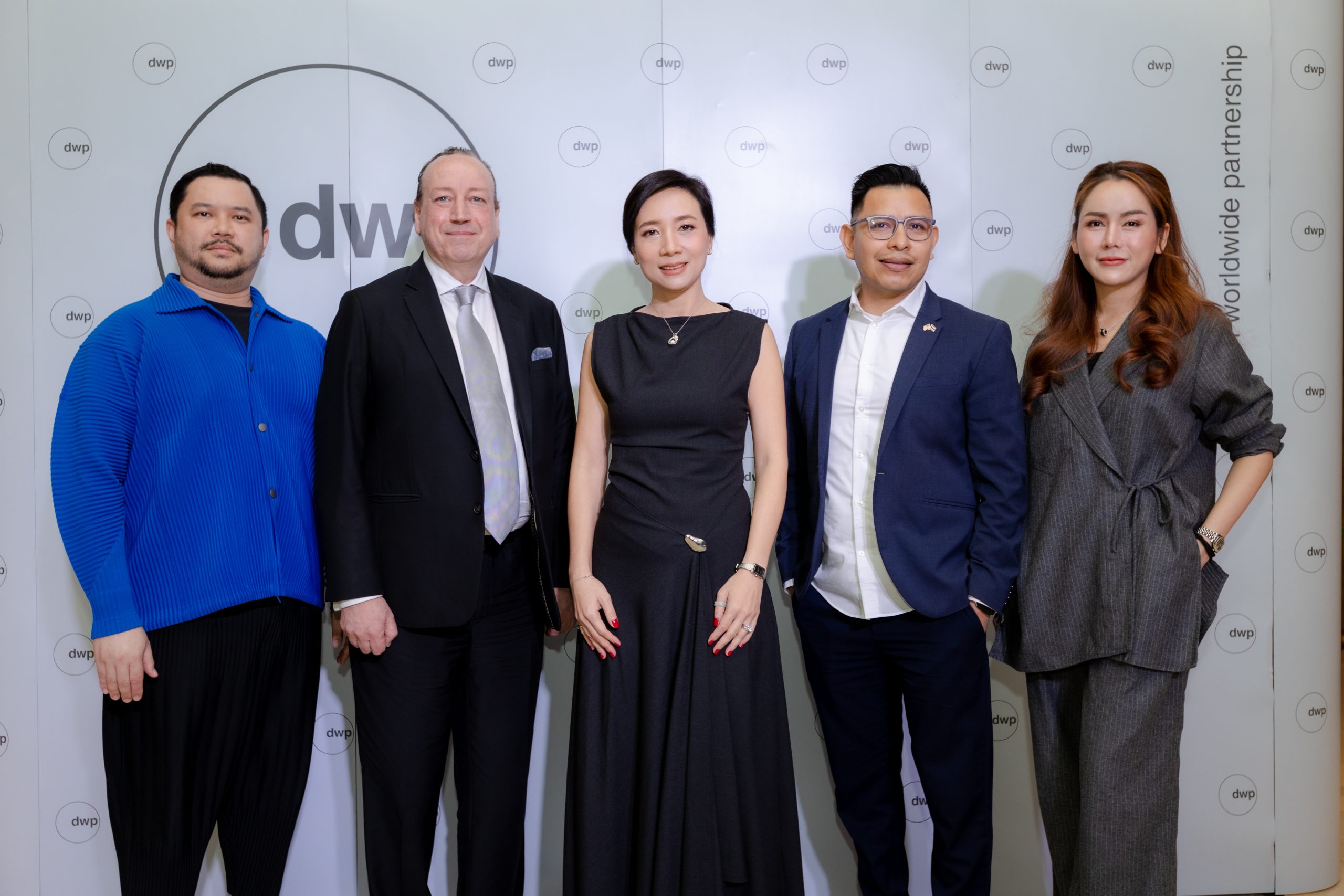
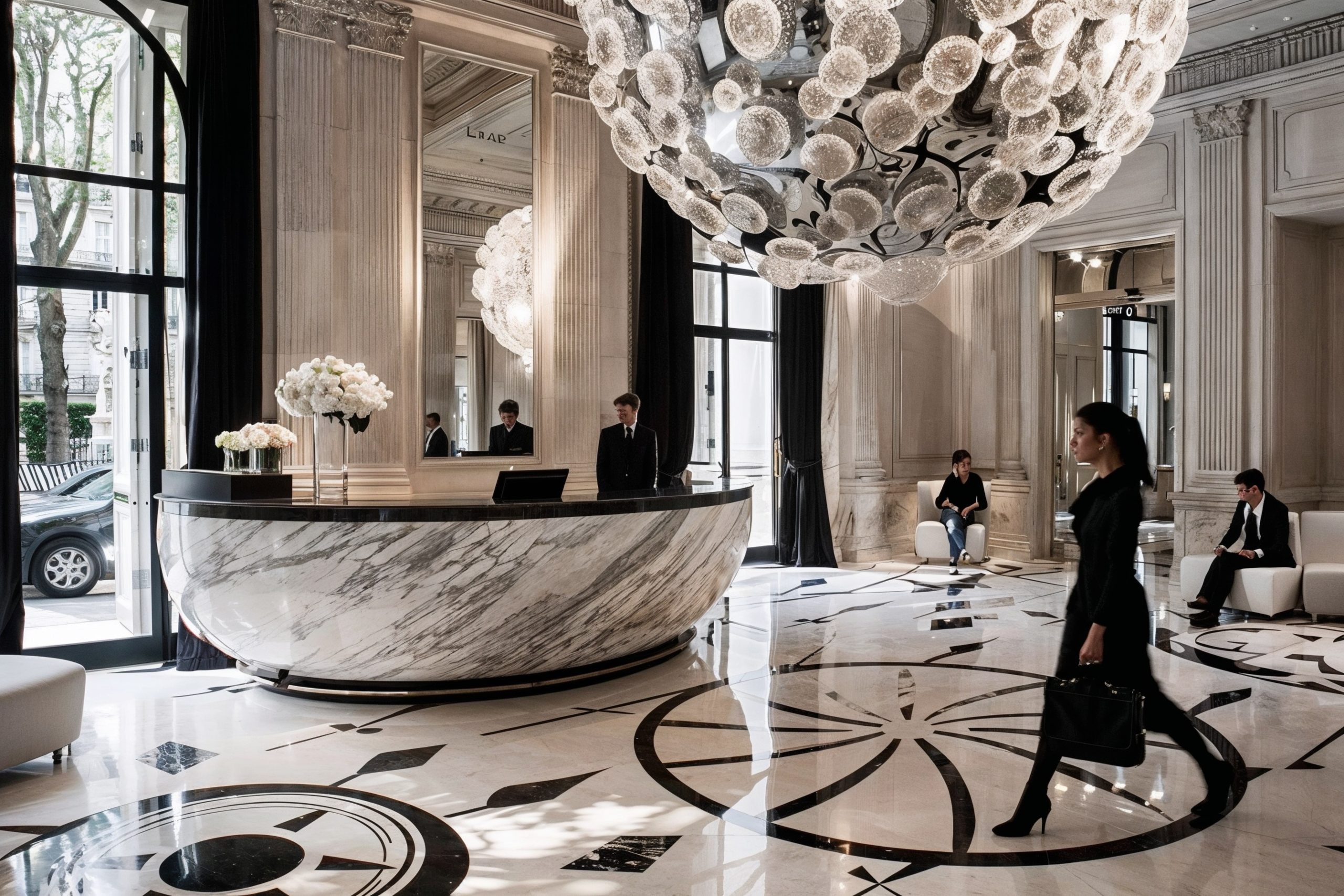
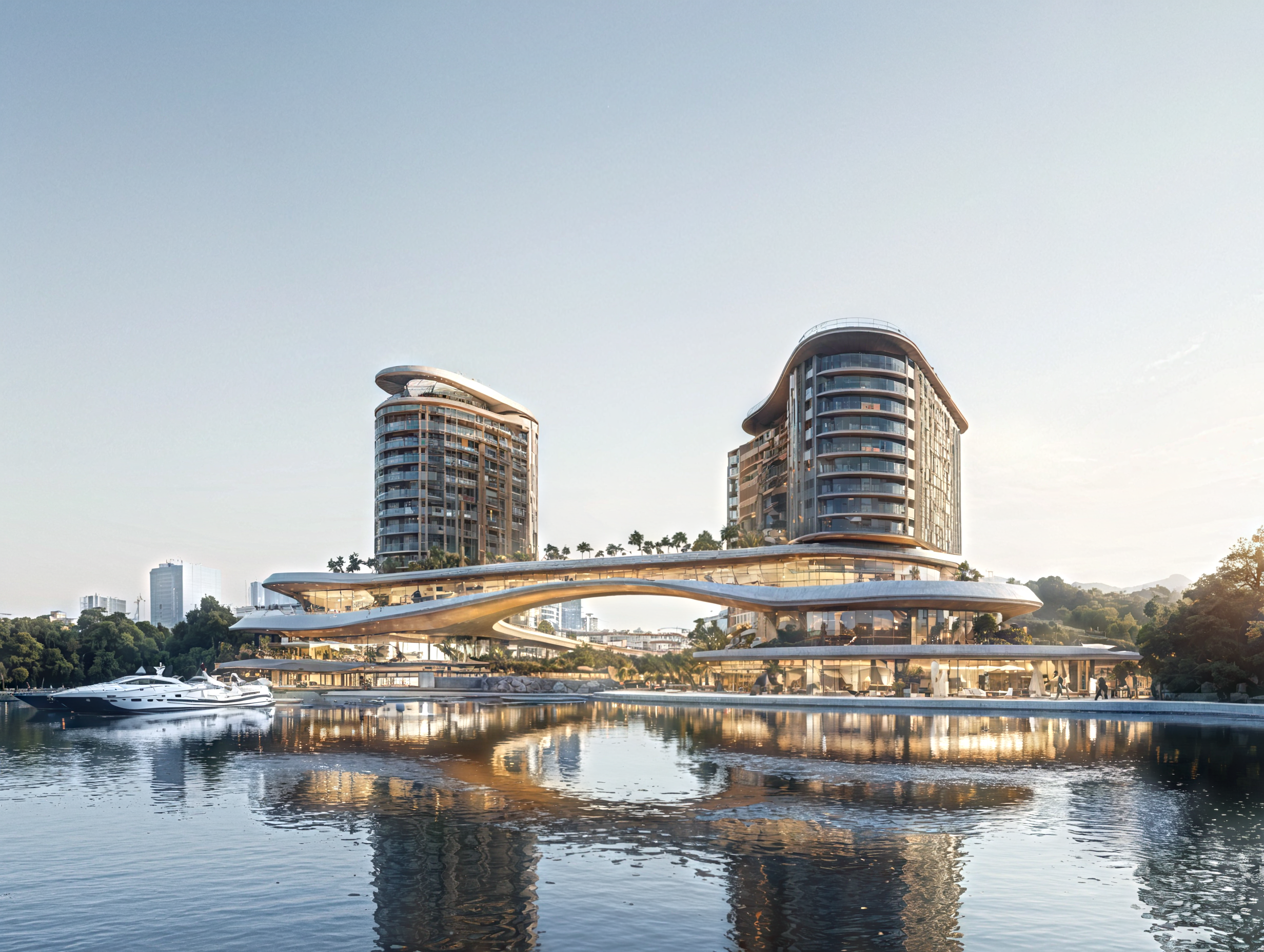
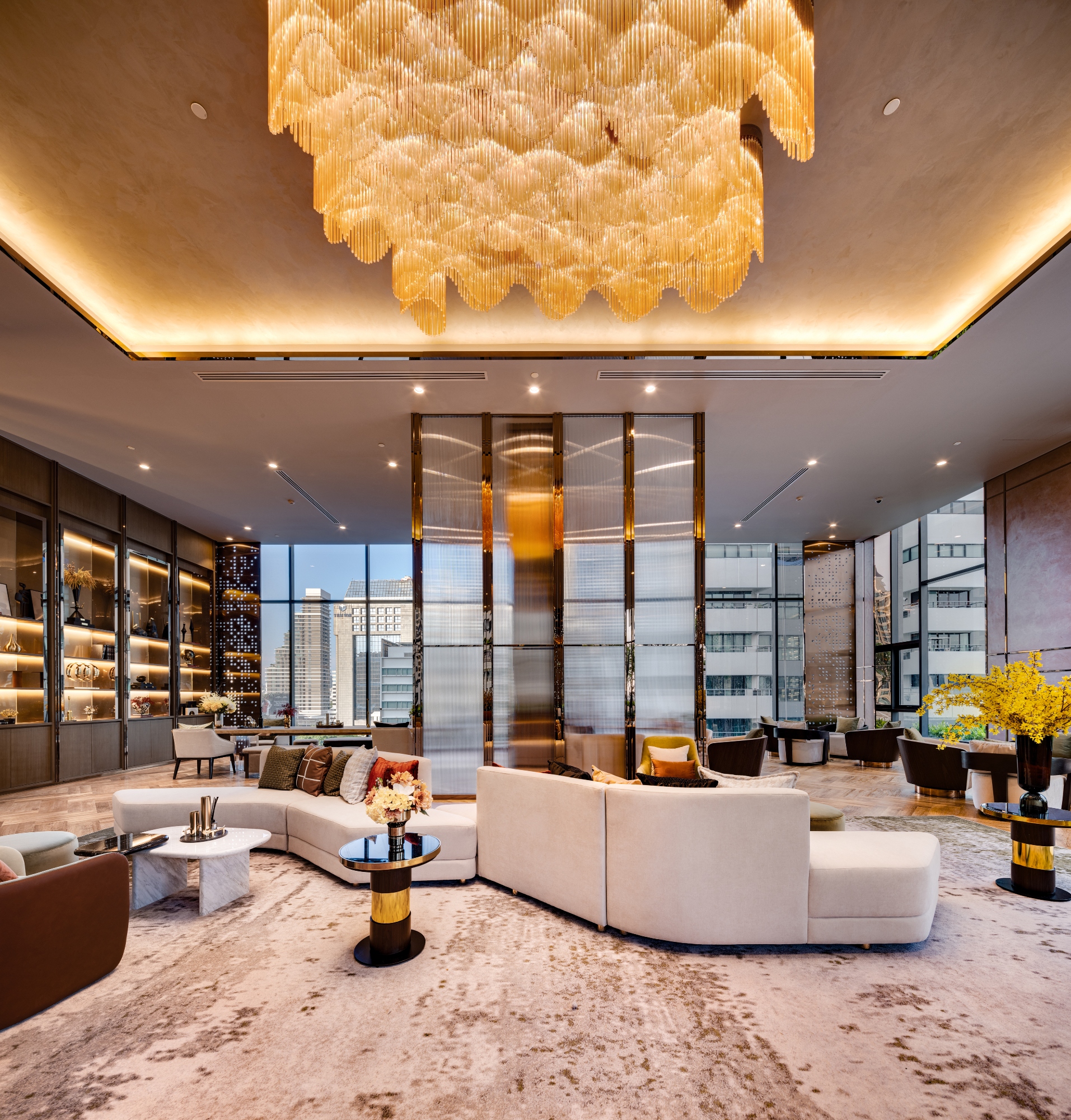
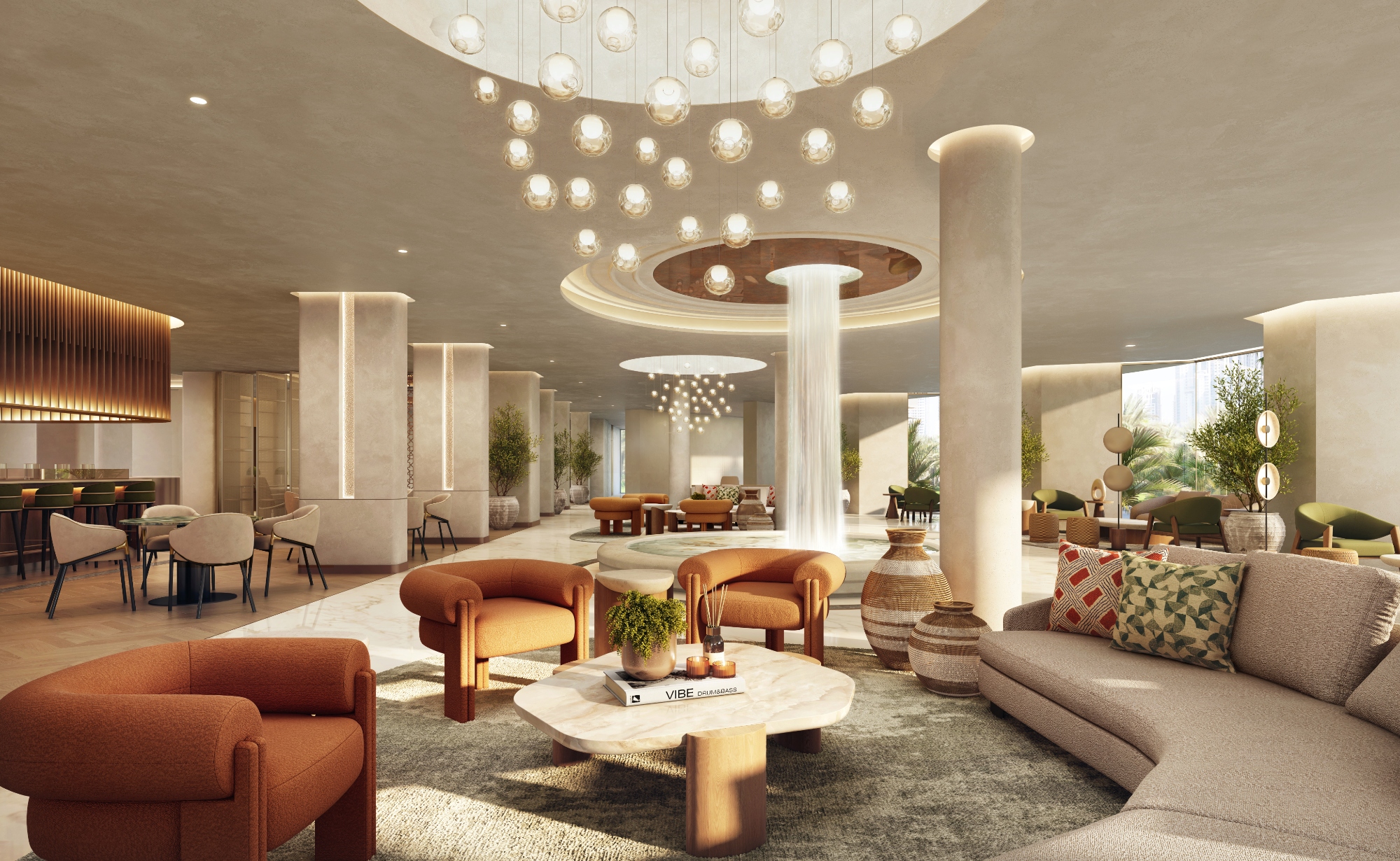
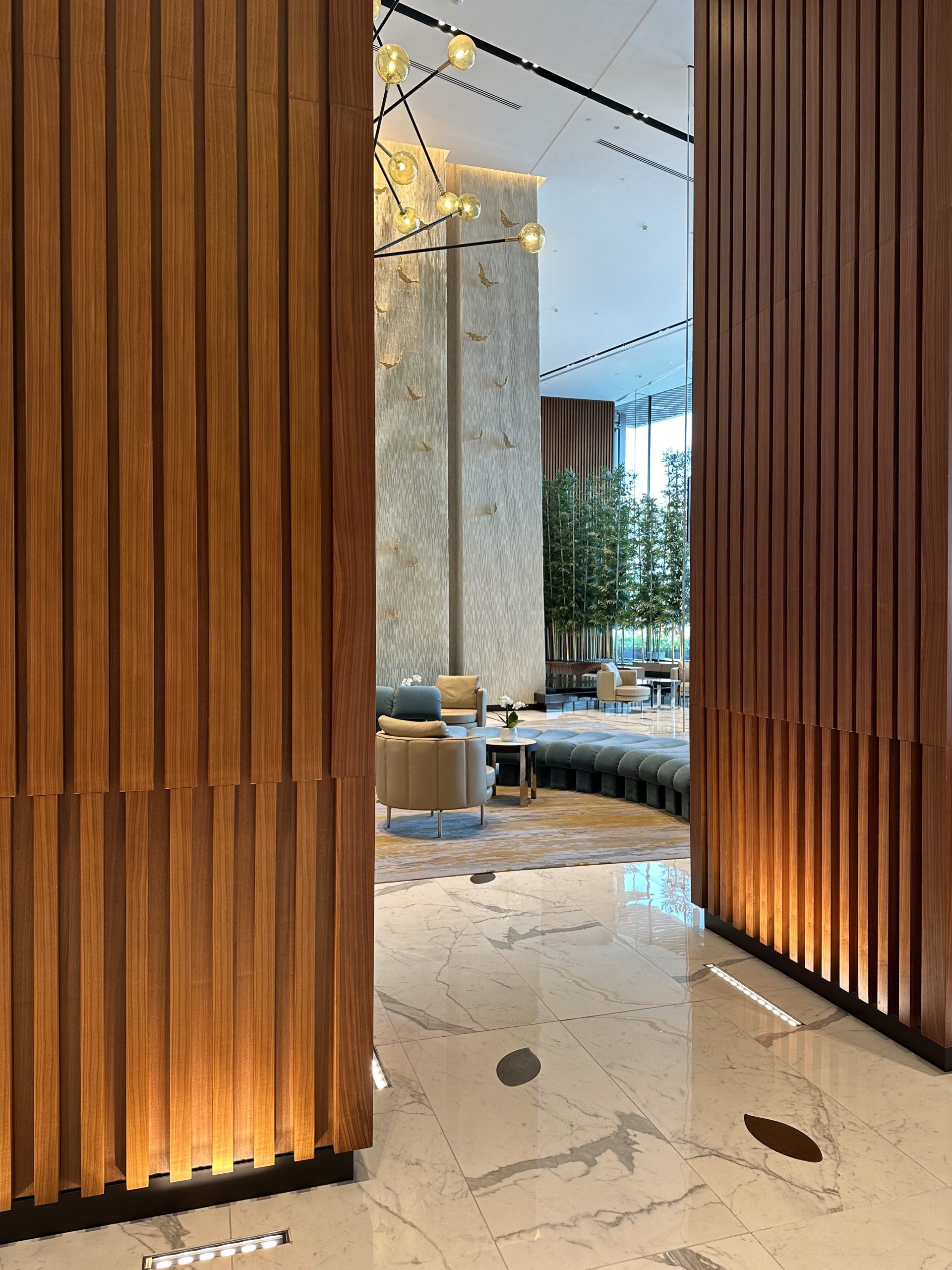
The definition of luxury has shifted from tangible assets to intangible, tailored experiences. This change formed the central theme of the recent dwp.Dialogue in Dubai, which convened industry figures to examine the future of design at the upper end of the market. The consensus: luxury is now measured by seamless intelligence, emotional connection and cultural resonance.

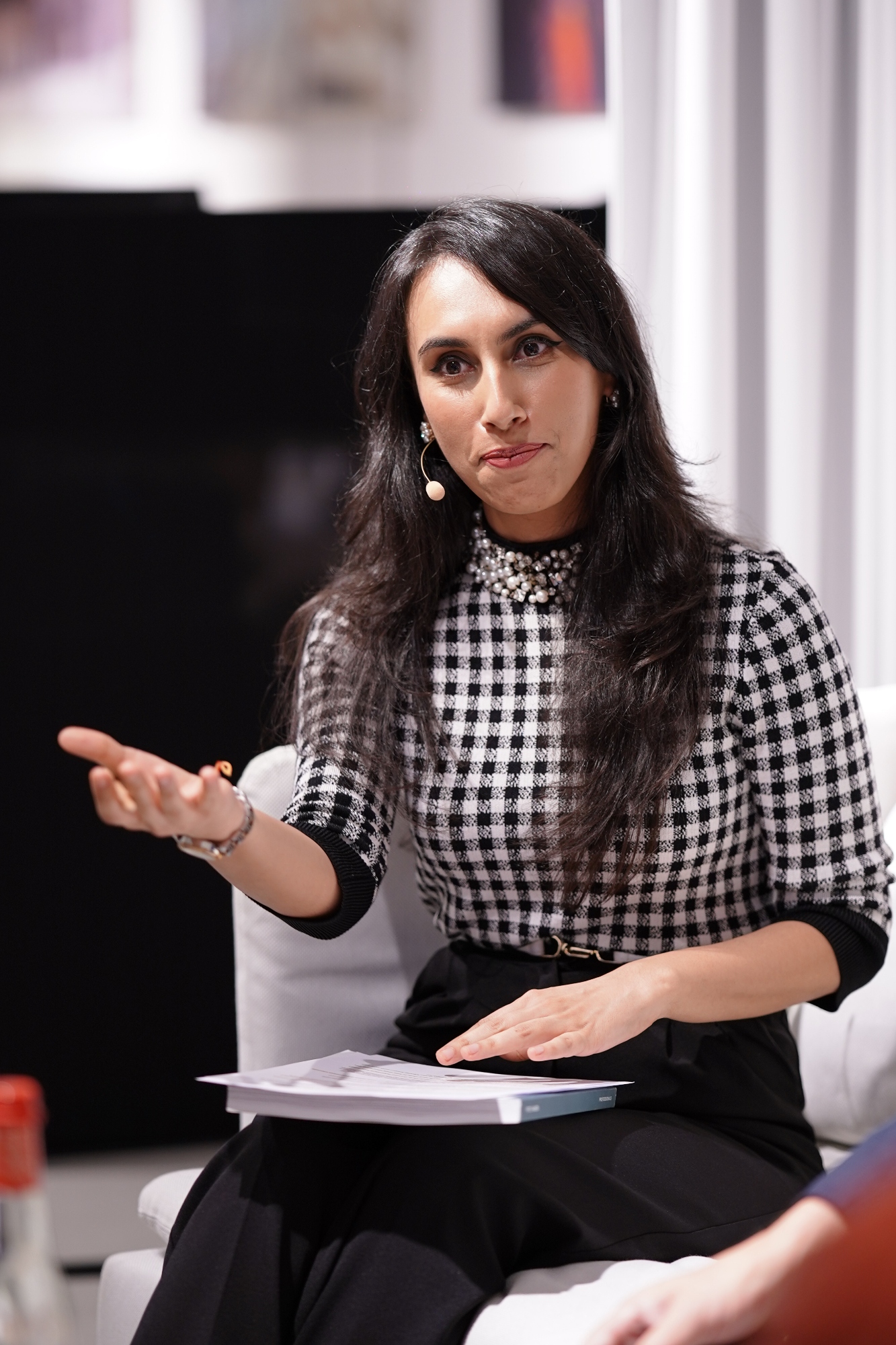
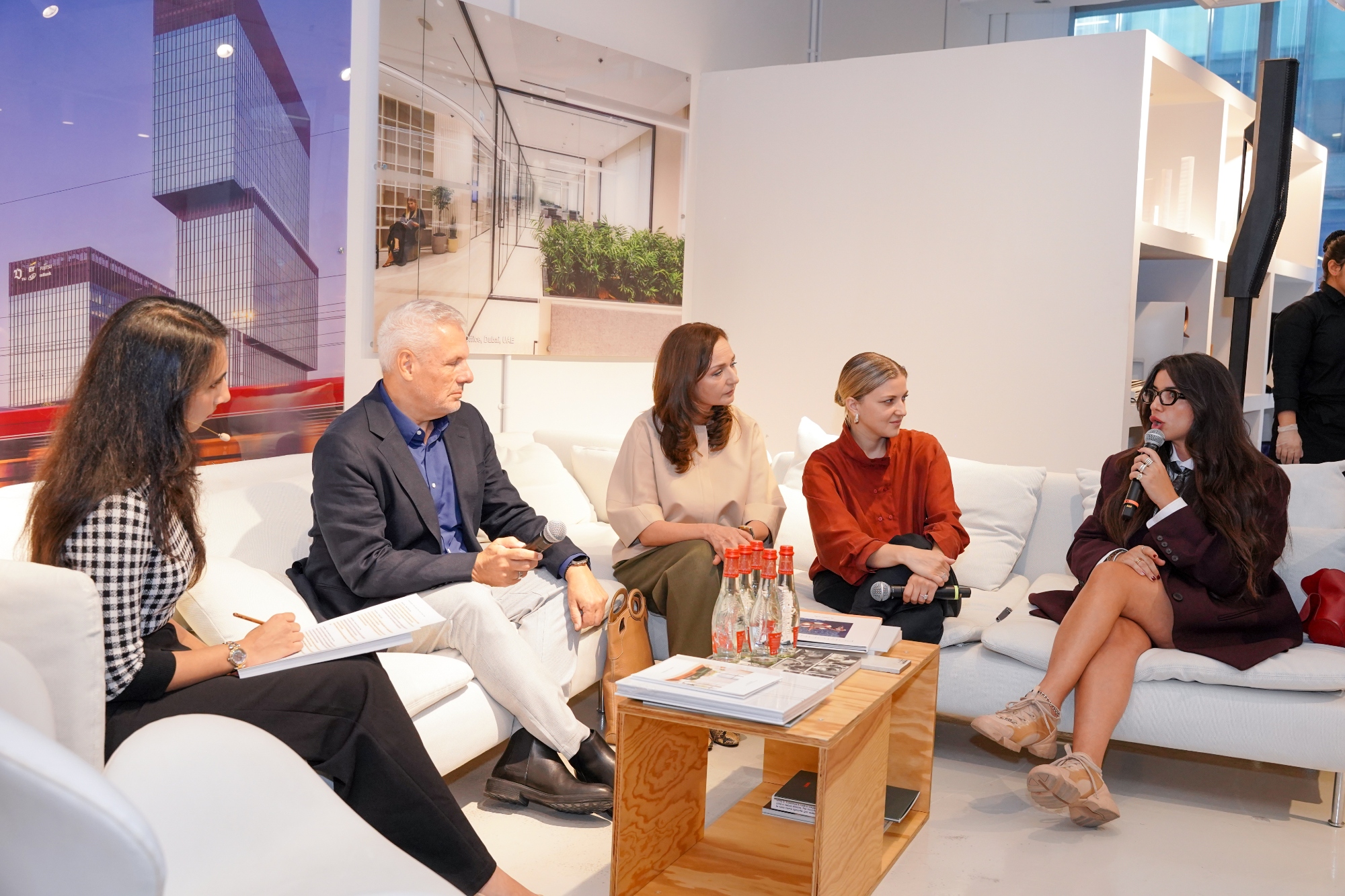
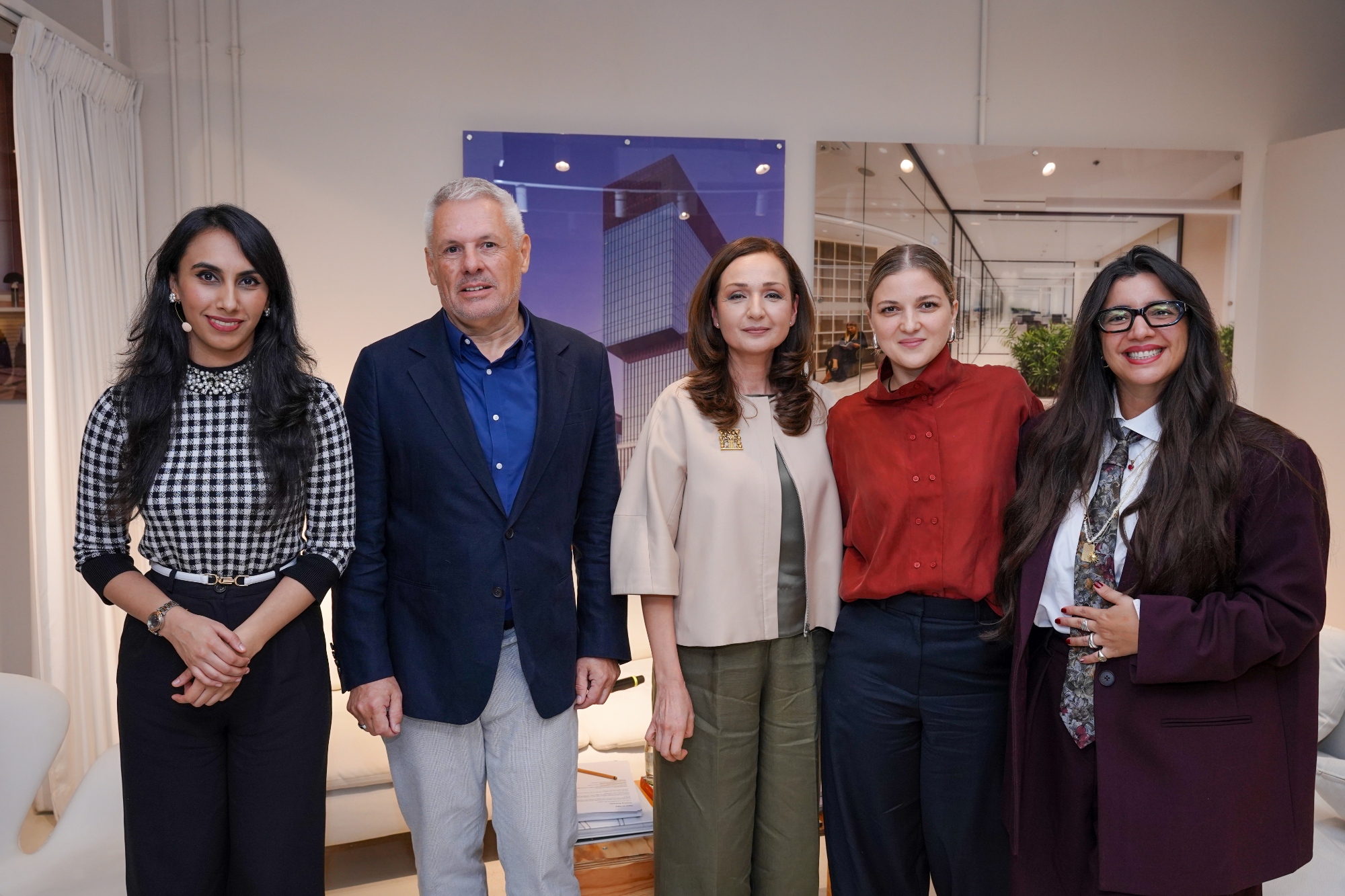
Vikita Shahani, Director of Strategy and Innovation at Love That Design Design, moderated the conversation, guiding the dialogue while introducing industry context that shaped the discussion.

Simplicity and Time

Intelligent luxury is defined by simplicity and time. Scott Whittaker, Group Creative Director and Founder at dwp, argued that technology must serve the experience rather than interrupt it, stating that digital intelligence must “disappear.” This allows occupants to reclaim their most valuable asset: time.

Adriana Graur, Design Director at dwp, noted that well-executed design is measured by “the time that you’re offering to yourself or your family,” whether through optimised building systems or considered ergonomic planning. This foundation—from appropriate lighting and acoustics to fluid functionality—forms the core of seamless living.

The Human Element

Sonia Ashoor, Principal at SACD, described the resistance to generic luxury as “cultural confidence,” grounding design in authenticity and depth that transcends temporary trends.

Cynthia Khoury, Founder and Art Director at ARTC, noted that as technology advances, demand for human touch intensifies. “I don’t see AI replacing us when it comes to feeling, that’s for sure.” Art and craftsmanship provide the emotional dimension that intelligent systems cannot replicate. The most developed spaces combine human craft with invisible technology.

The dialogue captured these ideas in practice, as panelists exchanged perspectives on designing spaces that embody intelligence, emotion and cultural depth.

Moderator: Luxury design is undergoing a transformation. The market now demands something experiential and technologically integrated, rather than purely visual. How do we design spaces that become intelligently luxurious?

Adriana Graur: It begins with conversation—like any meaningful relationship. In residential design particularly, you need to understand both the individual client and the regional context. Emotional intelligence in a space means responding to their specific needs. When everything from spatial planning to air quality is properly executed, even modest spaces feel exceptional. True luxury, I would argue, is time—using technology to streamline daily routines so people have more hours for themselves and their families.

Sonia Ashoor: The concept of luxury has shifted considerably in this region. Where an earlier generation equated luxury with abundance, younger clients understand it as essence and depth. Luxury here is increasingly defined by cultural confidence and authenticity. To achieve longevity, design must be grounded in cultural language with refinement and restraint, resisting temporary trends.

Scott Whittaker: True luxury begins with faultless functionality. The bathroom, the kitchen, the sofa—every dimension and proportion must be correct. When you use a space repeatedly and appreciate it because it works, that forms the foundation. Only then do you introduce the aesthetic layer and cultural connection. A restaurant may be beautiful, but if the music is too loud or the chair sits at the wrong height, it fails the basic test of luxury.

Cynthia Khoury: As an art director, I work with a purely emotional medium. Each person experiences an artwork differently. For large-scale luxury projects, art curation centres on a narrative embedded in location, culture and community. You succeed when visitors carry that connection with them long after departure. That lasting impression defines luxury for me.

Craft and the Cultured Interior

Moderator:Global expectations of luxury must coexist with deeply personal and culturally authentic design. How do you balance these demands?

Cynthia Khoury: Personalisation and customisation represent luxury. In an age saturated with information, people want to be addressed directly. They value the human element—knowing an 80-year-old artisan crafted something by hand. Customisation and luxury are intertwined; the human factor adds value that artificial intelligence cannot replicate.

Sonia Ashoor: In the Gulf, the younger generation already inhabits this hybrid reality. They maintain exceptionally high aesthetic standards while remaining deeply rooted in tradition. They expect the essence of luxury—meaning and depth—combined with their cultural identity.

Moderator: How can cultural storytelling move beyond visual layering to engage multiple senses?

Sonia Ashoor: It requires purpose. Consider the UNESCO headquarters we designed in Bahrain. We translated the spectrogram of a pearling song—a piece of intangible heritage—into the building’s façade fins. During daylight, shadows create patterns; at night, the façade responds in real-time to music. This represents a different approach than simply applying cultural motifs. It emerges from thorough research and genuine engagement with the subject. Design needs to rediscover that sense of purpose. The Taj Mahal changes colour with light, reflecting what Emperor Shah Jahan described as the ‘swinging moods’ of his wife—a space that tells a story like that becomes unforgettable.

The Invisible Intelligence

Moderator: We operate in an increasingly technological era. How do we integrate emerging technologies like artificial intelligence to enhance luxury without overwhelming the human element or compromising timeless principles?

Scott Whittaker: Through simplicity. Technology must become invisible. True luxury arrives when technology works so seamlessly we forget it exists. We can return to living simply, enjoying functional, beautiful spaces, without the constant friction of systems that don’t quite perform.

Adriana Graur: Exactly. Seamless integration is key. AI—whether a smart thermostat or navigation application that saves time in traffic—should support quality of life. It reduces meaningless tasks, allowing focus on what matters. The future represents a return to simpler pleasures, supported by technology that feels invisible.

Scott Whittaker: We spend considerable time on irrelevant, time-consuming tasks. AI can remove those meaningless processes, allowing designers to return to more thoughtful, conceptual approaches—perhaps similar to architects centuries ago who focused on craft rather than CAD. I’m optimistic: accessing the world’s accumulated knowledge represents a powerful tool for designers with vision.

Cynthia Khoury: As technology becomes more seamless, material and craftsmanship stand out. Humans respond to the human touch. We value knowing an artisan created something, or that an artwork carries narrative. AI cannot replicate emotion or an artist’s distinct perspective. This is where human intelligence will always differentiate itself.

The Future of Space

Moderator: With hospitality trends increasingly influencing residential design, what does the next generation of living spaces look like?

Adriana Graur: More human and comfortable, while remaining elevated. The focus is good design fundamentals: appropriate light temperature, excellent acoustics, high-quality air. These are invisible standards, but they create the emotional response you need. We sometimes sacrifice this due to accelerated project timelines. The next generation of spaces will embed that quality and emotional intelligence invisibly, helping people live better.

Moderator: This conversation has ranged from poetry to advanced computation. To conclude, how can intelligence, sustainability and storytelling converge to create a purposeful future for design?

Scott Whittaker: Consider Dubai—a relatively new city, constantly reinventing itself. This lack of deep, fixed history creates opportunity. We are developing a new culture and design philosophy. When you combine that energy with AI, the future is promising. It’s about letting machines handle computation while humans maintain soulful and purposeful design.

Sonia Ashoor: I believe in curiosity and asking the right questions. AI is not a threat; it’s a resource. It represents aggregated intelligence, and designers must train themselves to use it well. If we can instil interest in history, craft and emotion, the next generation will use these tools effectively. The most successful spaces will always bridge innovation with intuition, where craft meets computation, and the human narrative remains central.

The dwp.Dialogue confirmed dwp’s confident position: the next generation of luxury demands a precise convergence of intuition, culture, and advanced intelligence. By seamlessly bridging innovation with intuition, and ensuring the human story remains at the heart of the design, we are designing not just high-end spaces, but enduring human purpose.
Tags: Abu dhabi, Agile workspace, Archi, Architect, Architecture, Artist, Asia, Bangkok, Bar, BIM, Blog, Boutique, Business, Civic, Construction, Content, Creativity, Culture, Design, Designer, Digital, Digital technology, Digital transformation, Digitisation, Drink, Dubai, Education, Experience, F&B, Food, Future, Health, Hicap, Ho chi minh, Hospitality, Hotel, Hotel design, Information, Innovation, Interior, Interior design, Interior designer, Interview, Knowledge, Lebua, Lifestyle, Luxury, Luxury design, Luxury interior, Marriott, Profile, Residential, Restaurant, Saigon, Sky, Studio, Success, Sustainibility, Tech, Technology, Thailand, Trends, Video, Vietnam, W hotel, Women
The Building as a Teacher: Design That Expresses Identity and Builds Community

At dwp, we believe educational architecture acts as a silent mentor, a storyteller, and a community catalyst. School design is evolving to embody values, ignite curiosity, and deepen belonging, where the physical form becomes part of the educational journey.

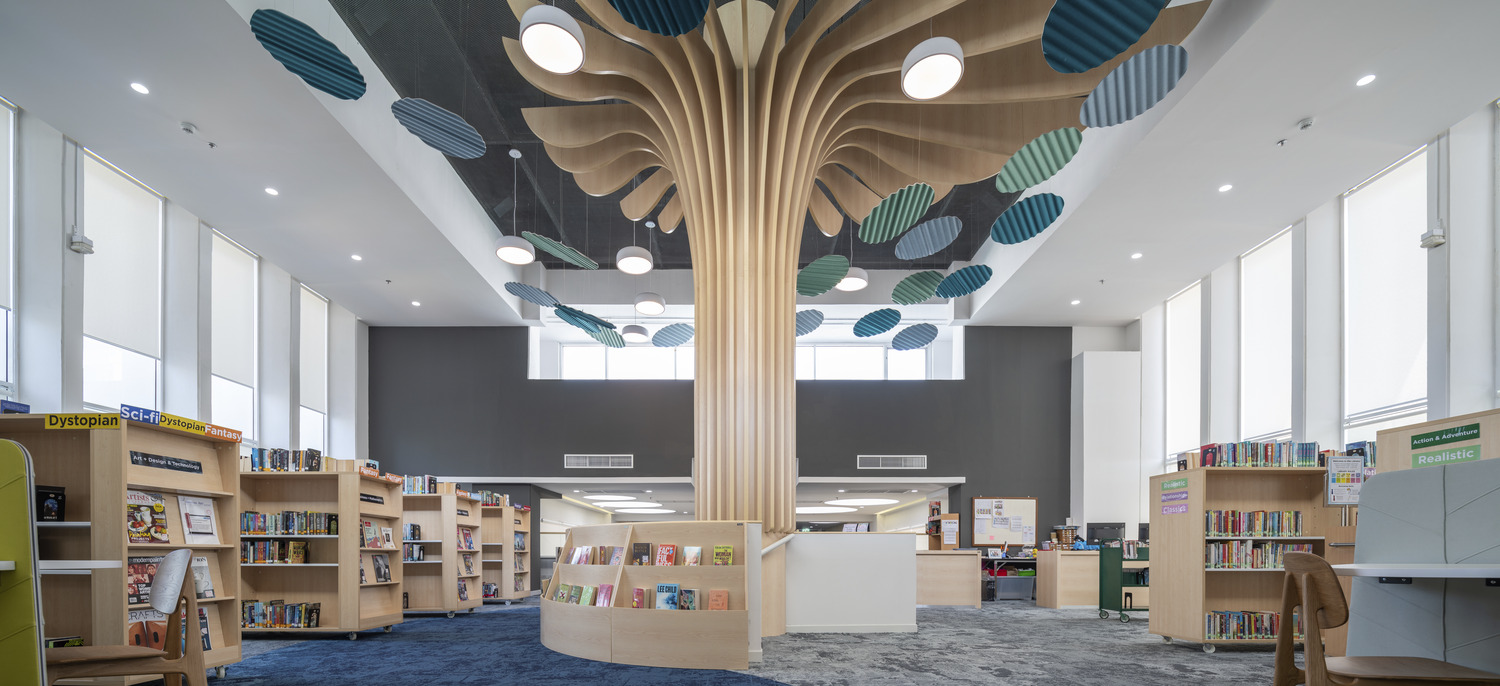
A school’s built environment reflects its unique identity and aspirations. Design can visually communicate ethos through thoughtful application of school colours, integration of cultural references, or spatial storytelling. The Shrewsbury International School Senior School and Library in Bangkok, crafted by dwp, exemplify this by fostering strong school identity, pride, and connection through environment, colour, branding, and curated graphics.

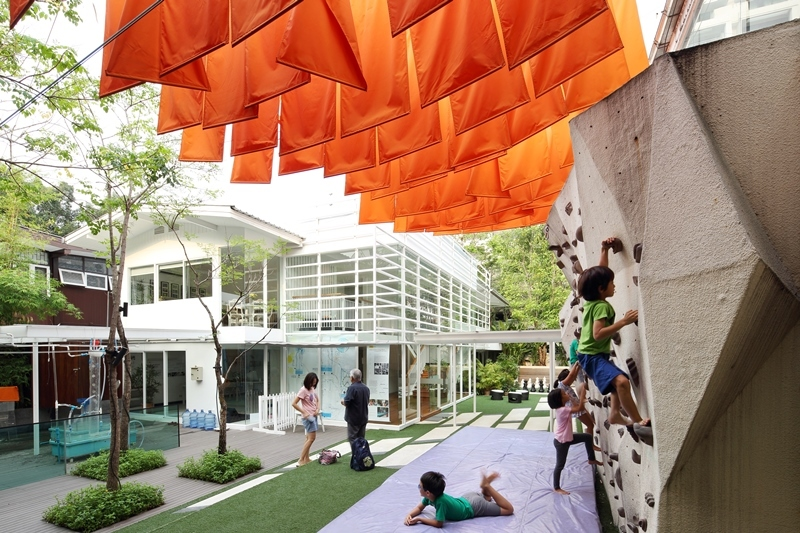
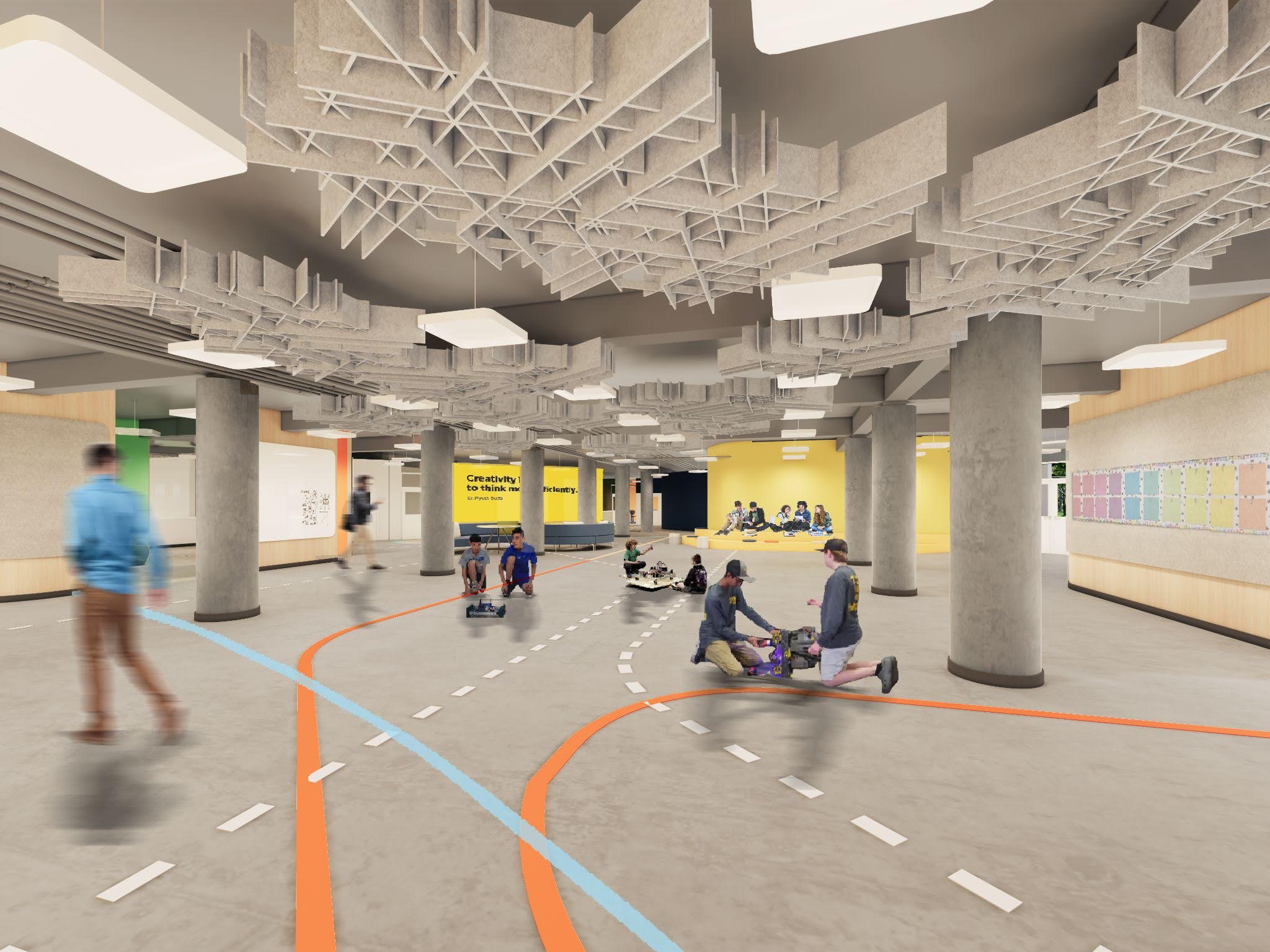
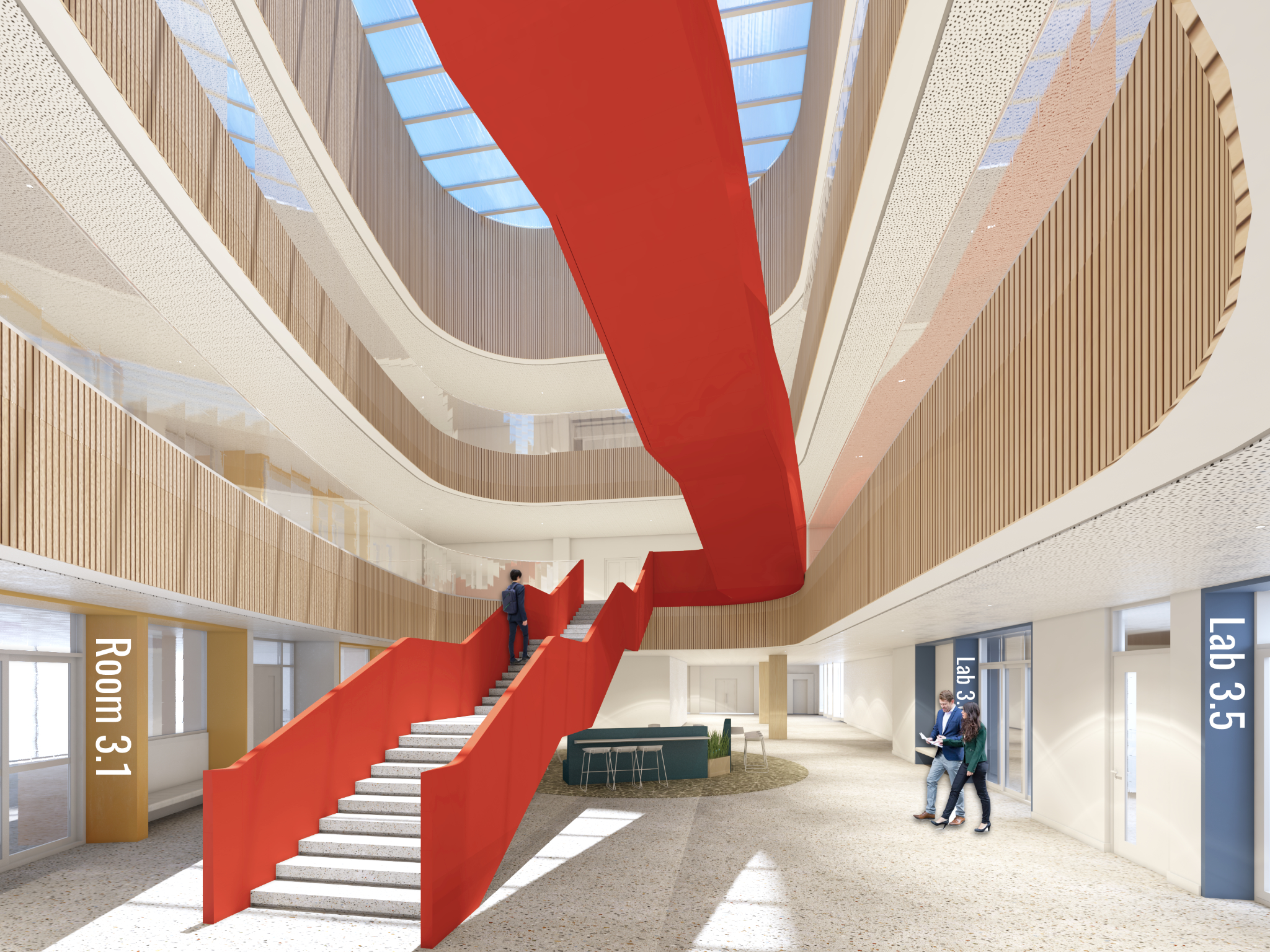
Architecture increasingly plays a pedagogical role, with the “building as a teaching tool” concept. This introduces young learners to the mechanics of the built world, transforming structural systems, exposed materials, and sustainable features into real-life educational content. For example, at Dwight School Hanoi, dwp’s interior design elements like transparent walls, visible structure, and interactive installations teach students about engineering and environmental systems, nurturing hands-on learning and sparking curiosity.

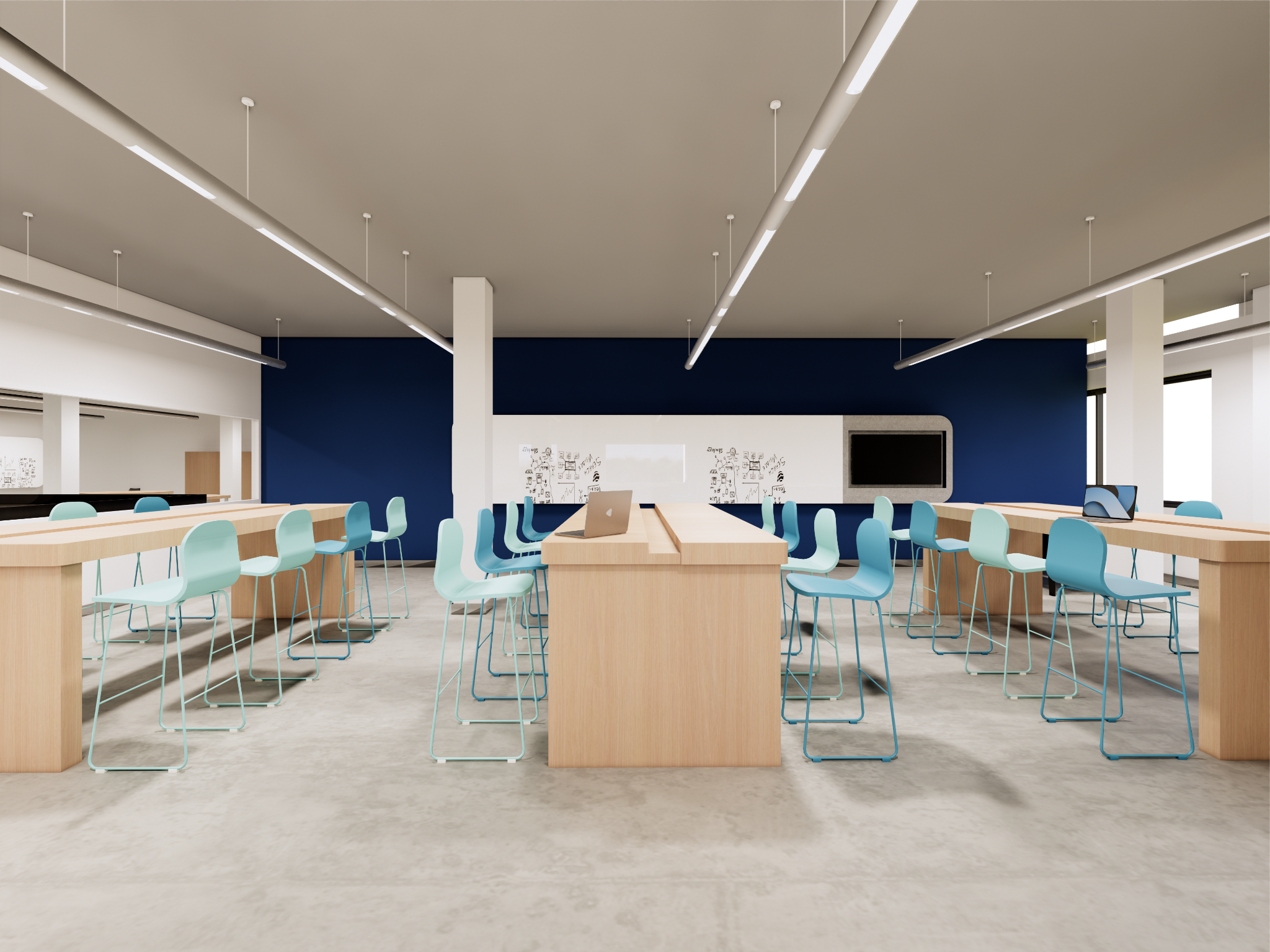
Community is central to every thriving school. Modern learning environments are designed for interaction — planned and spontaneous. Flexible commons, open atriums, and collaborative “learning stairs” become social anchors supporting collaboration. At the Early Learning Centre in Bangkok, dwp designed shared spaces where students, teachers, and parents naturally connect, supporting a strong school culture and reinforcing that learning happens everywhere.

Through each project, dwp applies human-centered design thinking, grounded in regional knowledge and driven by innovation. We view educational design as an opportunity to shape the thinkers, leaders, and innovators of tomorrow. The school building, at its best, becomes a quiet yet profound mentor, guiding young minds through the language of design.


Tags: Abu dhabi, Agile workspace, Archi, Architect, Architecture, Artist, Asia, Bangkok, Bar, BIM, Blog, Boutique, Business, Civic, Construction, Content, Creativity, Culture, Design, Designer, Digital, Digital technology, Digital transformation, Digitisation, Drink, Dubai, Education, Experience, F&B, Food, Future, Health, Hicap, Ho chi minh, Hospitality, Hotel, Hotel design, Information, Innovation, Interior, Interior design, Interior designer, Interview, Knowledge, Lebua, Lifestyle, Luxury, Luxury design, Luxury interior, Marriott, Profile, Residential, Restaurant, Saigon, Sky, Studio, Success, Sustainibility, Tech, Technology, Thailand, Trends, Video, Vietnam, W hotel, Women

The Future Is Designed. By dwp.

Design is always moving forward—and so are we.

For over 30 years, dwp. has been shaping the world through design. Our projects, from significant towers in the Middle East to engaging hospitality in Asia, consistently reflect a balance of innovation, elegance, and cultural intelligence. Today, as we look toward the next chapter of our story, we are proud to unveil an evolved brand identity. It is refreshed, refined, and ready for what is next.

Evolving Our Identity

This evolution sets the stage for luxury’s progression. This is not a rebrand; we are not starting over. Instead, we are distilling the essence of what makes dwp unique and amplifying it. The new brand is bolder and more expressive. It speaks with greater clarity. This gives us the tools to connect more effectively with clients, collaborators, and communities around the world.

At the centre of this evolution is our new wordmark: dwp. It is simple, confident, and unmistakably ours. Alongside it, a flexible naming system—dwp.architecture, dwp.workplace, dwp.medusa, and more—allows our growing disciplines and partnerships to shine with clarity and consistency.

We have introduced a visual identity designed for a digital-first world. This includes modern typography, streamlined layouts, and elegant composition. You will see it reflected in our proposals, presentations, social media, and even the way we sign our emails. It is all part of telling our story in a clearer, more impactful way.

Our Enduring Purpose

But while the visuals may be new, our purpose remains the same.

We still believe in Simple Elegance—a design philosophy that celebrates the power of refined solutions and human-focused thinking. We continue to leverage the latest tools, including AI and advanced BIM, to push creative boundaries and deliver more value to our clients. Furthermore, dwp remains as committed as ever to designing spaces that resonate—culturally, emotionally, and functionally.

Our updated tone of voice reflects this maturity. It is clear, considered, and global—just like our work. We have moved away from unnecessary hype, focusing instead on precision, purpose, and substance.

Communicating with Impact

And finally, our new tagline encapsulates everything we stand for:

The future is designed. By dwp.

It is more than a line; it is a belief. It serves as a reminder that design is not just about aesthetics or trends—it is about progress. It is about imagining what could be, and then bringing it to life with intention, innovation, and care.

This brand evolution is not just about looking better—it is about communicating better. This applies internally and externally, across every touchpoint and time zone. It is about aligning how we present ourselves with the quality, creativity, and ambition dwp brings to every project.

Welcome to the new look of dwp. Same purpose. Sharper presence. Designed for the future.

Tags: Abu dhabi, Agile workspace, Archi, Architect, Architecture, Artist, Asia, Bangkok, Bar, BIM, Blog, Boutique, Business, Civic, Construction, Content, Creativity, Culture, Design, Designer, Digital, Digital technology, Digital transformation, Digitisation, Drink, Dubai, Education, Experience, F&B, Food, Future, Health, Hicap, Ho chi minh, Hospitality, Hotel, Hotel design, Information, Innovation, Interior, Interior design, Interior designer, Interview, Knowledge, Lebua, Lifestyle, Luxury, Luxury design, Luxury interior, Marriott, Profile, Residential, Restaurant, Saigon, Sky, Studio, Success, Sustainibility, Tech, Technology, Thailand, Trends, Video, Vietnam, W hotel, Women
Restaurants : The Ascendancy of Culinary Authenticity

In an increasingly homogenized world, discerning diners seek authentic experiences rooted in a destination’s unique identity. They desire connection and narratives within the spaces they inhabit. This appetite for genuine cultural resonance is transforming restaurant design. Architects and designers are becoming custodians of heritage and creators of ambiance. At dwp, we understand this shift. We craft spaces that tell a story, spaces that resonate with their surroundings in our latest project in Phuket – Tin Barron 

The Art of Place: Culinary Narratives in a Heritage Setting – Phuket

A Culinary Time Capsule

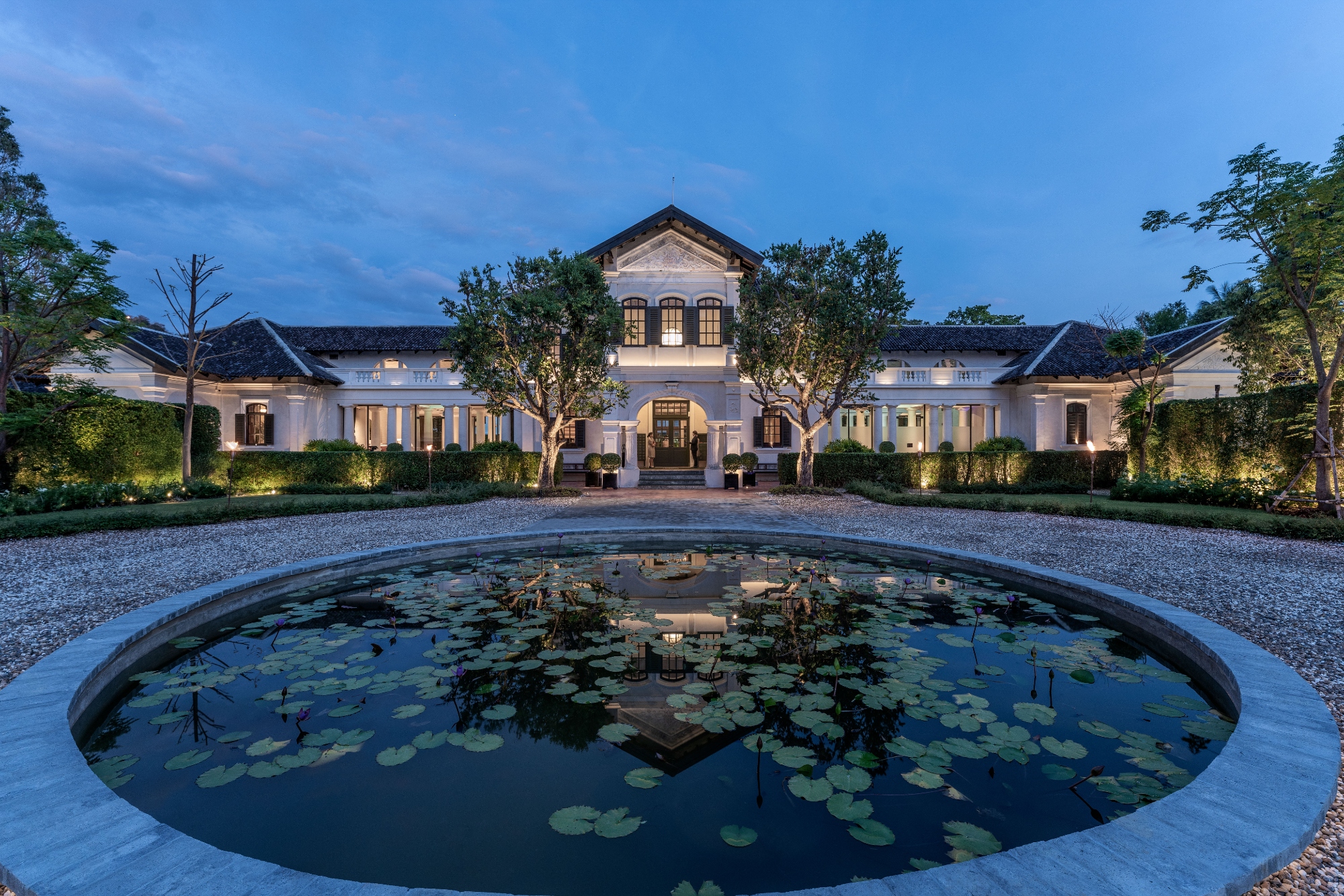
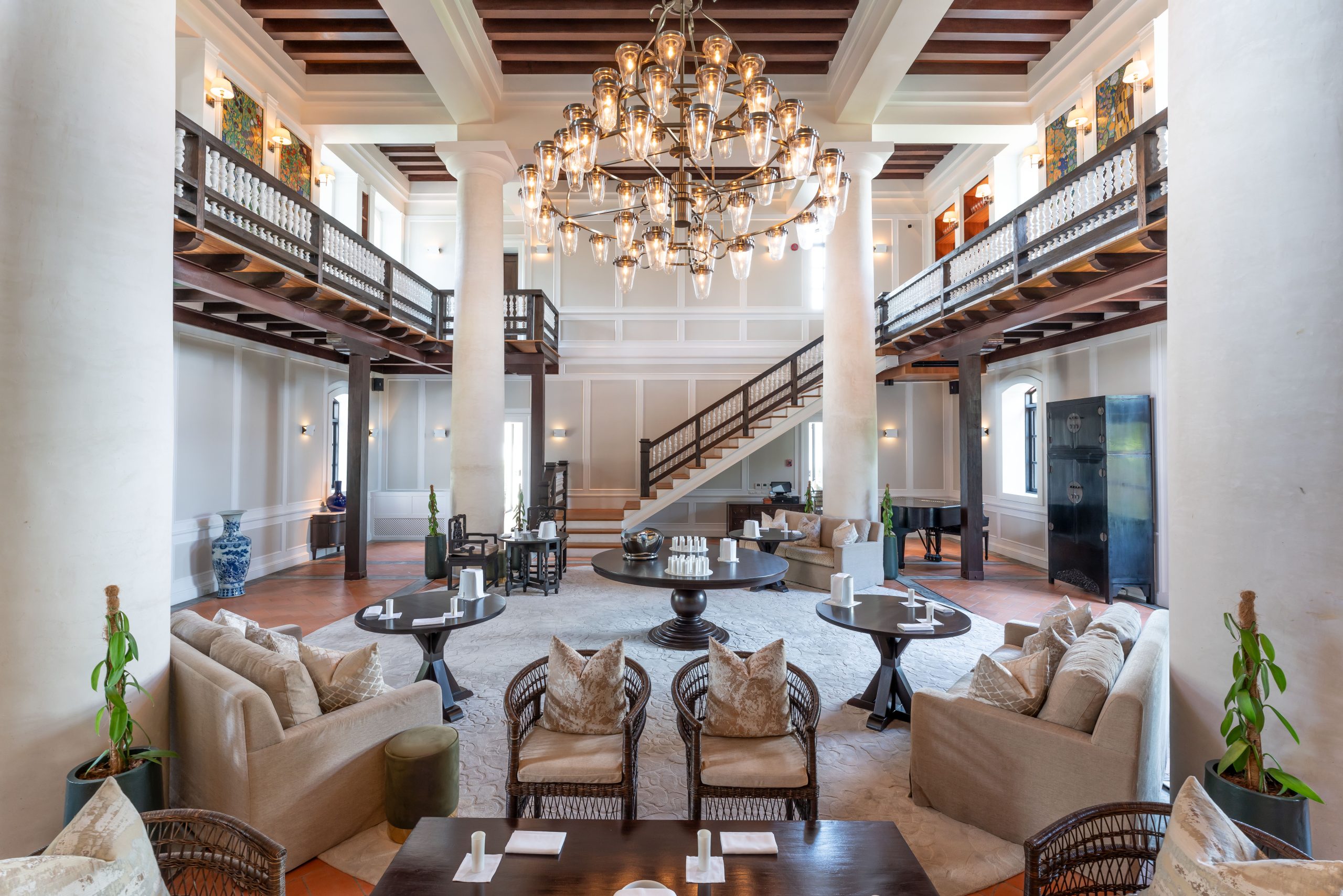
Phuket, Thailand, is celebrated for its natural beauty and historical landscape. Phuket Old Town, beyond the beaches, features Sino-Portuguese architecture that speaks of a mercantile past. House of Tin Baron, a dining destination by dwp, finds its narrative in this historical context.

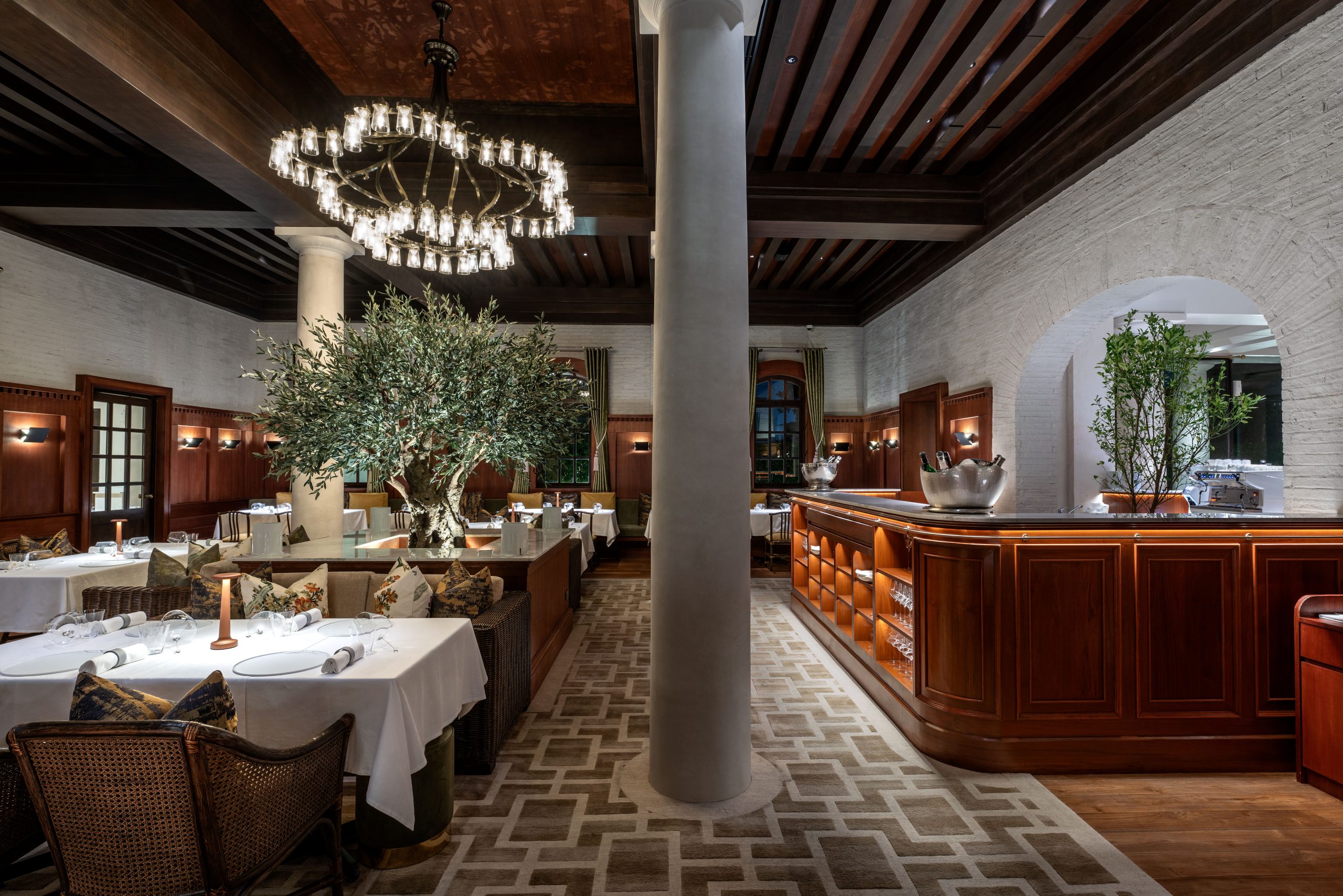
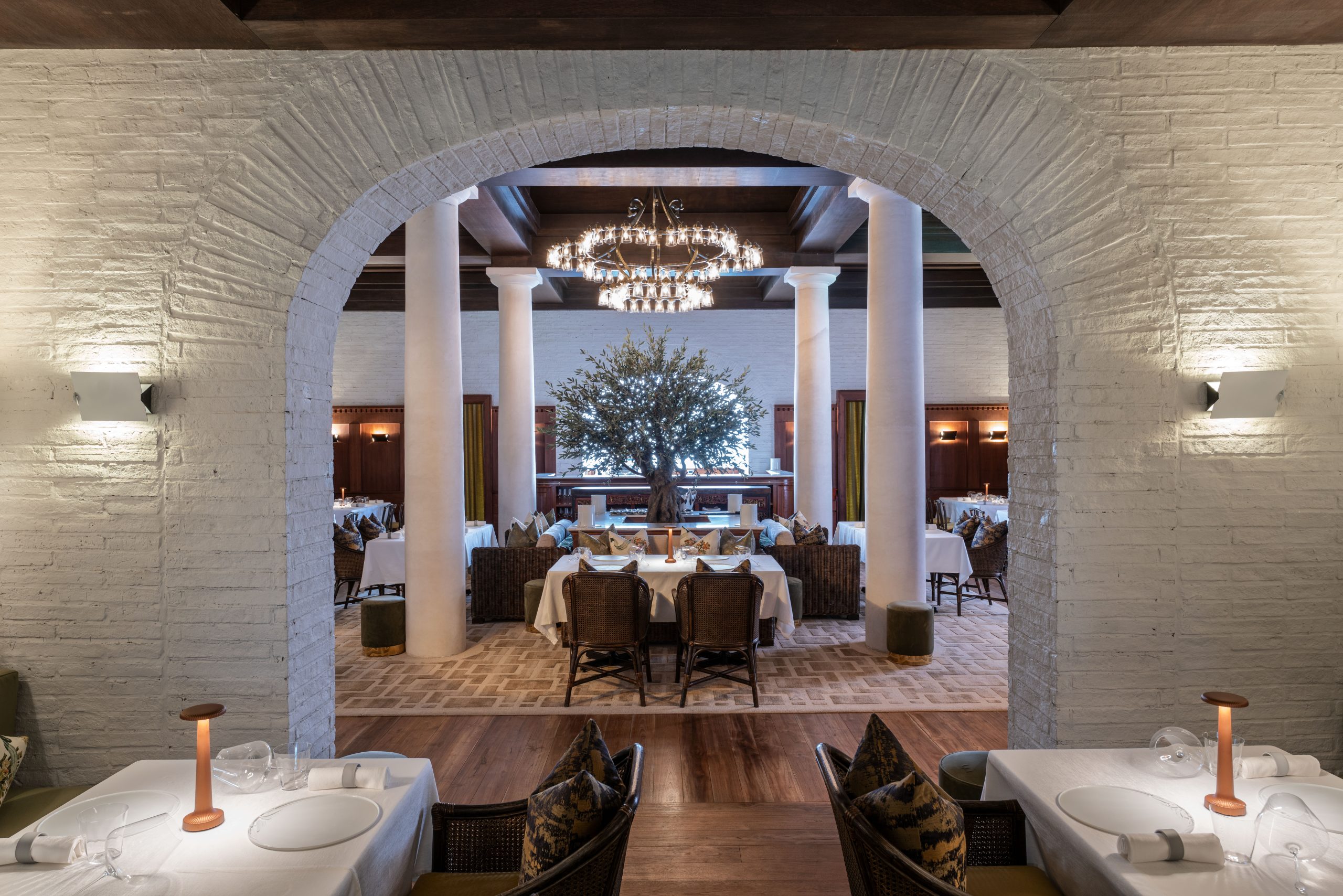
The name “House of Tin Baron” references Phuket’s industrial history. Tin barons once shaped the island’s fortunes. Housed in a restored Sino-Portuguese building, House of Tin Baron reflects dwp’s architectural approach. The design reveals the building’s elegance. Original features are preserved, and the structure is revitalized. Colonial-era architecture, with arcades, windows, and verandas, actively participates in the dining experience. It evokes a more considered era.

dwp’s Vision: Heritage and Modernity in Harmony

dwp’s involvement in House of Tin Baron extended beyond preservation. The aim was to create a space blending heritage with contemporary design. Robert Troup, Managing Director of dwp, explains, “Our objective was a dining experience of authenticity and a sense of place. We preserved the building’s history and infused modern design to complement its character.”

Khun Sarinrath Kamolratanapiboon, Executive Director of House of Tin Baron, agrees. “dwp’s design has captured Phuket’s heritage, creating a space that is elegant and inviting. The dining destination is unique.”

A Tapestry of History and Contemporary Style

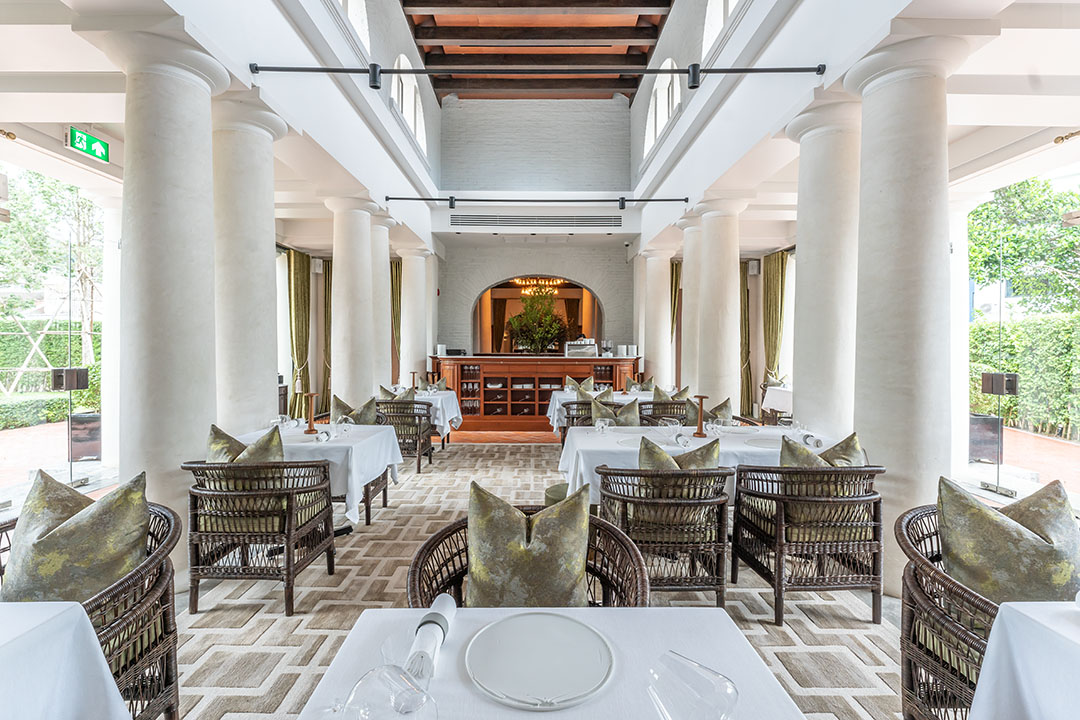
Within historic walls, dwp has incorporated contemporary style. The interiors demonstrate refined eclecticism. Velvet seating in Cristal Lounge evokes Art Deco. Geometric patterns reference the era’s design. Contemporary touches are understated. The historical framework remains dominant.

A Curated Culinary Journey

House of Tin Baron is a curated journey through Phuket’s culinary scene. The venue includes three zones: Cristal Lounge, Bar Azul, and Terra restaurant. Each offers a distinct experience.

  • Terra: As the “crown jewel,” Terra is an upscale Italian restaurant and home to the first Louis Roederer Cristal Room. Culinary artistry features farm-sourced ingredients and authentic Italian flavors. It balances local sourcing and international sophistication. 
  • Bar Azul: Bar Azul contrasts with Terra. It transports guests to a Moroccan-inspired space. Tilework, textiles, and greenery create a sensory environment. Handcrafted cocktails and intimate conversations are featured. 
  • Cristal Lounge: Cristal Lounge evokes Art Deco sophistication. It provides a glamorous yet relaxed setting for drinks. 

Elevating Dining to Cultural Immersion

The integration of history and modern design extends beyond aesthetics. It creates a connection between diner and destination. By immersing patrons in a space that tells a story of Phuket’s past and cultural influences, House of Tin Baron enhances dining. It becomes a form of cultural exploration, both luxurious and engaging.

The Future of Luxury Dining

In a world saturated with generic fine dining, House of Tin Baron exemplifies a nuanced approach. True luxury is not just accolades. It is crafting experiences of authenticity and a genuine sense of place. In spaces where history and modernity converge, diners find enrichment. The spirit of Phuket is present in every detail. Projects like House of Tin Baron preserve heritage and shape the future of luxury dining, one designed space at a time.

The future is designed. By dwp.


Tags: Abu dhabi, Agile workspace, Archi, Architect, Architecture, Artist, Asia, Bangkok, Bar, BIM, Blog, Boutique, Business, Civic, Construction, Content, Creativity, Culture, Design, Designer, Digital, Digital technology, Digital transformation, Digitisation, Drink, Dubai, Education, Experience, F&B, Food, Future, Health, Hicap, Ho chi minh, Hospitality, Hotel, Hotel design, Information, Innovation, Interior, Interior design, Interior designer, Interview, Knowledge, Lebua, Lifestyle, Luxury, Luxury design, Luxury interior, Marriott, Profile, Residential, Restaurant, Saigon, Sky, Studio, Success, Sustainibility, Tech, Technology, Thailand, Trends, Video, Vietnam, W hotel, Women
The Carlton – Al Moaibed Khobar: A New Chapter for a City in Transition

Khobar’s Evolving Narrative

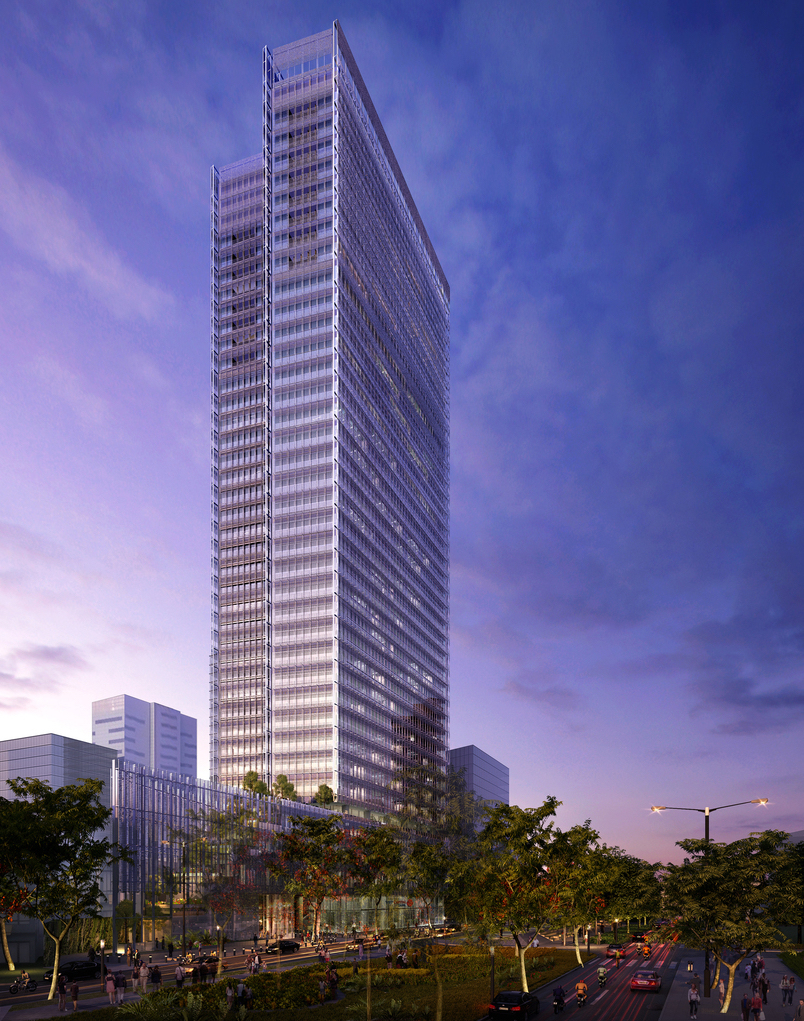
For decades, Khobar’s narrative was defined by industry. Steel and concrete characterized a city driving national progress. The atmosphere resonated with construction and infrastructure. Now, a shift is evident. A measured pace is establishing itself in the Eastern Province, replacing the industrial focus. Khobar, once defined by its industrial strength, is evolving, revealing a refined approach to hospitality. As Charlie Kelly, Regional Managing Director at dwp, notes, “Khobar is experiencing a considered evolution, moving towards a future that embraces sophisticated hospitality while respecting its industrial heritage.”

A Skyline Recalibrated

The Khobar skyline is undergoing a subtle transformation. Its profile against the Arabian sky is changing. Industrial forms are giving way to the elegant lines of design-led hotels. This evolution is a considered response to the global traveler, now looking towards Saudi Arabia. Vision 2030 is a catalyst, reshaping urban landscapes and aspirations.

dwp and the Essence of Place

At the center of this transformation is The Carlton Al Moaibed Hotel, a project by dwp, an international design practice attuned to cultural evolution. dwp recognizes Khobar’s unfolding narrative as a compelling design opportunity. They understand the balance between heritage and aspiration, harmonizing authenticity with international standards. Envisioned by a family institution rooted in the city, the project aimed to create a landmark – a statement of Khobar’s developing sophistication.

Considered Design for Understated Luxury

The Carlton Al Moaibed project is a study in considered design. dwp, in collaboration with the family, crafted a spatial narrative of understated luxury and discreet charm. Materials were selected for their tactile quality and timeless resonance, not solely aesthetics. Spaces were conceived as orchestrated environments designed for intuitive experience. Adriana Graur, Design Director at dwp, explains, “Our approach was to create spaces that are both elegant and functional, focusing on materiality and flow to ensure a seamless guest experience. We aimed for understated luxury, allowing the inherent quality of the design to speak for itself.” The result is a hotel grounded in its location, drawing from cultural and geographical context, yet international in appeal.

A Harbinger of Khobar’s Future

The Carlton Al Moaibed is more than a hotel. It signals Khobar’s readiness for a new chapter defined by curated experiences and considered aesthetics, a departure from its utilitarian past. It demonstrates design’s power to shape perceptions and orchestrate atmospheres. Khobar’s next chapter is unfolding in light and space. dwp interprets this evolution with precision.

The future is designed. By dwp.


Tags: Abu dhabi, Agile workspace, Archi, Architect, Architecture, Artist, Asia, Bangkok, Bar, BIM, Blog, Boutique, Business, Civic, Construction, Content, Creativity, Culture, Design, Designer, Digital, Digital technology, Digital transformation, Digitisation, Drink, Dubai, Education, Experience, F&B, Food, Future, Health, Hicap, Ho chi minh, Hospitality, Hotel, Hotel design, Information, Innovation, Interior, Interior design, Interior designer, Interview, Knowledge, Lebua, Lifestyle, Luxury, Luxury design, Luxury interior, Marriott, Profile, Residential, Restaurant, Saigon, Sky, Studio, Success, Sustainibility, Tech, Technology, Thailand, Trends, Video, Vietnam, W hotel, Women

The Unburdening of Luxury: Sustainability as the New Indulgence in Hospitality

Luxury is evolving. The hospitality industry is at the forefront of this shift, embracing a new paradigm where indulgence and environmental responsibility converge. This is not merely about replacing plastic; it is a reimagining of luxury for a world increasingly aware of its impact.

The Principles of Sustainable Luxury

Sustainable luxury in hospitality balances guest expectations with environmental respect. It’s a holistic philosophy, permeating every aspect of the guest experience and going far beyond superficial eco-products. Buildings are designed to breathe, utilizing thoughtfully sourced, low-impact materials that speak of origin, not mass production. Energy-efficient technologies operate discreetly, minimizing environmental impact while enhancing guest comfort. Water is conserved and recycled. Waste is considered a resource within circular systems. As Group Creative Director Scott Whittaker states, “Sustainable luxury is about thoughtful integration. It’s about creating experiences where responsibility and indulgence are not mutually exclusive, but rather enhance one another.”

Beyond Individual Indulgence: Connecting with Place

This new luxury extends beyond the individual guest. It encompasses connection to place, respect for local communities, and appreciation for cultural heritage. It enriches travel by fostering authentic interactions and celebrating the uniqueness of destinations, rather than homogenization.

Case Studies in Sustainable Design

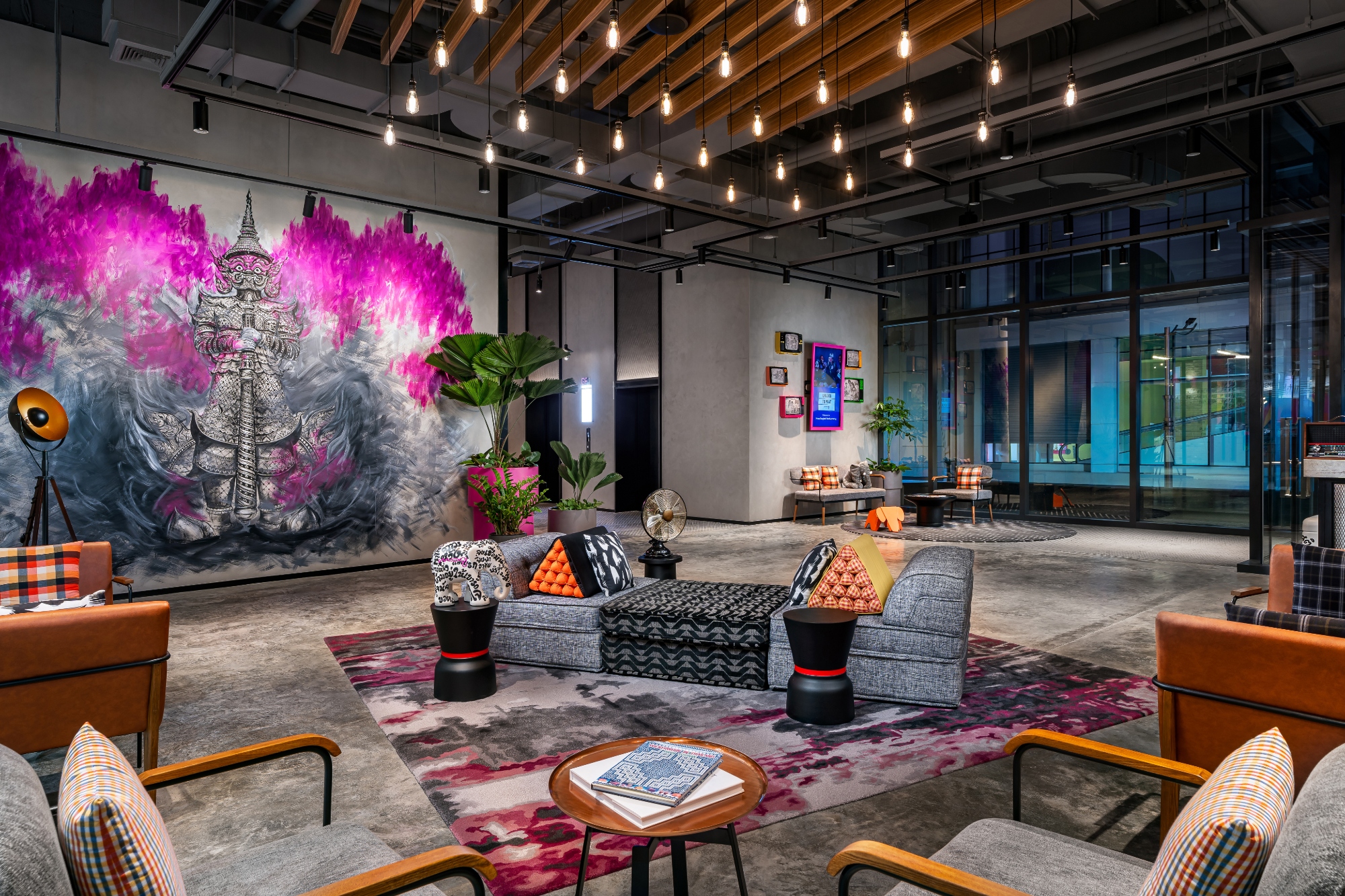
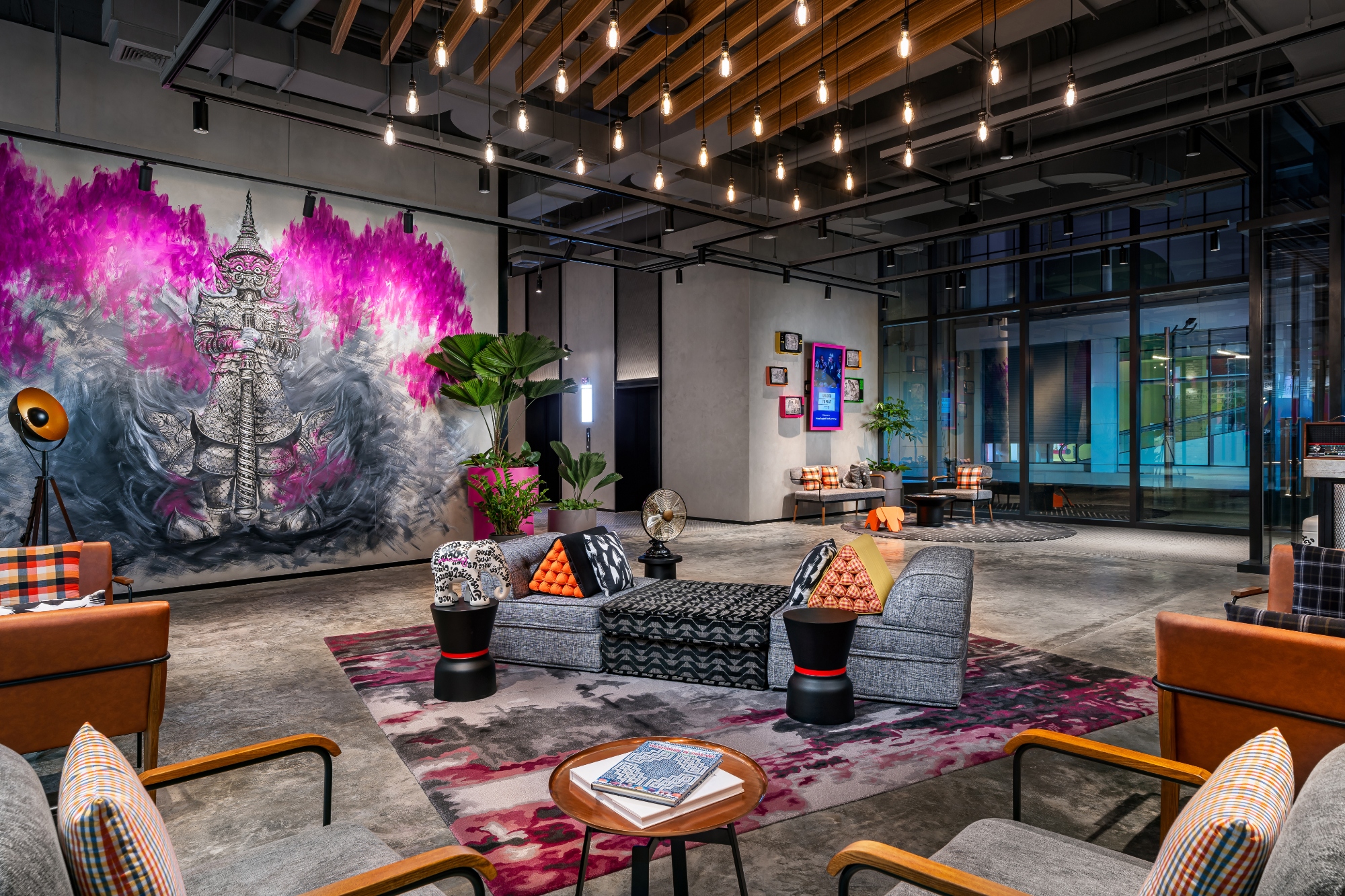
The Moxy Bangkok Ratchaprasong, designed by dwp, exemplifies this approach. It confidently embraces both style and sustainability. Locally sourced materials provide a distinct Thai identity. Advanced HVAC systems operate efficiently, minimizing energy consumption while maintaining a comfortable atmosphere. This demonstrates that sustainable design can be both responsible and stylish. Khun Kanidtha Pattanapanitchakul, Design Director, emphasizes, “At Moxy Bangkok Ratchaprasong, we aimed to demonstrate that sustainable design can be inherently stylish and engaging. It is about creating spaces that resonate with local identity while minimizing environmental impact.”

Similarly, the Dusit Thani Maldives Seaplane Lounge, another dwp project, showcases understated elegance with environmental sensitivity. Traditional Maldivian techniques and indigenous materials are integral to the lounge’s structure. Solar panels and water conservation systems ensure responsible resource management. The result is a space that is both luxurious and deeply connected to its island setting. Elegance here is defined by harmony with the environment.

The Evolving Expectations of the Discerning Client

This shift is driven by an evolving understanding of luxury. Today’s clients are attuned to their environmental impact and seek experiences aligned with their values. They understand true luxury includes responsibility, authenticity, and connection. They seek hotels that are ethical and contribute to the well-being of the planet and its communities. For these travelers, sustainability is integral to a hotel’s allure and brand narrative.

The Future of Hospitality Design: A Convergence of Luxury and Sustainability

dwp’s work demonstrates that luxury and sustainability can converge as a viable model for the future of hospitality. Eco-consciousness can be woven into luxury design, enhancing the guest experience. dwp integrates a sustainability plan into every project, a standard element of its Quality Program and Design Review Process, enhanced by dwp AI tools. This reflects a commitment to sustainable design.

A New Definition of Luxury

This is a fundamental rethinking of luxury. True indulgence will be measured in the harmony between indulgence and responsibility, creating a legacy for future generations. In this new era of hospitality design, the quiet elegance of sustainability is the ultimate luxury. 

Cultural Context is Key

Cultural context will remain key. Hotels across the globe are proving that sustainability can be interpreted through local traditions – whether it’s a desert resort honoring Bedouin heritage while saving water, or an island retreat protecting a coral reef and engaging the local community. This regional customization enriches the guest experience and ensures sustainability initiatives are meaningful and enduring.

Redefining Hospitality Excellence In essence, sustainable luxury is redefining hospitality excellence. It’s no longer just about thread count or butler service, but also about positive impact – from solar-powered suites and zero-waste kitchens to cultural preservation and community empowerment.

Sustainability as the New Standard

Sustainable luxury in hospitality has shifted from niche to necessity, redefining how hotels are built, operated, and experienced. Over the next decade, cutting-edge green technology, eco-design, and renewable energy will become standard, enabling net-zero carbon journeys without compromising comfort. As industry leaders note, rising guest expectations will make sustainability a key factor distinguishing market leaders. 

At dwp, we believe the future belongs to hotels that seamlessly blend indulgence with responsibility—offering extraordinary experiences while caring for the planet and local communities. This dual commitment is shaping a new era in hospitality, where sustainability and luxury go hand in hand.

Tags: Abu dhabi, Agile workspace, Archi, Architect, Architecture, Artist, Asia, Bangkok, Bar, BIM, Blog, Boutique, Business, Civic, Construction, Content, Creativity, Culture, Design, Designer, Digital, Digital technology, Digital transformation, Digitisation, Drink, Dubai, Education, Experience, F&B, Food, Future, Health, Hicap, Ho chi minh, Hospitality, Hotel, Hotel design, Information, Innovation, Interior, Interior design, Interior designer, Interview, Knowledge, Lebua, Lifestyle, Luxury, Luxury design, Luxury interior, Marriott, Profile, Residential, Restaurant, Saigon, Sky, Studio, Success, Sustainibility, Tech, Technology, Thailand, Trends, Video, Vietnam, W hotel, Women
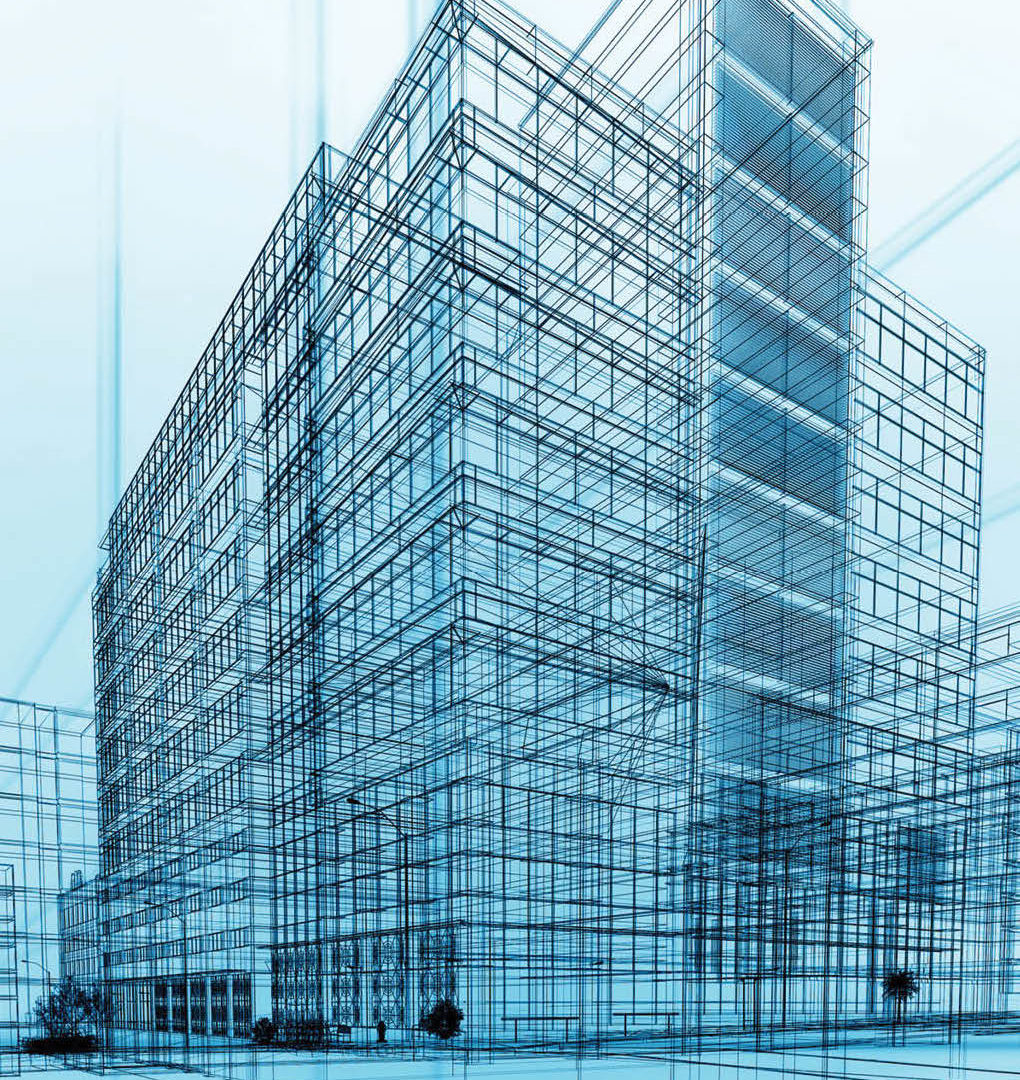
dwp Awards and Recognition Celebration 2025: A Landmark Event Showcasing AI Innovation and Design Excellence

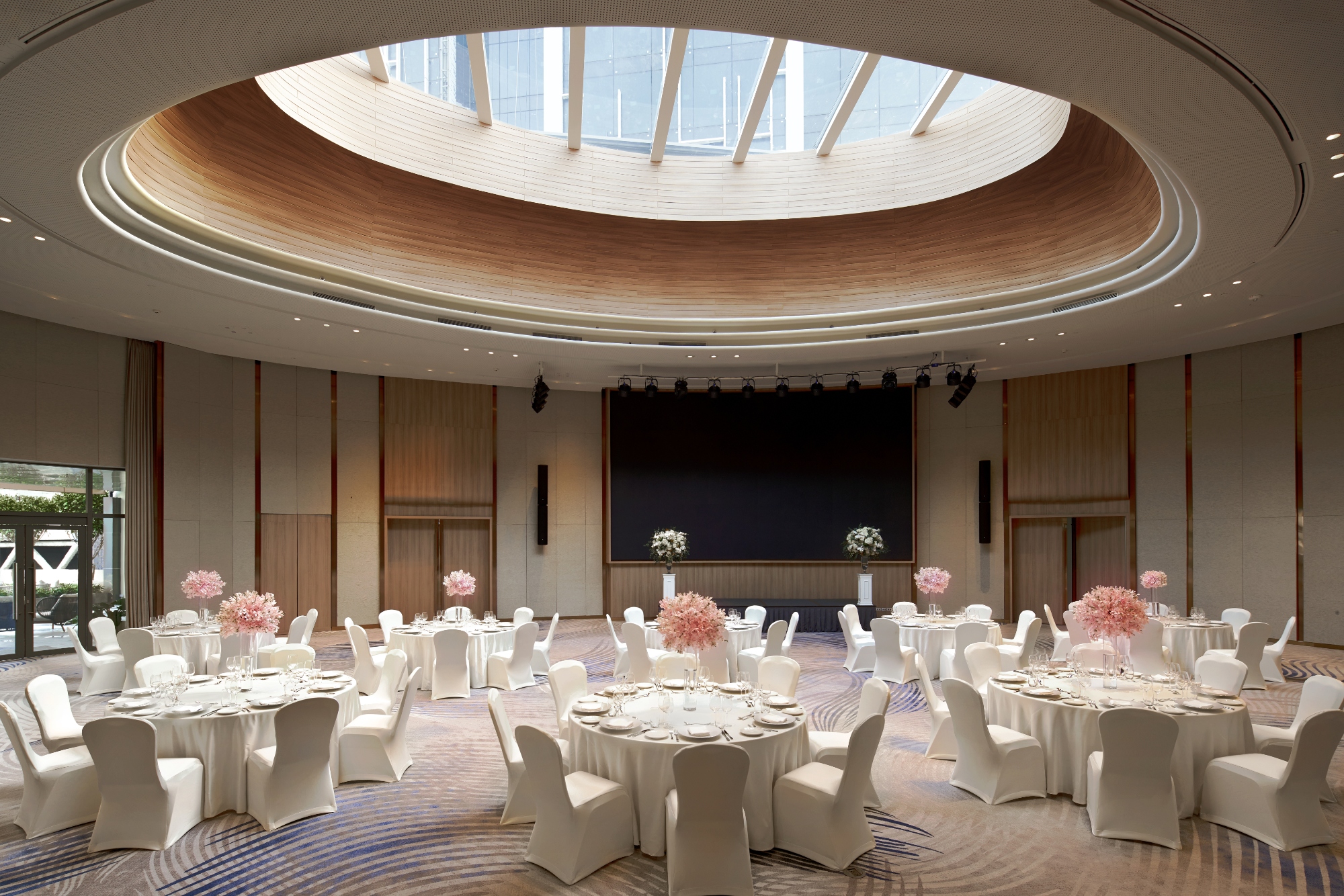
The dwp Awards and Recognition Celebration 2025 was a momentous occasion, bringing together industry leaders, design enthusiasts, and media representatives to honour dwp’s remarkable achievements over the past year. The event celebrated the firm’s continued success, including securing over 60 international awards in 2024, and highlighted its pioneering use of artificial intelligence in design. The event was held at the dwp designed and award winning Mövenpick BDMS Connect Centre in Bangkok. 

dwp Thailand CEO Ms. Sarinrath Kamolratanapiboon opened the event with an inspiring address, reflecting on dwp’s resilience and innovation in a challenging global landscape. She emphasised the firm’s commitment to integrating technology, sustainability, and tailored solutions to create transformative spaces. Notable projects such as Moxy Bangkok Ratchaprasong, L’Oréal Thailand Office, BDMS Connect Center, and Supalai Icon Sathorn were recognized for their design excellence, earning multiple accolades.

A key highlight of the evening was the presentation by BIM Manager and AI Specialist Mr. Danny Bentley, who detailed how dwp has embraced AI across all phases of the design process. He underscored the firm’s leadership in harnessing AI as a creative partner, revolutionizing efficiency, sustainability, and user-centric design. Attendees were given a glimpse into AI-driven initiatives such as smart homes, AI-optimized layouts, and virtual and augmented reality tools that enhance design visualization.

Managing Director Mr. Robert Troup provided insights into the architectural trends shaping 2025, focusing on the fusion of technology, sustainability, and human-centric design. He highlighted the growing role of neurodesign, sensory environments, and adaptable spaces in enhancing well-being and user experience.

The celebration not only showcased dwp’s impressive accolades but also reaffirmed its vision for the future. With ambitious plans to achieve over 20% growth in 2025, dwp is set to further integrate AI, form strategic alliances, and invest in upskilling its team to stay at the forefront of the industry.

As the event concluded, guests left with a deeper appreciation of dwp’s dedication to redefining the design landscape through innovation and sustainability. The dwp Awards and Recognition Celebration 2025 was more than an awards night—it was a bold statement of the firm’s mission to shape the future of architecture and design.


Tags: Abu dhabi, Agile workspace, Archi, Architect, Architecture, Artist, Asia, Bangkok, Bar, BIM, Blog, Boutique, Business, Civic, Construction, Content, Creativity, Culture, Design, Designer, Digital, Digital technology, Digital transformation, Digitisation, Drink, Dubai, Education, Experience, F&B, Food, Future, Health, Hicap, Ho chi minh, Hospitality, Hotel, Hotel design, Information, Innovation, Interior, Interior design, Interior designer, Interview, Knowledge, Lebua, Lifestyle, Luxury, Luxury design, Luxury interior, Marriott, Profile, Residential, Restaurant, Saigon, Sky, Studio, Success, Sustainibility, Tech, Technology, Thailand, Trends, Video, Vietnam, W hotel, Women
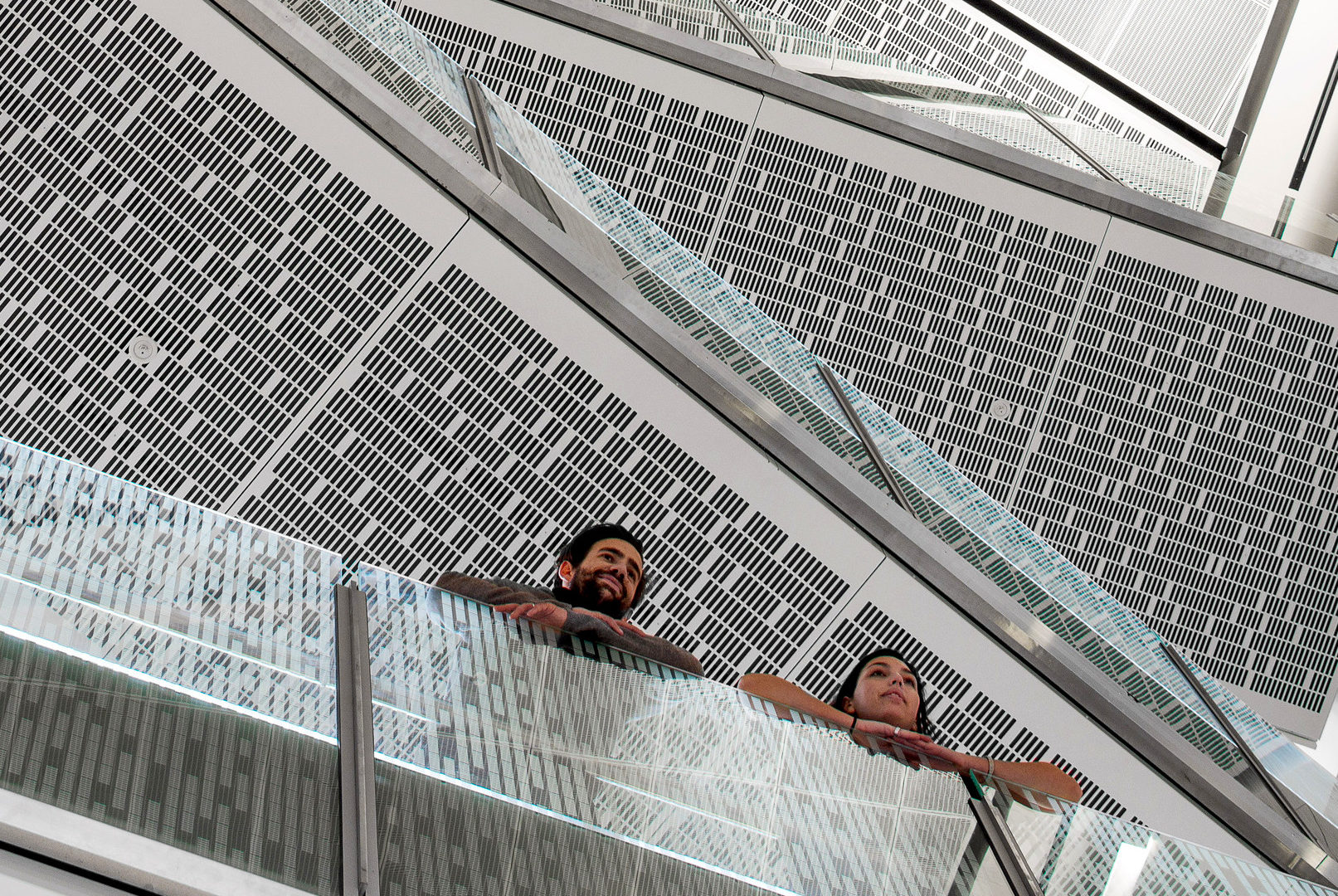
dwp Taps AI for Competitive Edge in Architecture and Interiors

Innovation isn’t just talk at dwp; it’s the engine driving the firm’s projects, injecting purpose and opportunity into every design. This year, dwp is leveraging cutting-edge technologies to transform its design process from initial concept to final execution, crafting a blueprint for the future of architectural and interior spaces.

Pioneering AI in Design

Artificial intelligence has become a cornerstone of our design philosophy. Our proprietary tools analyse space utilisation, optimise layouts, and predict user behaviors with extraordinary precision. The synergy of data-driven insights and our creative acumen allows us to produce environments that are not just visually compelling but also intuitively functional and resilient.


Smart Hospitality in Action

The Moxy Ratchaprasong Hotel represents a milestone in our integration of technology and hospitality. With mobile check-in, IoT-enabled room controls, and seamless digital interfaces, the guest experience has been elevated to unprecedented levels. This project is not just a hotel; it’s a manifesto for how technology can enhance both operational efficiency and customer delight.


Investing in Tomorrow’s Tools

At dwp, innovation is an evolving journey, fueled by curiosity and collaboration. We are actively integrating emerging technologies that push the boundaries of design:

  • Virtual Reality: Transforming client presentations into immersive narratives.
  • Parametric Design Software: Crafting architectural solutions with mathematical precision.
  • Environmental Simulation Tools: Elevating sustainable design with predictive analytics.
  • Advanced BIM Integration: Ensuring unparalleled coordination and project synergy.
  • Machine Learning Algorithms: Driving intelligent space optimization and predictive design methodologies.


Inspired by the Global Avant-Garde

Dwp’s design philosophy melds technology with cultural narratives to craft spaces that resonate on both functional and emotional levels. Our work transcends mere structures; it curates experiences that embody innovation and artistry. From workplaces that inspire productivity to hospitality spaces that redefine luxury, dwp continues to be a beacon of design excellence.

As we look ahead, our commitment to innovation ensures that each project not only reflects the present but anticipates the needs of the future. At dwp, the horizon is limitless, and the future is now.


Tags: Abu dhabi, Agile workspace, Archi, Architect, Architecture, Artist, Asia, Bangkok, Bar, BIM, Blog, Boutique, Business, Civic, Construction, Content, Creativity, Culture, Design, Designer, Digital, Digital technology, Digital transformation, Digitisation, Drink, Dubai, Education, Experience, F&B, Food, Future, Health, Hicap, Ho chi minh, Hospitality, Hotel, Hotel design, Information, Innovation, Interior, Interior design, Interior designer, Interview, Knowledge, Lebua, Lifestyle, Luxury, Luxury design, Luxury interior, Marriott, Profile, Residential, Restaurant, Saigon, Sky, Studio, Success, Sustainibility, Tech, Technology, Thailand, Trends, Video, Vietnam, W hotel, Women
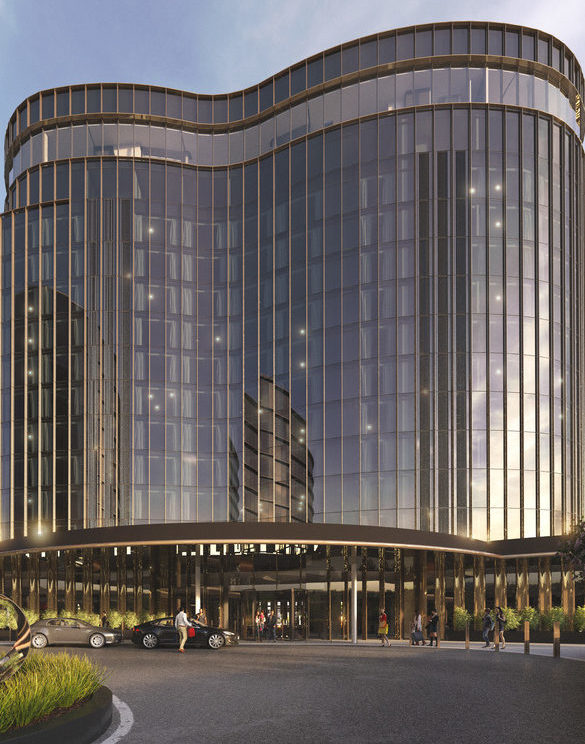
Local Expertise for Global Project Success

Global design practice dwp is differentiating itself by melding international capabilities with deep local market insights. This strategy is evident in its 2024 projects, which emphasise cultural relevance alongside cutting-edge design principles. dwp’s network of studios, from Bangkok to Dubai, functions as a collaborative hub, channeling diverse regional perspectives into effective design solutions.

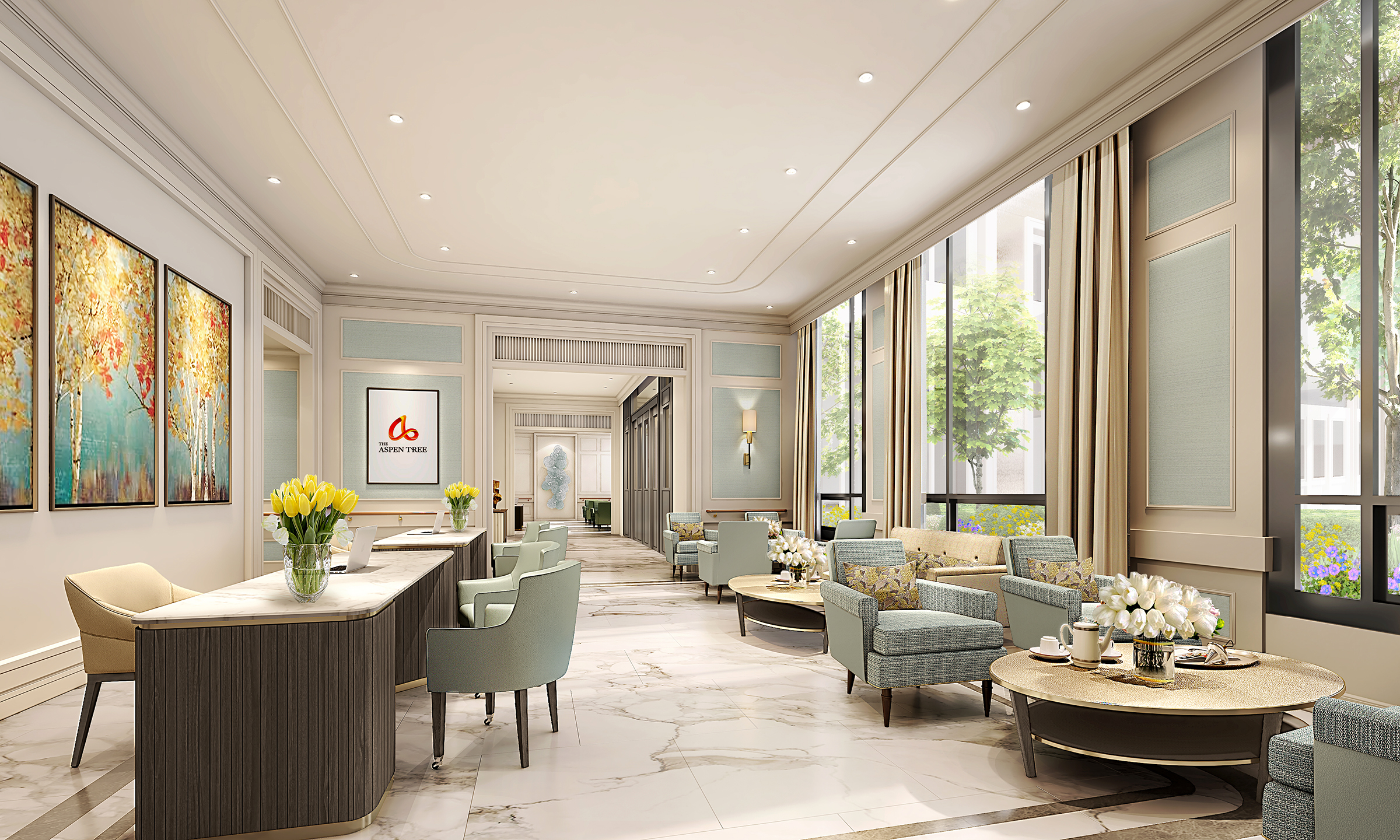
The Aspen Tree Residences project highlights this approach. Working with local Thai artisans and cultural advisors, dwp developed a luxury residential complex that blends global standards with authentic Thai design. The project integrates modern wellness facilities and community spaces while respecting and reimagining local architectural styles, creating a unique and marketable sense of place.

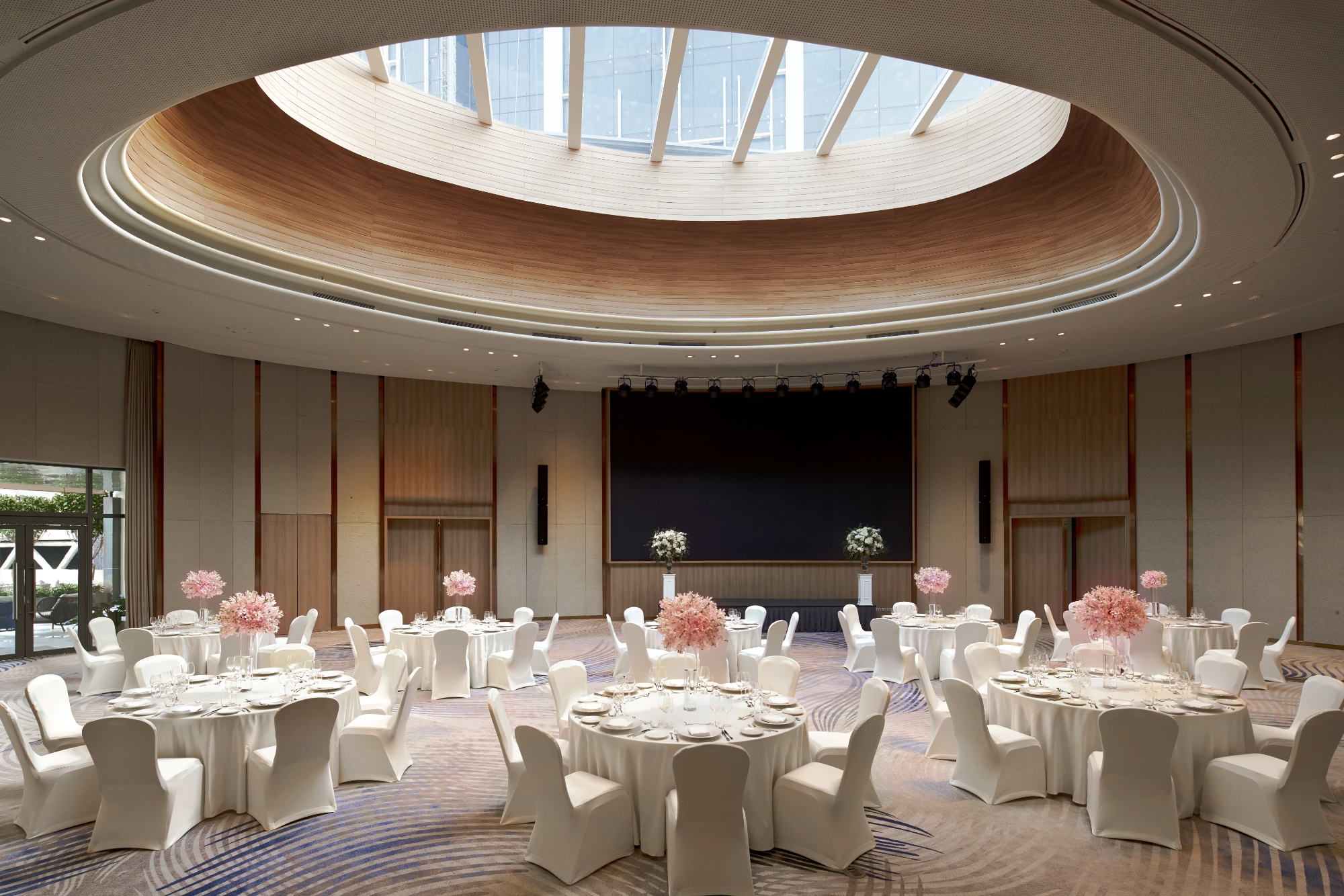
In Bangkok, the BDMS Connect Centre is redefining event venues with a focus on sustainability and biophilic design. This award-winning project emphasises nature-integrated design, offering wellness-oriented areas that promote engagement and innovation. Its use of sustainable materials and energy-efficient systems reinforces dwp’s commitment to environmental responsibility and delivers a versatile, high-value event space.


dwp’s entry into Saudi Arabia signifies a strategic expansion into a key growth region. Capitalising on the Kingdom’s ambitious development plans, dwp is combining global expertise with a sensitivity to local heritage to design spaces that reflect regional aspirations while celebrating traditions.

The Carlton Vignette Hotel’s design concept exemplifies dwp’s ability to create compelling narratives through design. The hotel aims to fuse international appeal with a strong local identity, incorporating indigenous art, materials, and architectural elements to deliver a distinctive hospitality experience.

As dwp continues its global growth trajectory, its designs demonstrate the effectiveness of combining global vision with local adaptation. Each project showcases collaboration, innovation, and cultural awareness—designing for a better built environment, one project at a time.

Tags: Abu dhabi, Agile workspace, Archi, Architect, Architecture, Artist, Asia, Bangkok, Bar, BIM, Blog, Boutique, Business, Civic, Construction, Content, Creativity, Culture, Design, Designer, Digital, Digital technology, Digital transformation, Digitisation, Drink, Dubai, Education, Experience, F&B, Food, Future, Health, Hicap, Ho chi minh, Hospitality, Hotel, Hotel design, Information, Innovation, Interior, Interior design, Interior designer, Interview, Knowledge, Lebua, Lifestyle, Luxury, Luxury design, Luxury interior, Marriott, Profile, Residential, Restaurant, Saigon, Sky, Studio, Success, Sustainibility, Tech, Technology, Thailand, Trends, Video, Vietnam, W hotel, Women

Celebrating Excellence: dwp’s Award-Winning Year in Design

2024 was a landmark for dwp | design worldwide partnership, as our designs have earned recognition on a global stage through multiple prestigious international award programs. These accolades underscore our commitment to creating innovative, sustainable, and impactful spaces across sectors and geographies. Here’s a look at the award-winning projects that have cemented dwp’s position as a leader in design excellence.

Our Award-Winning Projects

Bangkok Portfolio

Our Bangkok projects have been particularly outstanding this year, showcasing the depth and breadth of our design expertise:

Whizdom The Forestias, Bangkok
This groundbreaking residential project redefines urban living, blending sustainability and well-being in a lush, forest-inspired environment.

Moxy Bangkok Ratchaprasong, Bangkok
A vibrant and playful hospitality project that encapsulates the energy of the Moxy brand while showcasing Bangkok’s youthful charm.

KTC Touch United Business Centre II, Bangkok
An innovative workspace where functionality meets creativity, designed to inspire collaboration and productivity.

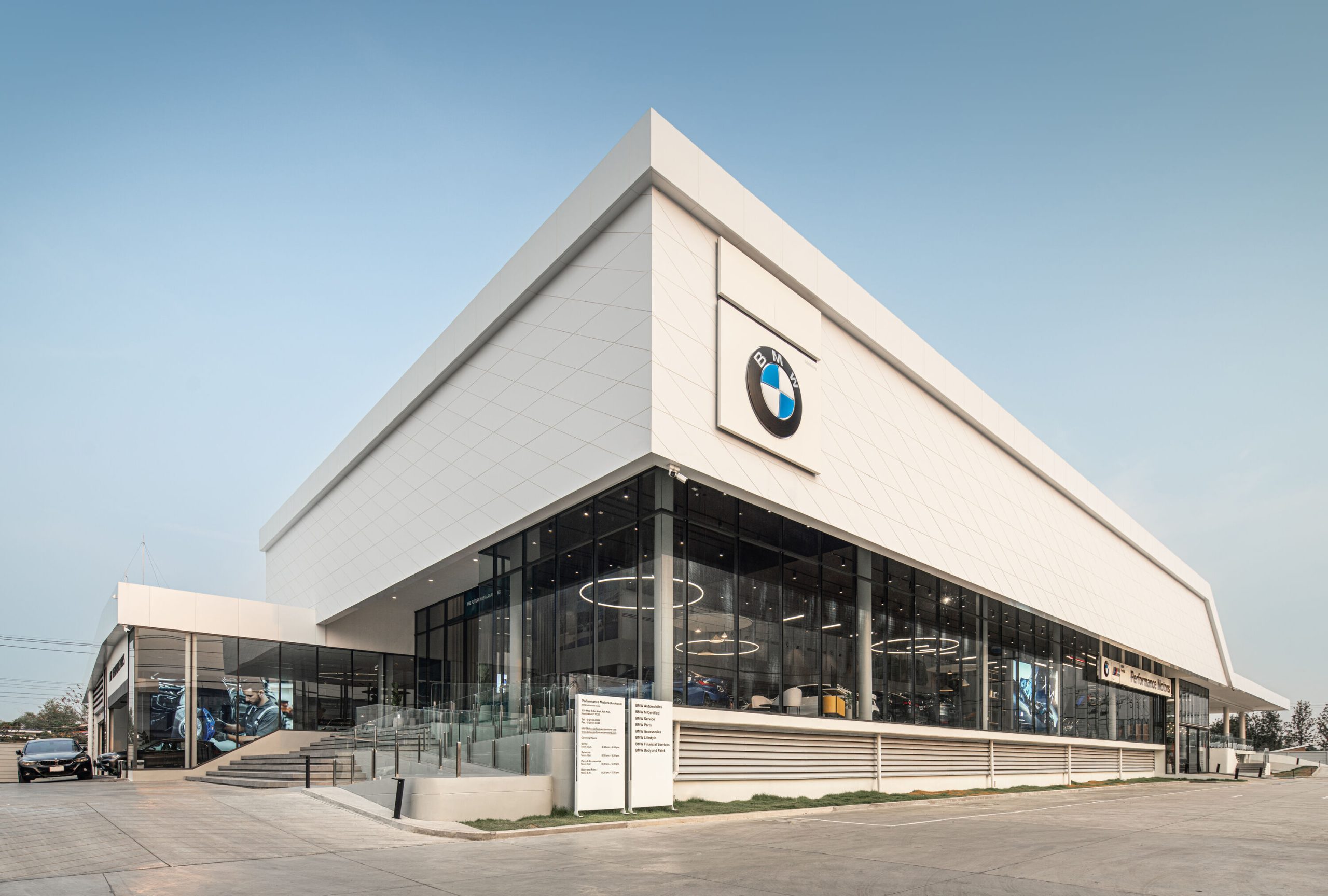
BMW Performance Motors Ratchapruek, Bangkok
A sleek and dynamic commercial space reflecting the precision and sophistication of the BMW brand.

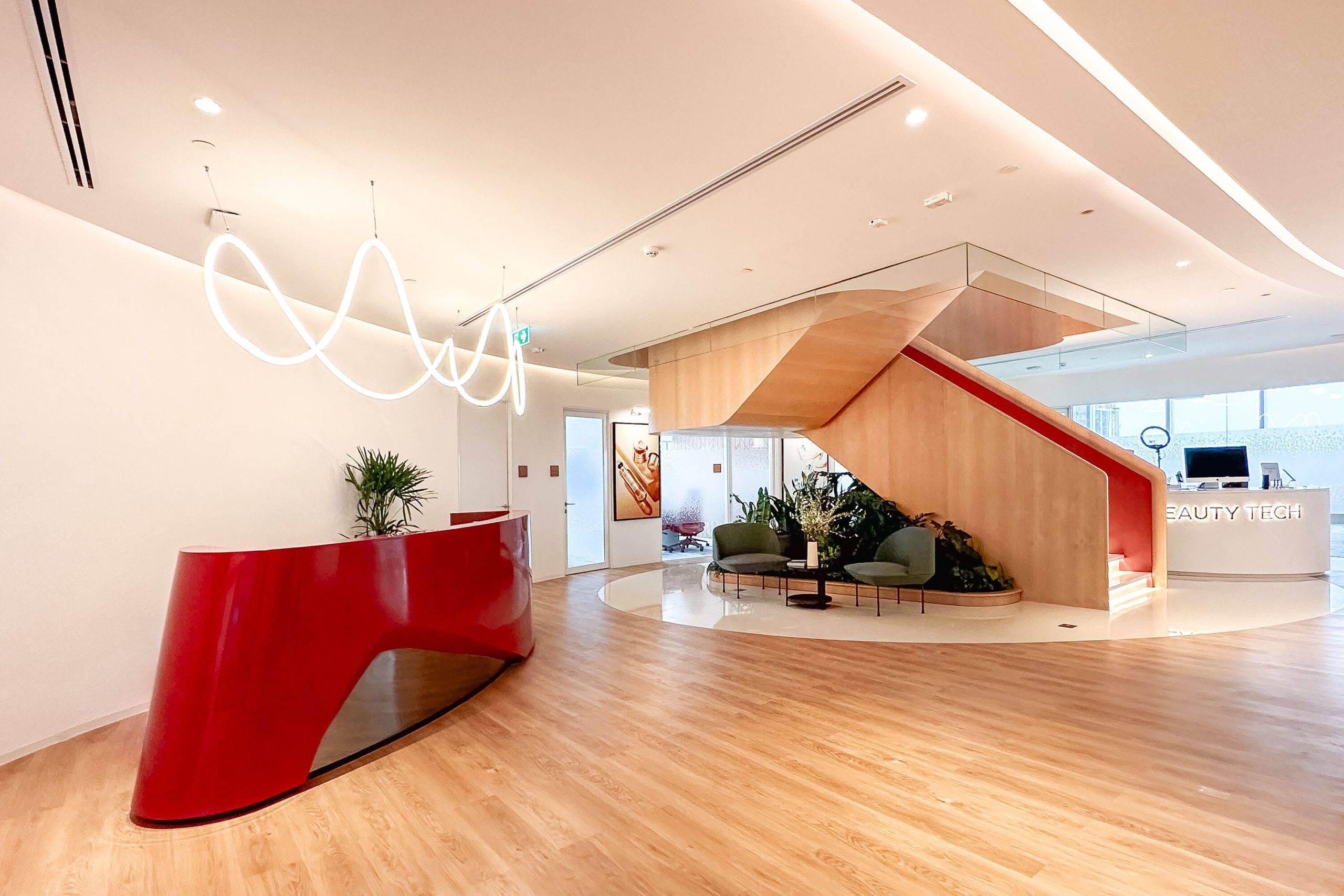
L’Oréal Thailand, Bangkok
A headquarters that merges beauty and sustainability, epitomizing L’Oréal’s vision for a better workplace.

DLA Piper Office, Bangkok
A professional environment designed with sophistication and versatility, setting a new benchmark for legal offices.

Supalai Icon Sathorn, Bangkok
A towering icon of modern living that combines luxury with sustainability, redefining Bangkok’s skyline.

Mövenpick BDMS Connect Centre, Bangkok
Inspired by the harmony of a forest ecosystem, this project integrates nature and innovation in a sustainable event space.

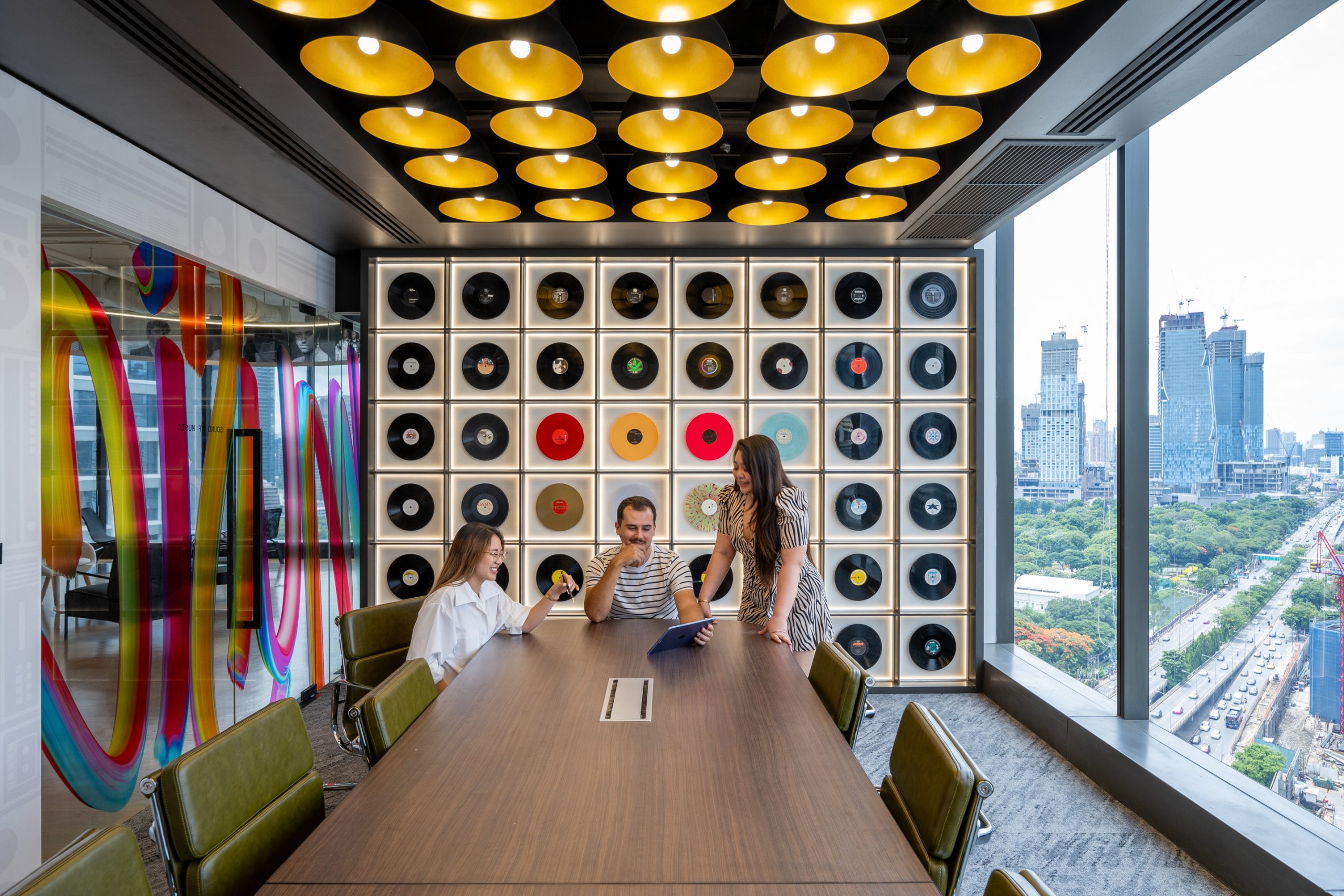
Universal Music Office, Thailand
A creative hub that perfectly reflects the vibrancy and rhythm of the global music industry.

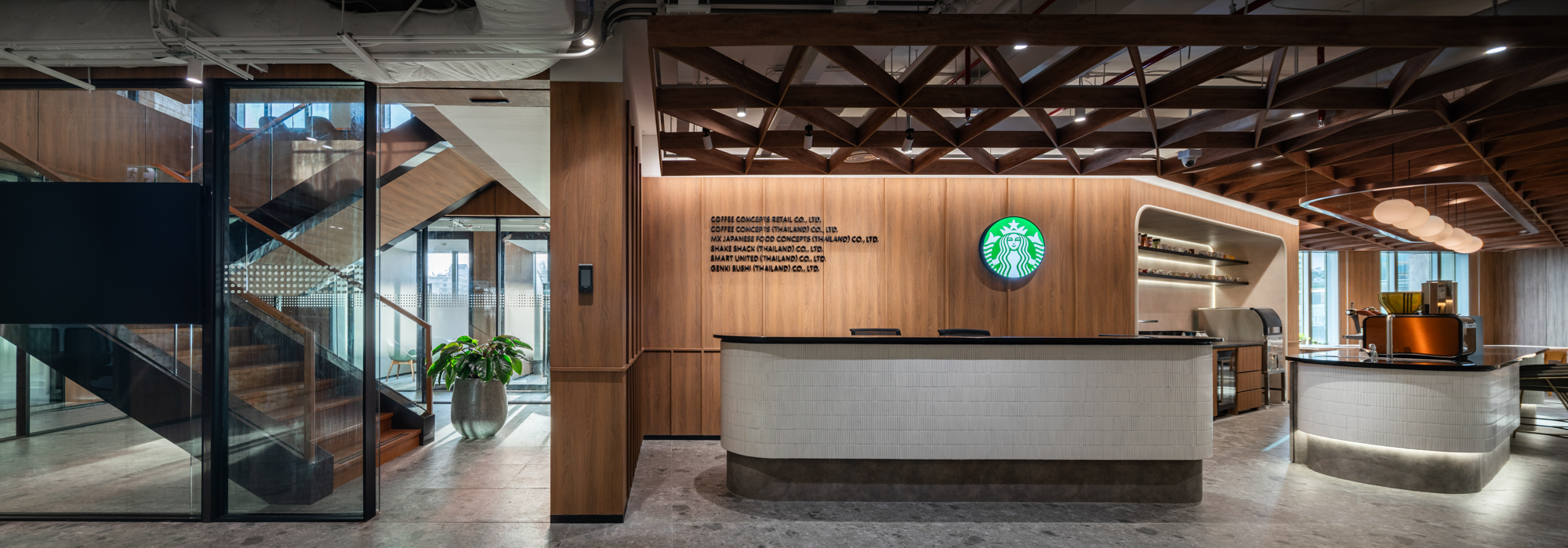
Starbucks Office, Bangkok
A thoughtfully designed workspace that mirrors the brand’s philosophy of connection, culture, and innovation.

Middle East Innovations

Our Middle East projects have equally impressed international design committees:

Carlton Vignette, KSA
An opulent hospitality project that captures the essence of luxury living, set against the backdrop of the Kingdom of Saudi Arabia.

Ora Office HQ, Dubai
A modern workplace masterpiece designed to foster innovation and teamwork, winning gold for its cutting-edge interior design.

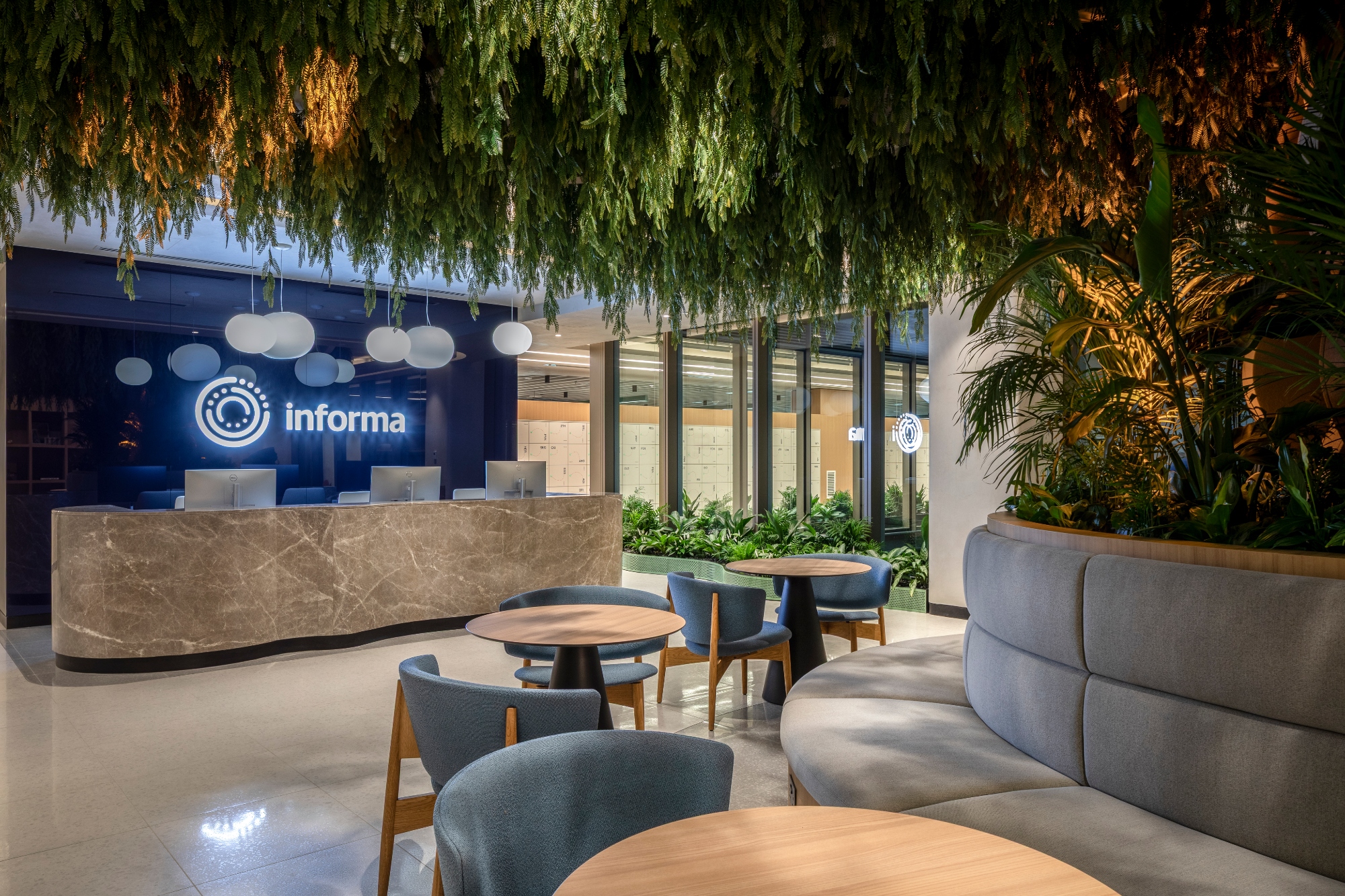
Informa Office, Bahrain
A state-of-the-art office space that redefines the corporate environment with its smart, human-centric design.

The Executive Council, Dubai
A project that embodies elegance and functionality, reflecting the forward-thinking vision of its esteemed client.

Jumeirah Emirates Towers, Dubai
An iconic hospitality landmark reimagined, blending timeless luxury with contemporary touches.

The Significance of International Recognition

These awards are not just a testament to the excellence of our designs; they also highlight the trust our clients place in us to deliver innovative solutions that meet their unique needs. Winning across such a diverse array of sectors—including residential, hospitality, commercial, and workplace—reflects our ability to seamlessly blend creativity, functionality, and sustainability.

The international recognition reinforces dwp’s mission of Designing for a Better World, proving that our designs resonate not only with clients but also with global design communities. We are proud to share this success with our talented teams and visionary clients, whose collaboration and trust have made these achievements possible.

Our journey of design excellence continues, and we are excited about the creative horizons that await us.

Tags: Abu dhabi, Agile workspace, Archi, Architect, Architecture, Artist, Asia, Bangkok, Bar, BIM, Blog, Boutique, Business, Civic, Construction, Content, Creativity, Culture, Design, Designer, Digital, Digital technology, Digital transformation, Digitisation, Drink, Dubai, Education, Experience, F&B, Food, Future, Health, Hicap, Ho chi minh, Hospitality, Hotel, Hotel design, Information, Innovation, Interior, Interior design, Interior designer, Interview, Knowledge, Lebua, Lifestyle, Luxury, Luxury design, Luxury interior, Marriott, Profile, Residential, Restaurant, Saigon, Sky, Studio, Success, Sustainibility, Tech, Technology, Thailand, Trends, Video, Vietnam, W hotel, Women
Revolutionising Architecture and Design: dwp’s Vision for AI Integration

Part 1: Embracing AI-Driven Design


At dwp | design worldwide partnership, we’re at the forefront of a design revolution. As a global leader in architecture and interior design, we’ve embraced artificial intelligence (AI) as a powerful tool to enhance our creative process and deliver exceptional value to our clients. Our journey towards becoming an AI-driven design company is transforming how we approach every project, from conceptualisation to execution.


Scott Whittaker, Group Creative Director at dwp, emphasises the transformative power of AI in design: “AI is not just a tool; it’s a collaborator that enhances our creative capabilities. It allows us to explore design possibilities at an unprecedented scale and speed, pushing the boundaries of what we thought was possible in architecture and interior design.”


By leveraging advanced AI tools like MidJourney, Ideogram, Leonardo, and Veras, we’re pushing the boundaries of what’s possible in design. These technologies enable us to automate repetitive tasks, generate multiple design iterations rapidly, and provide our clients with immersive visualisations before construction begins. This approach not only streamlines our workflow but also allows our talented designers to focus on the creative aspects that make our projects truly unique.

Part 2: Enhancing Customization and Client Experience Across Industries


Retail Design Revolution: Amplifying Brand Narratives through AI


At dwp, we’re leveraging AI to revolutionise retail design, focusing on amplifying brand narratives and exploring new frontiers of customer engagement. Our AI-driven approach allows us to collaborate with brands in unprecedented ways, creating immersive retail environments that go beyond traditional brick-and-mortar experiences.


By harnessing the power of AI, we’re able to translate brand identities into physical spaces with remarkable precision and creativity. AI-powered design tools enable us to generate countless design iterations that align perfectly with a brand’s ethos, visual language, and customer expectations. This process allows us to push creative boundaries and present our clients with innovative concepts that they might never have imagined.


Our use of AI-generated renders allows brands to explore these innovative design scenarios interactively. From experimenting with bold architectural elements to testing out dynamic digital integrations, clients can visualise and refine their retail spaces in real-time. This iterative process ensures that every aspect of the design not only contributes to the brand’s unique identity but also creates a memorable and engaging customer journey.


At dwp, we believe that the future of retail lies in creating spaces that are as dynamic and adaptive as the brands themselves. By harnessing the power of AI, we’re helping our clients push the boundaries of retail design, turning shopping spaces into brand embassies that offer immersive, memorable, and deeply on-brand experiences.


Transforming Hotel and Hospitality Design


In the hospitality sector, AI is about reimagining how we approach hotel design, particularly in the realm of visual creation and storytelling. At dwp, we harness the power of AI to generate stunning visuals and bring our creative narratives to life, elevating the entire design process from concept to presentation.


Khun Sarinrath, Executive Director at dwp, shares her perspective: “AI has become an invaluable asset in our hospitality projects. It allows us to create immersive, tailored experiences for our clients, helping them visualise the end result with unprecedented clarity. This technology not only enhances our design process but also strengthens our client relationships by facilitating more engaging and interactive presentations.”


Our commitment to innovation in hospitality design has led to exciting collaborations with industry leaders. In 2024, dwp is working closely with Accor and Marriott on pioneering AI initiatives. These partnerships are pushing the boundaries of what’s possible in hotel design, leveraging AI to create more personalised, efficient, and memorable guest experiences.


Our use of advanced AI tools allows us to rapidly generate high-quality, photorealistic renderings of hotel spaces. These AI-generated visuals serve as powerful tools for conceptualization, enabling our designers to explore diverse design directions and styles with unprecedented speed and flexibility.


Moreover, AI is transforming how we craft and present creative narratives for our hospitality projects. By inputting key elements of a hotel’s brand story, target audience, and desired ambiance, we can use AI to generate mood boards, concept sketches, and even immersive 3D walkthroughs. These AI-generated visuals help bring our creative visions to life, allowing clients to experience the emotional impact of a design before a single real-world change is made.


Innovating Health Architecture Design


At dwp, we’re leveraging AI to revolutionise health architecture design, focusing on creating patient-centric environments that are not only efficient but also luxurious, family-friendly, and conducive to overall wellness. Our AI-driven approach allows us to explore a multitude of design options rapidly, ensuring that every healthcare facility we design is optimised for patient comfort, family support, and healing.


Robert Troup, Managing Director of dwp’s Thailand Studio, emphasises: “AI is transforming how we approach healthcare architecture. It enables us to create spaces that are not just functional, but truly healing environments. By leveraging AI, we can design healthcare facilities that feel more like wellness retreats, fostering a sense of comfort and positivity that is crucial to the recovery process.”


A prime example of our innovative approach is our work on the new Bumrungrad International Hospital in Phuket. This project showcases how AI can be used to create a world-class medical facility that combines cutting-edge technology with a luxurious, patient-centred environment. By utilising AI in the design process, we were able to optimise the layout for efficient patient flow, create calming spaces that promote healing, and integrate advanced medical technology seamlessly into a visually appealing design.


AI-powered design tools enable us to generate and evaluate numerous layout options in a fraction of the time it would take using traditional methods. This allows us to present our clients with a diverse range of innovative design solutions that prioritise both functionality and aesthetic appeal.


In our quest to create more luxurious and welcoming healthcare environments, we use AI to simulate high-end finishes, lighting scenarios, and furniture arrangements. These AI-generated visualisations help us strike the perfect balance between clinical necessity and hotel-like comfort.


This comprehensive approach allows us to create healthcare spaces that support the physical, emotional, and social well-being of patients and their families.

Part 3: Enhancing Quality and Efficiency through AI


At dwp, our commitment to excellence extends beyond design into every aspect of our operations. We’re harnessing the power of AI to revolutionise our Quality Process, streamline our workflows, and enhance our communication with clients. This innovative approach allows us to maintain the highest standards of quality while improving efficiency across all our projects.


Elevating Communication and Documentation


AI is transforming how we handle our professional communications. By leveraging advanced language models, we’re able to enhance the quality and consistency of our emails, letters, and reports. These AI tools help us craft clear, concise, and impactful messages that effectively convey our ideas and maintain our professional standards.


Moreover, AI assists in analysing and understanding project data from our clients. By processing and interpreting large volumes of information quickly, we can extract key insights that inform our design decisions and project strategies. This data-driven approach ensures that our designs are not only aesthetically pleasing but also closely aligned with our clients’ needs and objectives.


Streamlining Quality Management


Our quality management process has been significantly enhanced through the integration of AI. Automated checks and balances help us maintain consistency across our projects, ensuring that every design meets dwp’s high standards. AI-powered tools assist in reviewing designs, flagging potential issues, and suggesting improvements, allowing our team to focus on creative problem-solving and innovation.


Automating Document Creation and Scheduling


AI has changed our approach to document creation and project scheduling. From generating detailed project timelines to creating comprehensive design briefs, AI tools help us produce accurate and professional documents in a fraction of the time it would take manually. This not only increases our productivity but also ensures that our clients receive thorough and well-structured information throughout the project lifecycle.


Enhancing Meeting Efficiency


We’ve implemented AI-powered tools to streamline our meeting processes. These tools assist in recording and transcribing meetings, automatically generating concise and accurate minutes. By analysing meeting content, AI can also highlight key action items and decisions, ensuring that nothing falls through the cracks. This technology not only saves time but also improves communication and accountability across our teams and with our clients.


By integrating AI into our Quality Process, dwp is not just improving efficiency; we’re elevating the overall quality of our work and client interactions. This commitment to innovation in our processes mirrors our innovative approach to design, ensuring that dwp remains a leader in the architecture and design industry.

Part 4: Advancing Sustainability Through AI


At dwp, sustainability isn’t just a buzzword—it’s a core principle guiding every project we undertake. AI plays a crucial role in our commitment to creating eco-friendly, future-ready designs. By leveraging AI-powered tools, we can make informed decisions at every stage of the project, from initial material selection to energy efficiency strategies.


AI enables us to simulate how our designs will perform over time, taking into account factors such as wear and tear, changing weather patterns, and evolving sustainability standards. This long-term perspective ensures that our buildings are not only sustainable today but continue to perform efficiently in the future. Moreover, AI helps us push the envelope on creating circular economy solutions by designing for modularity and adaptability, extending the lifecycle of our projects and reducing the need for new materials in the future.

Part 5: Shaping the Future of Architecture and Design


As we look to the future, AI will continue to be a cornerstone of our approach to innovative design. At dwp, we’re committed to staying at the forefront of AI adoption, continuously evolving our design practices and investing in the tools and skills that will define the future of architecture and interior design.


Adriana, Design Director at dwp’s Dubai Studio, shares her vision for the future of AI in design: “AI is not just shaping our present; it’s paving the way for a future where design is more intuitive, responsive, and deeply connected to human needs. As we continue to explore and integrate AI technologies, we’re opening up new realms of possibility in creating spaces that are not just visually stunning, but also intelligent and adaptive to the evolving needs of their users.”


We understand that the world of design is no longer just about aesthetics or functionality; it’s about creating spaces that are responsive, adaptable, and sustainable in a rapidly changing world. By embracing AI and continually exploring its potential, we aim to set new standards for excellence in architecture and interior design.


As AI becomes more sophisticated, we anticipate its growing role in areas such as smart buildings, urban planning, and sustainable architecture. These developments will not only change how buildings are designed but also how they are experienced by the people who inhabit them.


At dwp, we’re excited about the future of AI in design and are committed to leading the charge. By leveraging AI responsibly and creatively, we’re shaping the built environment for generations to come, delivering designs that are not only beautiful but also intelligent, sustainable, and deeply connected to the needs of the people who use them.

Tags: Abu dhabi, Agile workspace, Archi, Architect, Architecture, Artist, Asia, Bangkok, Bar, BIM, Blog, Boutique, Business, Civic, Construction, Content, Creativity, Culture, Design, Designer, Digital, Digital technology, Digital transformation, Digitisation, Drink, Dubai, Education, Experience, F&B, Food, Future, Health, Hicap, Ho chi minh, Hospitality, Hotel, Hotel design, Information, Innovation, Interior, Interior design, Interior designer, Interview, Knowledge, Lebua, Lifestyle, Luxury, Luxury design, Luxury interior, Marriott, Profile, Residential, Restaurant, Saigon, Sky, Studio, Success, Sustainibility, Tech, Technology, Thailand, Trends, Video, Vietnam, W hotel, Women
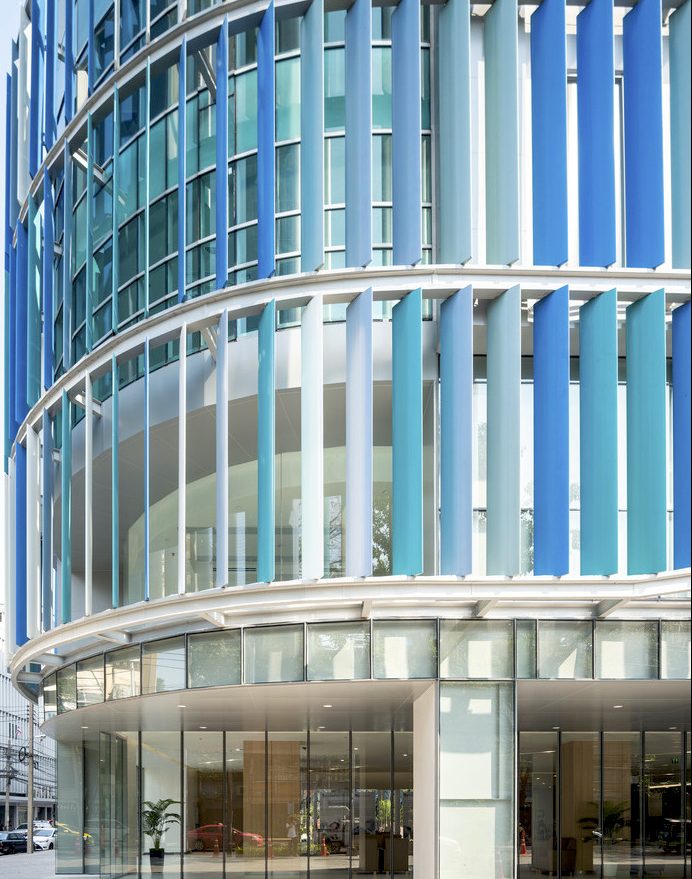
Dubai’s Design Evolution: One Za’abeel and the Future of Luxury Living

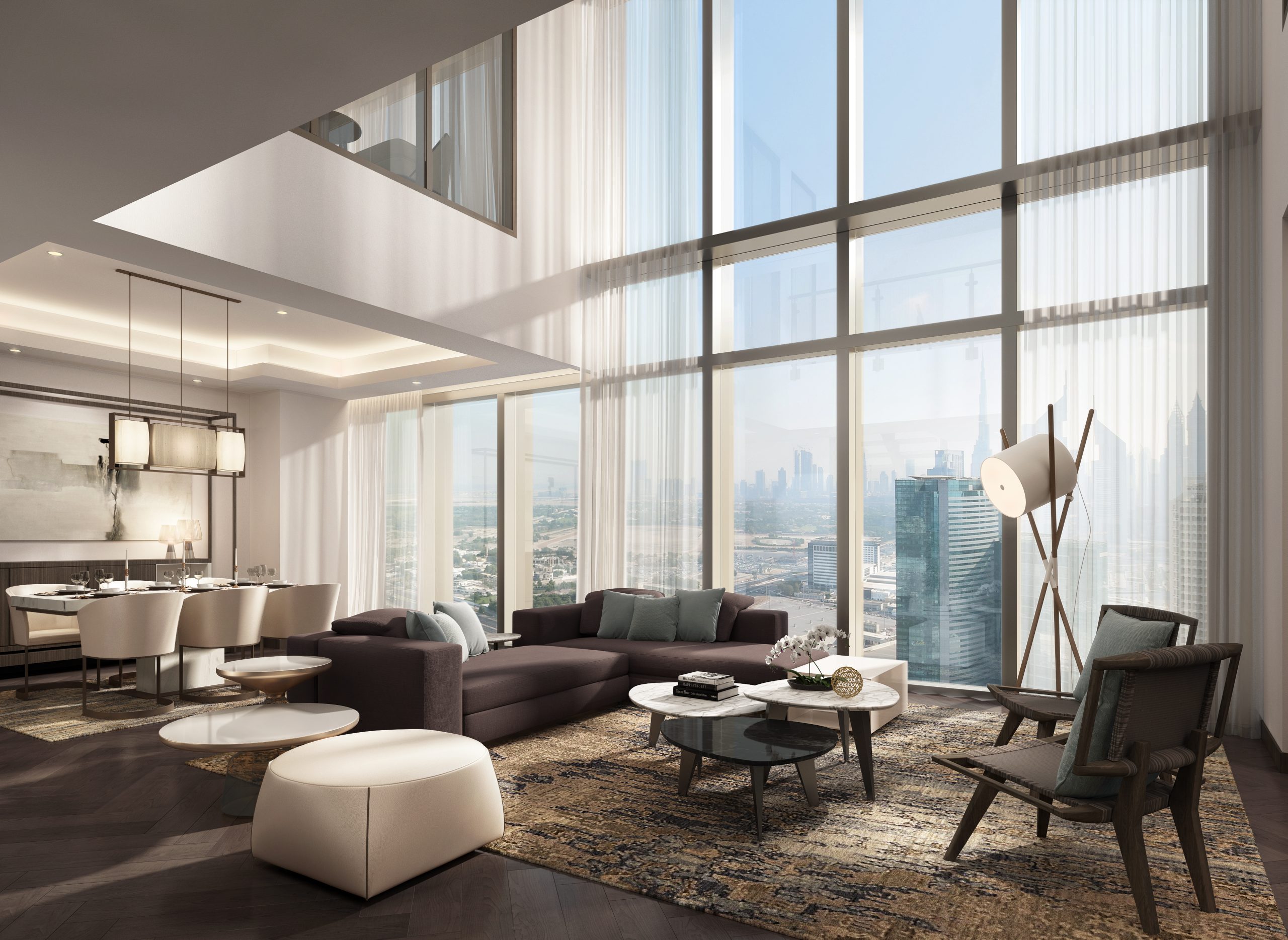
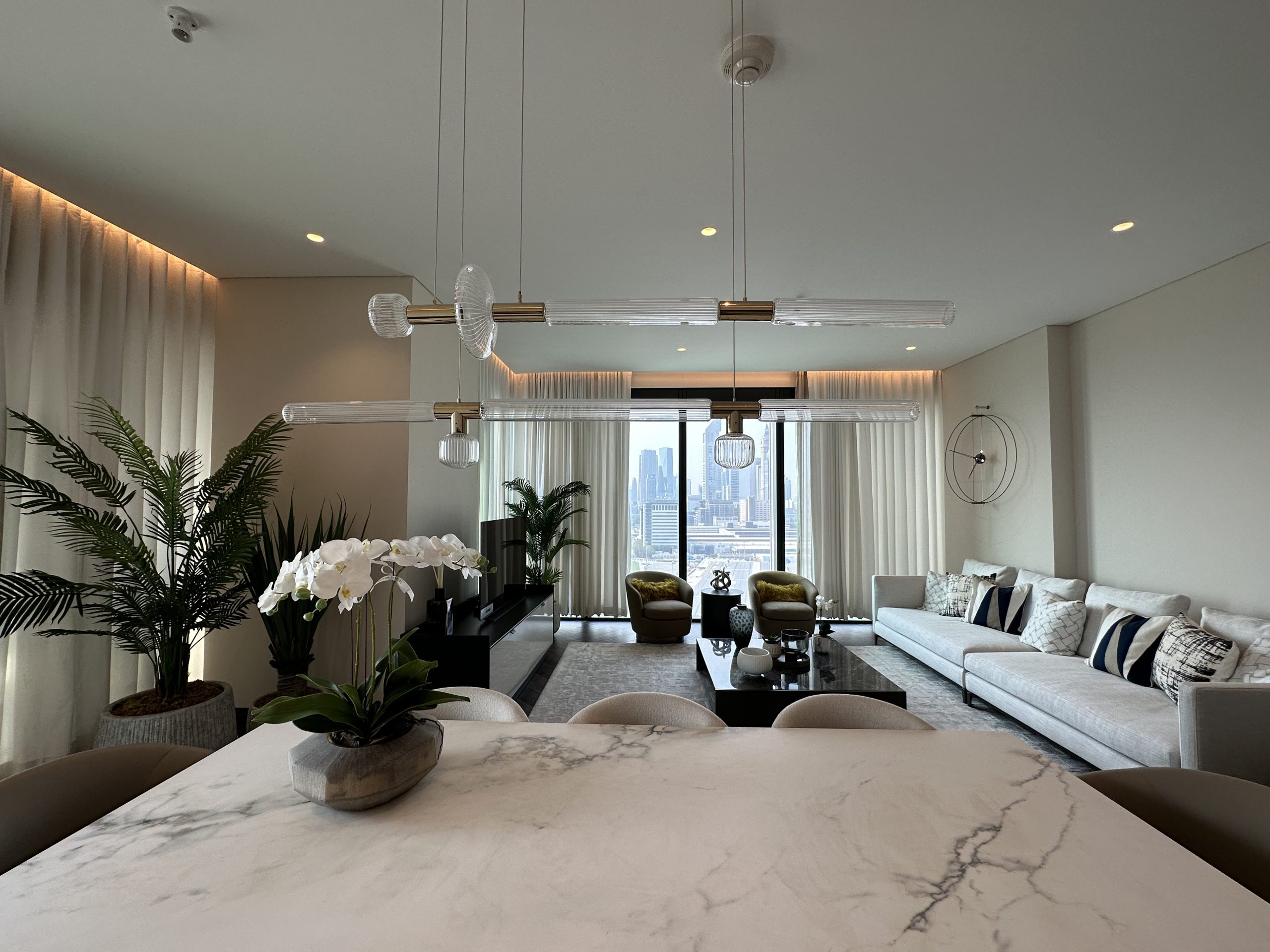
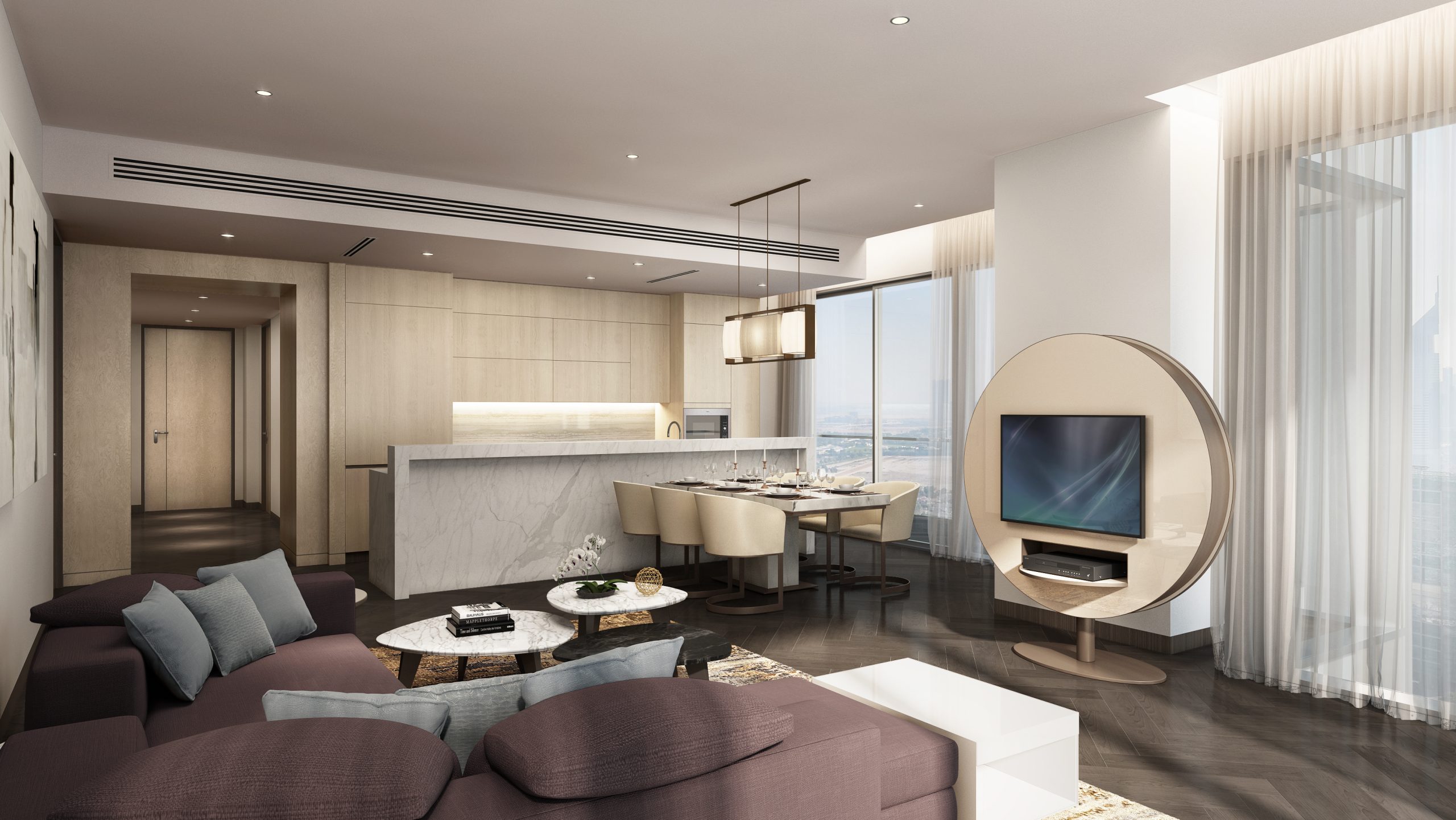
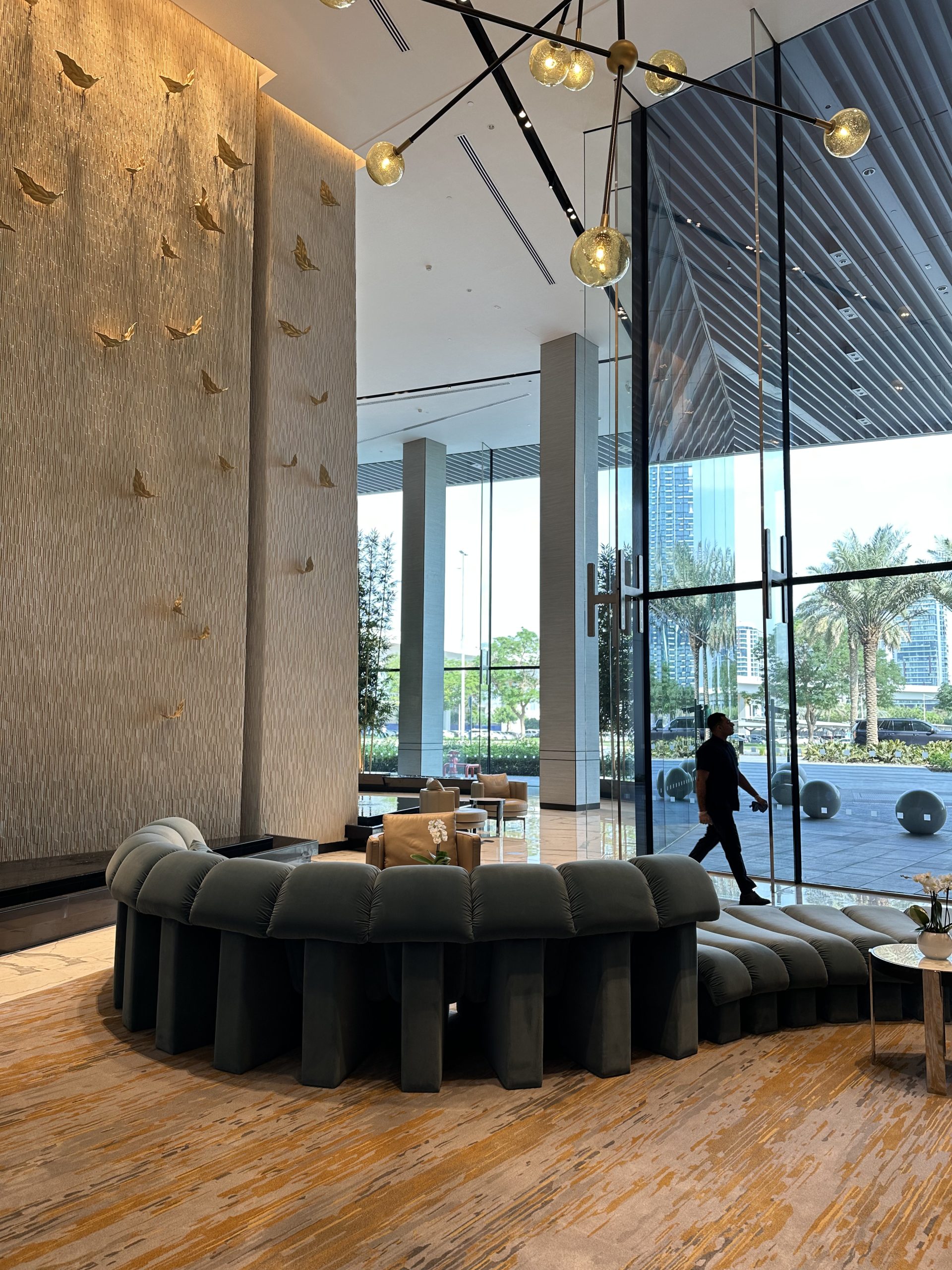
In the glittering cityscape of Dubai, One Za’abeel stands as a beacon of sophisticated luxury. This ambitious development, with residential interiors crafted by dwp | design worldwide partnership, is not just another addition to the skyline—it is a vision of the future of high-end living, where opulence meets innovation.


A Global Trend Localised

Born from the golden age of 1920s Manhattan, the concept of branded residences has found fertile ground in Dubai, a city known for its architectural prowess. As Dubai evolves, so too does its interpretation of luxury, and One Za’abeel is at the forefront of this transformation.

Charlie Kelly, Regional Managing Director for UAE at dwp, captures this sentiment: “Dubai is a canvas for the next generation of luxury living. With One Za’abeel, we’ve designed homes that embody the aspirations of discerning global citizens—spaces that are as sophisticated as they are timeless.”


Crafting Bespoke Living Spaces


Situated in the prestigious Zabeel district, One Za’abeel offers a curated collection of 264 residences, each a testament to refined living. From sleek one-bedroom apartments to expansive four-bedroom sanctuaries, and culminating in opulent penthouse apartments with panoramic views, these residences are more than just homes—they are experiences.

Scott Whittaker, Group Creative Director at dwp, explains the vision behind these spaces: “Our aim was to create more than just living spaces. We sought to orchestrate a lifestyle where every detail, from the custom fixtures to the breathtaking views, contributes to an elevated daily experience.”


Sustainability Meets Luxury

In a city often synonymous with excess, One Za’abeel breaks the mould by integrating sustainable features without compromising on luxury. Adriana Graur, Design Director at dwp, notes: “Luxury and sustainability are not mutually exclusive. At One Za’abeel, residents indulge in the finest amenities, all within a community that is responsibly designed and environmentally conscious.”

The development’s energy-efficient systems and locally-sourced materials set a new standard for luxury that is as eco-conscious as it is elegant.


Architectural Marvel

One Za’abeel’s crowning feature is its sky cantilever, a marvel of engineering that connects its two towers. This is more than an architectural statement—it is a functional space housing world-class amenities, offering unparalleled views of Dubai’s skyline.


A New Paradigm for Urban Luxury

As cities around the world grapple with urbanisation and sustainability challenges, One Za’abeel emerges as a potential blueprint for future developments. It raises important questions about the evolution of luxury in dense urban environments.


With One Za’abeel now complete, it is more than just a striking addition to Dubai’s skyline. It is a bold statement about the future of urban luxury—one that balances opulence with responsibility, individual comfort with community well-being. As residents move in and the development comes to life, it stands as a testament to dwp’s vision of refined, sustainable urban living. The true measure of One Za’abeel’s success will unfold in the coming months and years, as it becomes an integral part of Dubai’s urban fabric, setting new benchmarks for luxury living far beyond the shores of the Persian Gulf.

Tags: Abu dhabi, Agile workspace, Archi, Architect, Architecture, Artist, Asia, Bangkok, Bar, BIM, Blog, Boutique, Business, Civic, Construction, Content, Creativity, Culture, Design, Designer, Digital, Digital technology, Digital transformation, Digitisation, Drink, Dubai, Education, Experience, F&B, Food, Future, Health, Hicap, Ho chi minh, Hospitality, Hotel, Hotel design, Information, Innovation, Interior, Interior design, Interior designer, Interview, Knowledge, Lebua, Lifestyle, Luxury, Luxury design, Luxury interior, Marriott, Profile, Residential, Restaurant, Saigon, Sky, Studio, Success, Sustainibility, Tech, Technology, Thailand, Trends, Video, Vietnam, W hotel, Women
Subscribe newsletter
  • We’ll email you dwp’s Insights every two months.