Building the Intelligence Layer
What an AI-native design platform actually requires.
by Scott Whittaker, Group Creative Director, dwp
The phrase “AI-powered” has become meaningless. Every software vendor in the design industry now claims some version of it. A rendering engine adds a denoiser and calls itself intelligent. A project management tool adds a chatbot and calls itself AI-native.
The distinction between using AI tools and being an AI-native practice is structural, not cosmetic. It is the difference between subscribing to a service and building infrastructure.
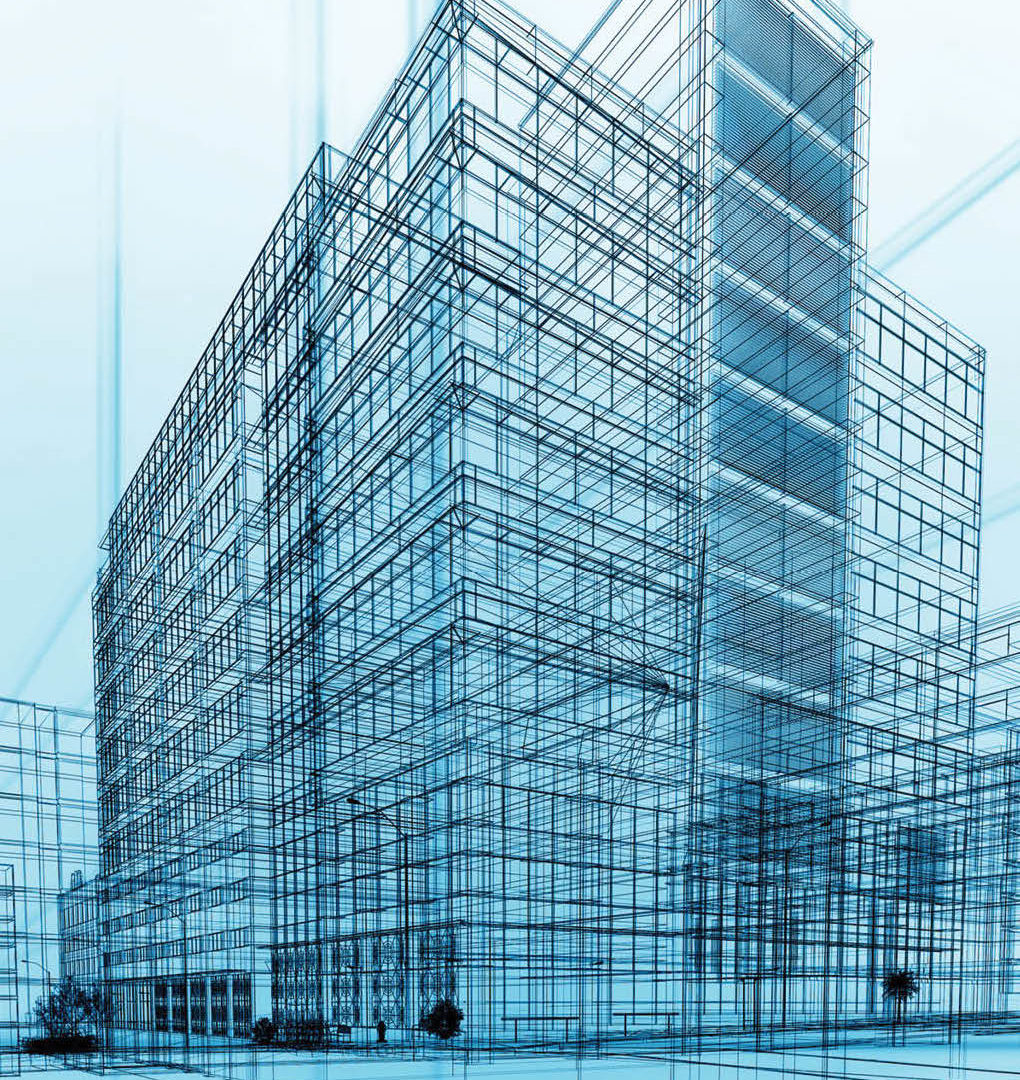
dwp.intelligence is infrastructure. Developed in-house over the past eighteen months, it is the connective layer linking our global studios, our project archives dating back three decades, and the collective expertise of over 200 professionals working across five time zones.
The platform rests on a decision made more than a decade ago: to operate as a fully cloud-based business. At the time, this was primarily about enabling collaboration across studios in Bangkok, Dubai, Ho Chi Minh City, Manila, Riyadh, Warsaw, and the rest of our network. In retrospect, it created the architectural foundation for everything that followed. When the moment came to integrate machine learning into design workflows, the data was already centralised, structured, and accessible.
Three components define the platform.
The first is institutional memory. Every project dwp has delivered contributes to a knowledge base that informs subsequent work. Spatial relationships, material performance, programme configurations, client feedback — all of this becomes searchable, analysable intelligence. When a designer begins a new hospitality brief, they are working with the accumulated insight of every hospitality project the practice has completed. Not as a vague recollection, but as structured data.
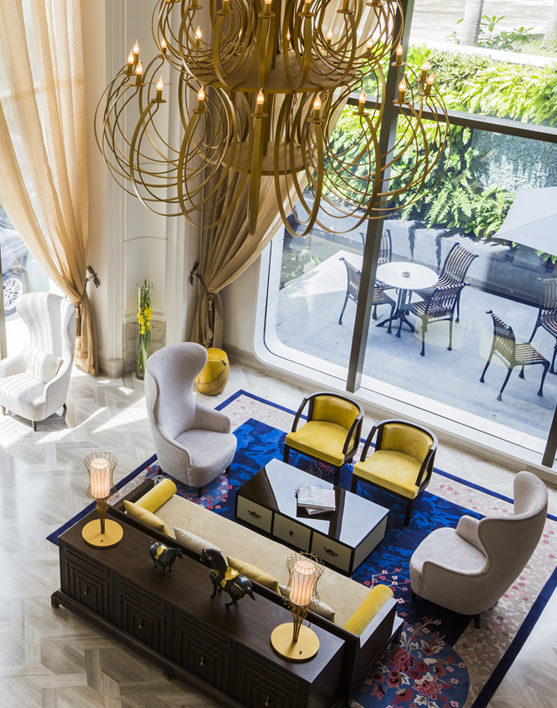
The second is generative capability. Teams across our studios are using AI tools to explore design options at a pace that was previously impossible. In Bangkok, hospitality concepts that would have taken weeks to develop through traditional iterative sketching are being explored in days. The designer’s role shifts from generating options manually to curating and refining options generated with intelligent assistance. The judgement remains human; the throughput has multiplied.
The third is client-facing intelligence. By the end of 2026, clients will interact directly with intelligent briefing tools, design review systems, and performance analytics that bring transparency to the design process. The objective is not to remove the designer from the conversation but to make that conversation richer, more informed, and more productive.
Building this has required investment that goes beyond software licensing. It has required new roles — people who understand both design practice and data architecture. It has required new workflows that integrate AI into the studio’s daily rhythm rather than treating it as a separate activity. And it has required governance. The dwp.intelligence council meets weekly, bringing together representatives from every discipline and function across the practice — architecture, interiors, project management, technology, and operations — to review progress, update protocols, and monitor the integration of AI across all studios. This is not a technology committee. It is a design leadership forum, ensuring that intelligence serves the practice rather than directing it.
And it has required a clear philosophical position: that intelligence in design serves the same purpose it always has, which is to produce buildings and spaces that work better for the people who use them.
The platform is not finished. It will not be finished. The nature of machine learning is that systems improve with use. Each project adds to the knowledge base. Each interaction refines the models. The intelligence layer is designed to compound — to become more valuable with every brief, every design review, every completed building.
This is what separates infrastructure from tools. Tools are static. Infrastructure grows.
We are happy to share more about how dwp.intelligence works in practice. Get in touch at scott.w@dwp.com or through any of our studios at dwp.com
Tags: Abu dhabi, Agile workspace, Archi, Architect, Architecture, Artist, Asia, Bangkok, Bar, BIM, Blog, Boutique, Business, Civic, Construction, Content, Creativity, Culture, Design, Designer, Digital, Digital technology, Digital transformation, Digitisation, Drink, Dubai, Education, Experience, F&B, Food, Future, Health, Hicap, Ho chi minh, Hospitality, Hotel, Hotel design, Information, Innovation, Interior, Interior design, Interior designer, Interview, Knowledge, Lebua, Lifestyle, Luxury, Luxury design, Luxury interior, Marriott, Profile, Residential, Restaurant, Saigon, Sky, Studio, Success, Sustainibility, Tech, Technology, Thailand, Trends, Video, Vietnam, W hotel, Women