The Age of Adaptation
Why resilience is no longer enough in the age of acceleration
For years, resilience was considered the benchmark of strong business and design strategy. Today, however, resilience alone may no longer be sufficient. Across industries, technological acceleration, climate pressure and shifting human behavior are fundamentally changing how organizations operate and how environments are expected to perform.
The question is no longer whether change is coming, but whether businesses can evolve fast enough to remain relevant within it.
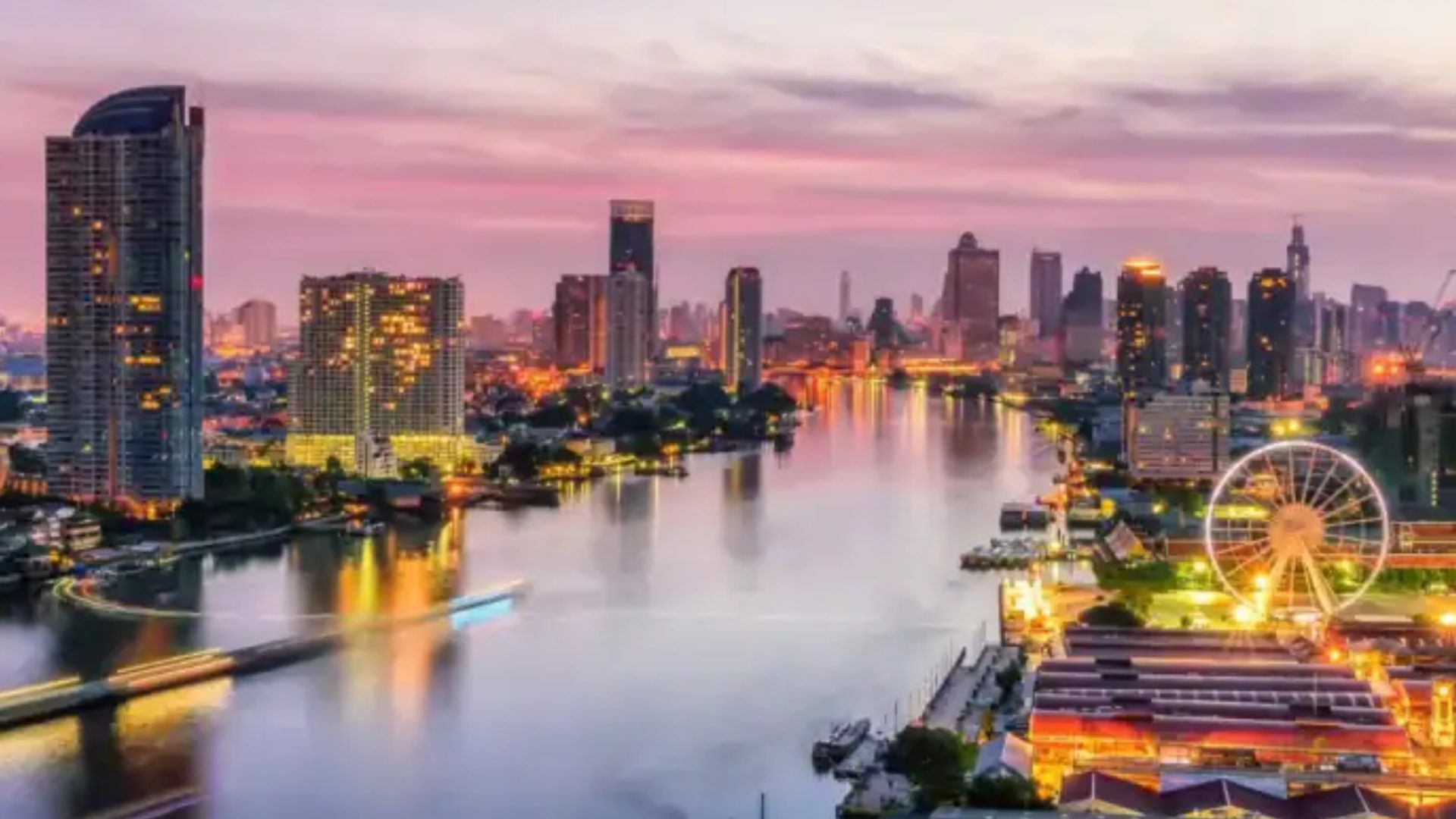
Across Asia and the Middle East particularly, this acceleration is unfolding against a backdrop of increasing geopolitical uncertainty, economic volatility and environmental pressure. Energy instability, supply chain disruption and rapidly shifting market conditions are reshaping how cities, businesses and hospitality destinations plan for the future. Projects are no longer being designed for stability alone, but for continual adaptation within an increasingly unpredictable global environment.
Governments across the Gulf continue investing aggressively in transformation agendas and digital infrastructure, while Southeast Asian cities evolve at extraordinary speed. At the same time, businesses are being forced to rethink long-term resilience amid rising operational costs, procurement uncertainty and changing patterns of travel, work and urban life.
This shift is becoming visible across every sector.
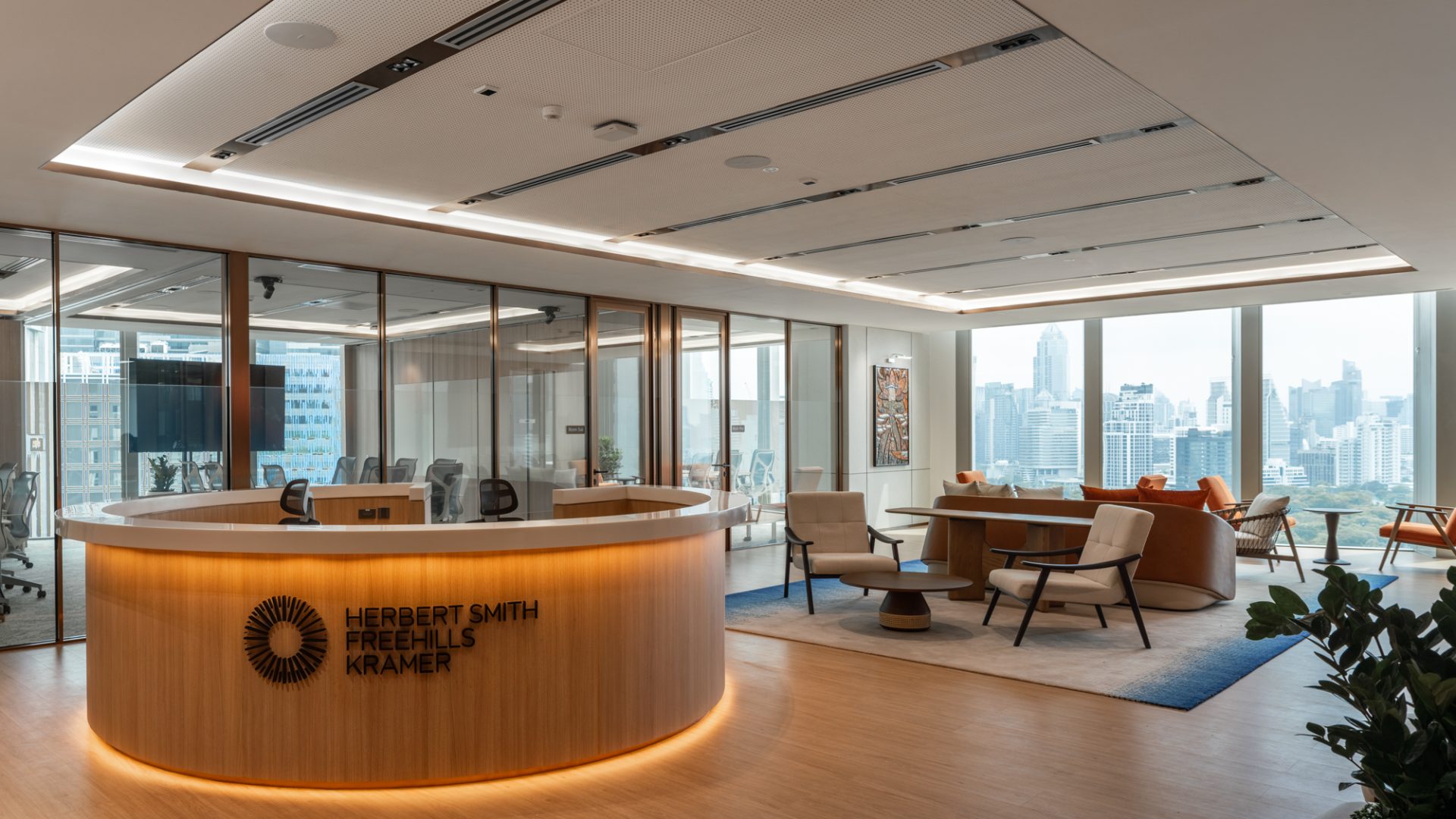
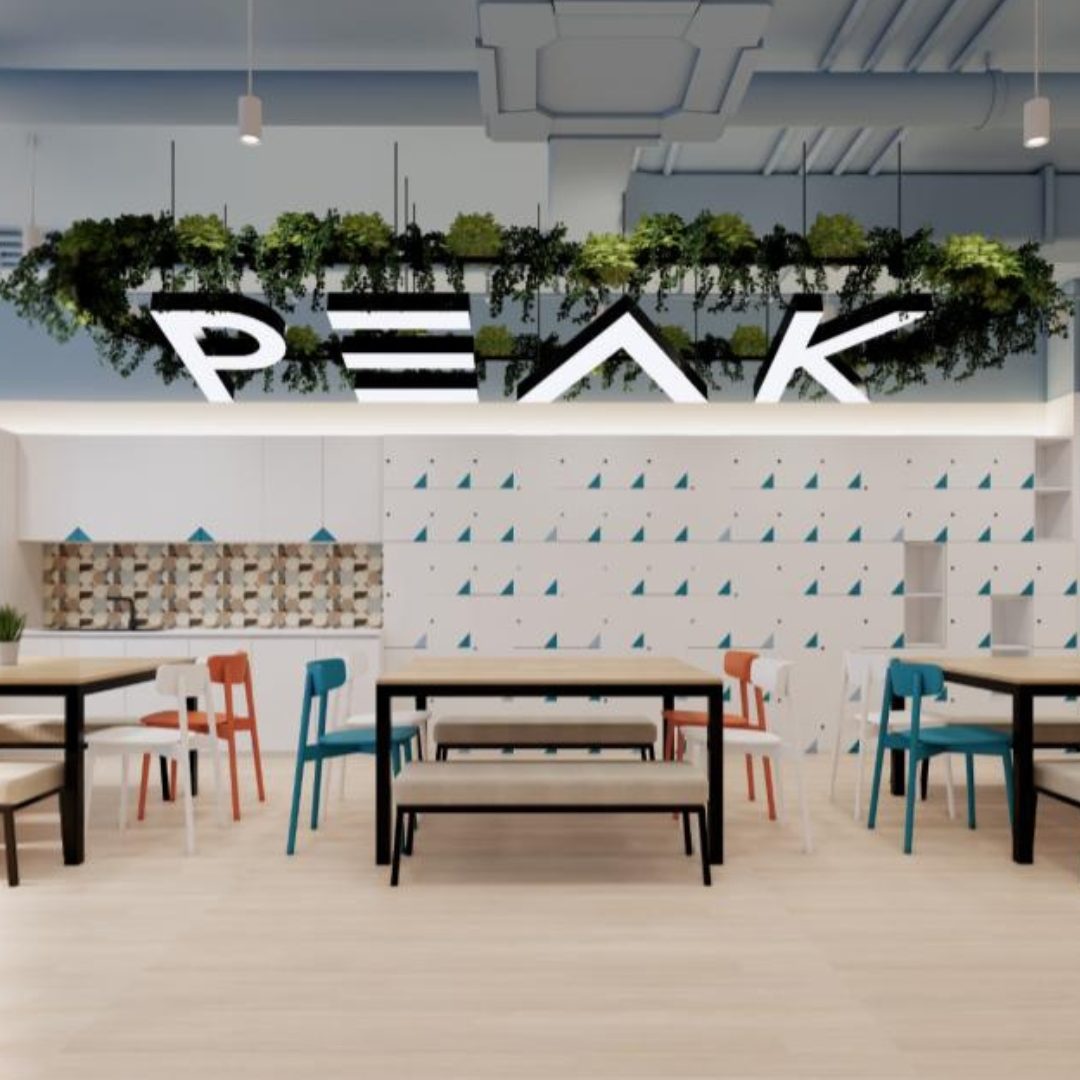
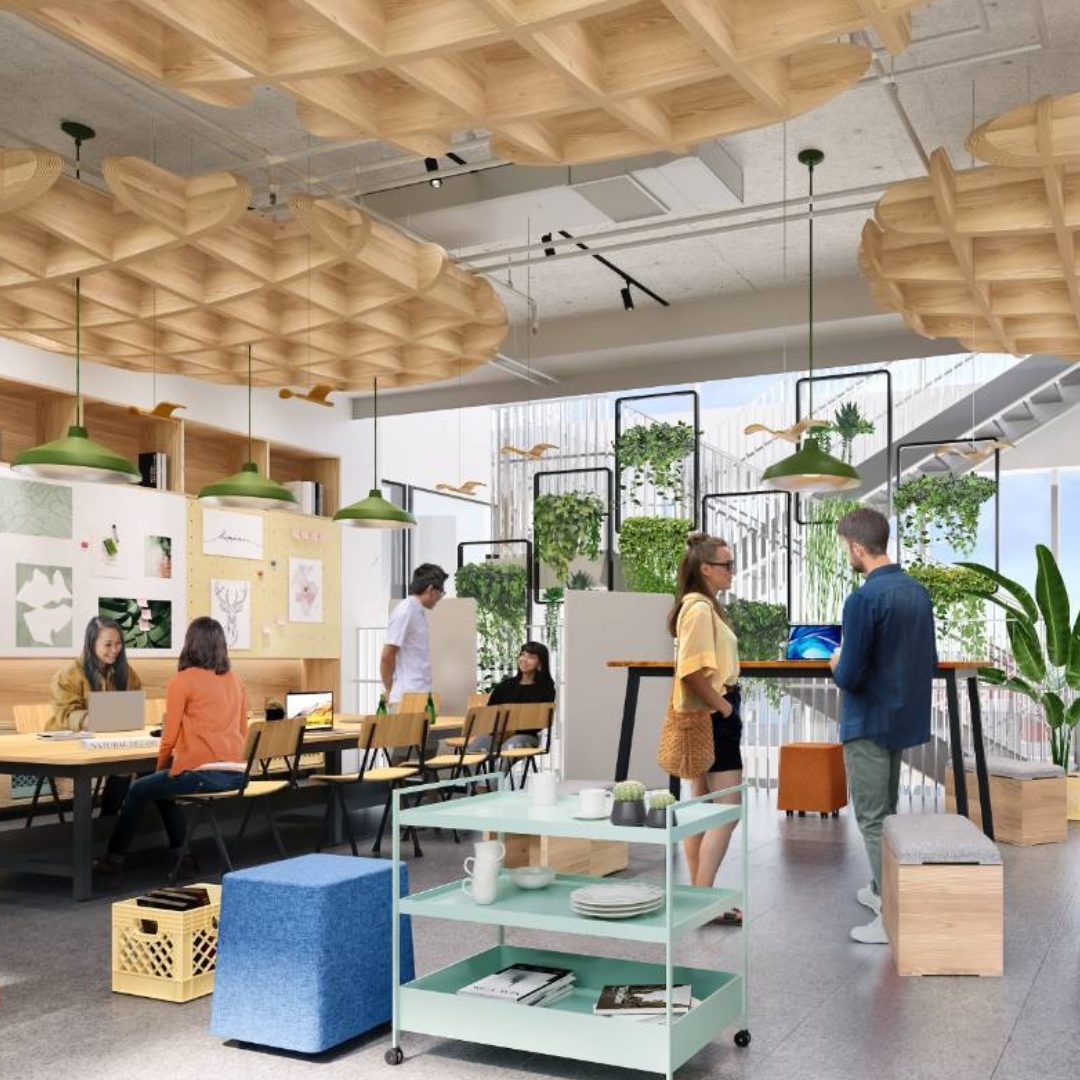
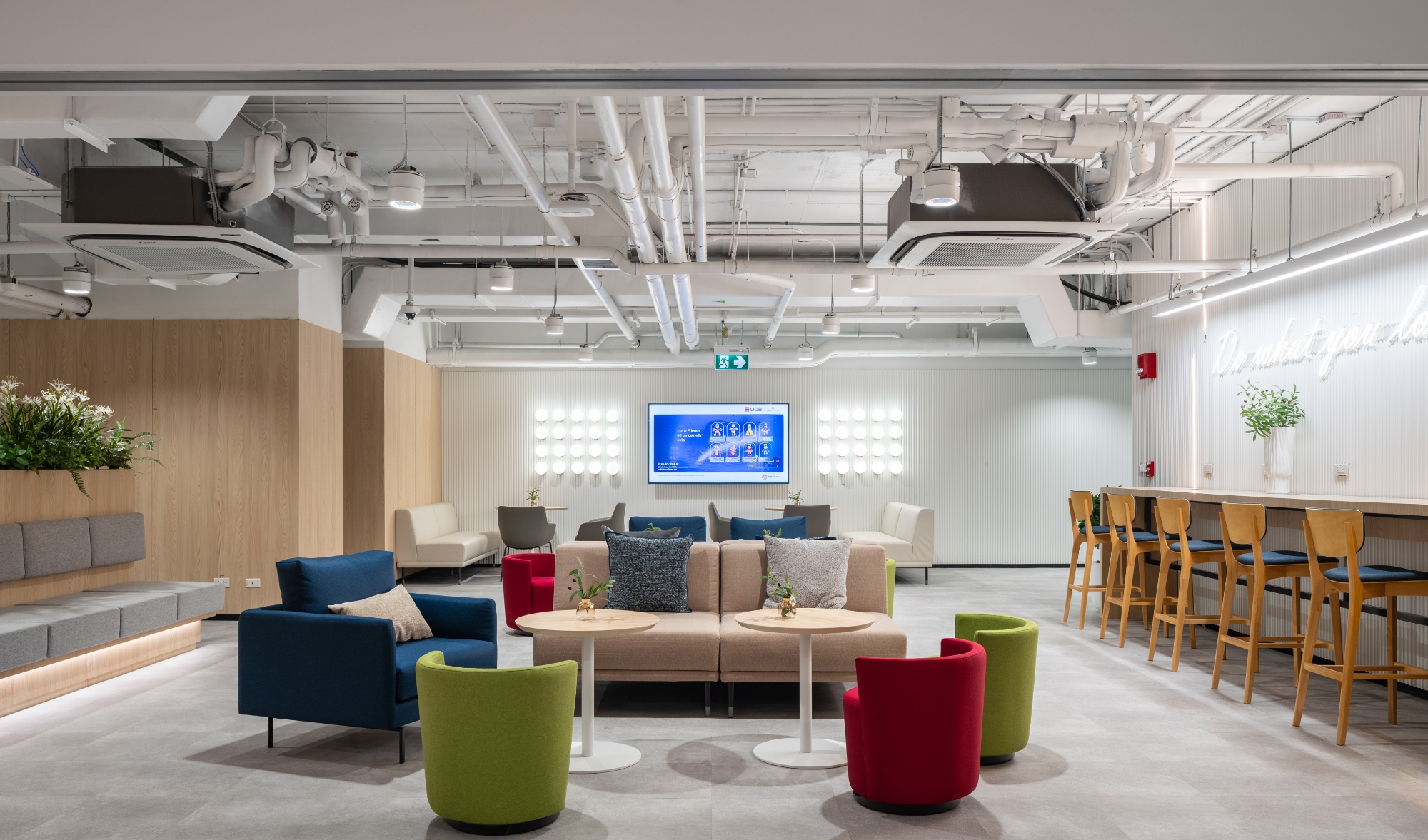
In workplace design, projects such as UOB Sathorn and the Watsons Thailand Headquarters reflect a growing demand for environments that function less as static offices and more as adaptable ecosystems; spaces designed to evolve alongside changing workforce behavior, technology integration and organizational culture. Flexibility is no longer simply a workplace trend. It is increasingly tied directly to long-term business resilience.
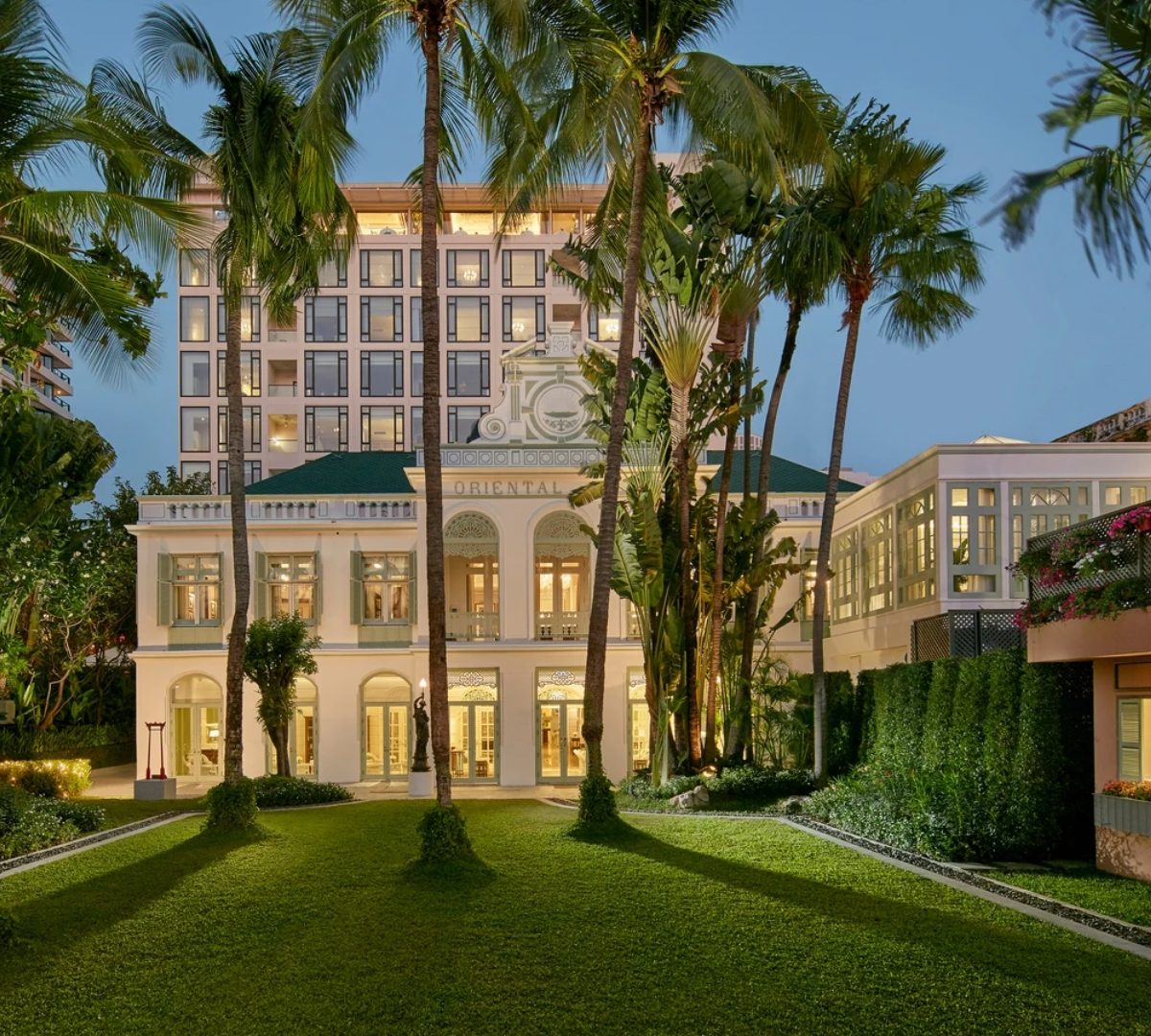
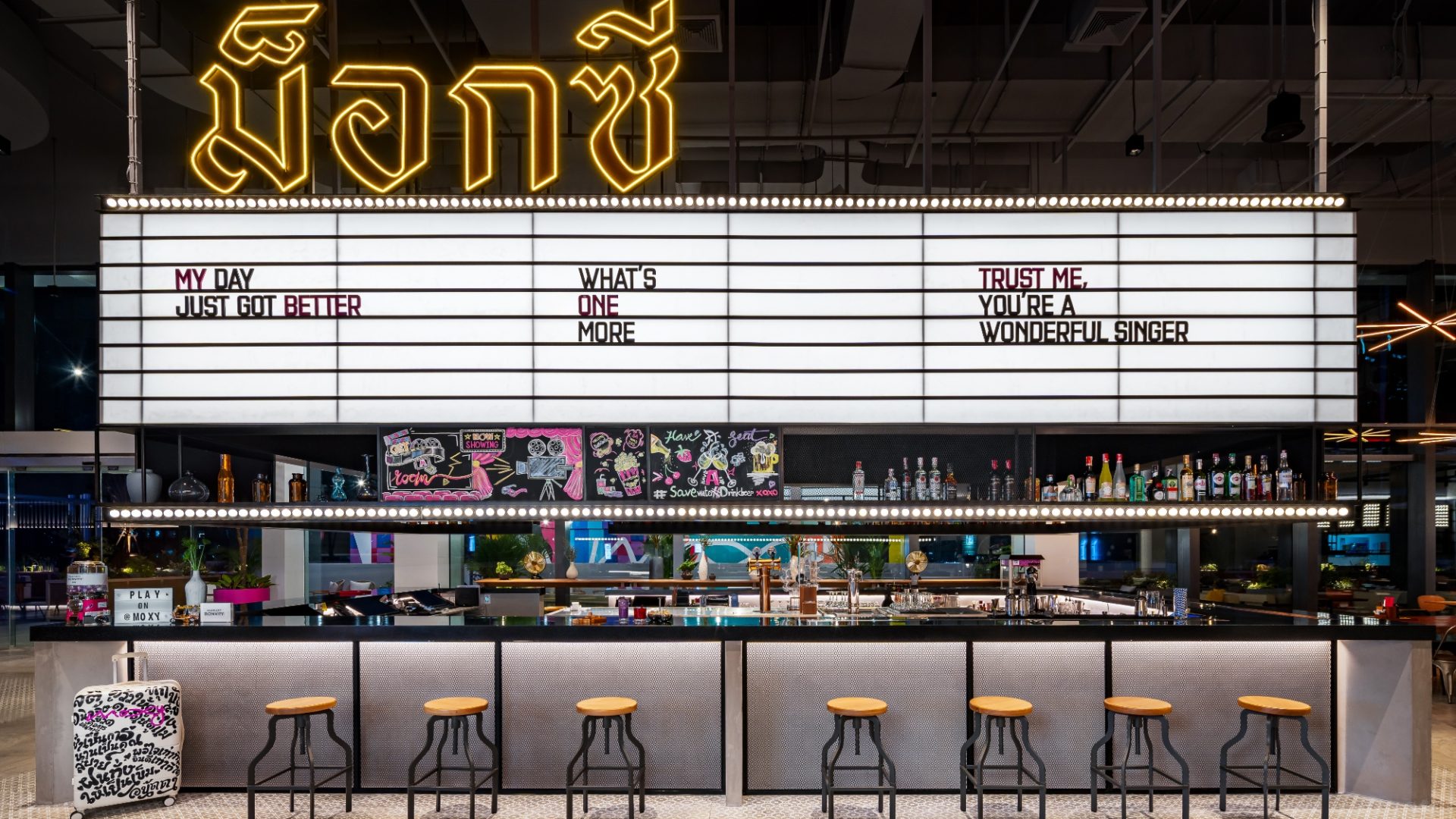
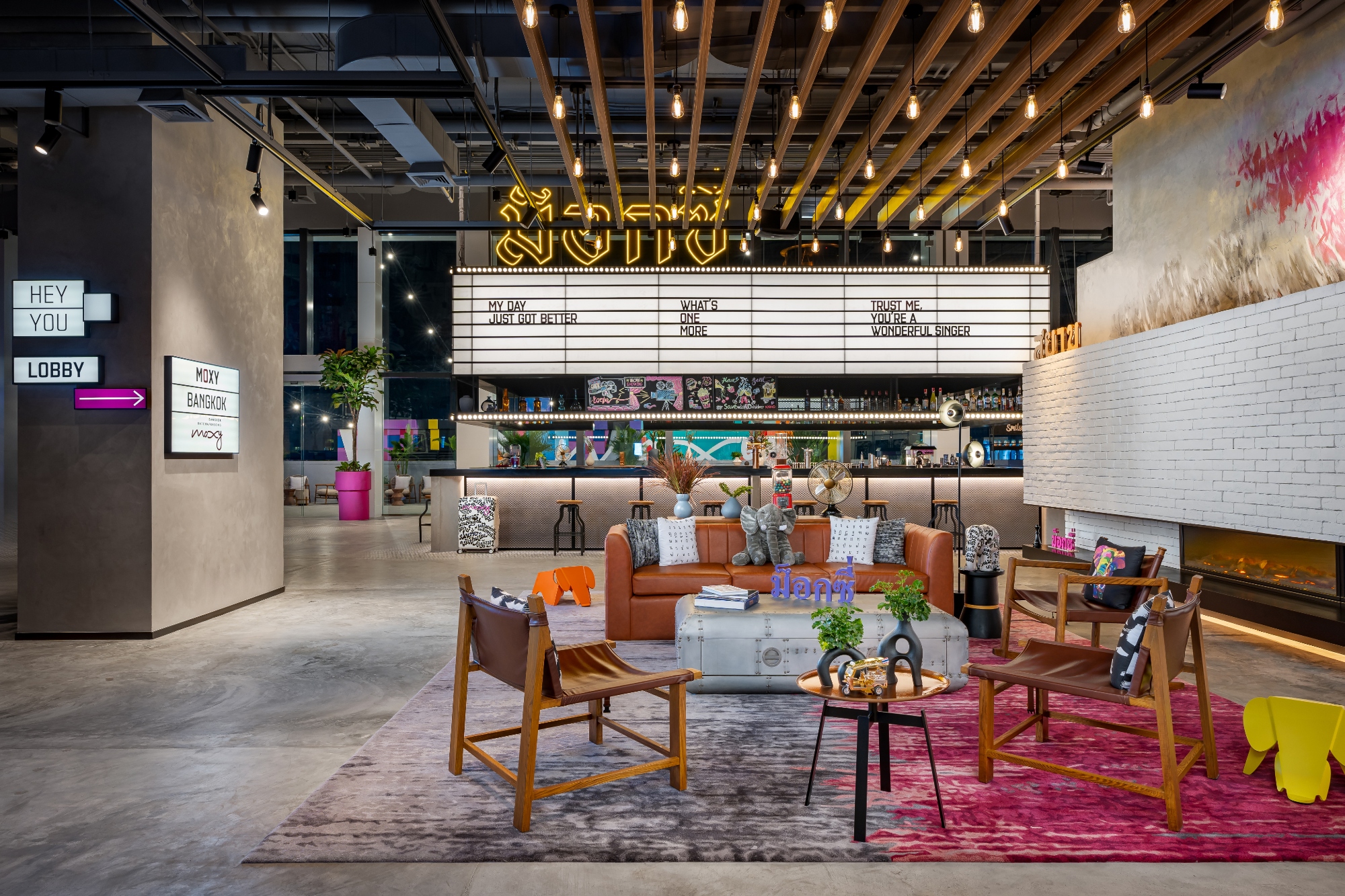
Within hospitality, destinations such as Moxy Bangkok Ratchaprasong demonstrate how hotels are increasingly being conceived as flexible social environments rather than purely accommodation-driven assets.Hospitality spaces are now expected to adapt continuously to changing guest expectations, fluctuating tourism patterns and evolving urban lifestyles, while still maintaining a clear sense of identity and emotional connection.
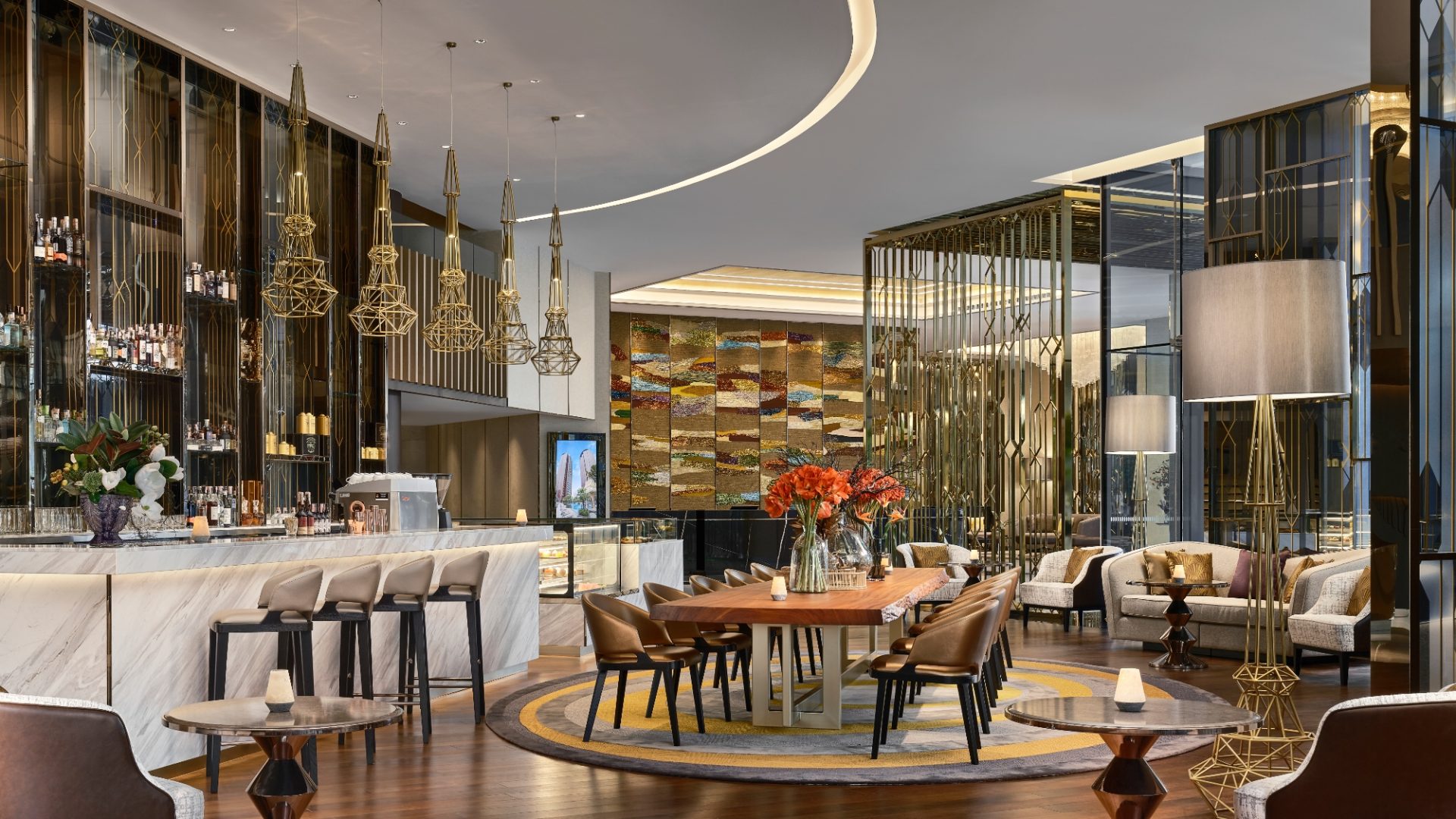
At an urban scale, developments such as Cloud 11 reveal how mixed-use environments are also being redefined around flexibility, content creation, wellness and constantly shifting patterns of occupation. Increasingly, the emphasis is no longer simply on permanence, but on creating environments capable of remaining culturally and commercially relevant over time.
Tags: Abu dhabi, Agile workspace, Archi, Architect, Architecture, Artist, Asia, Bangkok, Bar, BIM, Blog, Boutique, Business, Civic, Construction, Content, Creativity, Culture, Design, Designer, Digital, Digital technology, Digital transformation, Digitisation, Drink, Dubai, Education, Experience, F&B, Food, Future, Health, Hicap, Ho chi minh, Hospitality, Hotel, Hotel design, Information, Innovation, Interior, Interior design, Interior designer, Interview, Knowledge, Lebua, Lifestyle, Luxury, Luxury design, Luxury interior, Marriott, Profile, Residential, Restaurant, Saigon, Sky, Studio, Success, Sustainibility, Tech, Technology, Thailand, Trends, Video, Vietnam, W hotel, Women