Why Great Workplaces Are Designed Around Choice?
For decades, workplace design was largely measured by efficiency.
How many people could fit on a floor? How many desks were required? How much space could be optimised?
Today, the conversation has fundamentally changed.
The workplace is no longer competing with the office next door. It is competing with every place people can work.
As organisations continue to navigate changing expectations around flexibility, wellbeing, and collaboration, the role of the office has evolved from somewhere employees have to be into somewhere they actively choose to be.
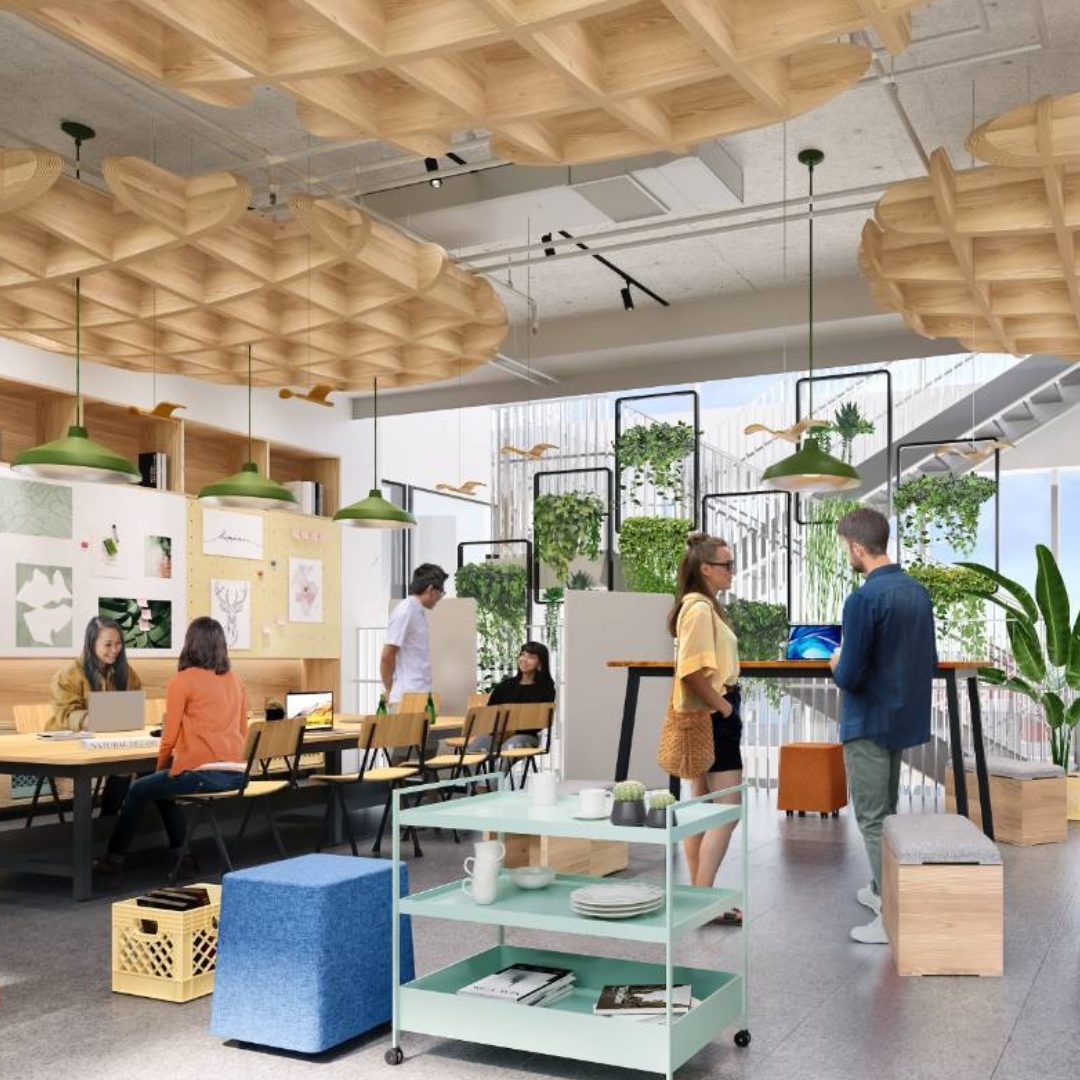
Research reflects this shift. A recent survey found that employees who have greater choice over where and how they work are significantly more likely to believe their workplace supports productivity, collaboration, and their overall experience. Meanwhile, organisations across the globe are redesigning their workplaces around activity-based settings rather than fixed desk allocations, recognising that different tasks require different environments.
The future workplace is no longer about fitting more desks into less space.
It is about creating spaces that perform.
Designing for Performance, Not Presence
One of the biggest misconceptions about workplace design is that flexibility means removing structure.
In reality, the most successful workplaces are carefully choreographed environments that provide people with the right setting for the task at hand.
Deep concentration requires something very different from brainstorming.
A confidential client call demands a different environment to an informal team discussion.
The best workplaces acknowledge that employees move through multiple modes of work every day, and the environment should evolve with them.
That philosophy became the foundation for dwp.’s design of the PUUN Intelligent Office.
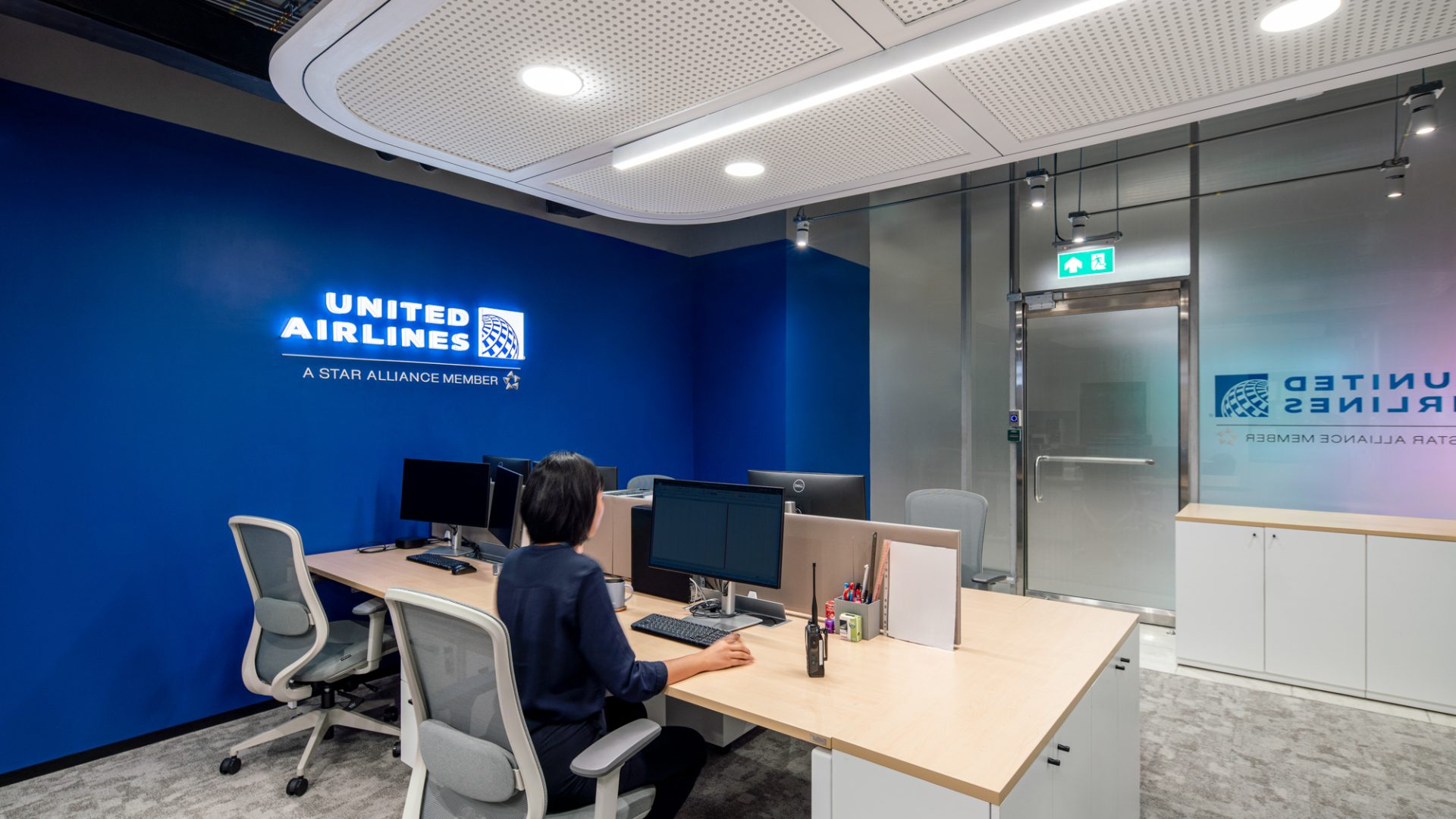
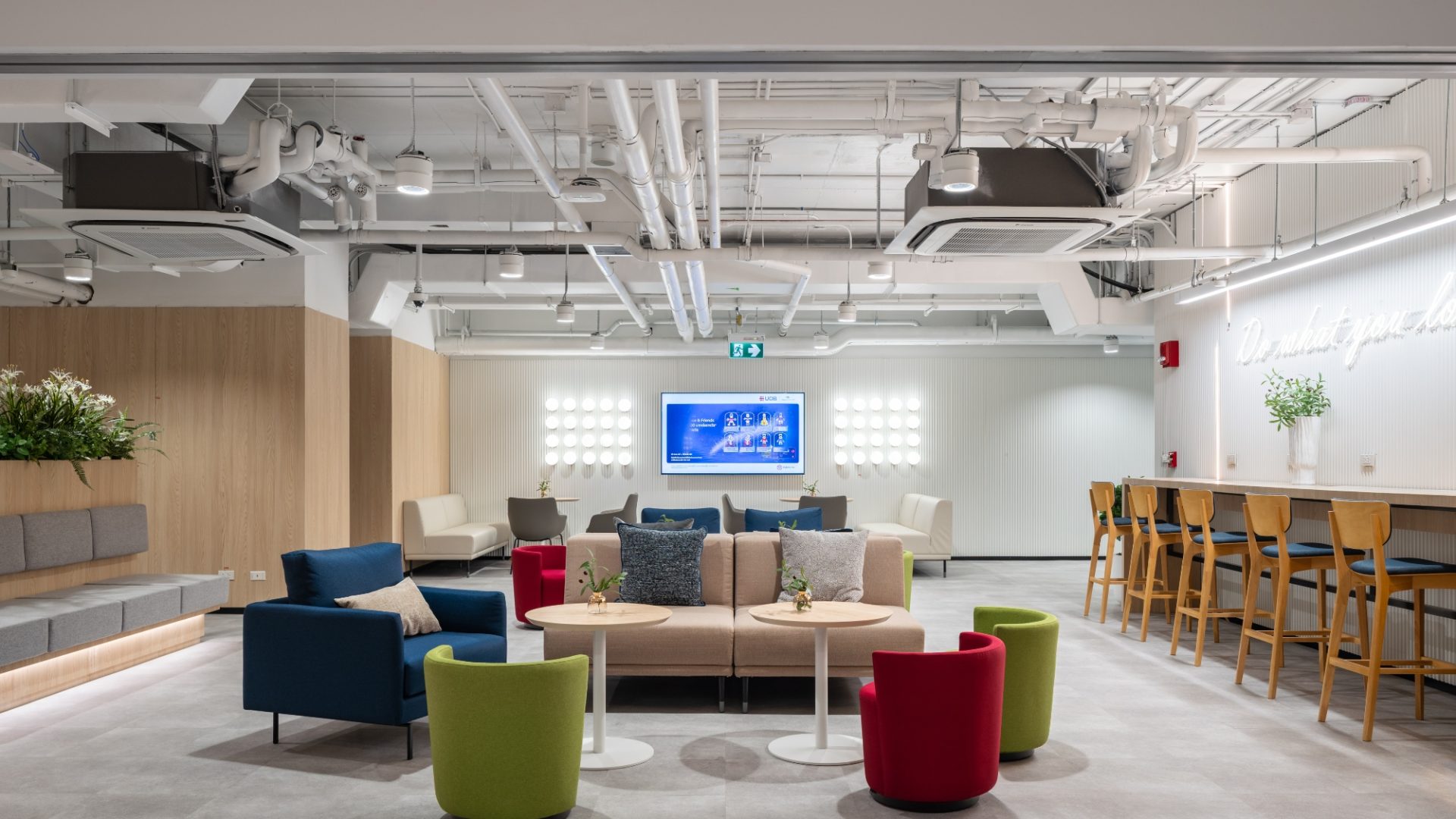
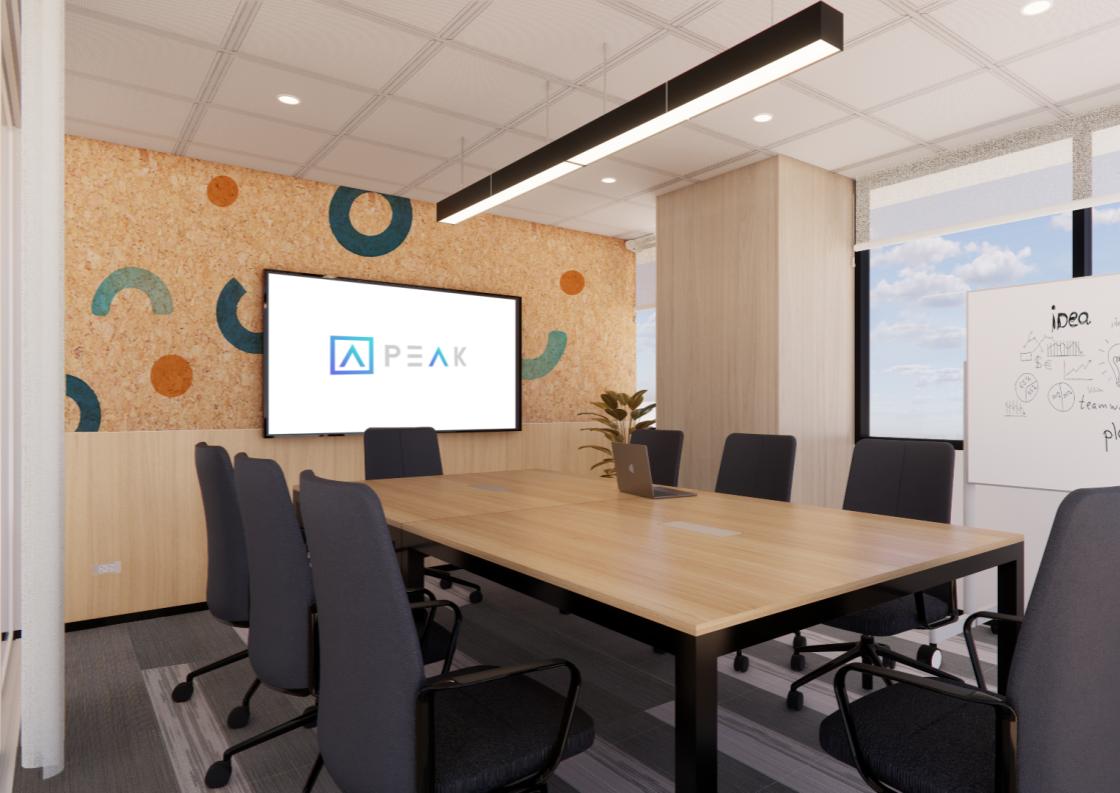
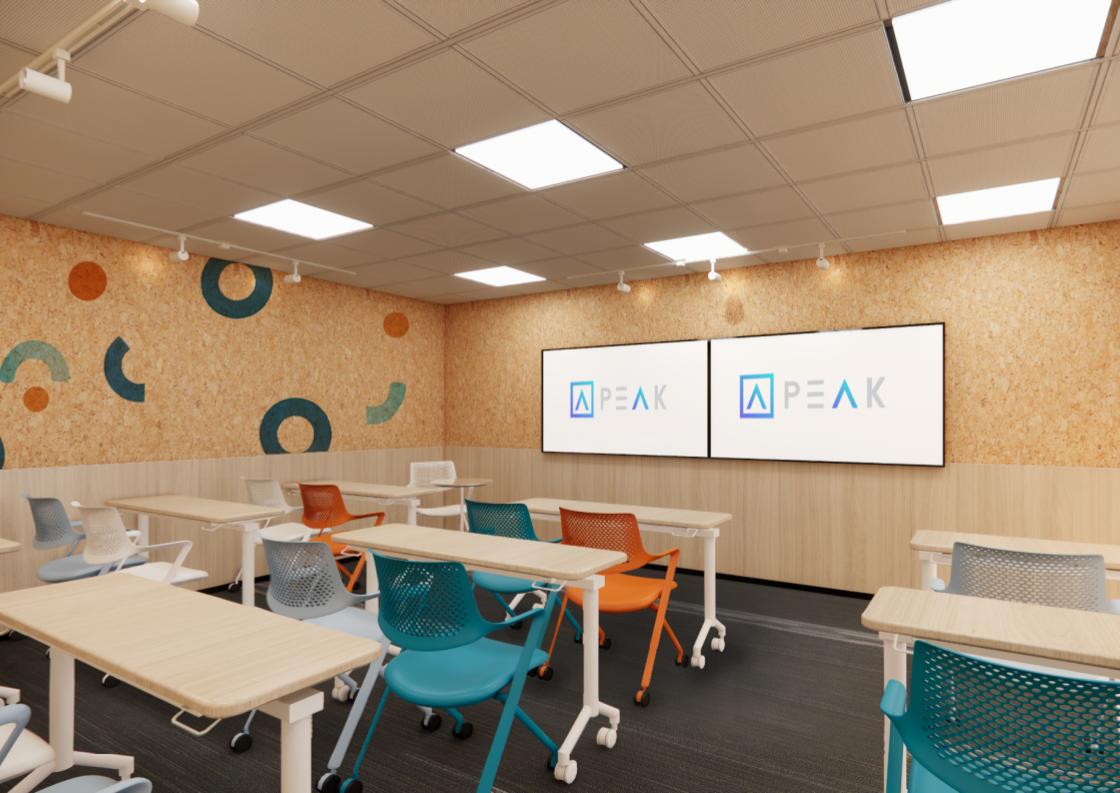
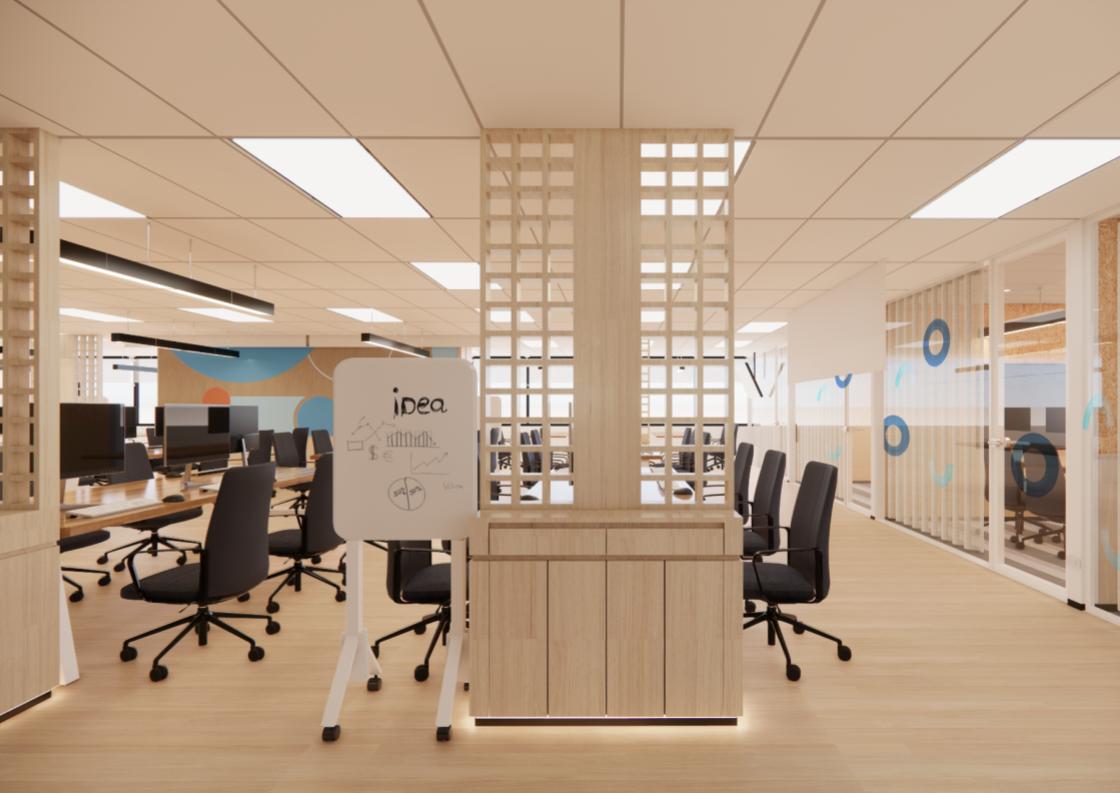
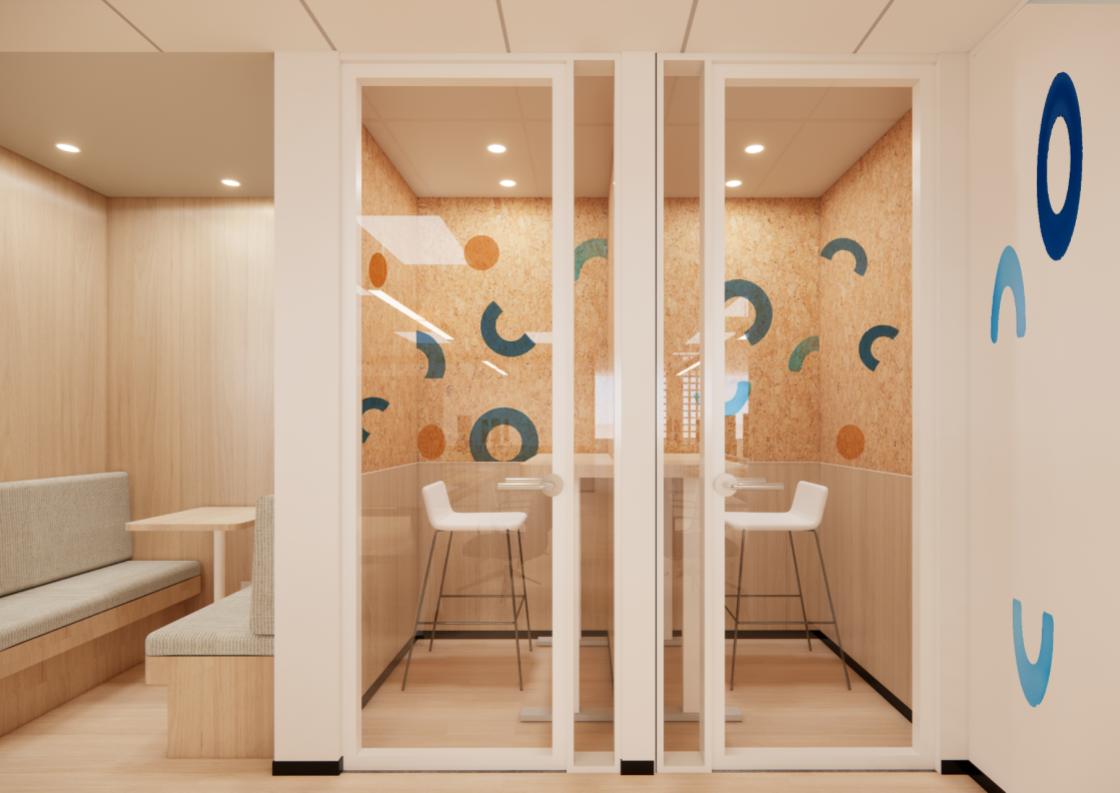
Rather than relying on a traditional open-plan office, the workplace is organised around a series of interconnected environments including focus pods, phone booths, collaborative spaces and quiet zones. Each area supports a different type of activity while allowing employees to transition naturally throughout the day.
Instead of designing around furniture, the workplace is designed around behaviour.
When Brand Shapes the Workplace
Brand identity has traditionally been expressed through graphics, logos, and colour palettes.
Today’s workplaces demand something more meaningful.
Employees experience a brand every day through the spaces they occupy, the way teams interact and the environments that support their work.
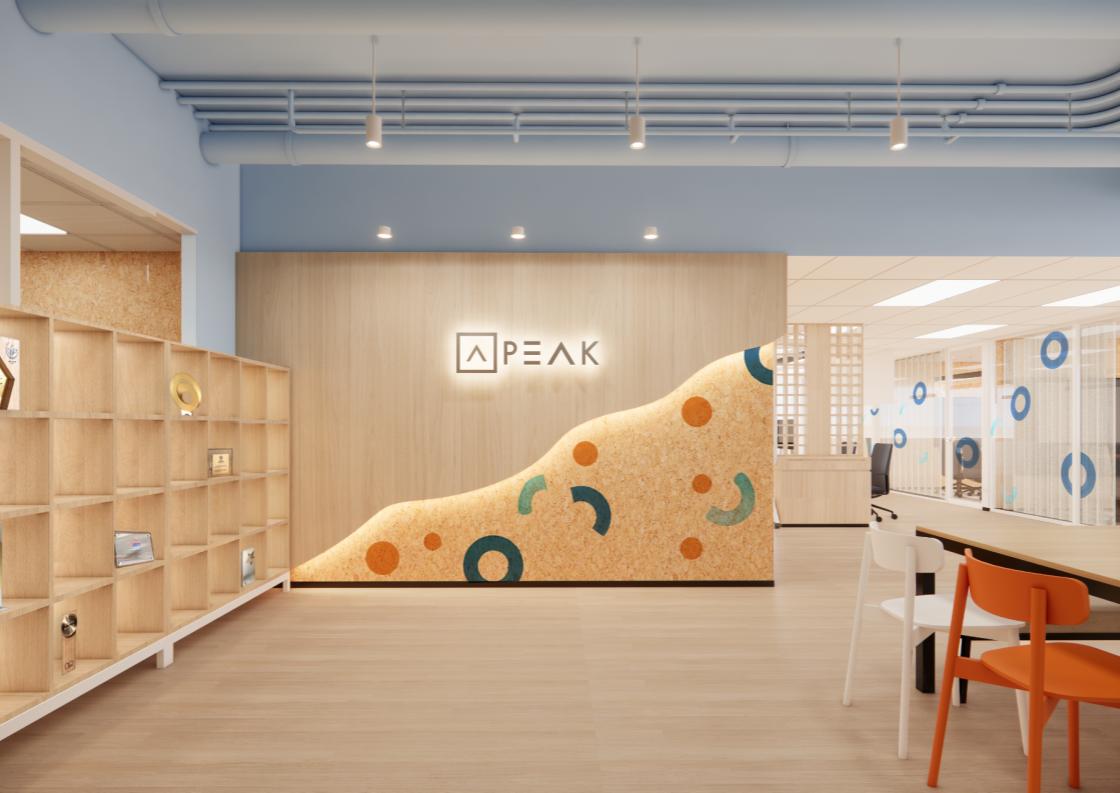
For PUUN, the design concept emerged from a simple but powerful idea: “From a skyline vantage, the space shows how every system connects.”
This became more than a visual inspiration.
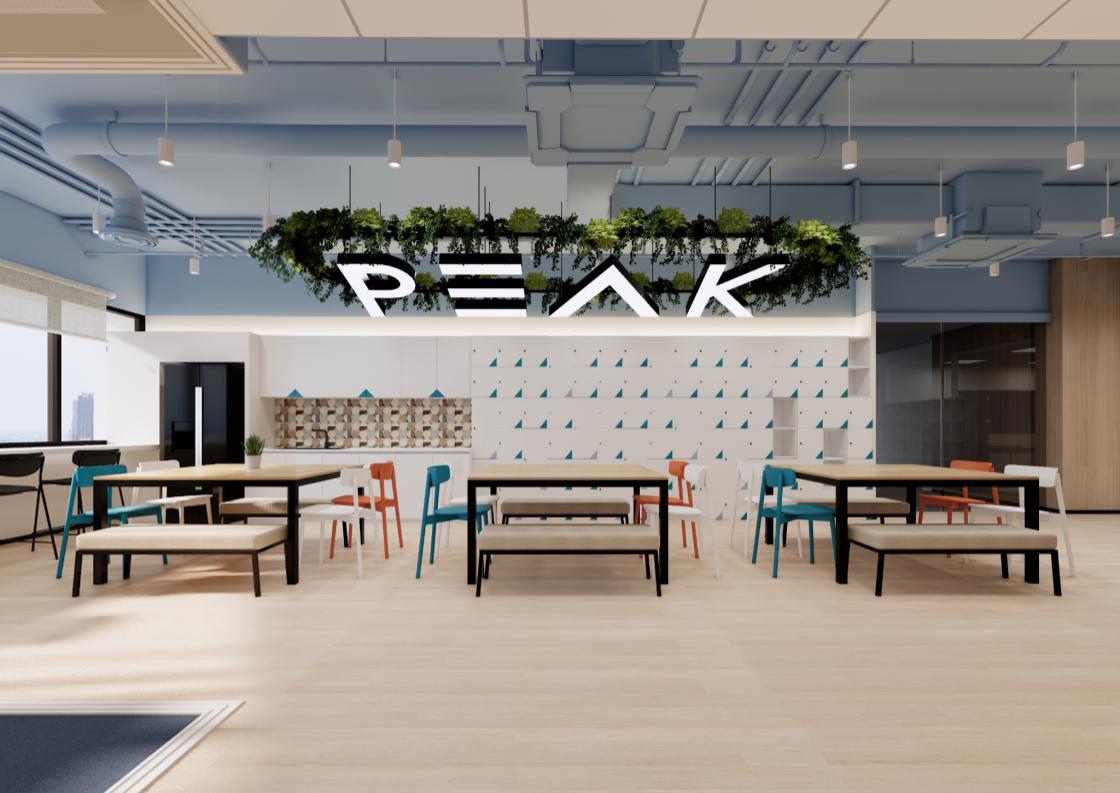
Horizon-inspired forms establish a clear rhythm throughout the office, while integrated lighting creates intuitive wayfinding and spatial continuity. A bespoke illuminated feature becomes both an architectural focal point and a platform for internal communication.
Rather than decorating the workplace with branding, the workplace itself becomes an expression of the brand.
Sustainability Starts with Better Decisions
Sustainability is often associated with new materials and emerging technologies.
Increasingly, however, it begins with asking a different question:
What can already be used?
Across the commercial real estate sector, organisations are seeking smarter ways to balance workplace investment with environmental responsibility. Many are prioritising refurbishment, adaptive reuse and higher-performing workplaces over complete replacement, recognising that thoughtful design can deliver both commercial and environmental value.
Within the PUUN Intelligent Office, existing architectural and interior elements were carefully retained and integrated into the new design, reducing waste while making more effective use of the project budget.
Combined with durable infrastructure, including acoustic ceiling and energy-efficient lighting, the result is a workplace that considers long-term performance as carefully as its visual identity.
The Office as a Strategic Asset
Perhaps the biggest shift taking place is not in furniture or technology.
It is in the mindset.
Leading organisations are beginning to view the workplace less as an operational cost and more as a strategic business asset.
A well-designed workplace supports collaboration. It reinforces culture. It strengthens brand identity. It improves employee experience. And increasingly, it influences whether talented people choose to stay.
Research suggests that employees who rate their workplace highly are substantially more likely to feel engaged, valued, and committed to their organisation. The office is no longer simply where work happens. It has become an important contributor to organisational performance and employee retention.
Looking Beyond the Project
The PUUN Intelligent Office is more than a completed workplace.
It reflects a broader evolution in how organisations think about the office itself.
The future workplace won’t be defined by rows of desks or impressive reception spaces.
It will be defined by how effectively it enables people to focus, collaborate, innovate, and connect.
Because ultimately, the most successful workplaces are not designed around space.
They are designed around people.
Tags: Abu dhabi, Agile workspace, Archi, Architect, Architecture, Artist, Asia, Bangkok, Bar, BIM, Blog, Boutique, Business, Civic, Construction, Content, Creativity, Culture, Design, Designer, Digital, Digital technology, Digital transformation, Digitisation, Drink, Dubai, Education, Experience, F&B, Food, Future, Health, Hicap, Ho chi minh, Hospitality, Hotel, Hotel design, Information, Innovation, Interior, Interior design, Interior designer, Interview, Knowledge, Lebua, Lifestyle, Luxury, Luxury design, Luxury interior, Marriott, Profile, Residential, Restaurant, Saigon, Sky, Studio, Success, Sustainibility, Tech, Technology, Thailand, Trends, Video, Vietnam, W hotel, Women