The Art of Knowing What Not to Change
Lessons in longevity from one of Asia’s most iconic hotels
In an industry driven by reinvention, the Mandarin Oriental Bangkok offers a different lesson: lasting success is not about changing everything, but about knowing what is worth keeping.
For almost 150 years, the hotel has remained one of the world’s most respected hospitality destinations, welcoming generations of guests through shifting eras of travel, culture and luxury. While trends, expectations and technology have changed, the hotel’s identity has stayed rooted in service, cultural refinement and a strong sense of place along the Chao Phraya River.
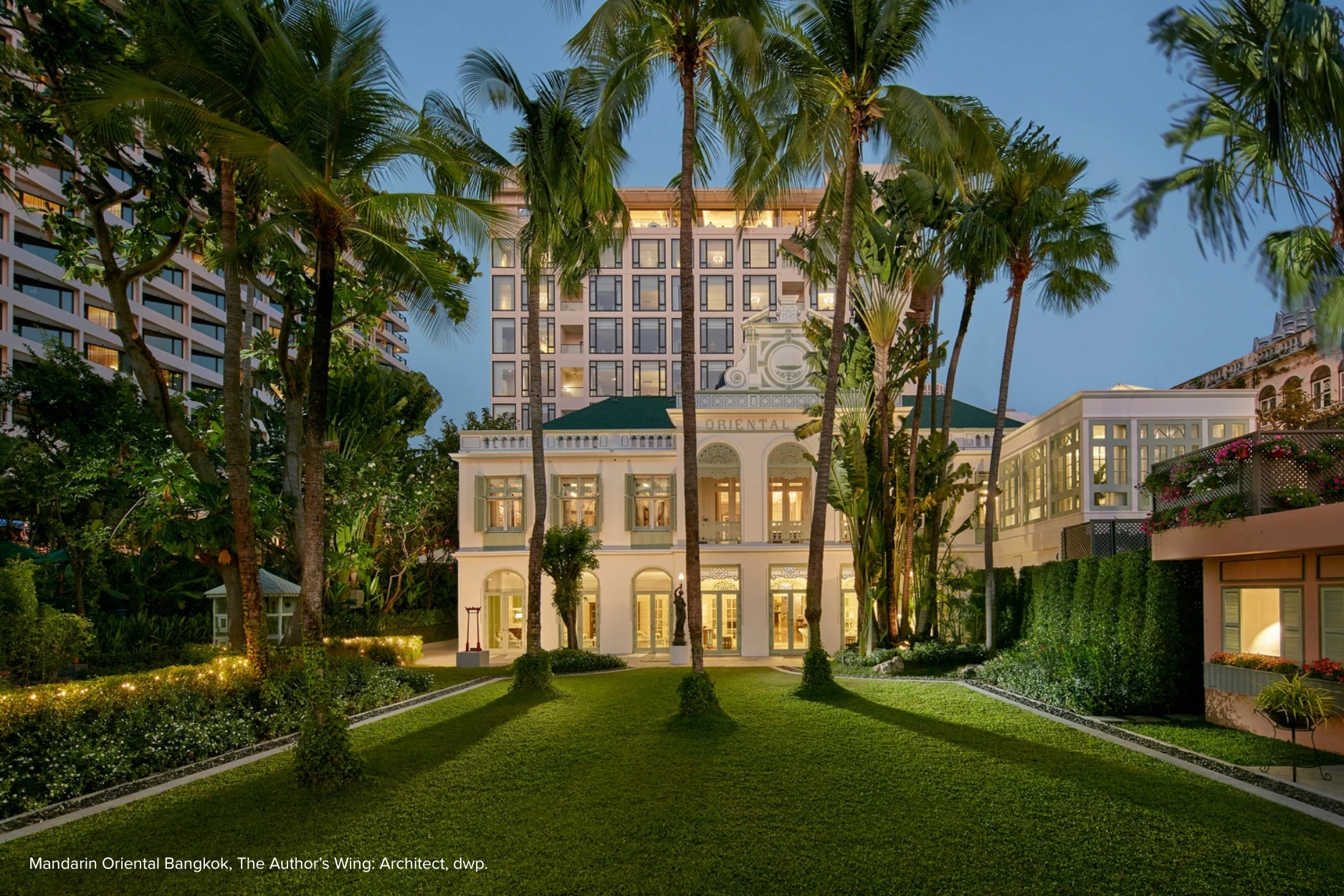
Nowhere is this clearer than in the historic Authors’ Wing. Built in 1876, it still celebrates the writers who once stayed there, with suites named for Joseph Conrad, Somerset Maugham, Noël Coward and James Michener. The stories that shaped the hotel generations ago remain part of the guest experience today.
This philosophy of measured evolution has also shaped dwp.’s long relationship with the property. For nearly two decades, dwp. has served as architect on the hotel’s ongoing development, across a series of refurbishment and enhancement projects. Beginning with the Authors’ Wing and Garden Wing, the work has since extended to the River Wing, the Verandah and Riverside Terrace, and more recently to China House, Le Normandie and the Fitness & Wellness Centre.
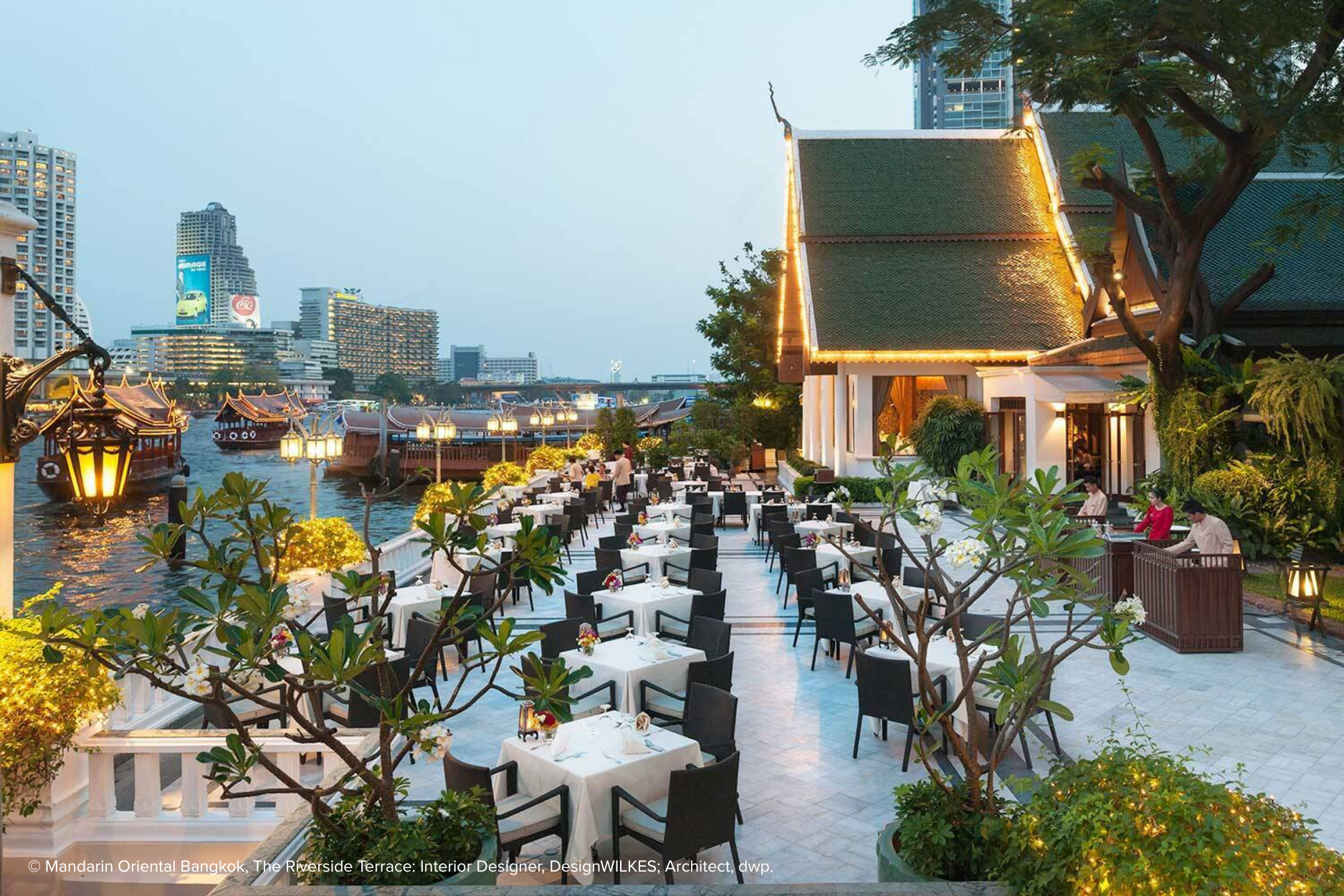
Each project has required a careful balance between preservation and progress. At the Authors’ Wing, façade restoration safeguarded the building’s colonial character while meeting modern performance requirements. At China House, the work refreshed one of Bangkok’s most recognisable dining rooms while keeping the architectural identity that has made it a landmark.
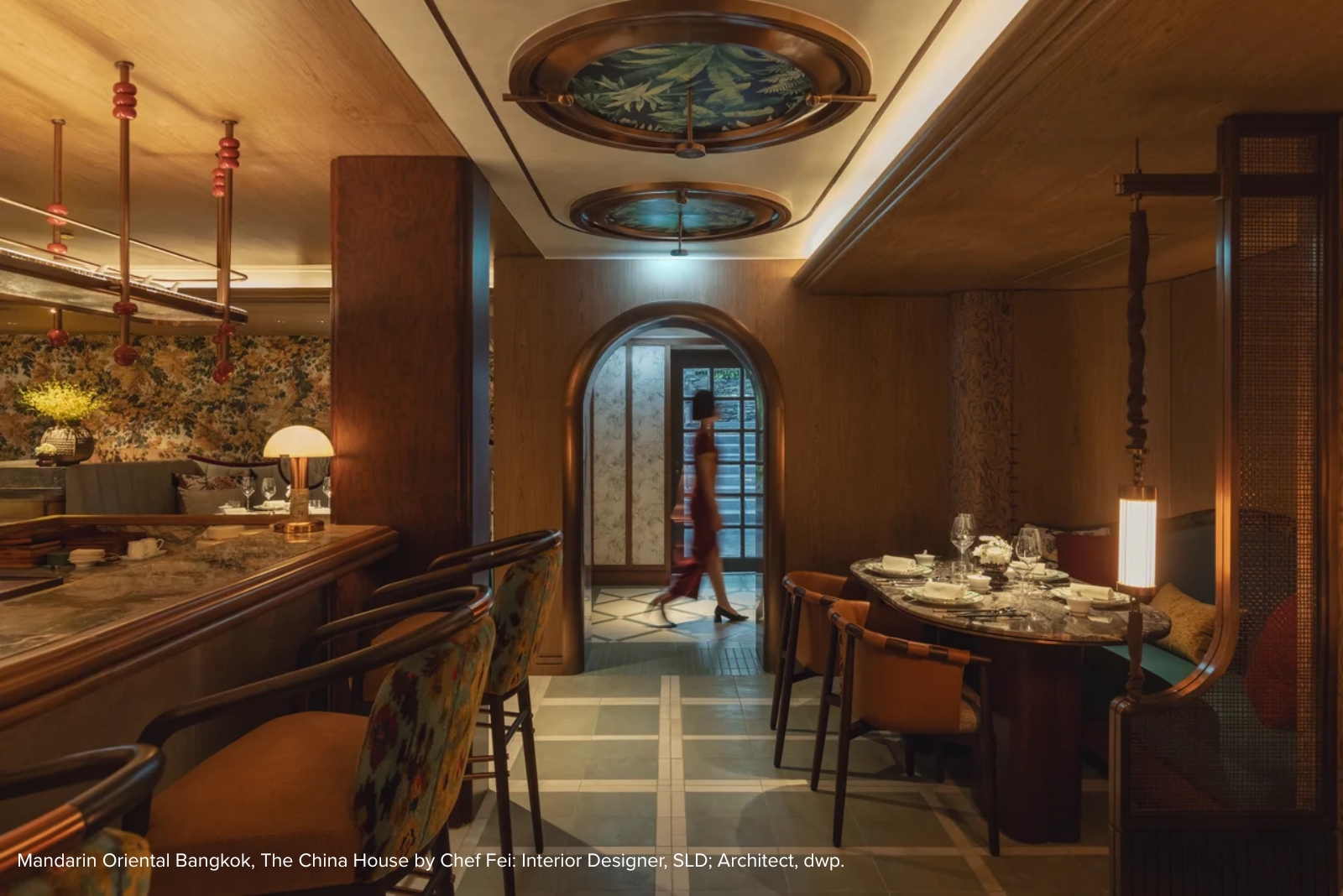
The role has never been about imposing a new vision on the property. dwp.’s approach has relied on close collaboration with ownership, operators and design teams, supported by a deep understanding of the hotel’s heritage and operational needs — which is what has allowed consistent delivery across complex, heritage-led upgrades.
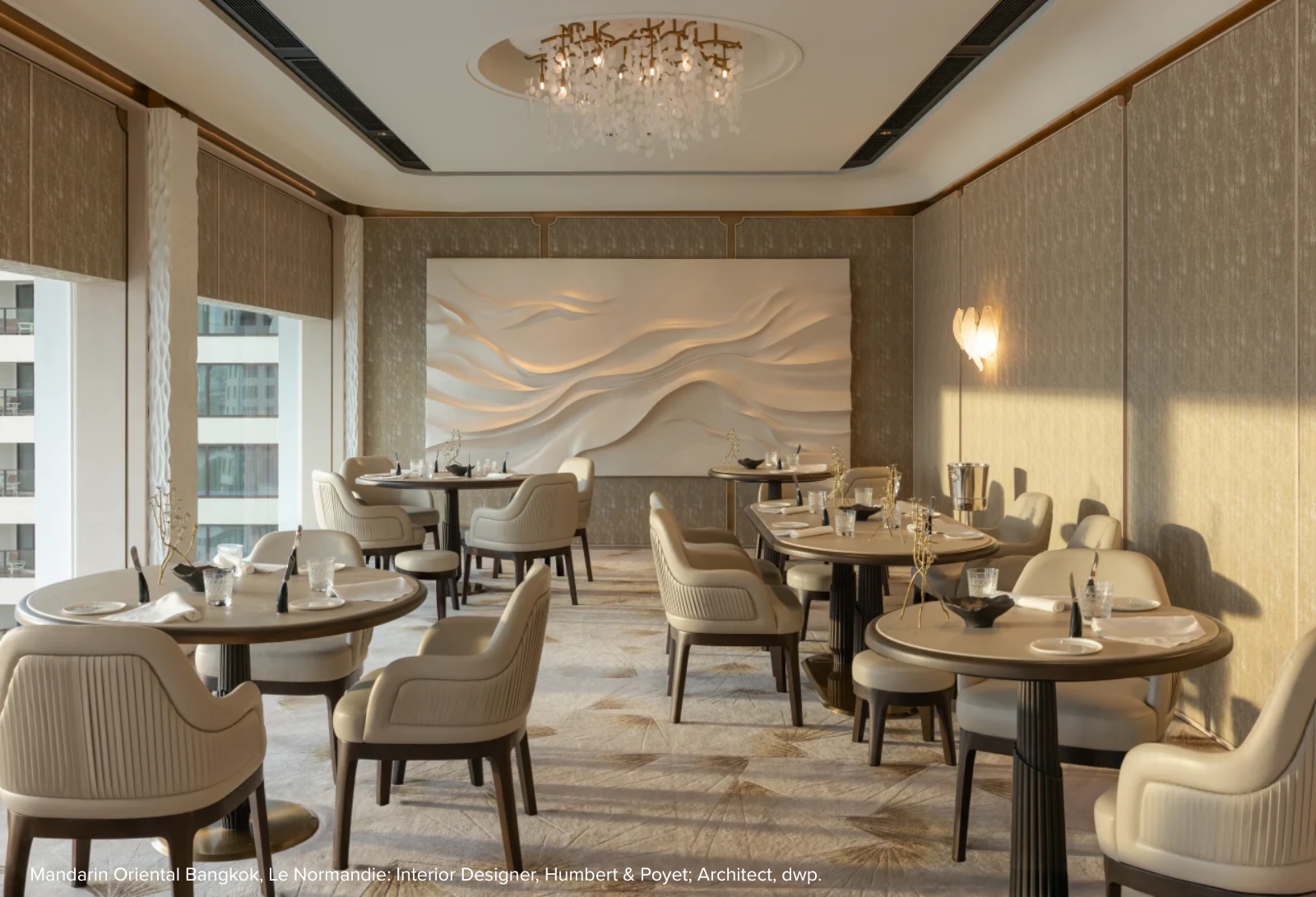
Every intervention follows the same principle: allowing the hotel to evolve without losing the qualities that define it. It is a challenge many hospitality brands now face. How do you stay contemporary without sacrificing authenticity? How do you improve the guest experience while preserving the connections that bring guests back?
The Mandarin Oriental Bangkok shows that successful evolution is rarely about abandoning identity. More often, it is about understanding it more deeply — and recognising that authenticity, craftsmanship and emotional connection do not lose value over time.
That may be the real measure of timeless hospitality: not resisting change, but knowing exactly what should not change.
Tags: Abu dhabi, Agile workspace, Archi, Architect, Architecture, Artist, Asia, Bangkok, Bar, BIM, Blog, Boutique, Business, Civic, Construction, Content, Creativity, Culture, Design, Designer, Digital, Digital technology, Digital transformation, Digitisation, Drink, Dubai, Education, Experience, F&B, Food, Future, Health, Hicap, Ho chi minh, Hospitality, Hotel, Hotel design, Information, Innovation, Interior, Interior design, Interior designer, Interview, Knowledge, Lebua, Lifestyle, Luxury, Luxury design, Luxury interior, Marriott, Profile, Residential, Restaurant, Saigon, Sky, Studio, Success, Sustainibility, Tech, Technology, Thailand, Trends, Video, Vietnam, W hotel, Women