Designing Through Disruption
How uncertainty is reshaping the design process across Asia and the Gulf
Disruption is no longer an exception within the design industry. It has become part of the operating environment.
Across Asia and the Middle East, geopolitical uncertainty, economic volatility and shifting supply chain conditions are fundamentally changing how projects are conceived, delivered and experienced. Rising energy costs, fluctuating material availability, shipping instability and evolving procurement timelines are forcing both designers and clients to rethink traditional approaches from the earliest stages of a project.
What was once considered temporary disruption is increasingly becoming a long-term condition of the market.
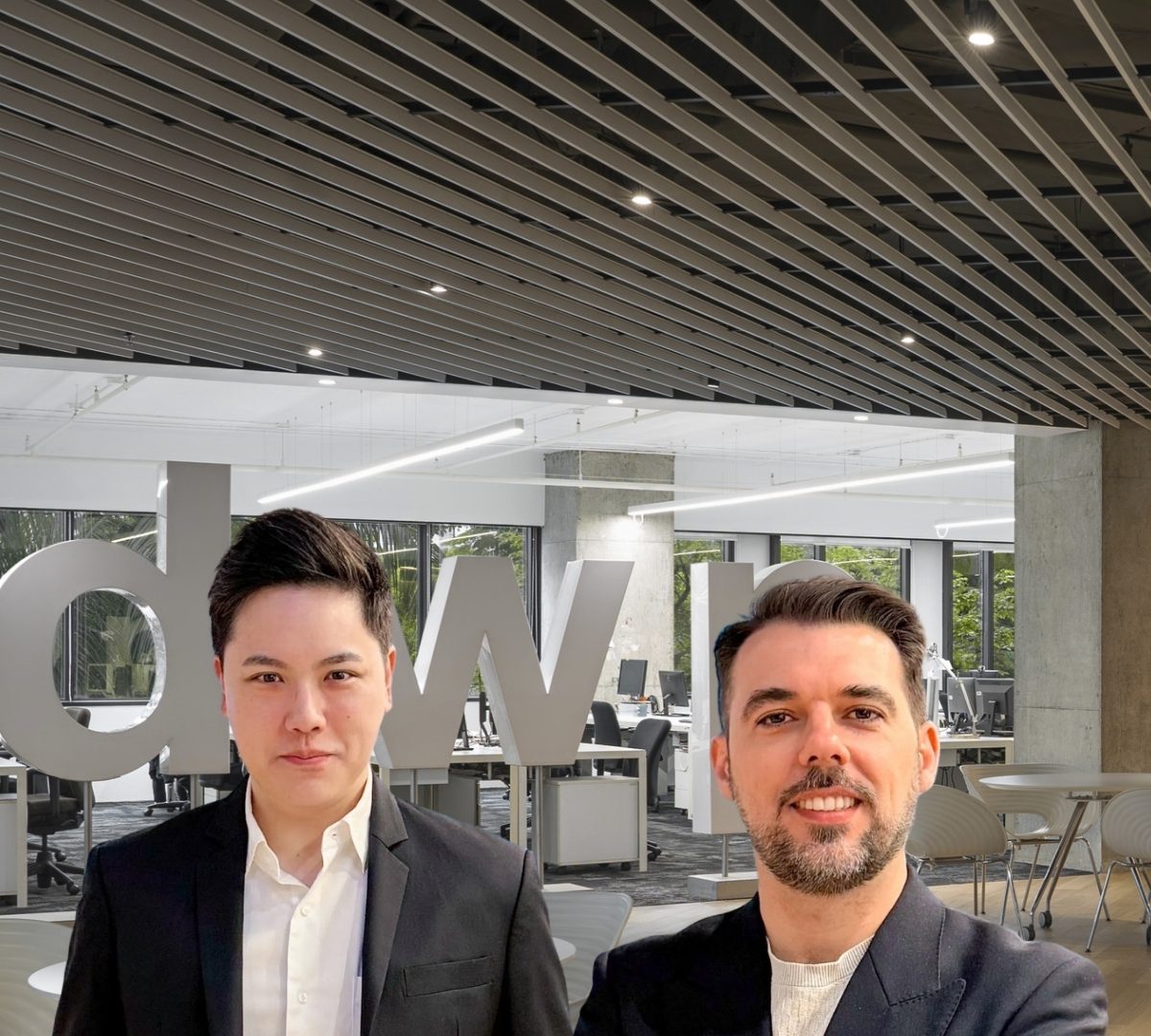
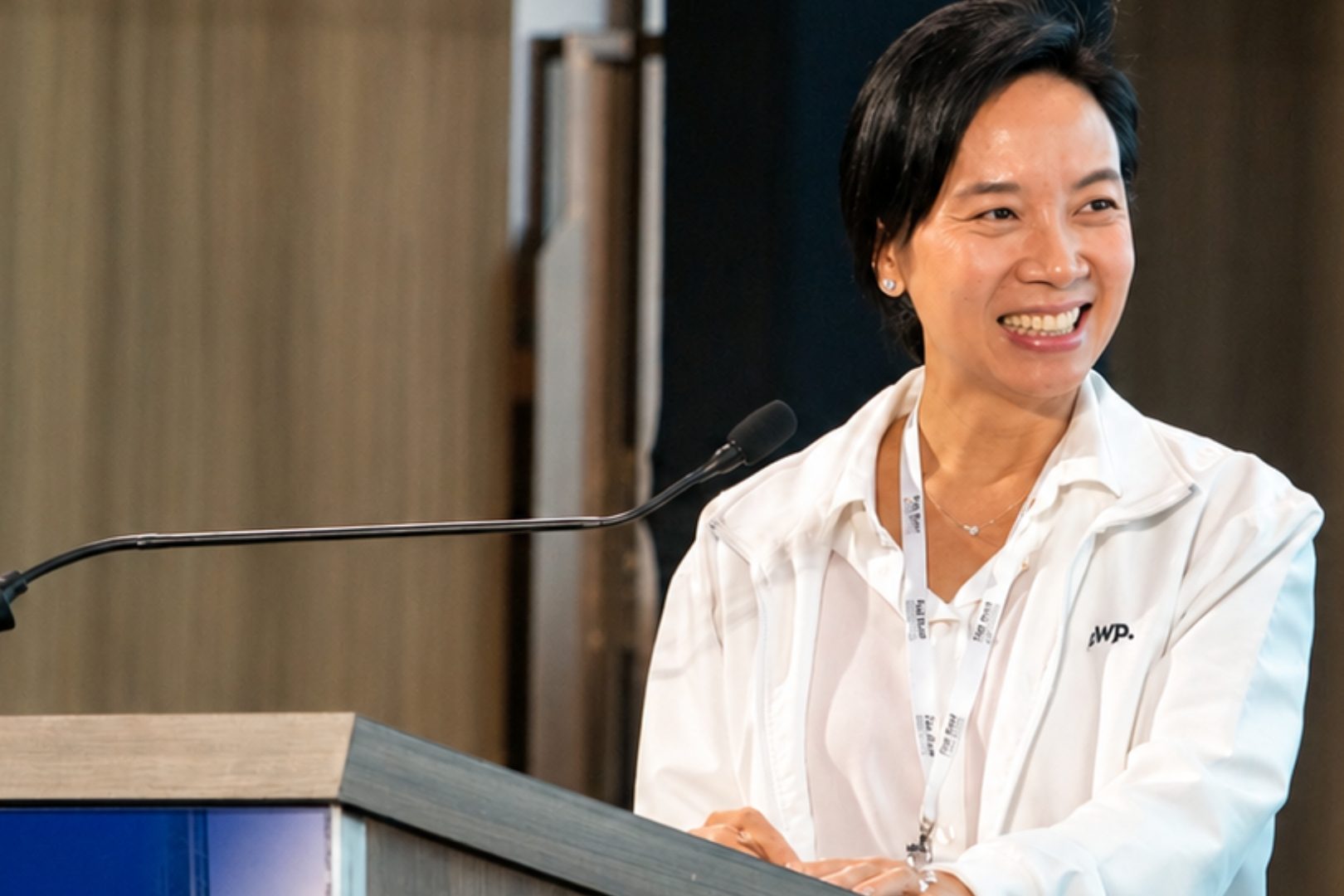
In a recent interview with Commercial Interior Design, dwp. Regional Managing Director Charlie Kelly discussed how the industry is being forced to evolve in response to changing global conditions; balancing operational realities with increasing demands for speed, flexibility and long-term resilience. The conversation reflects a wider shift taking place across the region, where adaptability is no longer viewed as a contingency strategy, but as an essential part of how projects are delivered and businesses remain competitive.
This transformation is becoming visible across every sector.
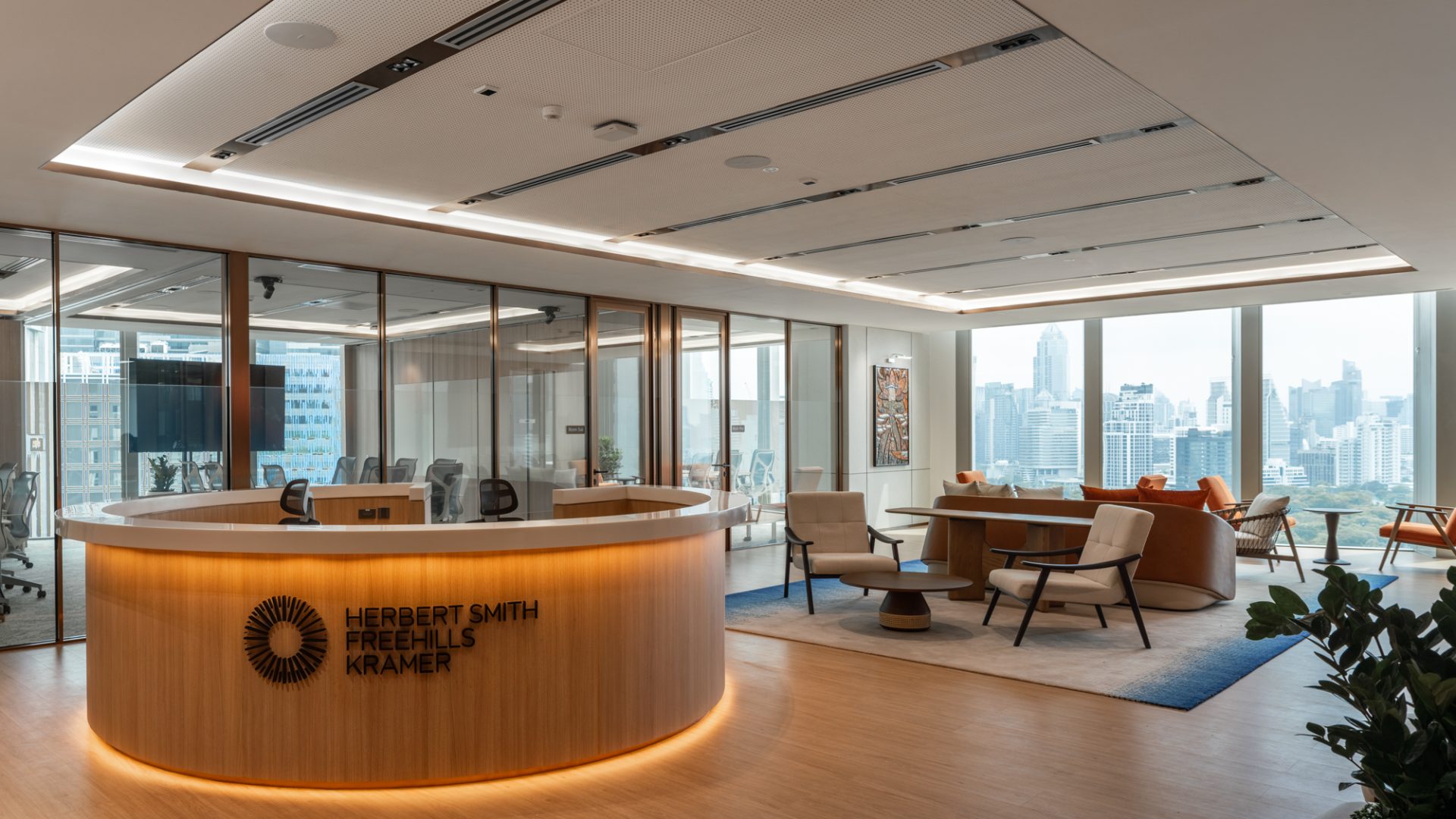
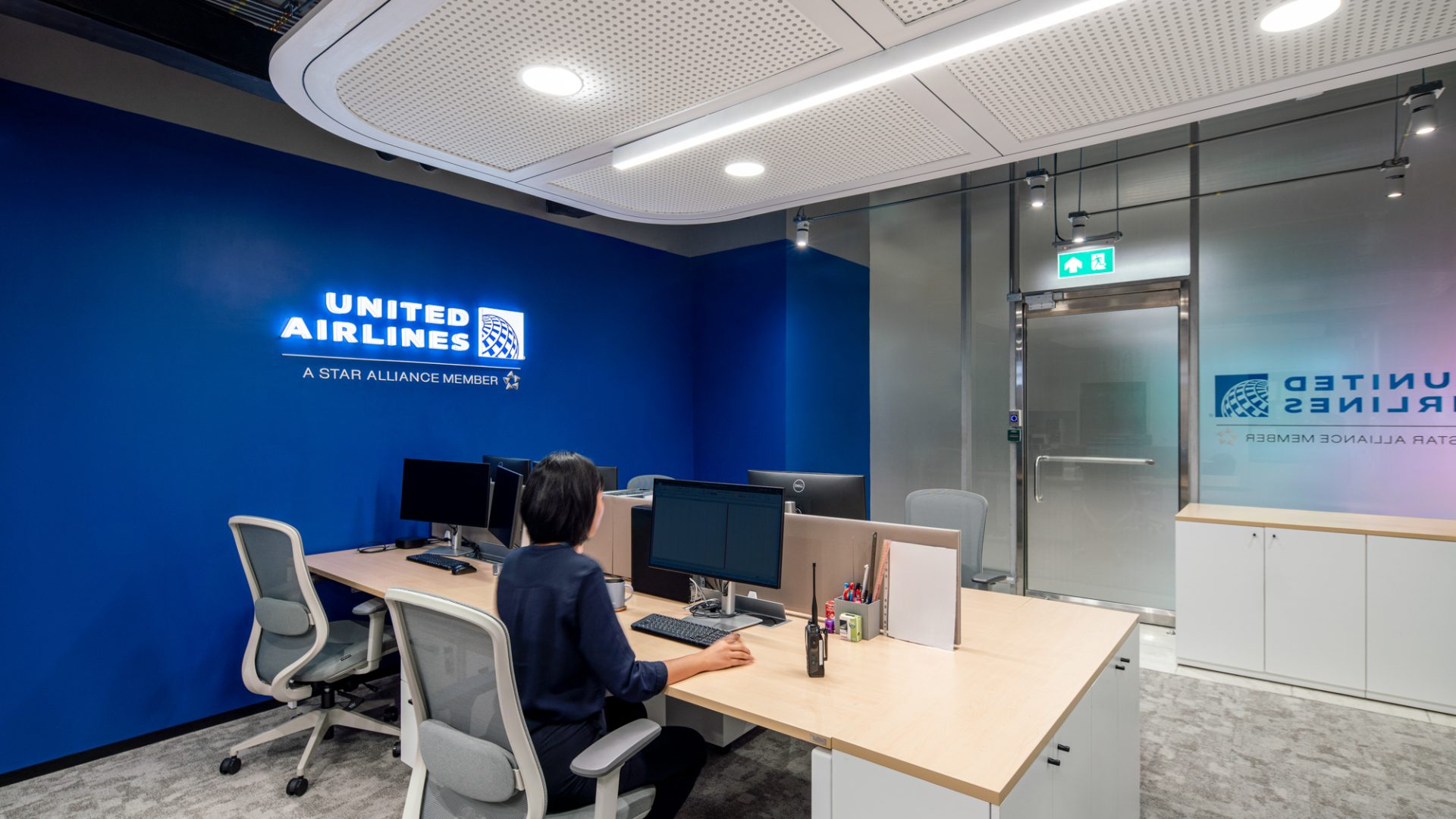
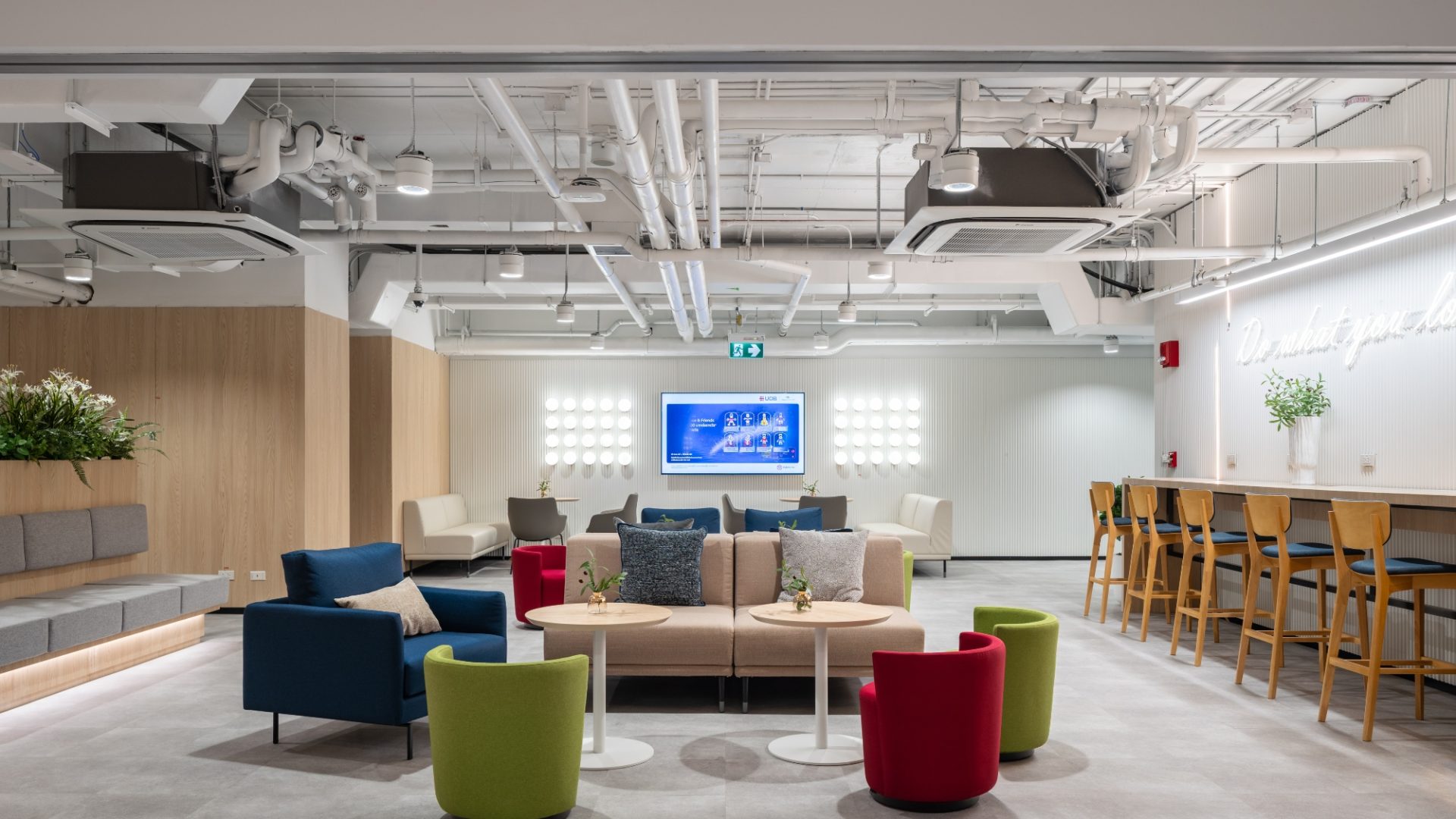
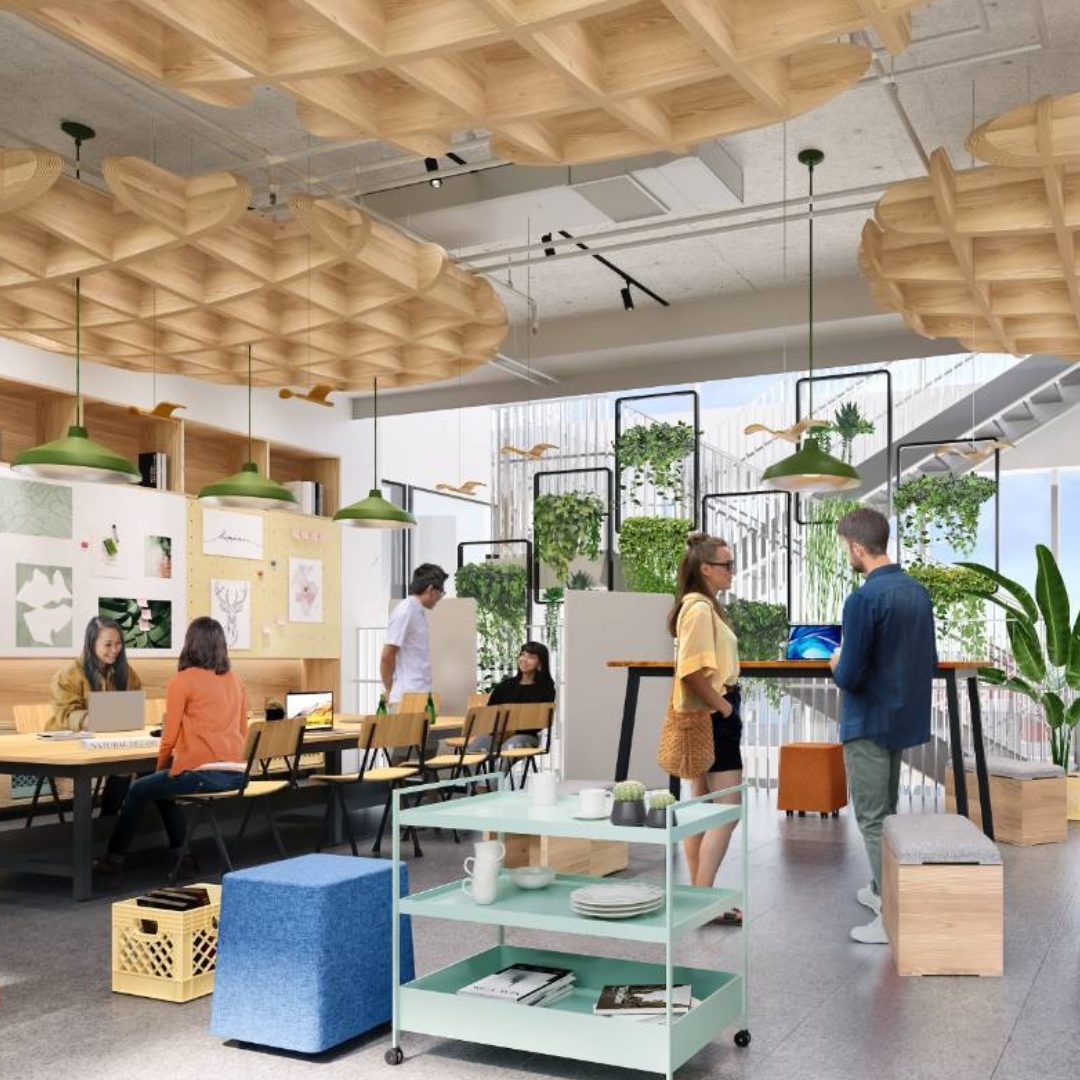
Within workplace design, businesses are increasingly seeking environments capable of evolving alongside organizational change rather than remaining fixed around traditional planning models. Projects such as L’Oreal Thailand Headquarters and Herbert Smith Freehills Kramer Thailand Office reflect this shift toward more flexible, hospitality-driven workplaces designed to support changing workforce behavior, fluctuating occupancy patterns and evolving expectations around collaboration and wellbeing.
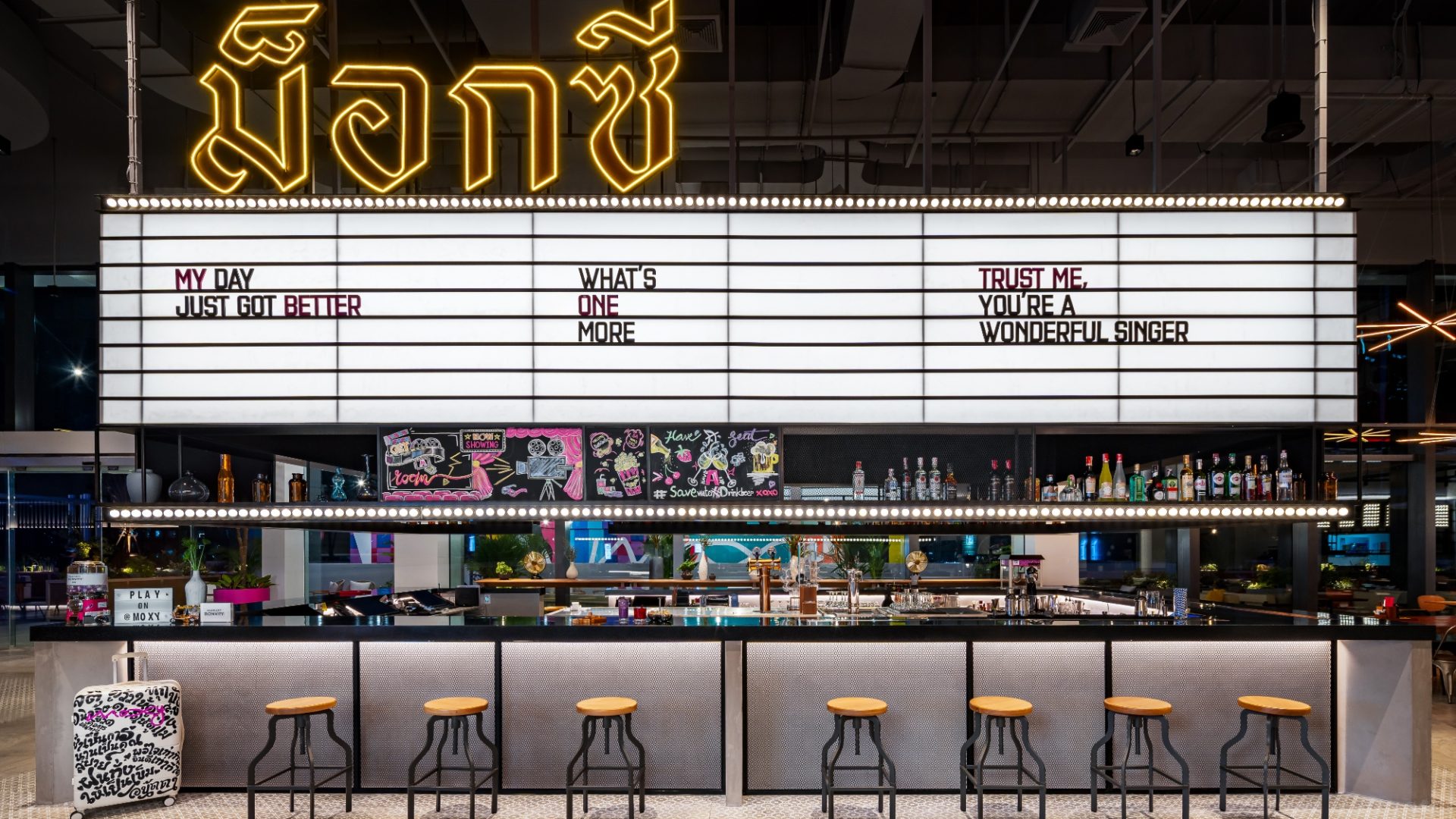
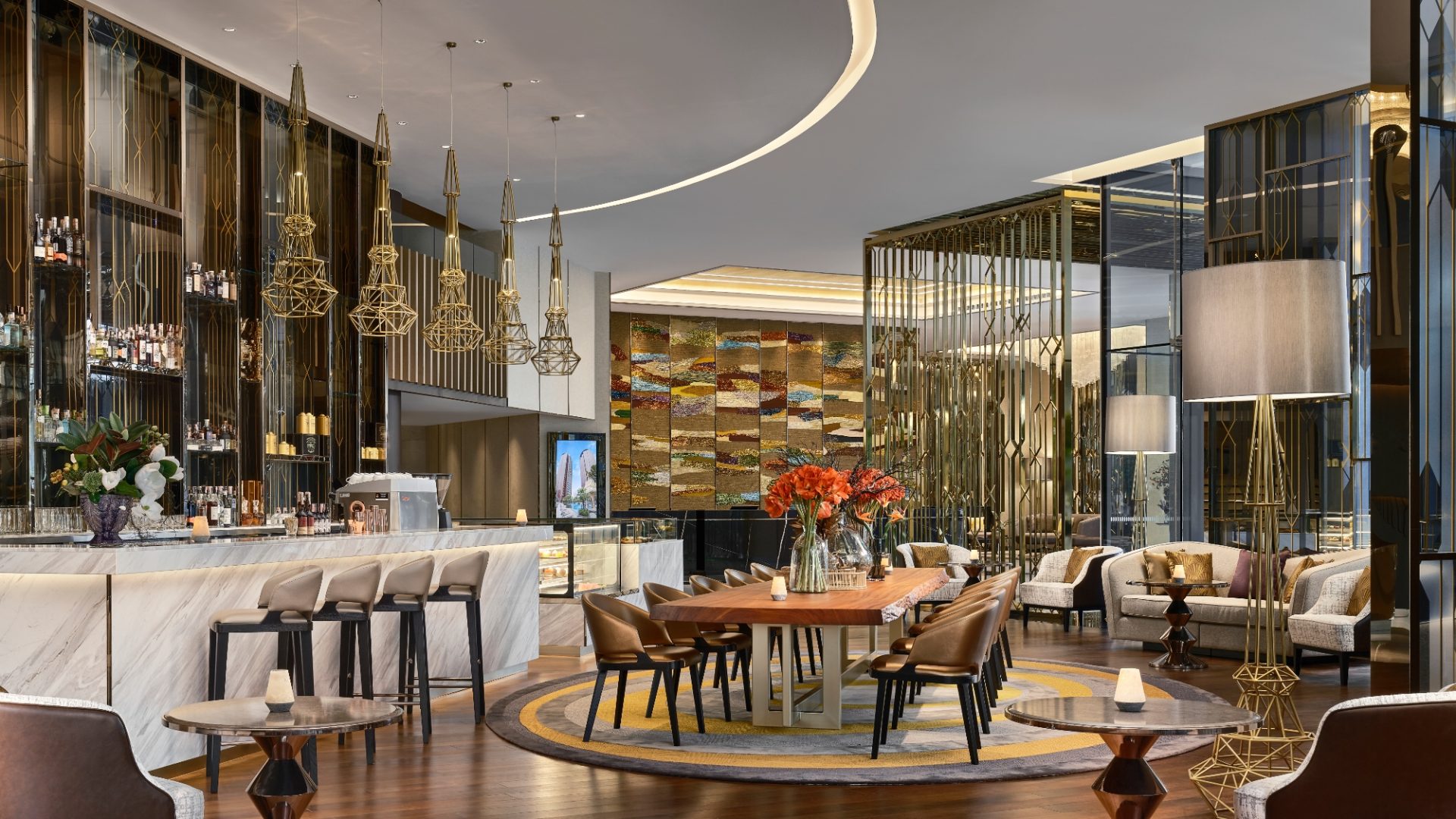
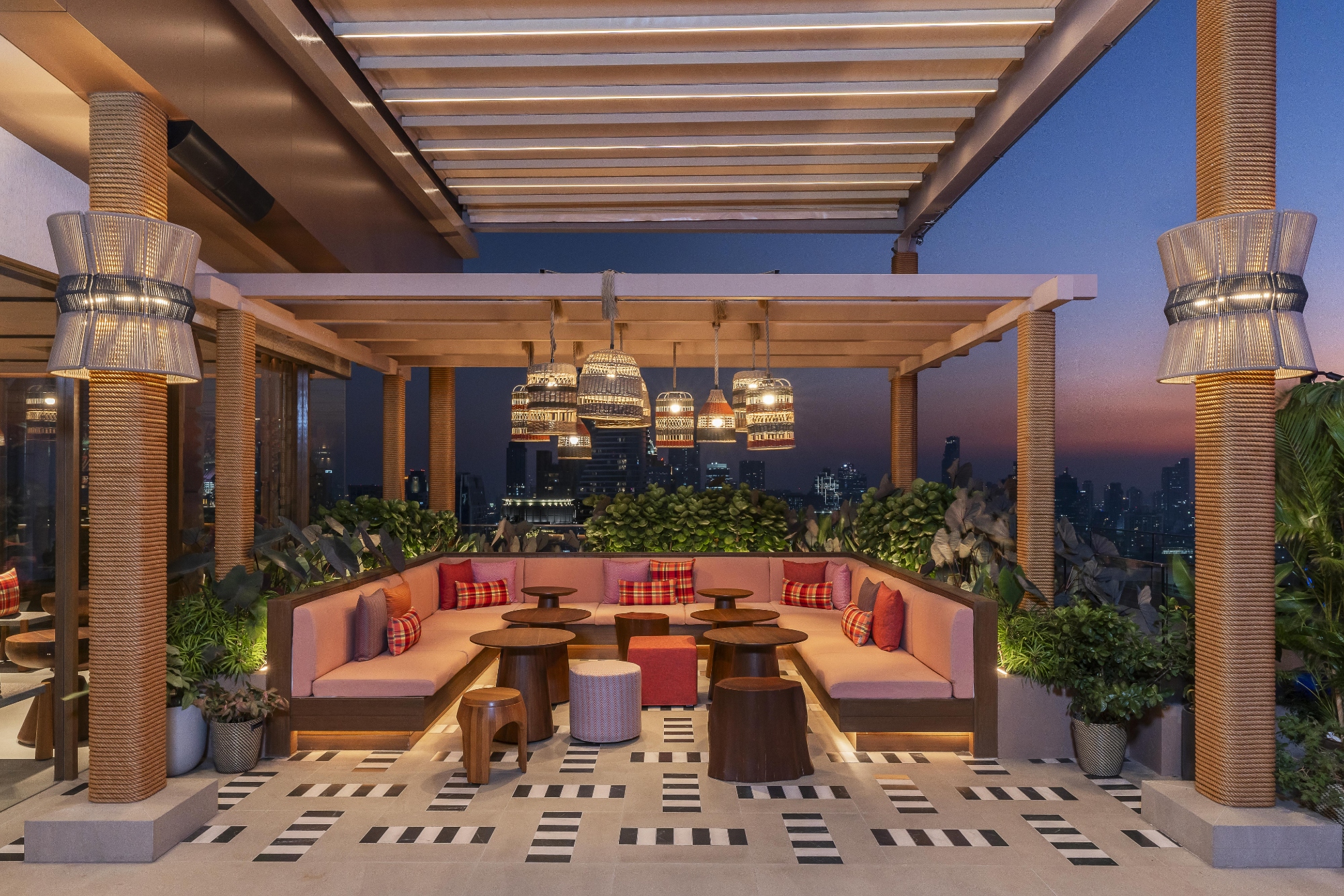
In hospitality, the pressure is equally significant. Operators are navigating changing travel behaviors, shorter booking windows and increasing competition for experiential relevance. Projects such as Moxy Bangkok Ratchaprasong and Sato San Rooftop Bar reflect how hospitality environments are being designed with greater operational flexibility and stronger experiential identity, allowing venues to remain socially and commercially relevant within rapidly shifting urban contexts.
At an urban scale, developments such as Dusit Central Park highlight how mixed-use environments are also evolving in response to changing economic and cultural conditions. Increasingly, these destinations are being conceived less as static developments and more as adaptive ecosystems capable of supporting multiple modes of occupation, content creation, wellness and community engagement over time.
The disruption itself is also reshaping the design process behind the scenes.
Alternative locally sourced materials are increasingly being explored not simply as substitutions, but as strategic opportunities to create more regionally grounded and resilient outcomes. Specification processes are becoming longer and more detailed as teams navigate delays in material approvals and sample delivery. Project timelines are evolving to accommodate a new industry reality where certainty can no longer be assumed.
Importantly, clients themselves are also recalibrating expectations. Across sectors, there is growing recognition that flexibility, responsiveness and operational resilience are now as critical to project success as aesthetics or efficiency.
At dwp., this evolving landscape is encouraging a more agile and collaborative approach to design; one that balances creativity with operational intelligence, regional understanding and long-term adaptability. Increasingly, the role of design is not simply to create spaces that function today, but environments capable of responding intelligently to the uncertainty of tomorrow.
In many ways, disruption is no longer simply shaping projects. It is reshaping the industry itself.
Tags: Abu dhabi, Agile workspace, Archi, Architect, Architecture, Artist, Asia, Bangkok, Bar, BIM, Blog, Boutique, Business, Civic, Construction, Content, Creativity, Culture, Design, Designer, Digital, Digital technology, Digital transformation, Digitisation, Drink, Dubai, Education, Experience, F&B, Food, Future, Health, Hicap, Ho chi minh, Hospitality, Hotel, Hotel design, Information, Innovation, Interior, Interior design, Interior designer, Interview, Knowledge, Lebua, Lifestyle, Luxury, Luxury design, Luxury interior, Marriott, Profile, Residential, Restaurant, Saigon, Sky, Studio, Success, Sustainibility, Tech, Technology, Thailand, Trends, Video, Vietnam, W hotel, Women