Local accents

How do architects and designers offer a taste of local flavour?

In the last 10 years the hospitality industry has become a hotplate of sizzling new ideas. Although not traditionally an industry known for being trend-bending; these changes are being made in response to overwhelming demand from today’s experience-hungry information-savvy traveler.
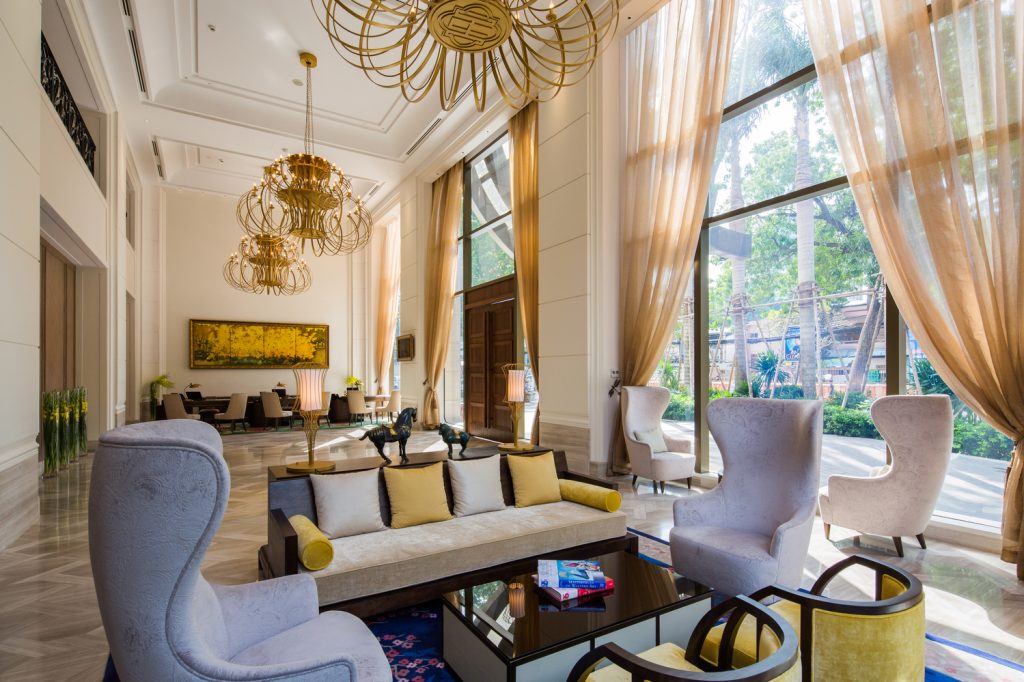
Guests want to take a big bite of the local culture rather than nibbling at the edges. So in turn hospitality fundamentals have evolved from good service, cleanliness and comfort. Standards now include fast and unfettered connectivity, sustainability and, importantly for designers, guest experiences nuanced with local flavour.

God is in the details, as they say, so how do designers infuse the colour, tradition and history of a destination into these details? (While at the same time making spaces relevant and contemporary). Kirk Ellis, Lifestyle Portfolio Director of dwp says: “To design something fun with a feeling of the local vernacular and character is not that difficult. We base our decisions on how abstract or concrete the nuances of the design should be. We work with the operator or the brand to find out what they want. An example is Anantara Hotels. They are developing their brand identity which is solid traditional style; to more abstract design overtones with upholstery and interior finishes.”

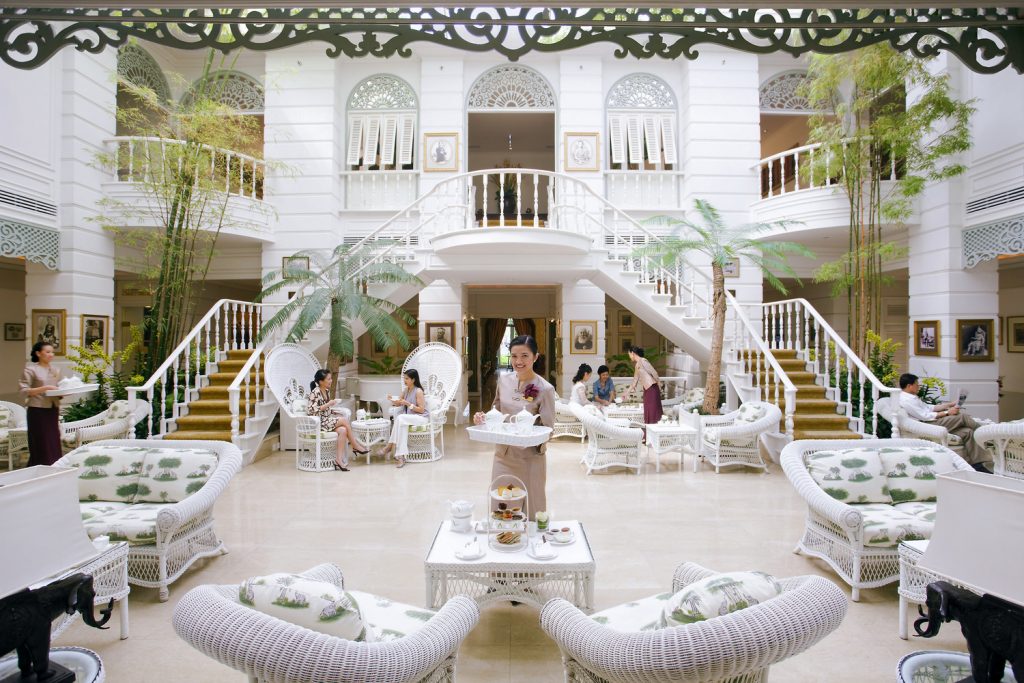
Ultimately these choices are defined by what is available. In Thailand, for example, there is an abundance of sustainable, natural resources like bamboo and teak wood. There are rich and continuous traditions of handicrafts, textile weaving, carpentry and construction as well as detailed art. Whether it is authentic Lanna style or Hill tribe upholstery; designers have a rich palette to work from. A veritable smorgasbord of cultural references to add to the overall design.

Whatever the local context, it is in these ways designers can can bring in subtle or overt parts of the local story, texture or imagery. To add a sense of the historical aesthetic in a modern way. Designers set the scene for the real protagonists, the operators, to create experiences and memories that will be treasured and shared for years to come.

For information on our hospitality services, please contact kirk.e@dwp.com

Tags: Abu dhabi, Agile workspace, Archi, Architect, Architecture, Artist, Asia, Bangkok, Bar, BIM, Blog, Boutique, Business, Civic, Construction, Content, Creativity, Culture, Design, Designer, Digital, Digital technology, Digital transformation, Digitisation, Drink, Dubai, Education, Experience, F&B, Food, Future, Health, Hicap, Ho chi minh, Hospitality, Hotel, Hotel design, Information, Innovation, Interior, Interior design, Interior designer, Interview, Knowledge, Lebua, Lifestyle, Luxury, Luxury design, Luxury interior, Marriott, Profile, Residential, Restaurant, Saigon, Sky, Studio, Success, Sustainibility, Tech, Technology, Thailand, Trends, Video, Vietnam, W hotel, Women
Designer destinations

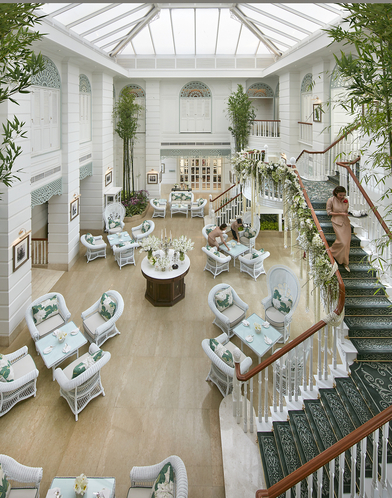
Research indicates that today’s inbound traveler to Thailand and South East Asia, with wallets of every size, are more independent, more hungry and more ready than ever before for a true taste of local culture. SLOW travel is at the forefront of the insta-generations travel expectations: local experiences, local people and local food. The hospitality industry needs to adapt it’s offering, and it starts with design.

Cultural changes in the expectations of hospitality began to emerge out of Europe, the U.S. and Australasia about a decade ago. These changes were driven by the way we communicate and access information: instant messaging, with a world of answered questions, was suddenly at our fingertips. People no longer read travel books to find out ‘where are the top 10 places to stay within my budget’.

The hospitality industry is, in general, slow to change and at first the ‘old guard’ was resistant. But soon maverick brands began to realize that people wanted something different. Who would have believed that the idea of having a hotel lobby feel like a nightclub, like W Hotel, would be anything other than a flash in the pan? But actually; it was revolutionary.

So changes in design were led by demographic changes. The needs and demands of the guests. Hoteliers began to see the opportunity to create something people would want more and more of: Lifestyle Hotels. Defined by The Boutique and Lifestyle Lodging as: “Small, intimate and modern – and throw in advantages only a chain can offer, like loyalty perks, consistency and economies of scale. As a result, lifestyle hotels are generally more affordable and accessible than boutiques – and soon to be ubiquitous.”

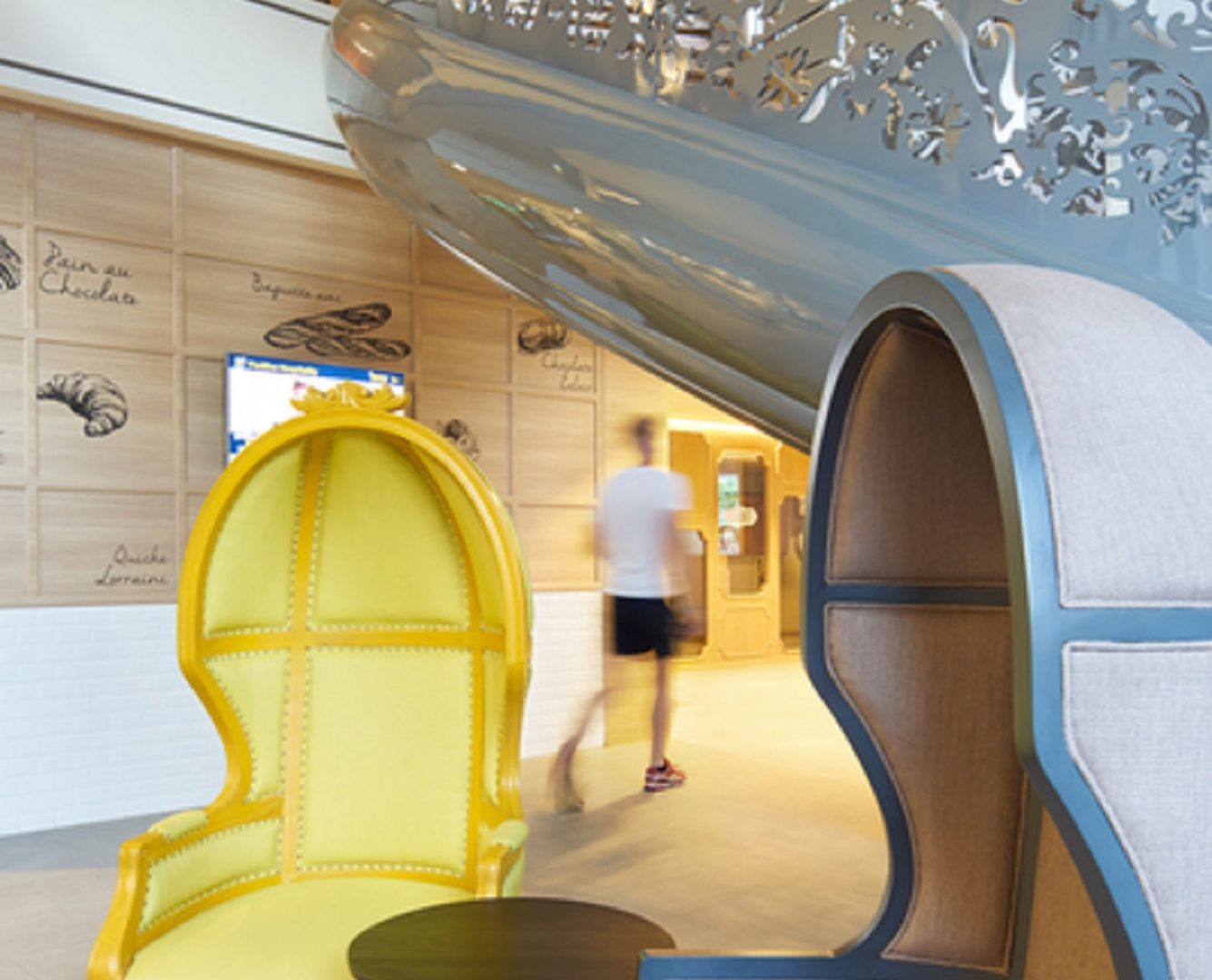
Design supports for lifestyle brands are much more expressive, much more distinct and much more singularly focused. The industry has changed. Young people, for example, want to come to Bangkok to party and have fun. Moxy Hotel by Marriott absolutely hits the mark with their 18 – 28 year old demographic. Partying is accepted and anticipated. And this feeds into the expectation of some travelers. And that’s where good marketing and brand awareness comes in… do not pass go for someone who does not want a party hotel!

This design approach applies equally to the hotel restaurants. These days not many people think when travelling: ‘Let’s avoid the local food’. So hotels have had to become more realistic about what the market is demanding.

Lifestyle Hotels are meeting changing Food and Beverage (F&B) demands in two major ways. Kirk Ellis, Lifestyle Portfolio Director of dwp says: “Some hotels are choosing to go smaller and less with their F&B offering. These hoteliers are expecting their guests to eat out. We design them a cool, fun place for their guests to stay. It has a lower price point. They have almost no F&B outlets because young travelers, with their phones, can find the hottest place to eat and drink at the touch of a button. They certainly don’t want to eat in a hotel. This in turn reduces construction and operating costs. So design has evolved through that shift because the internet generation, with information at their fingertips, can access what they really want.”

The point is that hospitality is usually an industry that tags behind the leading edge of trends. But these changes also give hoteliers the opportunity to save on operating costs, staff costs and at the same time align with guest’s expectation and enhance their experience. The differentiation in design is, as hoteliers are prepared to take more risk in their boutique and lifestyle brands, the design is becoming much more fun.

For information on our hospitality services, please contact kirk.e@dwp.com

Tags: Abu dhabi, Agile workspace, Archi, Architect, Architecture, Artist, Asia, Bangkok, Bar, BIM, Blog, Boutique, Business, Civic, Construction, Content, Creativity, Culture, Design, Designer, Digital, Digital technology, Digital transformation, Digitisation, Drink, Dubai, Education, Experience, F&B, Food, Future, Health, Hicap, Ho chi minh, Hospitality, Hotel, Hotel design, Information, Innovation, Interior, Interior design, Interior designer, Interview, Knowledge, Lebua, Lifestyle, Luxury, Luxury design, Luxury interior, Marriott, Profile, Residential, Restaurant, Saigon, Sky, Studio, Success, Sustainibility, Tech, Technology, Thailand, Trends, Video, Vietnam, W hotel, Women
Subscribe newsletter
  • We’ll email you dwp’s Insights every two months.