Blog
Intelligence You Don't See
At Casa Luna, a development by Phú Mỹ Hưng, dwp. integrates AI-powered facial recognition and intuitive lift technology into everyday living. We explore how intelligent systems and thoughtful design create a seamless residential experience, where technology is felt rather than seen.
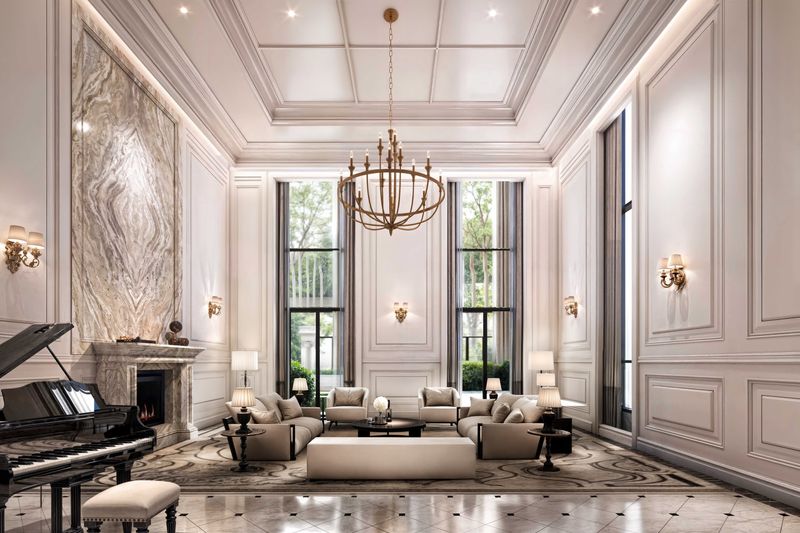
When technology recedes into the background, the experience moves forward.
The best technology does not always announce itself.
Sometimes, its greatest contribution is a moment that never happens: searching for an access card, stopping at an entry point, pressing a lift button or thinking about how to operate a system.
At Casa Luna development by Phú Mỹ Hưng, dwp. approached technology with a simple idea: intelligence should make everyday living easier without making the environment feel more complicated.
Rather than placing technology at the centre of the residential experience, it is integrated quietly into the architecture, removing small moments of friction from the resident journey while allowing the human experience of home to remain at the forefront.
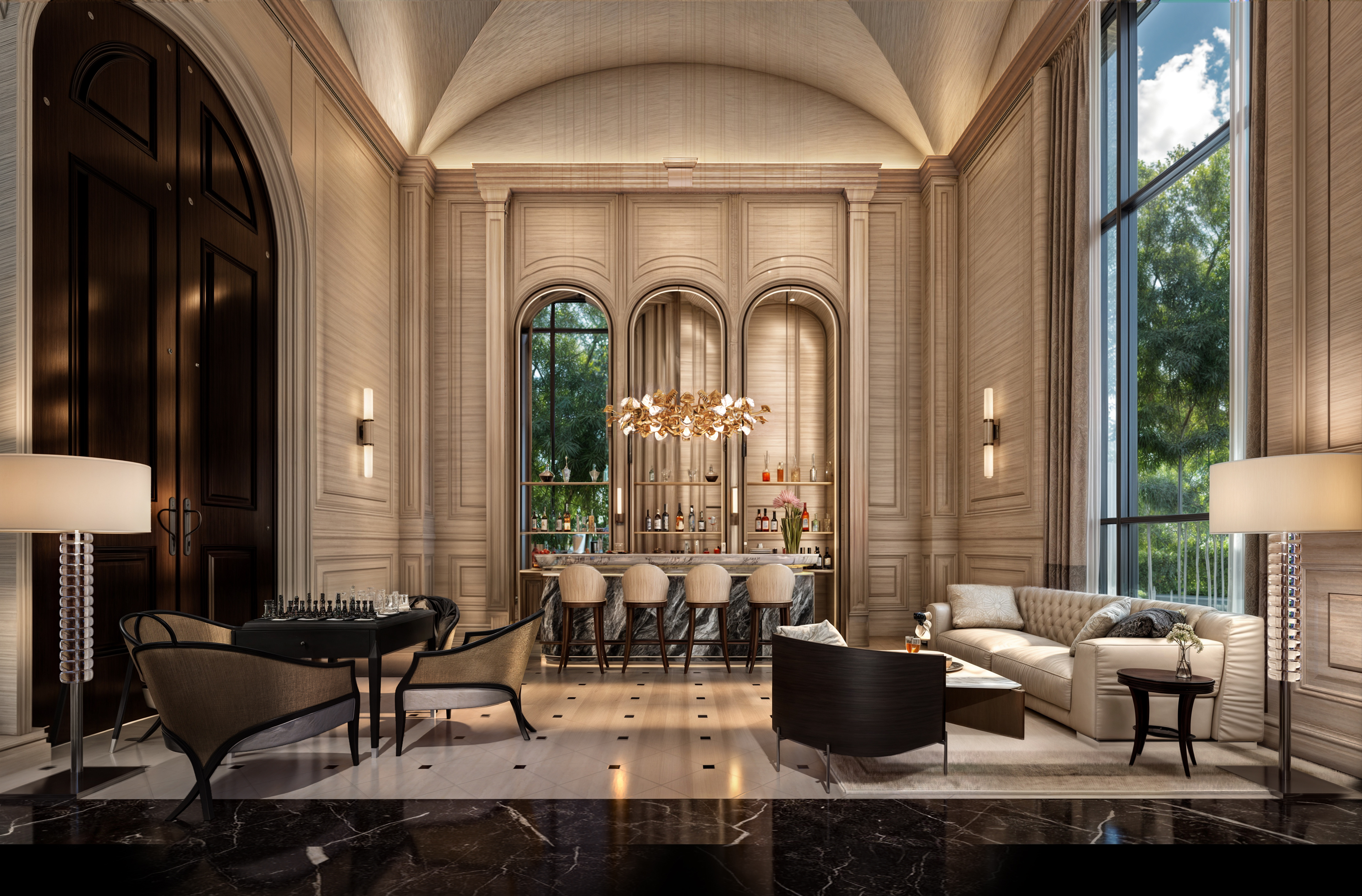
Removing the small moments of friction
We often think about intelligent buildings in terms of major technological interventions. But from a resident's perspective, intelligence can be much simpler.
It can mean not having to do something.
At Casa Luna, AI-powered facial recognition is integrated into access points and passenger lifts, replacing the need for physical keycards during everyday movement through the building.
For residents, this creates a more seamless journey from arrival onwards. There is no need to search for a card when approaching an access point or physically select a floor once inside the lift.
The technology recognises the resident and allows the journey to continue.
Individually, these may seem like small moments. Repeated every time someone leaves or returns home, however, they begin to change how effortlessly residents move through the building.
The interaction with technology becomes almost invisible.
And that is precisely the point.
Technology that belongs to the architecture
Introducing intelligent systems into a residential environment creates another challenge for designers: how do you gain the benefits of technology without allowing the hardware to dictate the character of the space?
At Casa Luna, the answer was integration rather than addition.
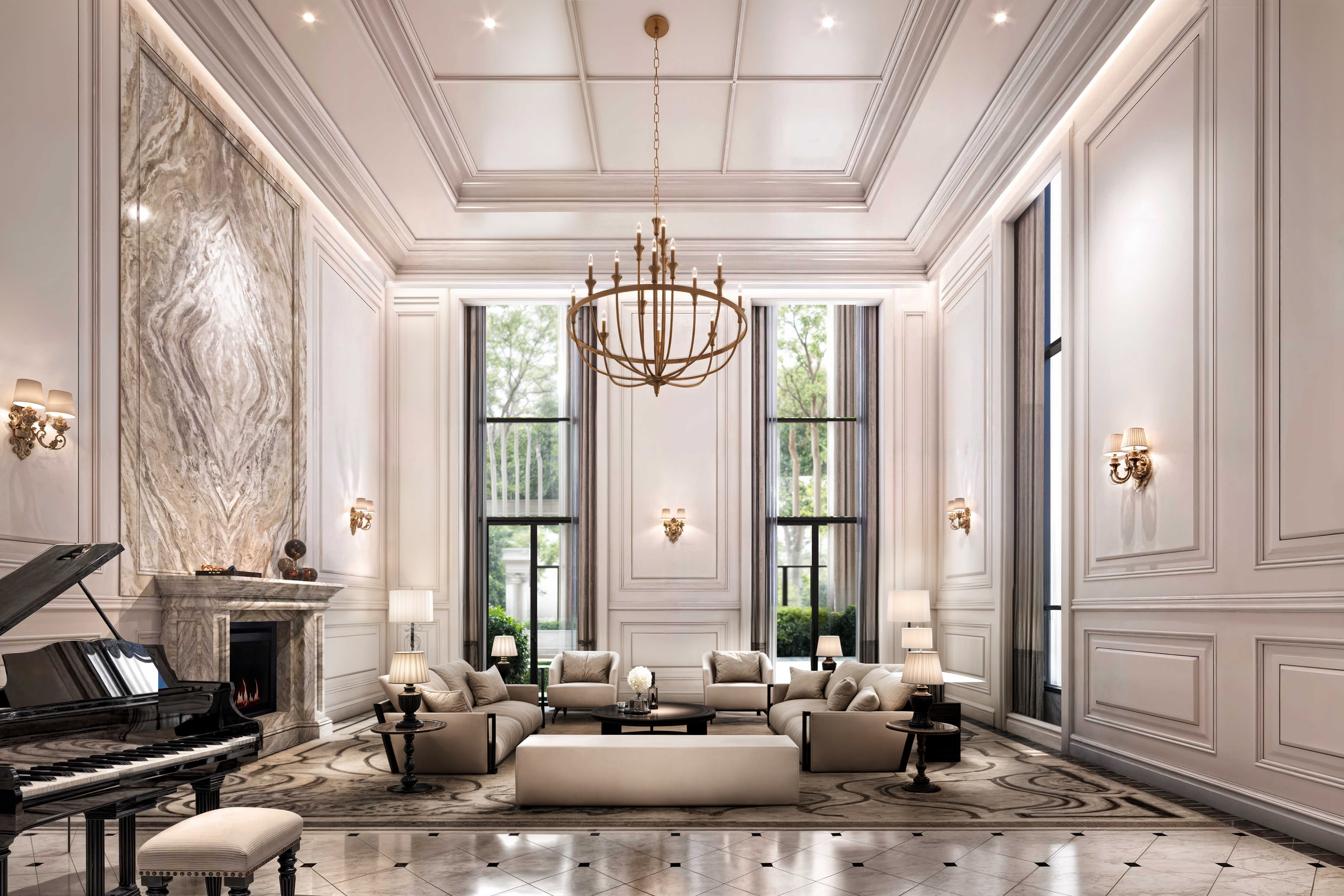
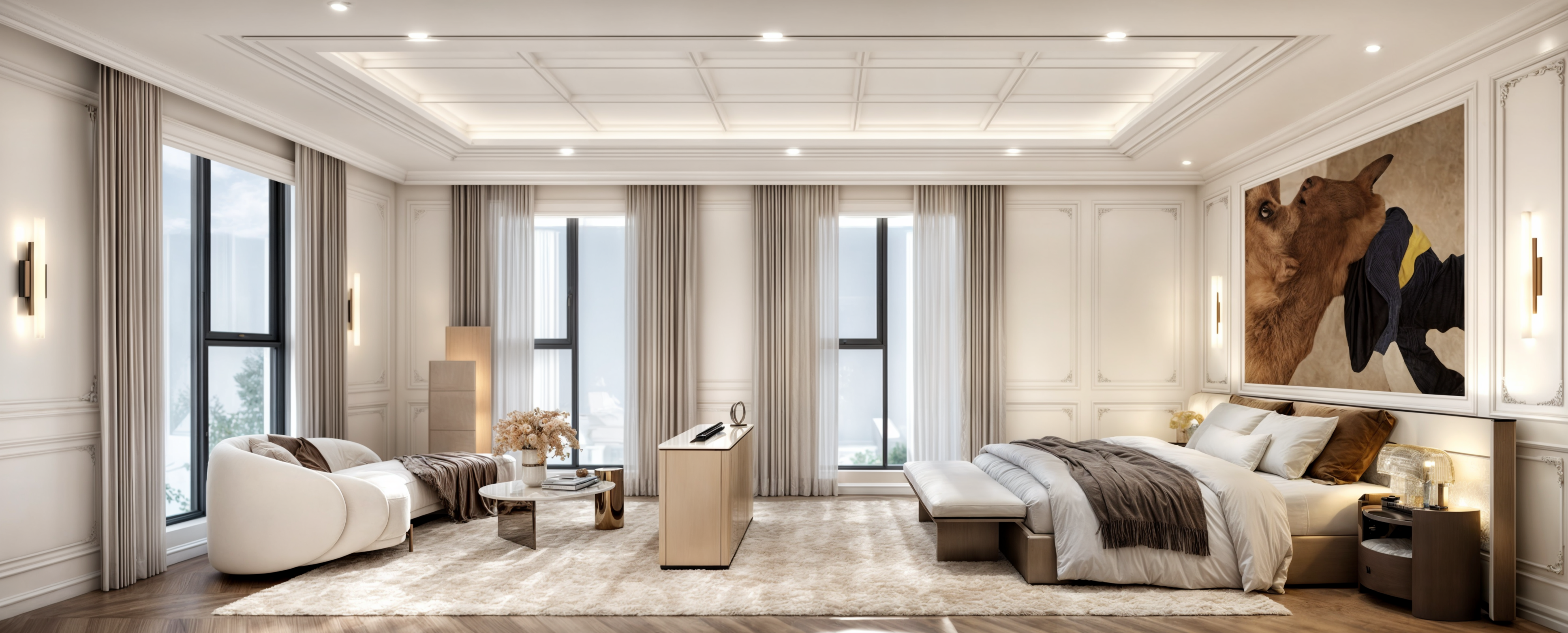
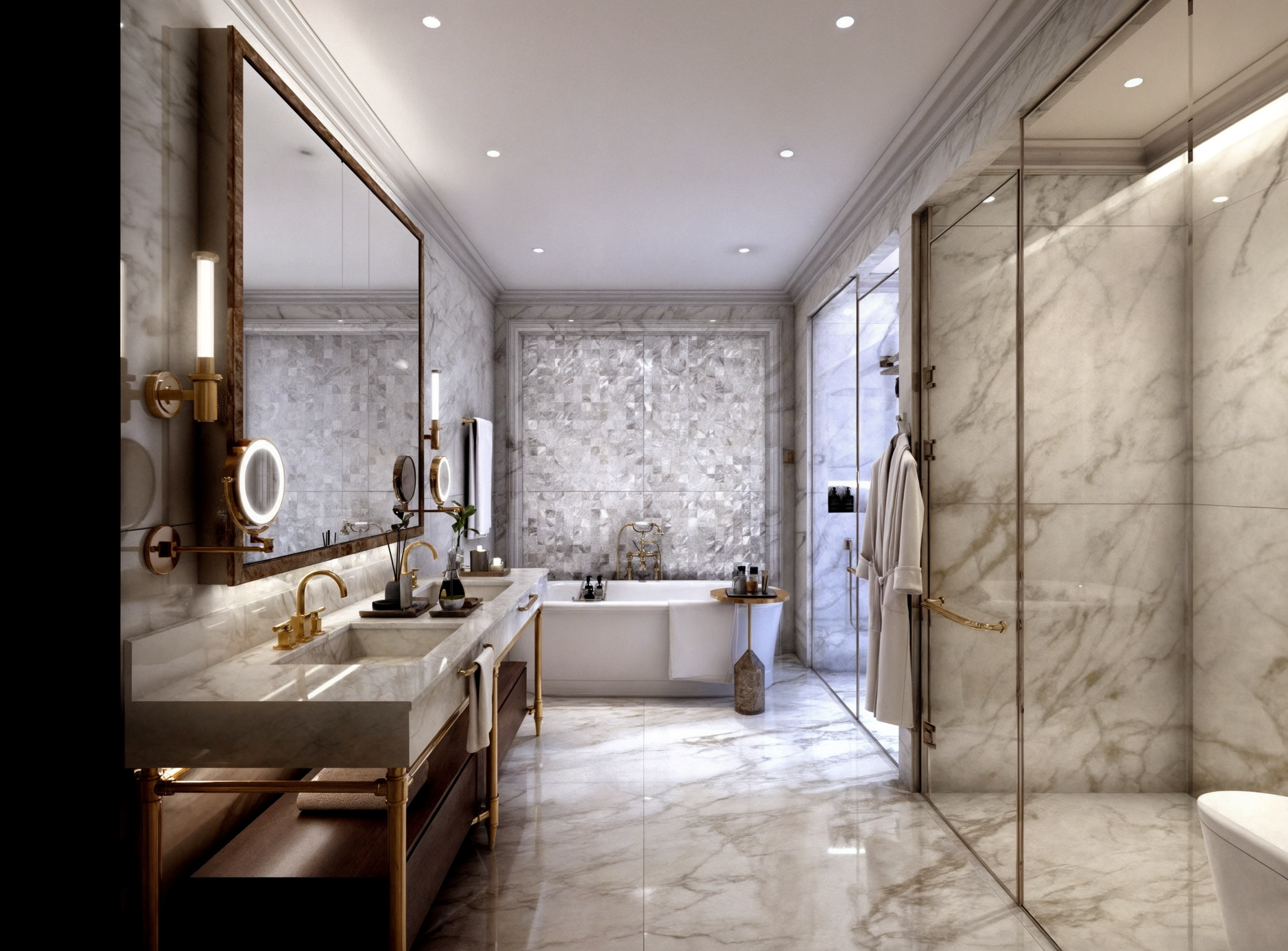
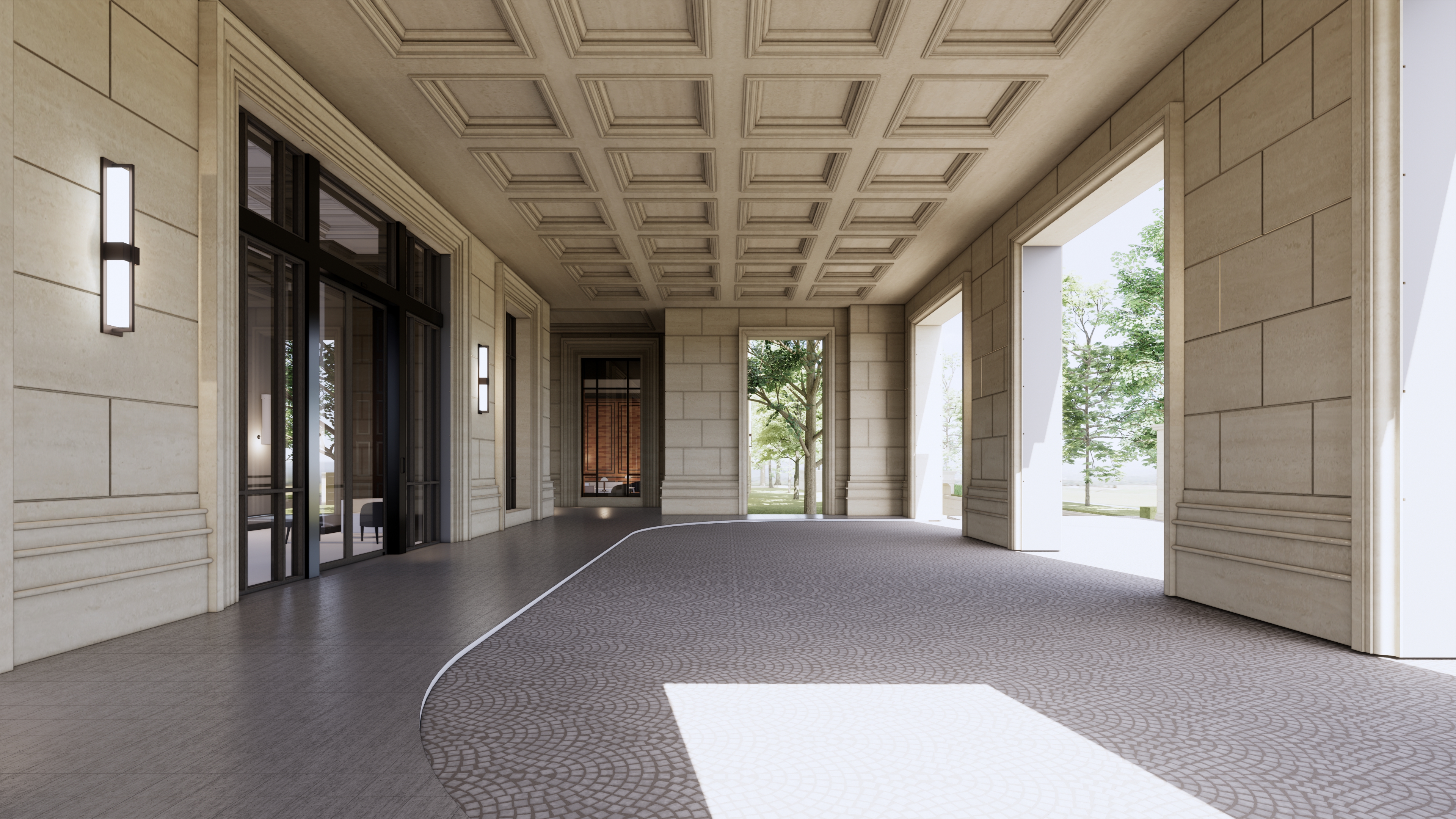
Hardware, sensors and displays are incorporated into architectural details and custom joinery, working alongside natural materials including warm timber and textured stone. Refined hardware finishes and minimal forms help technological elements sit within the wider interior language rather than compete with it.
Where possible, systems remain concealed until they are needed.
Instead of arriving home to an environment dominated by obvious devices and interfaces, residents experience spaces where technology operates purposefully in the background.
This distinction matters.
As our homes and residential buildings become more intelligent, there is a risk that the experience becomes increasingly dominated by screens, sensors, controls and interfaces. More capability can easily result in more complexity.
Good design asks a different question: how much of that complexity does the resident actually need to see?
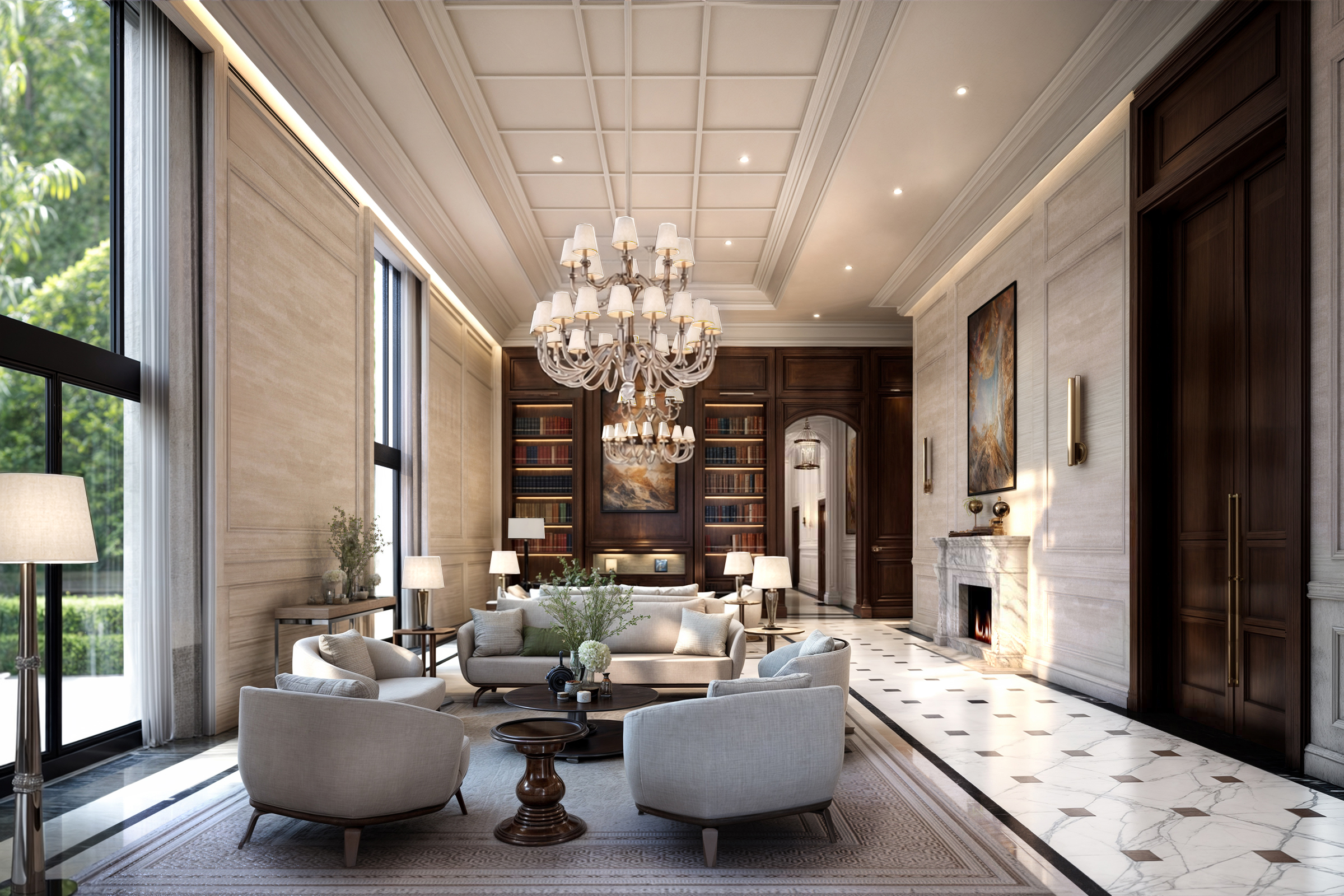
Invisible, but not impersonal
There is an important balance to strike.
Removing friction should not mean removing humanity.
Technology can make a residential environment more seamless and responsive, but architecture and interiors still need to create the qualities we associate with home: warmth, comfort, materiality, atmosphere and a sense of belonging.
At Casa Luna, technology and interior design were therefore considered as part of the same experience.
The smart elements are deliberately understated, while material choices and architectural detailing remain prominent. Technology activates when required and recedes when it is not, allowing the physical environment, rather than the systems operating within it — to define how the spaces feel.
The result is not a residence that looks technological.
It is one that simply feels easier to live in.
From interaction to anticipation
For much of the digital era, technology has required us to interact with it. We click, tap, scan, swipe, select and instruct.
Intelligent environments increasingly have the potential to reverse that relationship.
Instead of waiting for instruction, the environment can begin to recognise what is needed and respond accordingly.
Casa Luna offers a simple example. A traditional access system asks a resident to prove who they are by presenting something. An intelligent system can recognise them and allow the environment to respond.
The physical action disappears.
As residential environments become increasingly connected, similar thinking has the potential to extend across lighting, environmental controls, security, vertical transportation and other building systems.
The opportunity is not simply to automate more tasks. It is to identify the interactions that do not need to exist in the first place.
Designing intelligence differently
For architects and interior designers, this changes the conversation around smart residential design.
The measure of an intelligent environment should not be how much technology has been installed or how visibly futuristic it appears.
It should be whether that technology meaningfully improves everyday life.
Does it remove an unnecessary action?
Does it make arriving home more intuitive?
Does it allow the environment to respond without demanding attention?
And can it do all of that while preserving the emotional and sensory qualities that make a place feel like home?
At Casa Luna, intelligence is not treated as another layer applied to the design.
It is something absorbed into it.
Because perhaps the future of intelligent living is not about creating homes where we interact with more technology.
It is about designing homes where we need to interact with it less.